

Get Weekly Blogs Straight To Your Inbox

Healthy Soil, Thriving Garden: Checking Soil Condition Tips
Assessing Your Soil Condition
Before planting in the spring, assessing your soil’s condition is crucial for a successful garden. Healthy soil provides nutrients, retains moisture, and supports root growth.
A thriving spring garden starts with healthy soil. Before planting, it’s essential to assess your soil’s condition to ensure it provides the right environment for plant growth.
Soil quality affects water retention, nutrient availability, and root development. By checking factors like texture, structure, and organic matter, you can determine whether your soil needs improvement.
Doing an evaluation helps prevent future gardening problems and sets your plants up for success.
What to Look For:
Soil Texture: Grab a handful of soil and feel its texture. Sandy soil is gritty and drains quickly, while clay soil feels sticky and holds too much water. Loamy soil, which is a mix of sand, silt, and clay, is ideal for most plants.
Soil Structure: Healthy soil should crumble easily but still hold shape. If it’s too compacted, roots may struggle to grow.
Organic Matter: Look for dark, rich soil with plenty of decomposed plant material. This indicates good fertility and microbial activity.
Tests to Perform:
Soil Compaction Test: Push a garden trowel or a long screwdriver into the soil. If it’s difficult to insert, your soil is too compacted and may need aeration.
Soil Smell Test: Healthy soil has an earthy smell, while a foul smell may indicate poor drainage and anaerobic conditions.
Worm Count: Dig a small hole and check for earthworms. A good population of worms suggests healthy, living soil with plenty of organic material.
What To Do:
No. 1 Check for Condition:
Sandy soils may drain quickly but lack nutrients, while clay soils may retain too much water and be slow to warm up. (If you don’t know what sort of soil you can do The Jar Test, find the details on our blog here: The Jar Test: A Simple DIY Soil Texture Analysis)
No 2 Remove Weeds/Debris:
Use a garden fork or trowel to loosen and lift out weeds, ensuring you remove their roots to prevent regrowth.
No. 3 add Organic Matter:
Organic matter such as compost or leaf mould is essential for improving soil structure, fertility and moisture retention.
Assessing Your Soil Condition– Mulching Video Reel
Check Your Drainage Speed
Poor drainage can lead to root rot and unhealthy plants. Testing your soil’s drainage ensures that water moves properly through the soil.
Proper drainage is key to maintaining a healthy garden. If water drains too slowly, roots can suffocate and rot, while overly fast drainage may leave plants thirsty.
Testing your soil’s drainage speed ensures that water moves efficiently without pooling or draining too quickly. By understanding how your soil handles moisture, you can make necessary adjustments to create the best growing conditions for your plants.

What to Look For:
Puddling: After a heavy rain, check if water sits on the surface for too long. Standing water indicates poor drainage.
Soil Type: Clay soils retain water, while sandy soils drain too quickly. Loamy soils provide the best balance.
Plant Health: Yellowing leaves or stunted growth may indicate drainage problems affecting root health.
Tests to Perform:
Percolation Test:
Dig a hole about 30cm deep 30cm wide.
Fill it with water and let it drain completely.
Refill the hole and measure how long it takes for the water to drain.
Results:
Less than 1 inch per hour: Poor drainage (may need amendments like sand or organic matter).
1-6 inches per hour: Ideal drainage.
Faster than 6 inches per hour: Drains too quickly (may need compost to retain moisture).
What To Do:
No. 1 Check for Drainage:
Perform the test and view the results
No. 2 Add Organic Matter:
If required adjust the soil to suit with organic matter, mulch or sand.
Drainage Speed Test Video Reel
Check Your Soil pH
Soil pH determines how well plants absorb nutrients. Most plants prefer a slightly acidic to neutral range (pH 6.0–7.0).
Soil pH plays a crucial role in plant health, affecting how nutrients are absorbed. If the pH is too high or too low, essential nutrients may become unavailable, leading to poor growth.
Since different plants thrive at different pH levels, testing your soil’s pH helps you choose the right plants or adjust the soil accordingly. A simple test can reveal whether you need to amend your soil to create the ideal growing environment.
What to Look For:
Signs of pH Imbalance: Yellowing leaves, stunted growth, or nutrient deficiencies may indicate pH issues.
Natural Indicators: Moss or excessive weeds like dandelions can signal acidic soil, while white crusts on the surface may indicate alkalinity.
Tests to Perform:
Home pH Test Kit: Use a soil pH testing kit from a garden centre. Mix soil with water and use the test strips to determine acidity or alkalinity.
Baking Soda & Vinegar Test (DIY Method):
Take two soil samples. Add vinegar to one (if it fizzes, the soil is alkaline). Add baking soda and water to the other (if it fizzes, the soil is acidic).
Lab Soil Test: For a precise measurement, send a sample to a local agricultural extension service.
What To Do:
No. 1 Gather Soil Samples:
Collect soil samples from various locations in your garden or planting area with different depths and locations
No. 2 pH Testing Kits:
Purchase a soil pH testing kit Follow the kit’s instructions for collecting soil samples and performing the test.
No. 3 read your results:
You can gain valuable insights into your soil and make informed decisions to optimise plant growth and health in your garden.
Checking Your Soil pH Video Reel
Happy Gardening!


Katrina & Clayton and family live in East Ayrshire and share their daily life in the garden on instagram. They practice permaculture principles in the garden, reducing & repurposing waste whenever they can. Katrina shows how home educating in nature has helped Clayton thrive.
Clayton Completed The 2 Grow and Learn Courses with the Royal Caledonian Horticultural Society. He is Autistic, Non Verbal & has been Home Educated since 2018. Katrina & Peter hold their PDC & PDC PRO Permaculture Design Course from Oregon State University
They featured on BBC Beechgrove Gardens Ep23 2022 and returned in 2023 for an update, Katrina & Clayton are also columnists for ScotlandGrows Magazine, Guest Blog for Caledonian Horticulture as well as working with Gardeners’ World Magazine and many other brands.
They are also Author of the new Children’s Book Series: Clayton’s Garden Journey: Stories of Autism and Gardening. Topics on Growing, Harvesting, Sowing & Composting and 108 Page Weather and Seasons Weekly Gardening Record Book available on Amazon and Kindle. Listen in on their Guest Podcasts to learn more about them.
Get new content delivered directly to your inbox.
Our Children’s Book Series
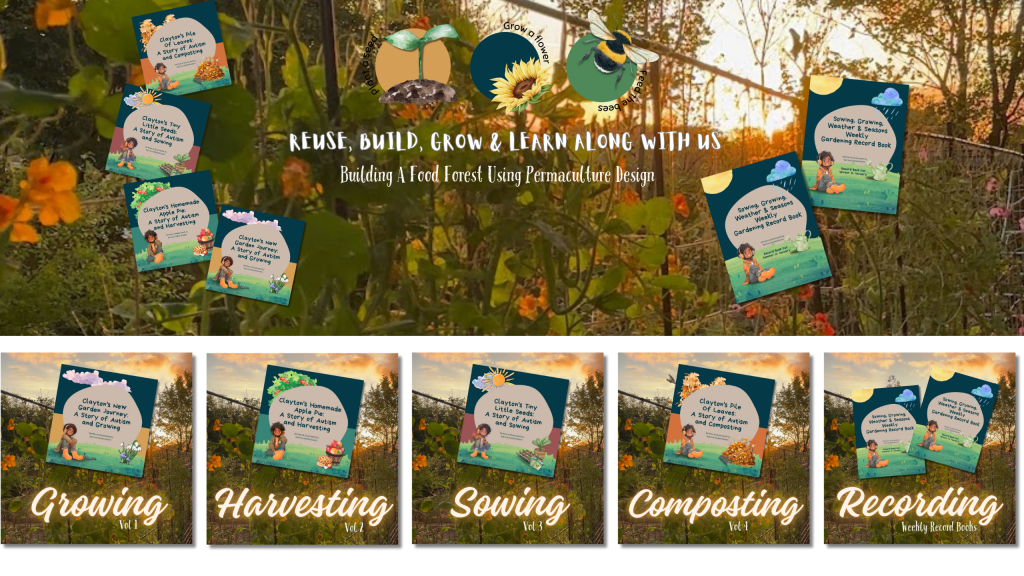
Author of the new children’s book series: Clayton’s Garden Journey: Stories of Autism and Gardening and Sowing, Growing, Weather and Seasons Weekly Gardening Record Book available on Amazon and Kindle
Visit Our Print On Demand Stores
REDBUBBLE STORE -WORLDWIDE
Over 175 Garden & Nature Designs. Coasters, Phone Covers, Bags, Mouse Mats & Much More


Discover more from Building a Food Forest -Scotland
Subscribe to get the latest posts sent to your email.

2 thoughts on “Healthy Soil, Thriving Garden: Checking Soil Condition Tips”