

Get Weekly Blogs Straight To Your Inbox

Spring Garden: Spring Sowing. 9 Weeks Before Our Last Frost Date
The Importance of Knowing and Understanding Your Last Frost Date
For gardeners, knowing the last frost date is one of the most important factors in determining when to plant outside. This date marks the average time in spring when the risk of frost has passed, helping you avoid the dangers of planting too early.
While it may be tempting to rush into gardening as soon as the weather warms up, understanding your last frost date ensures that your plants have the best chance of thriving.
Why the Last Frost Date Matters
Frost can be deadly to young plants, especially tender crops like tomatoes, peppers, and cucumbers. If planted too early, a late season frost can damage or kill seedlings, setting back your garden’s success. Even cold tolerant plants can experience stress from unexpected frosts, affecting their growth and yield. By waiting until after the last frost date, you give your plants a better environment to establish strong roots and develop properly.
How to Determine Your Last Frost Date
The last frost date varies based on location and climate. Checking local weather records, consulting gardening resources, or using online frost date calculators can provide a reliable estimate. However, since weather patterns fluctuate, it’s best to monitor forecasts and allow a buffer of one to two weeks before planting tender crops.
Using the Last Frost Date for Smart Planting
Knowing your last frost date allows you to plan your garden more effectively. You can start seeds indoors ahead of time and transplant them safely once the risk of frost has passed. Additionally, using cold frames or row covers can extend your growing season by offering protection against unexpected late frosts.
Sowing Flower Seeds
Spring Garden: Spring Sowing. 9 Weeks Before Our Last Frost Date
Toilet Roll Inserts create biodegradable seedling pots. you can make your own tubes with newspapers too
As they are deep they are perfect for anything that has long roots that do not like them disturbed as you can directly plant them into the soil
We will be using them to sow sweet peas & edibles: calendula, cornflowers, oxeye daisy, aquilegia & hollyhocks indoors on the windowsill,
Spring Sowing- Sweet Peas Sown Indoors Video Reel
Sowing Veg Seeds
Spring Garden: Spring Sowing. 9 Weeks Before Our Last Frost Date
You can cut cardboard milk/juice cartons length ways on one side so you can fill with soil & plant into them, ideal for small space growing
If you have no greenhouse use a windowsill or a cold frame outside using plastic storage boxes & cover with garden fleece at night if needed
Still early for us for veggies, but tomatoes are started indoors & carrots, parsnips, beetroot & chard all direct sown outside in our vegepods & vegebags
Compost sieved finely produces a silky fine texture for even the smallest seeds to thrive.
Spring Sowing: Veg Sowing Seeds Reel
Spring Sowing: Sieving For Potting Seeds Reel
Sowing Herb Seeds
Spring Garden: Spring Sowing. 9 Weeks Before Our Last Frost Date
Reuse plastic containers like yoghurt tubs, food containers, or drink bottles for makeshift pots, trays & greenhouse toppers
Cutting fizzy bottles in half to use as cloches over young plants to give them extra protection & to keep the slugs away from them
There are lots of hardy herbs that can be planted now we will be direct sowing chives, coriander & dill into pots outside this month
Moving Chives from the Kitchen Courtyard Vertical Garden Area to the Food Forest so we can plant some more chive seeds in here.
Looking to fill the garden so much more with these, they are the first to come up in Spring, great for pest control, bees love them & perfect for chopping & freezing for the year
Spring Sowing: Herbs Sowing Reel
Happy Gardening!


Katrina & Clayton and family live in East Ayrshire and share their daily life in the garden on instagram. They practice permaculture principles in the garden, reducing & repurposing waste whenever they can. Katrina shows how home educating in nature has helped Clayton thrive.
Clayton Completed The 2 Grow and Learn Courses with the Royal Caledonian Horticultural Society. He is Autistic, Non Verbal & has been Home Educated since 2018. Katrina & Peter hold their PDC & PDC PRO Permaculture Design Course from Oregon State University
They featured on BBC Beechgrove Gardens Ep23 2022 and returned in 2023 for an update, Katrina & Clayton are also columnists for ScotlandGrows Magazine, Guest Blog for Caledonian Horticulture as well as working with Gardeners’ World Magazine and many other brands.
They are also Author of the new Children’s Book Series: Clayton’s Garden Journey: Stories of Autism and Gardening. Topics on Growing, Harvesting, Sowing & Composting and 108 Page Weather and Seasons Weekly Gardening Record Book available on Amazon and Kindle. Listen in on their Guest Podcasts to learn more about them.
Get new content delivered directly to your inbox.
Our Children’s Book Series
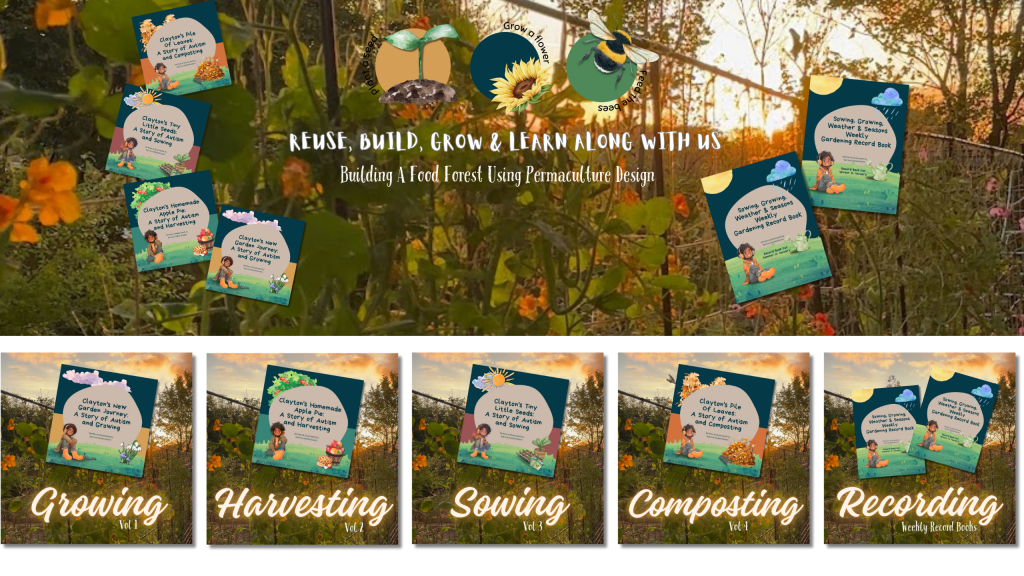
Author of the new children’s book series: Clayton’s Garden Journey: Stories of Autism and Gardening and Sowing, Growing, Weather and Seasons Weekly Gardening Record Book available on Amazon and Kindle
Visit Our Print On Demand Stores
REDBUBBLE STORE -WORLDWIDE
Over 175 Garden & Nature Designs. Coasters, Phone Covers, Bags, Mouse Mats & Much More

Discover more from Building a Food Forest -Scotland
Subscribe to get the latest posts sent to your email.
