

Get Weekly Blogs Straight To Your Inbox

Spring Garden: Companion Planting With Flowers, Herbs and Veg
If you’ve ever looked at your garden and thought, “There has to be a better way to make all of this work together,” you’re in luck. Enter: companion planting, a tried and true method that’s been around for centuries. At its core, it’s all about planting certain flowers, herbs, and veggies next to each other to create natural support systems.
Some plants help each other grow, some keep pests in check, and others just play nice together to make the garden healthier and more productive overall. It’s a simple, beautiful way to boost biodiversity and create a more balanced little ecosystem.
Other blog posts to read:
What To Sow This Winter To Spring For Natural Pest Control This Summer
Boost Soil Health with Green Manure As A Cover Crop Over Winter
Organic Gardening: A No Chemical Approach With A Few Simple Changes

Companion Planting With Flowers
SPRING GARDEN: COMPANION PLANTING 1: Flowers
Flowers not only add visual charm to the garden but also serve as vital allies in the realm of companion planting. Among the stars of this floral orchestra are Nasturtiums, Calendula, & Sweet peas
1. Nasturtiums (Tropaeolum majus): These vibrant, easy to grow flowers are a staple in any companion planting scheme. Nasturtiums act as a natural pest repellent, particularly against aphids, whiteflies, and cucumber beetles. Their sprawling foliage provides excellent ground cover, suppressing weeds and conserving soil moisture. Additionally, nasturtiums attract pollinators like bees and hoverflies, promoting biodiversity in the garden.
2. Calendula (Calendula officinalis): Known for its cheerful blooms and medicinal properties, calendula is a must-have companion plant for any vegetable garden. Its bright orange or yellow flowers attract hoverflies and ladybugs, which prey on aphids and other harmful insects. Calendula also possesses allelopathic properties, releasing compounds that inhibit the growth of weeds and harmful soil pathogens. Planting calendula alongside vegetables like tomatoes and beans can boost their resilience and yield.
3. Sweet Peas (Lathyrus odoratus): Beyond their enchanting fragrance and delicate appearance, sweet peas offer numerous benefits as companion plants. Their climbing vines provide vertical interest in the garden while attracting pollinators such as bees and butterflies. Sweet peas are also nitrogen fixing legumes, meaning they form symbiotic relationships with soil bacteria to convert atmospheric nitrogen into a form plants can use. Planting sweet peas alongside nitrogen hungry vegetables like cucumbers and squash enriches the soil and promotes healthy growth.
Companion Planting- Flowers Video Reel
Companion Planting With Herbs
SPRING GARDEN: COMPANION PLANTING 2: Herbs
Herbs are not only culinary delights but also valuable allies in the garden. From deterring pests to enhancing flavour, herbs play multiple roles in companion planting strategies.
Companion Planting with Herbs
Herbs are not only culinary delights but also valuable allies in the garden. From deterring pests to enhancing flavour, herbs play multiple roles in companion planting strategies.
1. Mint (Mentha spp.): While prized for its refreshing flavour, mint’s strong scent acts as a natural insect repellent, deterring pests like ants, aphids, and cabbage moths. Planting mint near brassicas, such as cabbage and broccoli, can help protect them from common pests. However, mint is notorious for its vigorous growth and tendency to spread aggressively, so it’s best contained in pots or dedicated areas to prevent it from overtaking the garden.
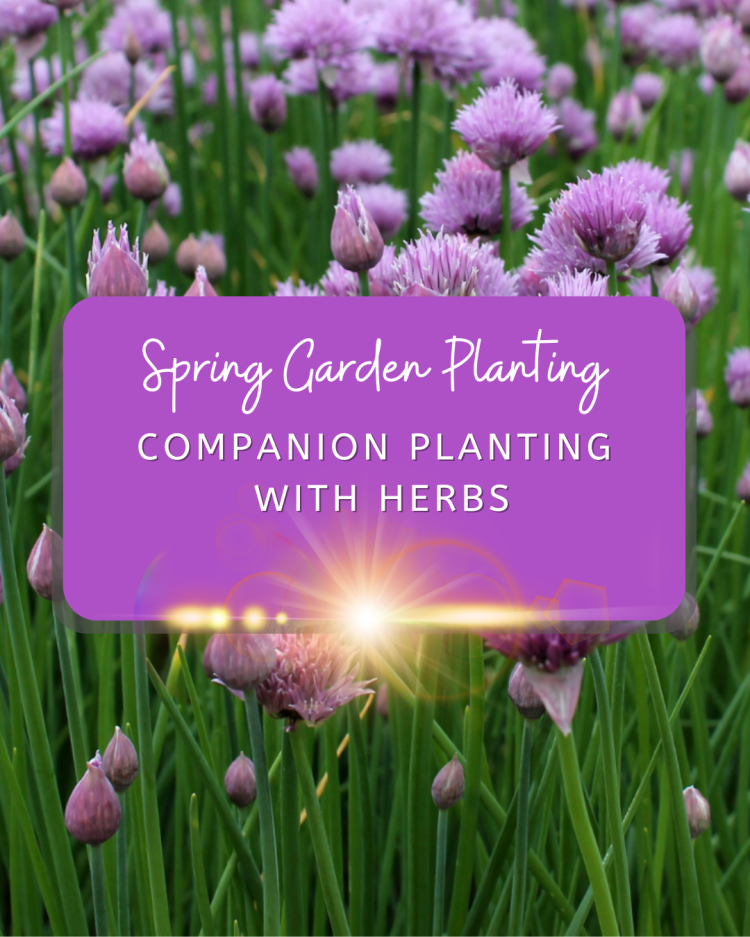
2. Chives (Allium schoenoprasum): With their slender green leaves and delicate purple flowers, chives add visual appeal to the garden while repelling harmful insects. Their pungent aroma helps deter aphids, carrot flies, and Japanese beetles, making them excellent companions for carrots, tomatoes, and roses. Chives also attract beneficial insects like hover flies and predatory wasps, which prey on garden pests, contributing to a balanced ecosystem. We plant these next to everything we put in the ground.
3. Basil (Ocimum basilicum): A culinary favourite, basil offers more than just delicious flavour—it’s also a powerful ally in the garden. Its aromatic foliage repels mosquitoes, flies, and thrips, protecting neighbouring plants from insect damage. Planting basil near tomatoes can enhance the flavour of the fruit and improve their overall health. Additionally, basil emits volatile compounds that may suppress the growth of certain weeds, reducing competition for nutrients and space.
Companion Planting- Chives: Saving Seeds, Growing & Dividing Video Reels
Companion Planting With Veg
SPRING GARDEN: COMPANION PLANTING 2: Veg
When it comes to growing vegetables, companion planting can be a game changer, helping to maximise yields and minimise pest problems.
1. Garlic (Allium sativum): Renowned for its culinary versatility and health benefits, garlic also has natural pest-repellent properties. Planting garlic among crops like tomatoes, peppers, and cabbage can deter aphids, spider mites, and even larger pests like rabbits and deer. Additionally, garlic emits sulphur compounds that may inhibit the growth of fungal diseases such as powdery mildew and late blight, helping to keep neighbouring plants healthy.
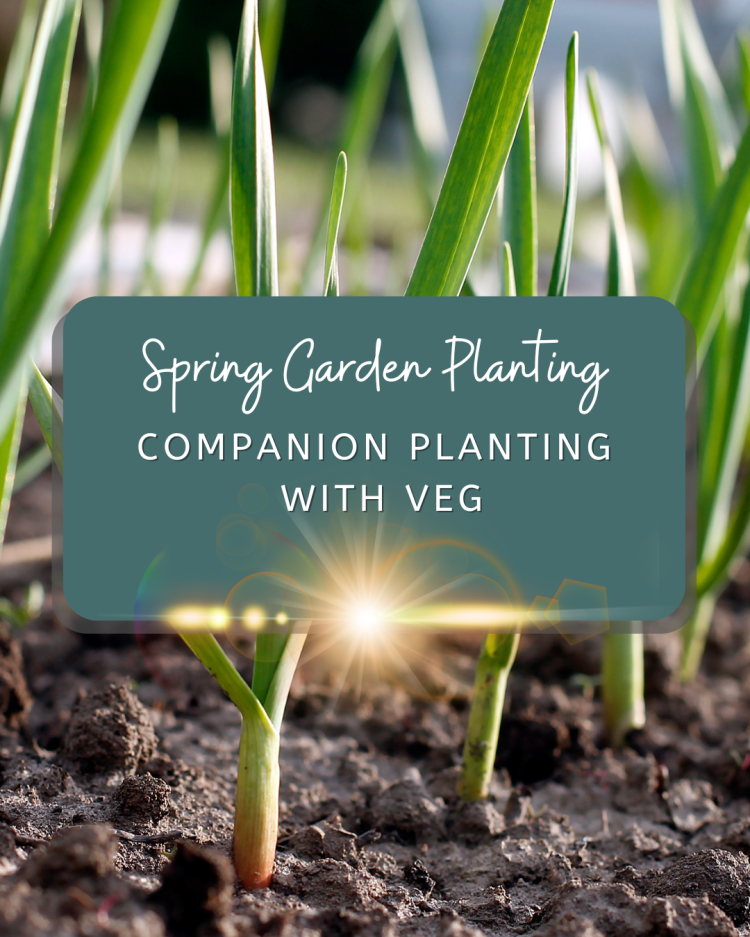
2. Spring Onions (Allium fistulosum): With their mild flavour and crisp texture, spring onions are a welcome addition to salads, stir fries, and soups. As members of the onion family, they possess natural pest-repellent qualities, deterring pests like carrot flies and aphids. Planting spring onions alongside carrots, lettuce, and brassicas can help protect them from common pests while providing a complementary flavour in your dishes.
3. Radish (Raphanus sativus): As fast growing and versatile vegetables, radishes are a staple in many home gardens. Beyond their culinary appeal, radishes serve as dynamic companion plants, particularly when intercropped with larger vegetables like squash and cucumbers. Their pungent scent may help deter cucumber beetles and squash bugs, reducing the risk of pest infestations. Additionally, radishes act as natural biofumigants, releasing compounds that suppress soil-borne pests and diseases, making them valuable allies in crop rotation schemes.
Biofumigation is a method of pest control in agriculture, a variant of fumigation where the gaseous active substance fumigant is produced by decomposition of plant material freshly chopped and buried in the soil for this purpose. Other examples are radish, rocket and mustard varieties.
Happy Gardening!


Katrina & Clayton and family live in East Ayrshire and share their daily life in the garden on instagram. They practice permaculture principles in the garden, reducing & repurposing waste whenever they can. Katrina shows how home educating in nature has helped Clayton thrive.
Clayton Completed The 2 Grow and Learn Courses with the Royal Caledonian Horticultural Society This Year. Clayton has just turned 17, Autistic, Non Verbal & has been Home Educated for the last 7yrs. Katrina & Peter both hold their PDC Permaculture Design Course from Oregon State University
They featured on BBC Beechgrove Gardens Ep23 2022 and returned in 2023 for an update, Katrina & Clayton are also columnists for ScotlandGrows Magazine, Guest Blog for Caledonian Horticulture as well as working with Gardeners’ World Magazine and many other brands.
They are also Author of the new Children’s Book Series: Clayton’s Garden Journey: Stories of Autism and Gardening. Topics on Growing, Harvesting, Sowing & Composting and 108 Page Weather and Seasons Weekly Gardening Record Book available on Amazon and Kindle.
Listen in on their Guest Podcasts to learn more about them.


Get new content delivered directly to your inbox.
Our Children’s Book Series
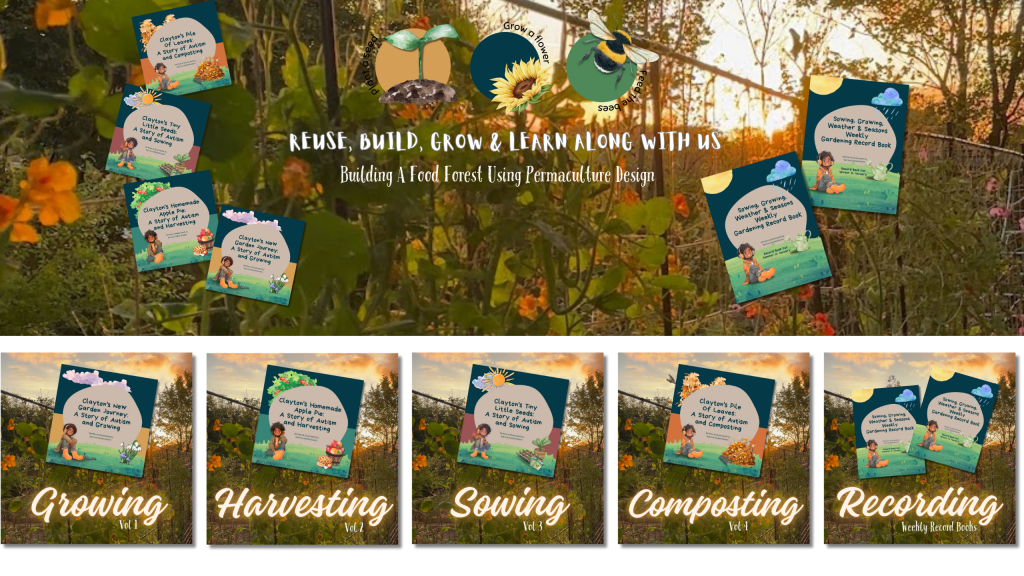
Author of the new children’s book series: Clayton’s Garden Journey: Stories of Autism and Gardening and Sowing, Growing, Weather and Seasons Weekly Gardening Record Book available on Amazon and Kindle
Visit Our Print On Demand Stores
REDBUBBLE STORE -WORLDWIDE
Over 175 Garden & Nature Designs. Coasters, Phone Covers, Bags, Mouse Mats & Much More

Discover more from Building a Food Forest -Scotland
Subscribe to get the latest posts sent to your email.

8 thoughts on “Spring Garden: Companion Planting With Flowers, Herbs and Veg”