
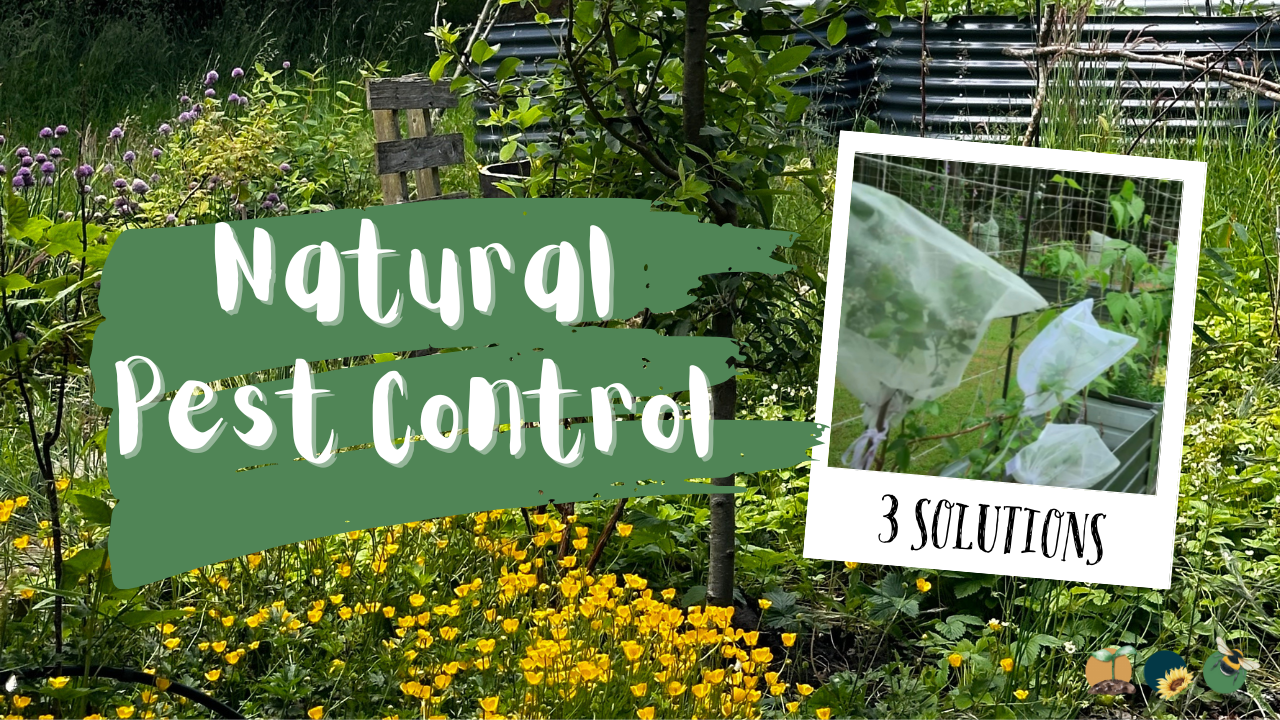
Get Weekly Blogs Straight To Your Inbox

Natural & Eco Friendly Ways To Keep Pests Out Of Your Garden
Maintaining a vibrant and healthy garden can sometimes feel like a never-ending battle against pests. However, resorting to harsh chemicals can harm not just the pests, but also the beneficial insects and the environment. Thankfully, there are several natural methods to control pests in your garden effectively.
Additional Blogs to read:
Organic Gardening: A No Chemical Approach With A Few Simple Changes
What To Sow This Winter To Spring For Natural Pest Control This Summer
Natural Pest Control Using Planting
Natural & Friendly Ways To Keep Pests Out Of Your Garden – Planting

Companion Planting:
Companion planting is an age-old technique that involves strategically planting different species next to each other to benefit one another in various ways, including pest control. Certain plants emit odours or chemicals that repel pests, while others attract beneficial insects that prey on garden pests.
Nasturtiums (Tropaeolum majus): These vibrant, easy-to-grow flowers are a staple in any companion planting scheme. Nasturtiums act as a natural pest repellent, particularly against aphids, whiteflies, and cucumber beetles. Their sprawling foliage provides excellent ground cover, suppressing weeds and conserving soil moisture. Additionally, nasturtiums attract pollinators like bees and hoverflies, promoting biodiversity in the garden.
Chives (Allium schoenoprasum): With their slender green leaves and delicate purple flowers, chives add visual appeal to the garden while repelling harmful insects. Their pungent aroma helps deter aphids, carrot flies, and Japanese beetles, making them excellent companions for carrots, tomatoes, and roses. Chives also attract beneficial insects like hover flies and predatory wasps, which prey on garden pests, contributing to a balanced ecosystem. We plant these next to everything we put in the ground
Spring Onions (Allium fistulosum): With their mild flavour and crisp texture, spring onions are a welcome addition to salads, stir-fries, and soups. As members of the onion family, they possess natural pest-repellent qualities, deterring pests like carrot flies and aphids. Planting spring onions alongside carrots, lettuce, and brassicas can help protect them from common pests while providing a complementary flavour in your dishes.
By carefully selecting companion plants and integrating them into your garden design, you can create a natural barrier against pests while promoting biodiversity.
Natural Pest Control Using Planting Video Reel
Natural Pest Control Using Covers
Natural & Friendly Ways To Keep Pests Out Of Your Garden – Covering
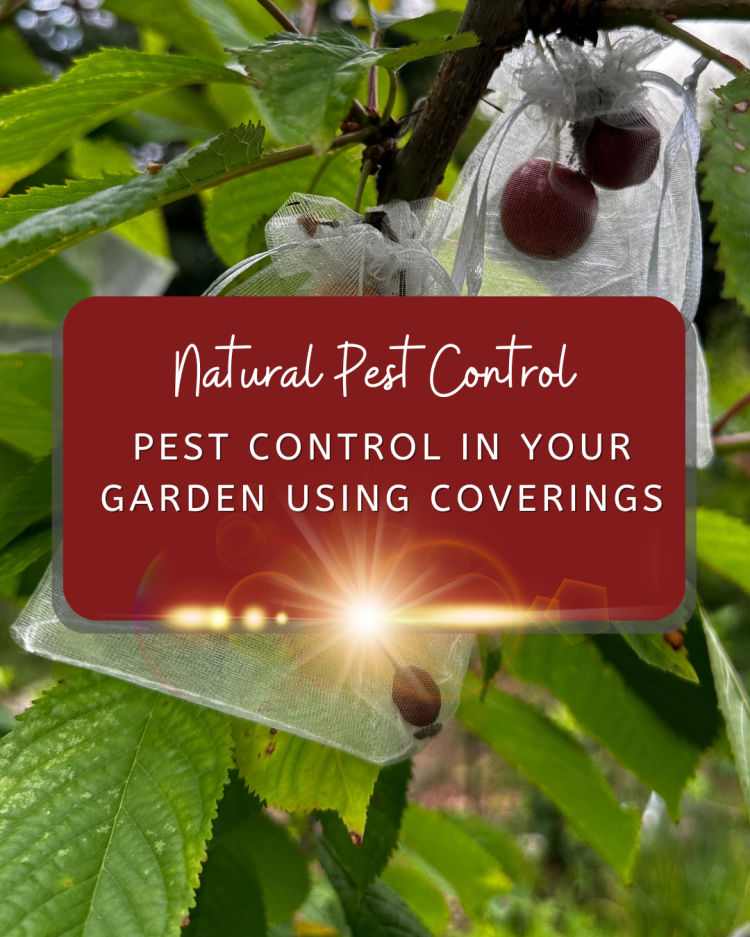
Covering with Nets, Cloches, and Tunnels:
Physical barriers are another effective way to protect your plants from pests while maintaining a chemical-free environment. By covering your crops with nets, cloches, or tunnels, you can prevent pests from reaching them without harming beneficial insects or disrupting the ecosystem. Here’s how to use each method effectively:
Nets: Fine mesh nets can be draped over plants to keep out flying insects like cabbage moths, carrot flies, and whiteflies. Make sure the nets are securely anchored to the ground to prevent pests from finding gaps to sneak through. We use mesh net bags on our soft fruits to help prevent this and old net curtains on our raised beds.
Cloches: Cloches are transparent covers that create a mini-greenhouse environment around individual plants. They provide protection from cold weather, wind, and pests like slugs, snails, and birds. You can make cloches from plastic bottles, glass jars, or specialised materials.
Tunnels: Row covers or tunnels made from lightweight fabric or mesh can be placed over entire rows of crops. These tunnels allow sunlight, air, and water to reach the plants while keeping pests such as caterpillars, beetles, and rodents at bay.
Using these physical barriers requires regular monitoring to ensure proper ventilation and watering, but they offer a safe and effective way to protect your garden.
Natural Pest Control Using Coverings Video Reel
Natural Pest Control Using Sprays
Natural & Friendly Ways To Keep Pests Out Of Your Garden – Spraying
Organic Sprays:
When pests become particularly problematic, organic sprays made from natural ingredients can provide targeted control without harming beneficial insects or contaminating the soil. Here are a few homemade spray recipes you can try:
Garlic Spray: Blend several cloves of garlic with water, strain the mixture, and add a few drops of liquid soap. This repels a wide range of pests, including aphids, beetles, and caterpillars.
Peppermint Spray: Peppermint oil contains compounds that rodents find repulsive, making it an excellent natural deterrent for mice and rats. Fill a spray bottle with water, leaving some space at the top for the essential oil. Add 10-20 drops of pure peppermint essential oil to the water. The exact number of drops may vary depending on the size of your spray bottle and the strength of the oil, shake and spray.
While using anything with dish soap has become popular, this suffocates the pests rather than repels them. Before using any spray, test it on a small area of your plants and wait 24 hours to check for adverse reactions. Additionally, always apply sprays in the early morning or late evening to minimise harm to pollinators.
Incorporating these natural pest control methods into your gardening routine can help you achieve a balance between protecting your plants and preserving the environment. By working with nature rather than against it, you can enjoy a bountiful harvest while promoting biodiversity in your garden.
Building A Food Forest in Scotland. Where We Started In 2019.
Happy Gardening!


Katrina & Clayton and family live in East Ayrshire and share their daily life in the garden on instagram. They practice permaculture principles in the garden, reducing & repurposing waste whenever they can. Katrina shows how home educating in nature has helped Clayton thrive.
Clayton Completed The 2 Grow and Learn Courses with the Royal Caledonian Horticultural Society This Year. Clayton has just turned 17, Autistic, Non Verbal & has been Home Educated for the last 7yrs. Katrina & Peter both hold their PDC Permaculture Design Course from Oregon State University
They featured on BBC Beechgrove Gardens Ep23 2022 and returned in 2023 for an update, Katrina & Clayton are also columnists for ScotlandGrows Magazine, Guest Blog for Caledonian Horticulture as well as working with Gardeners’ World Magazine and many other brands.
They are also Author of the new Children’s Book Series: Clayton’s Garden Journey: Stories of Autism and Gardening. Topics on Growing, Harvesting, Sowing & Composting and 108 Page Weather and Seasons Weekly Gardening Record Book available on Amazon and Kindle.
Listen in on their Guest Podcasts to learn more about them.
Get new content delivered directly to your inbox.
Our Children’s Book Series
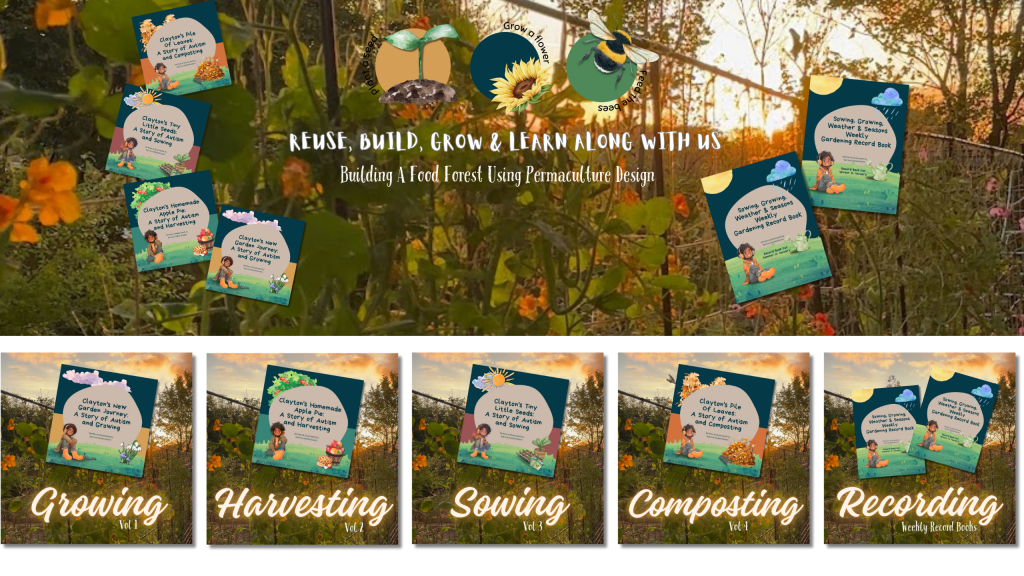
Author of the new children’s book series: Clayton’s Garden Journey: Stories of Autism and Gardening and Sowing, Growing, Weather and Seasons Weekly Gardening Record Book available on Amazon and Kindle
Visit Our Print On Demand Stores
REDBUBBLE STORE -WORLDWIDE
Over 175 Garden & Nature Designs. Coasters, Phone Covers, Bags, Mouse Mats & Much More

Discover more from Building a Food Forest -Scotland
Subscribe to get the latest posts sent to your email.
