
Get Weekly Blogs Straight To Your Inbox

Creating a Pollinator Friendly Garden
As summer blooms across the UK, our gardens become vibrant havens of colour and life. One of the most rewarding aspects of gardening is creating an environment that attracts and supports pollinators like bees, butterflies, and other beneficial insects. These pollinators are essential for the health of our ecosystems, helping plants reproduce and ensuring the availability of fruits, vegetables, and flowers.
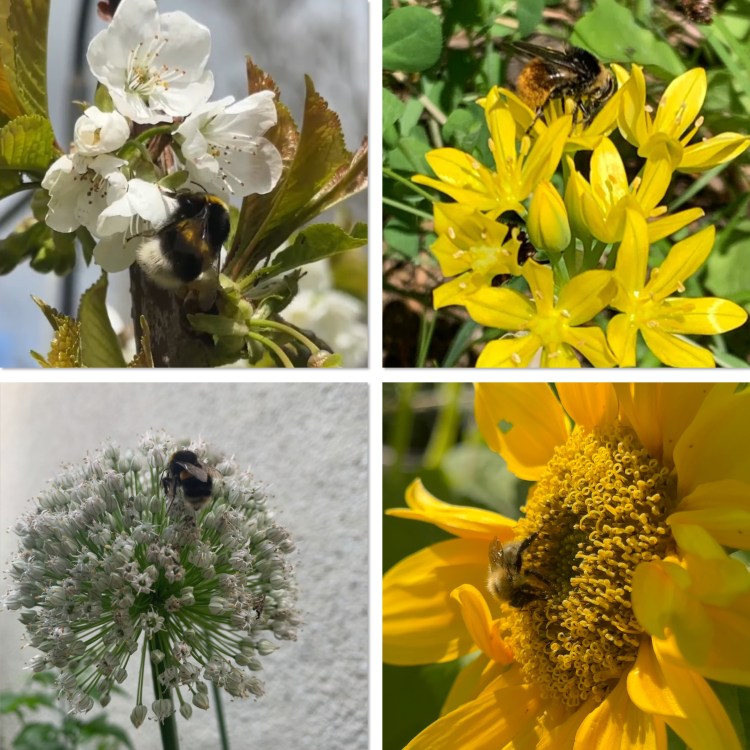
Some bees capture around our garden
Pollinators – Importance

The Importance Of Pollinators
Pollinators are crucial for the reproduction of many plants. In the UK, bees, butterflies, hoverflies, moths, and even some birds play a key role in transferring pollen from one flower to another, facilitating plant fertilisation.
This process is vital for food production and maintaining biodiversity. However, pollinator populations have been declining due to habitat loss, pesticide use, and climate change.
By making our gardens more hospitable to these creatures, we can help support their populations and the broader environment.
Pollinators – Plants

Choosing the Right Plants
A pollinator friendly garden is a diverse selection of plants that provide nectar and pollen throughout the growing season. Here are some top choices for UK gardens:
Lavender: This fragrant herb is a magnet for bees and butterflies. Its long-lasting blooms and easy care make it a garden favorite.
Foxglove (Digitalis): Tall and striking, foxgloves are particularly attractive to bumblebees. They thrive in partial shade, making them versatile garden additions.
Buddleja (Butterfly Bush): As its name suggests, the butterfly bush is irresistible to butterflies. Its long, arching sprays of flowers come in a range of hues.
Echinacea (Coneflower): These robust perennials provide ample nectar and pollen, drawing in bees and butterflies alike.
Thyme: Not only is thyme a useful culinary herb, but its small flowers also attract a variety of pollinators.
Sedum: This succulent plant is particularly attractive to late season pollinators, offering nectar when many other plants have finished flowering.
Chives: The nectar rich flowers are great for pollinating insects, especially bees.
Pollinators – Creating
Planting Strategies for Maximum Impact
Continuous Blooming: Ensure that there are always flowers in bloom from early spring to late autumn. This provides a consistent food source for pollinators throughout their active seasons.
Diverse Planting: Include a variety of plant species to cater to different pollinators. Diversity in plant height, flower shape, and colour will attract a wider range of pollinators.
Cluster Planting: Plant flowers in clusters rather than single plants scattered throughout the garden. Clusters of the same plant type are easier for pollinators to locate and feed on efficiently.
Providing Shelter and Nesting Sites
Pollinators need more than just food, they also require places to live and reproduce.
Bee Hotels: Create or purchase bee hotels to provide solitary bees with a place to nest. These can be made from hollow reeds, drilled wood, or bamboo.
Undisturbed Areas: Leave some parts of your garden a bit wild. Piles of leaves, logs, and undisturbed soil can provide nesting sites for ground nesting bees and other insects.
Hedge and Shrub Planting: Dense hedges and shrubs offer excellent shelter and overwintering spots for many pollinators and other beneficial insects. (Take a look at a our blog: DIY: Dead Hedge- Wildlife Haven, Wind Barrier, and Permaculture Powerhouse)
Creating Water Sources
Pollinators also need water, especially during hot summer days. You can easily provide a water source with these simple methods:
Shallow Water Dishes: Place shallow dishes of water around the garden. Add pebbles or stones for insects to land on and prevent drowning.
Pond Features: Even a small pond can attract a variety of wildlife, including pollinators. Ensure there are gentle slopes or rocks for easy access.
Once your pollinator friendly garden is established, take the time to observe and enjoy the fruits of your labour. Monitor which plants attract the most pollinators and note any new species visiting your garden. This can provide valuable insights for future planting and garden planning.
Pollinators In The Garden Video Reel
Happy Gardening


Katrina & Clayton and family live in East Ayrshire and share their daily life in the garden on instagram. They practice permaculture principles in the garden, reducing & repurposing waste whenever they can. Katrina shows how home educating in nature has helped Clayton thrive.
Clayton Completed The 2 Grow and Learn Courses with the Royal Caledonian Horticultural Society. He is Autistic, Non Verbal & has been Home Educated since 2018. Katrina & Peter hold their PDC & PDC PRO Permaculture Design Course from Oregon State University.
They featured on BBC Beechgrove Gardens Ep23 2022 and returned in 2023 for an update,Katrina & Clayton are also columnists for ScotlandGrows Magazine, Guest Blog for Caledonian Horticulture as well as working with Gardeners’ World Magazine and many other brands.
They are also Author of the new Children’s Book Series: Clayton’s Garden Journey: Stories of Autism and Gardening. Topics on Growing, Harvesting, Sowing & Composting and 108 Page Weather and Seasons Weekly Gardening Record Book available on Amazon and Kindle.
Listen in on their Guest Podcasts to learn more about them.


Get Weekly Blogs Straight To Your Inbox
Our Children’s Book Series
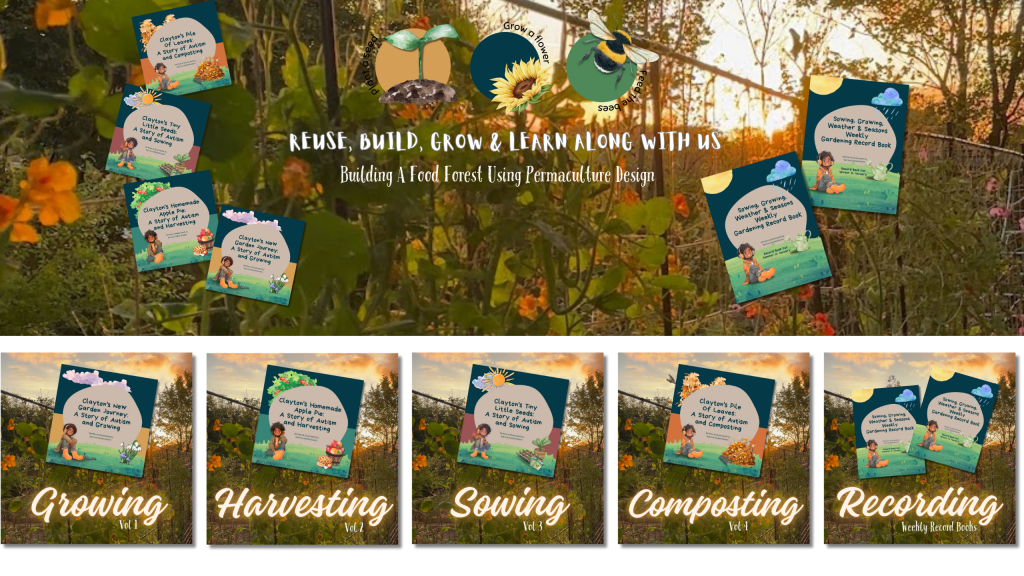
Author of the new children’s book series: Clayton’s Garden Journey: Stories of Autism and Gardening and Sowing, Growing, Weather and Seasons Weekly Gardening Record Book available on Amazon and Kindle
Visit Our Print On Demand Stores
REDBUBBLE STORE -WORLDWIDE
Over 175 Garden & Nature Designs. Coasters, Phone Covers, Bags, Mouse Mats & Much More

Discover more from Building a Food Forest -Scotland
Subscribe to get the latest posts sent to your email.

One thought on “Summer Garden: Creating a Pollinator Friendly Garden”