

Seed Collecting in Autumn: Preserving Your Garden
Autumn is a magical time when gardens transform into a kaleidoscope of colours, with golden leaves and rich hues of red and orange. But beyond its visual beauty, Autumn offers an excellent opportunity to prepare for next year’s gardening season through the rewarding activity of seed collecting.
Why Collect Seeds?
Seed collecting is an essential practice for gardeners who wish to:
- Save Money: Reduce costs by collecting seeds from your garden rather than buying new packets.
- Conserve Biodiversity: Preserve and propagate native plants or heirloom varieties that thrive in your local climate.
- Foster Sustainability: Minimise waste and reduce reliance on commercial seed production.
- Cultivate Personal Connection: Develop a deeper relationship with your garden by nurturing plants from seed to maturity.
Best Plants for Seed Collecting in a Scottish Garden
Scotland’s climate is cool, wet, and often unpredictable look for plants that are hardy and well-suited to local conditions. Some great options include:
1. Wildflowers
- Foxgloves (Digitalis purpurea): Iconic and beloved, foxgloves produce abundant seeds. These biennials are excellent for attracting pollinators like bees.
- Meadowsweet (Filipendula ulmaria): A staple of Scottish wild meadows, its seeds can help rewild areas of your garden.
2. Perennials
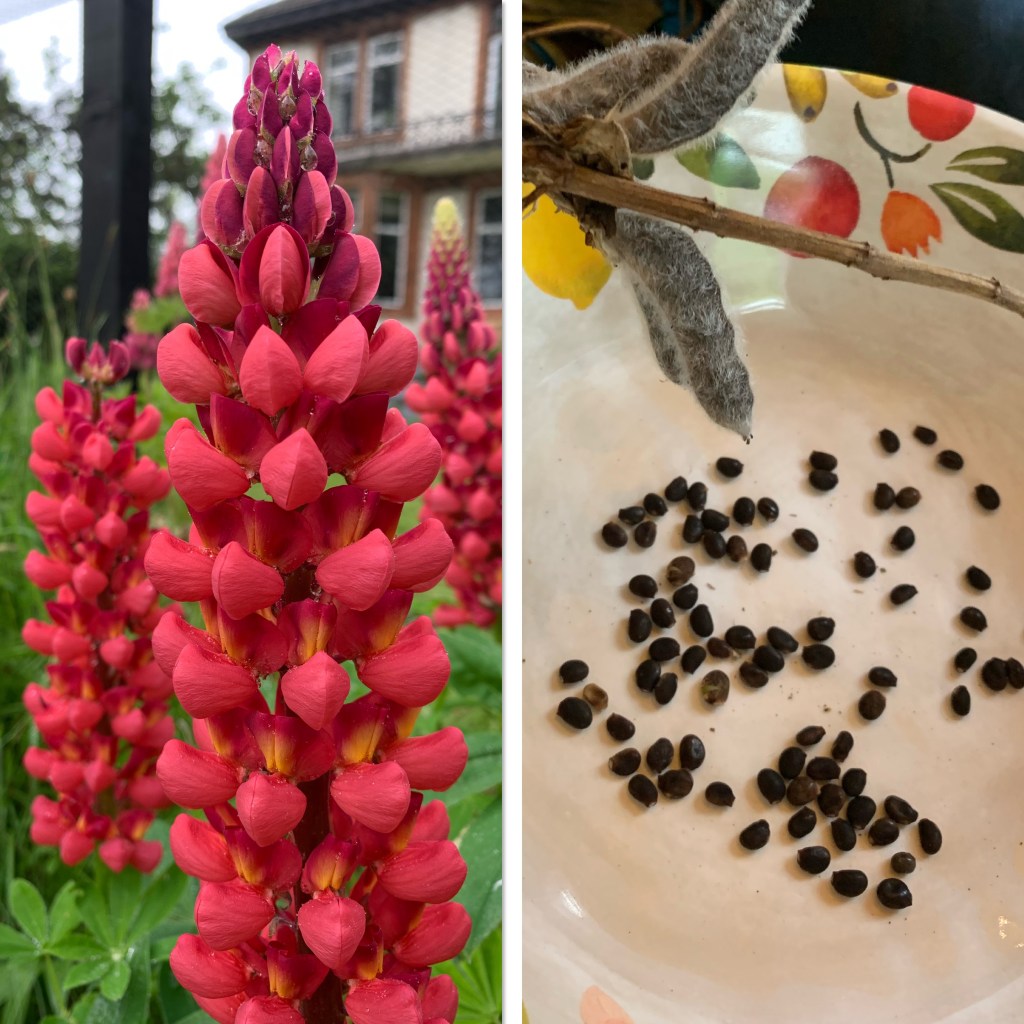
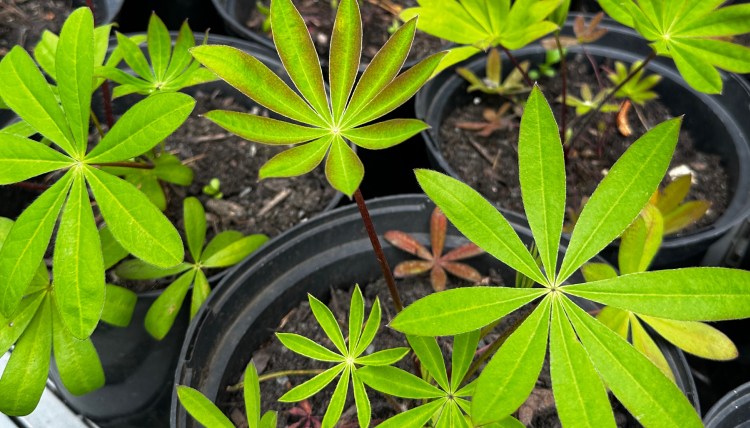
- Lupins (Lupinus spp.): Their colorful spires produce seeds that are easy to collect and store. We grow lupins from previous year’s seeds every year to add around the garden.
- Aquilegia (Aquilegia vulgaris): Known as columbine, this hardy perennial thrives in Scottish gardens and reseeds itself readily.
3. Vegetables
- Broad Beans: Allow a few pods to mature and dry on the plant for seed-saving.
- Leeks: If left to flower, leeks produce seeds that are easy to collect and grow.
4. Herbs
- Parsley: Let it bolt and flower to collect seeds for next year’s herb patch.
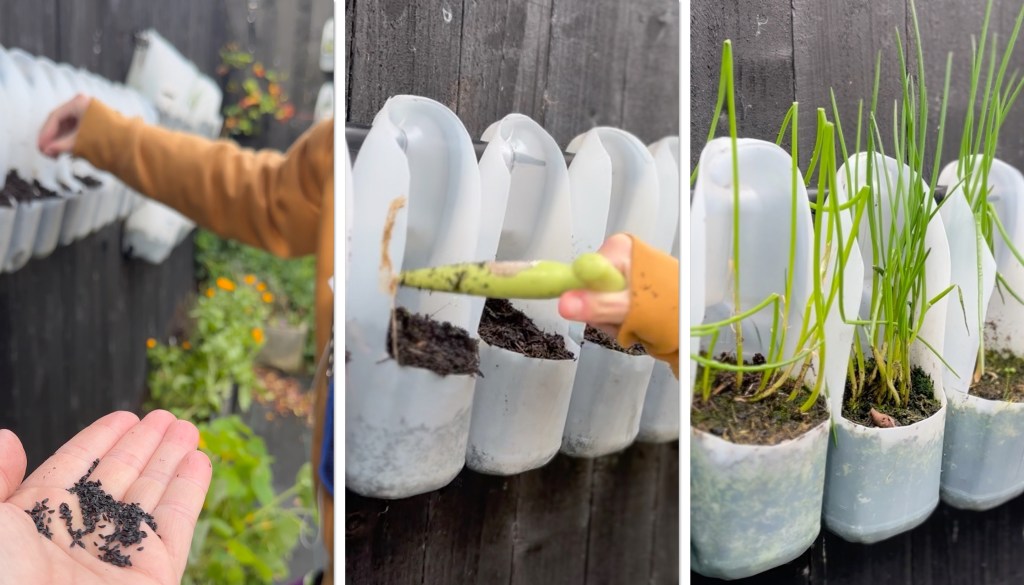
- Chives: Their globular flower heads turn into seed capsules that can be harvested. We collect our chives seeds every year and sprinkle them straight into containers to over Winter and by Spring they are grown ready to plant out

How to Collect Seeds
1. Timing Is Key
Seeds should be collected when they are fully mature. This typically means waiting until the seed pods or flower heads have dried on the plant. In Scotland’s damp climate, it’s essential to monitor the weather and pick a dry day for collecting.
2. Tools and Equipment
- Small scissors or pruners for cutting seed heads.
- Paper bags or envelopes for storage (avoid plastic, as it traps moisture).
- Labels and a marker pen to record plant names and collection dates.
- Gloves, especially when dealing with prickly or toxic plants.
3. Method
- Inspect the Plant: Check for healthy seeds. Avoid seeds from diseased or damaged plants.
- Collect Carefully: Snip seed heads or pods, and place them in a paper bag. Shake the bag gently to release loose seeds.
- Dry Thoroughly: Spread the collected seeds on a tray in a warm, dry, and well-ventilated place to remove residual moisture.
- Clean the Seeds: Remove chaff, debris, or any non-seed material to prevent mould.
4. Label Everything
Proper labeling is crucial. Write the plant name, variety, and date of collection. You’ll thank yourself in the spring when you can easily identify your seeds!

Storing Seeds
To ensure your seeds remain viable until planting season, proper storage is essential:
- Dry and Dark: Keep seeds in a cool, dry place, away from direct sunlight. Moisture is the enemy of longevity.
- Airtight Containers: Use glass jars, seed packets, or envelopes placed inside a sealed box with silica gel packs to absorb moisture.
- Cool Temperatures: Store seeds in a refrigerator for long-term viability, especially for plants like beans and peas.
- Monitor Regularly: Check stored seeds periodically for signs of mould or decay.
Special Considerations for Scottish Gardens
Native Plants
When collecting seeds from native Scottish plants like heather, rowan, or Scots pine, consider the ecological impact. Always leave enough seeds behind for wildlife and natural propagation.
Legal and Ethical Guidelines
- Avoid collecting seeds from protected or endangered species.
- Seek permission when gathering seeds from public land or private property.
Supporting Local Ecosystems
Native plants support local wildlife better than exotic species. By focusing on collecting and propagating native seeds, you contribute to the health of your local biodiversity.
A Sustainable Legacy
Seed collecting is more than a gardening task, it’s a way to preserve the legacy of your garden. By saving and sowing seeds, you contribute to the cycles of life that make gardens flourish, ensuring their beauty endures for generations to come.
This Autumn, as you wander through your garden, take a moment to gather seeds. Each tiny capsule holds the promise of spring a reminder that even as the days grow shorter, life continues to bloom in quiet, hidden ways.

Seed Collecting Activities for the Family
Seed collecting isn’t just practical it’s a fun and educational activity for all ages. Engage children by turning it into a treasure hunt, teaching them about plant life cycles, and encouraging curiosity about the natural world.
Craft Ideas with Seeds
- Make decorative seed packets as gifts for friends.
- Create art using seeds of different shapes and sizes.
Seed Collecting Video Reels
Collecting Chive Seeds
Collecting Nasturtium Seeds
Collecting Coriander Seeds
Collecting Sweet Pea Seeds



Katrina & Clayton and family live in East Ayrshire and share their daily life in the garden on instagram. They practice permaculture principles in the garden, reducing & repurposing waste whenever they can. Katrina shows how home educating in nature has helped Clayton thrive.
Clayton Completed The 2 Grow and Learn Courses with the Royal Caledonian Horticultural Society This Year. Clayton has just turned 17, Autistic, Non Verbal & has been Home Educated for the last 7yrs. Katrina & Peter both hold their PDC Permaculture Design Course from Oregon State University
They featured on BBC Beechgrove Gardens Ep23 2022 and returned in 2023 for an update,Katrina & Clayton are also columnists for ScotlandGrows Magazine, Guest Blog for Caledonian Horticulture as well as working with Gardeners’ World Magazine and many other brands. They are also Authors of the new children’s book: Clayton’s New Garden Journey: A Story of Autism and Growing available on Amazon
Get Weekly Blogs Straight To Your Inbox

Author of the new children’s book series: Clayton’s Garden Journey: A Story of Autism and Gardening and Sowing, Growing, Weather and Seasons Weekly Gardening Record Book available on Amazon
Visit Our Print On Demand Stores
REDBUBBLE STORE -WORLDWIDE
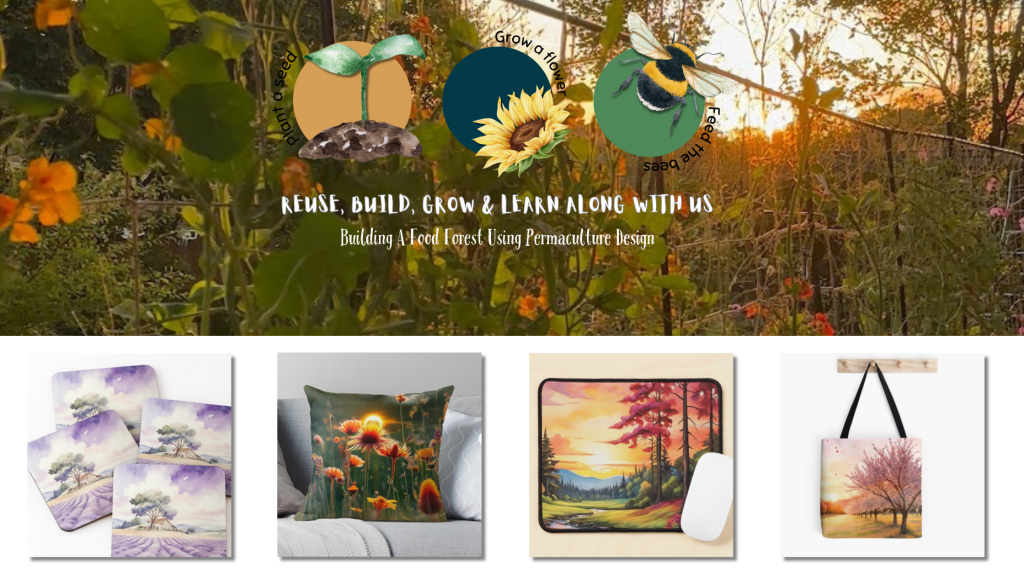
Over 175 Garden & Nature Designs. Coasters, Phone Covers, Bags, Mouse Mats & Much More
ETSY STORE -UK SHIPPING ONLY
Messages of Hope Collection. T-shirts, Tote bags, Mugs


Discover more from Building a Food Forest -Scotland
Subscribe to get the latest posts sent to your email.
