

Get Weekly Blogs Straight To Your Inbox

Creative Ways to Repurpose Household Items for Seed Sowing
Embracing the Permaculture Principle No 6 Produce No Waste
Permaculture is all about working with nature, not against it. A core tenet of this sustainable lifestyle is the no-waste principle, which encourages us to rethink what we consider “rubbish.” Every item in your home has the potential for a second life, and gardening offers endless opportunities to repurpose things we might otherwise discard.
Repurposing everyday items into planters not only reduces waste but also saves money and fosters creativity. Let’s explore how common household items like toilet rolls, juice cartons, and glass jars can be transformed into practical gardening tools.
Using Toilet Rolls as Seed Starters
Why It Works
Toilet rolls are biodegradable and the perfect size for starting seeds. They allow for easy planting without disturbing the roots, as you can plant the entire roll directly into the soil.
How to Use Toilet Rolls for Planting
Prepare the Rolls: We fold ours into square shapes so we can fill our tray tightly to add soil without any going in between and fill a base tray. (if you don’t have a tray anything like a plate/bowl/butter tub works fine. Add some string around if needed to hold the whole group together.
Fill with Soil: Add seed starting mix or light potting soil (normal compost sieved works well too, so it is finer for the seed roots to grow) into the roll.
Plant Your Seeds: Follow seed packet instructions to plant one or two seeds per roll.
Water In: First water in we fully soak the rolls from the top allowing the card to and soil to get wet. After then we bottom water only in the base tray once a week to stop any mould forming.
Monitor Growth: Place the rolls on a tray in a sunny location. When the seedlings are ready to be transplanted, simply plant the entire roll in your garden or larger pot. The cardboard will decompose naturally, enriching the soil.
Eco Bonus: Save the cardboard tubes from paper towels or wrapping paper and cut them into smaller segments for the same purpose.
How To Stop Mould In Your Toilet Roll Tubes When Growing Seeds In Them
Cardboard Milk/Juice Cartons as Versatile Planters
Why It Works
Milk or Juice cartons are sturdy and often lined with a waterproof layer, making them excellent temporary containers for plants. They’re especially useful for deep rooted seedlings that need room to grow before transplanting.
How to Use Cardboard Cartons for Planting
Prepare the Carton: Rinse the carton thoroughly to remove any residue. Use scissors or a knife to cut it to the desired height, leaving enough room for soil and plant growth. We use these 2 ways, as a base tray cutting off the front (you can see this in the mould video above) or as a sleeve cutting both top and bottom off to use them like you would the toilet rolls but so much bigger and longer.
Fill with Soil: Use nutrient rich soil to give your plants a healthy start if you are using them as the sleeve, not if you are using as a base tray to water in for your toilet rolls.
Plant Your Seeds or Seedlings: Sow seeds according to their specific requirements or transfer young plants into the carton. The sleeves work perfect for sweetocorn and make it so easy to transplant.
Using Milk Cartons to Grow and Transplant Sweetcorn Without Causing Any Harm To The Roots.
Glass Jars as Mini Greenhouses
Why It Works
Glass jars retain heat and moisture, creating an ideal environment for germinating seeds or nurturing delicate seedlings. They mimic the conditions of a greenhouse but on a much smaller scale.
How to Use Glass Jars for Mini Greenhouses
Select Your Jar: Any clear glass jar will work pickle jars, jam jars, or even mason jars. The size depends on the plant or seeds you’re working with.
Monitor and Ventilate: Keep an eye on the jar to ensure condensation doesn’t lead to mould. Open the lid occasionally to allow airflow if needed.
Repurposing Household Items To Sow Seeds In, From Items You Would Usually Throw Away
Why Repurposing Aligns with Permaculture Principles
Reducing Waste: By finding new uses for items like toilet rolls, juice cartons, and glass jars, you’re preventing them from ending up in landfills. Every small step contributes to a larger environmental impact.
Closing the Loop: Permaculture encourages a closed loop system where waste from one process becomes the input for another. For example, biodegradable items like toilet rolls break down to nourish the soil, completing the cycle of growth and decay.
Saving Resources: Instead of buying plastic pots or specialised gardening supplies, repurposing what you already have reduces consumption and saves money.
Tips for Success When Repurposing Items for Gardening
Clean Thoroughly: Ensure all items are free of food or chemical residues.
Label Your Plants: Use popsicle sticks, old cutlery, or even painted stones to label your repurposed planters.
Compost What You Can: Once your repurposed items have served their purpose, compost biodegradable materials like cardboard to enrich your soil further.
EXTRA TIP: How To Stop Leggy Seedlings With A DIY Foil Seedling Backdrop On The Windowsill
Gardening with Purpose
Repurposing items for gardening is more than just a fun DIY project, it’s a meaningful way to reduce waste and align your lifestyle with sustainable principles. By giving new life to old items, you not only help the environment but also cultivate a deeper connection to your garden.
So, the next time you’re about to toss a toilet roll, juice carton, or glass jar, think twice. With a little creativity and care, you might just have the perfect planter for your next gardening adventure.
Happy planting and happy repurposing!


Katrina & Clayton and family live in East Ayrshire and share their daily life in the garden on instagram. They practice permaculture principles in the garden, reducing & repurposing waste whenever they can. Katrina shows how home educating in nature has helped Clayton thrive.
Clayton Completed The 2 Grow and Learn Courses with the Royal Caledonian Horticultural Society This Year. Clayton has just turned 17, Autistic, Non Verbal & has been Home Educated for the last 7yrs. Katrina & Peter both hold their PDC Permaculture Design Course from Oregon State University
They featured on BBC Beechgrove Gardens Ep23 2022 and returned in 2023 for an update, Katrina & Clayton are also columnists for ScotlandGrows Magazine, Guest Blog for Caledonian Horticulture as well as working with Gardeners’ World Magazine and many other brands.
They are also Author of the new Children’s Book Series: Clayton’s Garden Journey: Stories of Autism and Gardening. Topics on Growing, Harvesting, Sowing & Composting and 108 Page Weather and Seasons Weekly Gardening Record Book available on Amazon and Kindle. Listen in on their Guest Podcasts to learn more about them.

Get Weekly Blogs Straight To Your Inbox
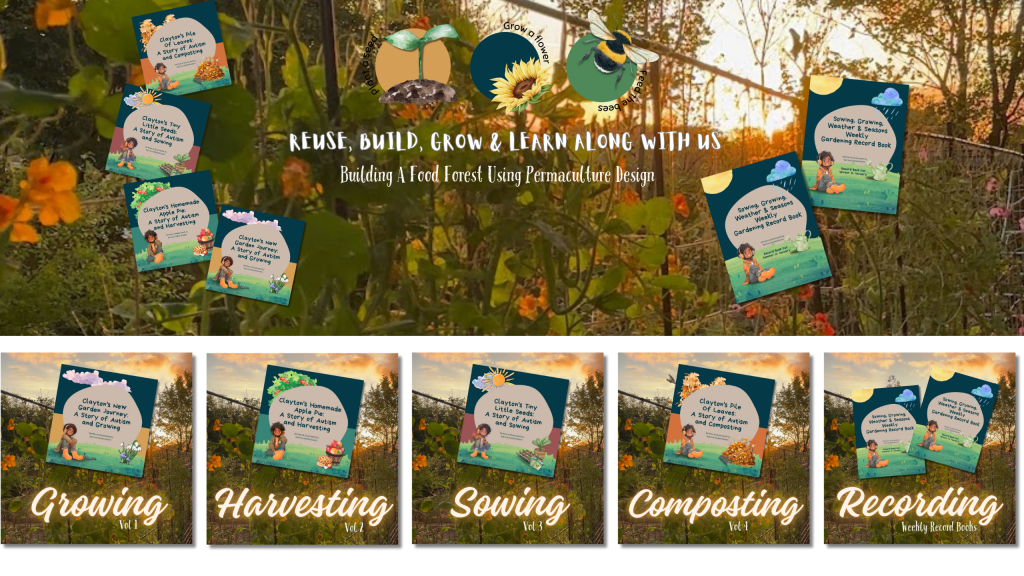
They are also Author of the new children’s book series: Clayton’s Garden Journey: Stories of Autism and Gardening. Topics on Growing, Harvesting, Sowing & Composting and 108 Page Weather and Seasons Weekly Gardening Record Book available on Amazon and Kindle.
Visit Our Print On Demand Stores
REDBUBBLE STORE -WORLDWIDE
Over 175 Garden & Nature Designs. Coasters, Phone Covers, Bags, Mouse Mats & Much More

Discover more from Building a Food Forest -Scotland
Subscribe to get the latest posts sent to your email.
