

Get Weekly Blogs Straight To Your Inbox

What To Sow This Winter To Spring For Natural Pest Control This Summer
Companion Planting for Wildlife and Pest Control
Planning your garden in Winter ensures a head start on supporting wildlife in Summer. Companion planting, a permaculture favourite is a particularly effective way to achieve this.
Companion Planting for Pest Control involves growing plants together to benefit one another, naturally reducing pests and attracting beneficial insects.
What To Sow This Winter To Spring For Natural Pest Control This Summer
Planting pest repelling flowers or herbs in your garden is a natural and effective way to protect your plants without resorting to chemicals. Depending on your location and climate, many pest repelling flowers can be started in Winter or early Spring for an effective summer defence. Here’s a list of our favourite 10 pest repelling flowers you can get ready to plant.
10 Pest Repelling Companion Flowers & Herbs

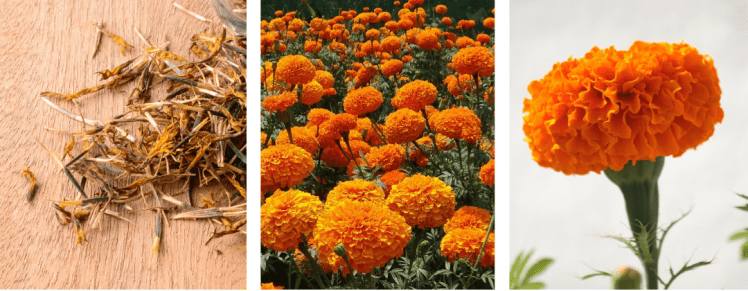
Marigolds
Pests Repelled: Aphids, nematodes, whiteflies, mosquitoes.
Why Plant Them: Marigolds are one of the most effective pest-repelling flowers. Their scent deters a variety of pests, and they release compounds into the soil that repel harmful nematodes.
When and How to Plant: Start seeds indoors in late winter or early spring in seed trays. Transplant seedlings outdoors after the last frost.

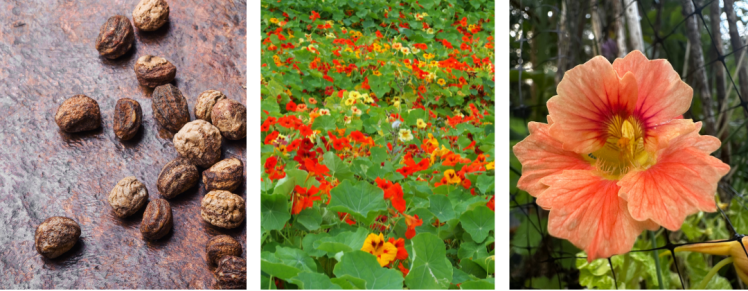
Nasturtiums
Pests Repelled: Aphids, whiteflies, squash bugs, cucumber beetles.
Why Plant Them: Nasturtiums act as a trap crop, luring pests away from vegetables like tomatoes, cucumbers, and squash. They’re also excellent for pollinator attraction.
When and How to Plant: Sow seeds directly in the garden a few weeks before the last frost in mild climates or indoors for colder regions.
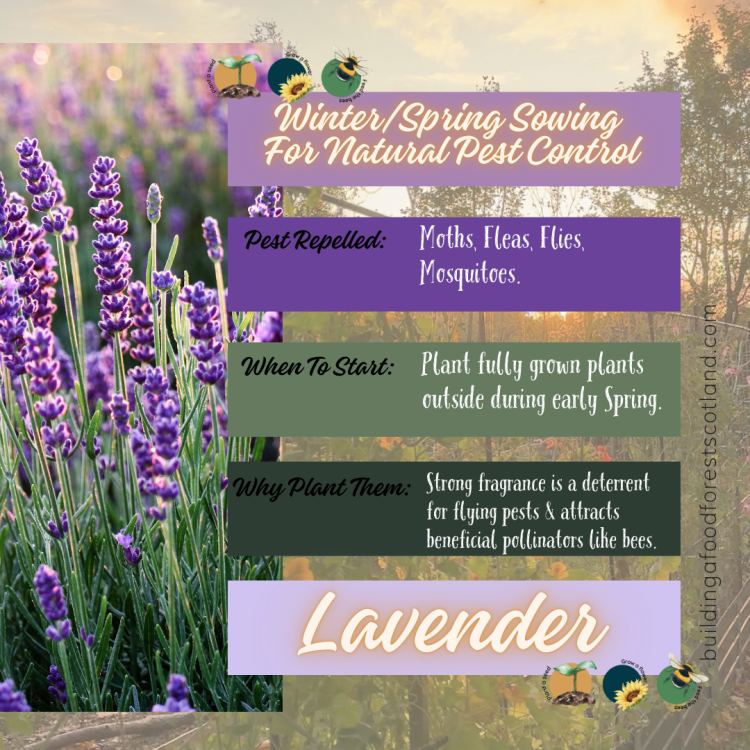
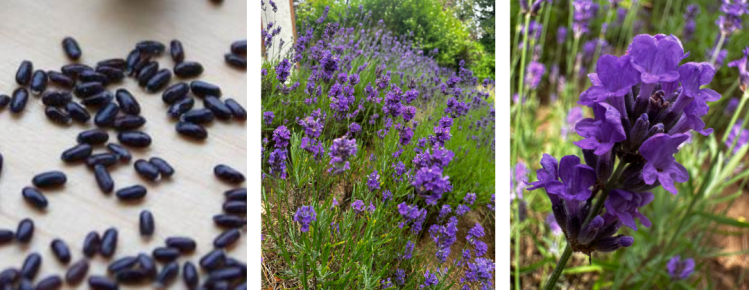
Lavender
Pests Repelled: Moths, fleas, flies, mosquitoes.
Why Plant Them: Lavender’s strong fragrance is a natural deterrent for flying pests, and it attracts beneficial pollinators like bees.
When and How to Plant: In mild climates, plant lavender directly in well draining soil during early Spring. If you are starting from seed indoors in colder areas and transplant after frost risk (cuttings are much easier to propagate)
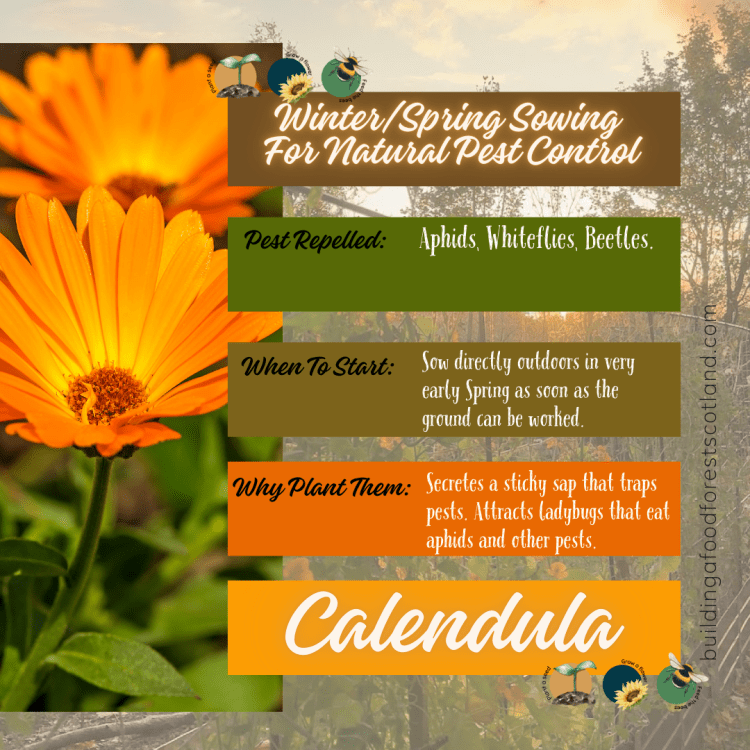

Calendula (Pot Marigold)
Pests Repelled: Aphids, whiteflies, beetles.
Why Plant Them: Calendula secretes a sticky sap that traps pests. It also attracts beneficial insects like ladybugs that eat aphids and other pests.
When and How to Plant: Sow seeds outdoors in late winter or very early spring as soon as the ground can be worked.

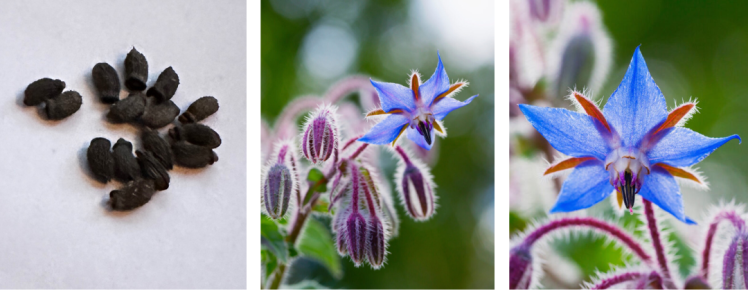
Borage
Pests Repelled: Tomato hornworms, cabbage worms.
Why Plant Them: Borage is a fantastic companion plant for tomatoes, strawberries, and brassicas. Its flowers attract pollinators, and its scent deters certain pests.
When and How to Plant: Sow seeds directly into the garden in early spring or start indoors in late winter.


Dill (Umbel Flowers)
Pests Repelled: Aphids, spider mites, squash bugs.
Why Plant Them: While dill is technically an herb, its small umbrella-shaped flowers are excellent for attracting ladybugs and lacewings, which eat aphids and other pests.
When and How to Plant: Sow seeds directly in the garden in late winter or early spring.


Petunias
Pests Repelled: Aphids, leafhoppers, squash bugs, tomato hornworms.
Why Plant Them: Petunias are a versatile flower that protects a variety of crops, including tomatoes, peppers, and beans.
When and How to Plant: Start seeds indoors 10-12 weeks before the last frost or purchase transplants to plant outdoors after frost risk.
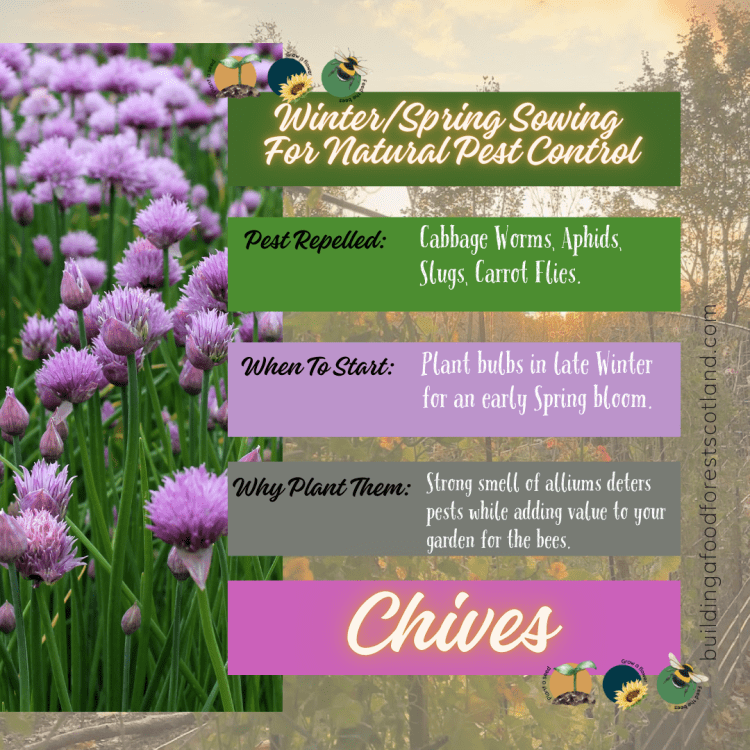

Chives Or Alliums
Pests Repelled: Cabbage worms, aphids, slugs, carrot flies.
Why Plant Them: The strong smell of alliums deters pests while adding ornamental value to your garden. Chives, garlic, and ornamental onions are all great options.
When and How to Plant: Plant bulbs in late winter for an early spring bloom.


Yarrow
Pests Repelled: Aphids, cabbage worms, and other small insects.
Why Plant Them: Yarrow attracts predatory insects like ladybugs and parasitic wasps that naturally control pests.
When and How to Plant: Sow seeds indoors in late winter or plant directly outdoors in early spring.

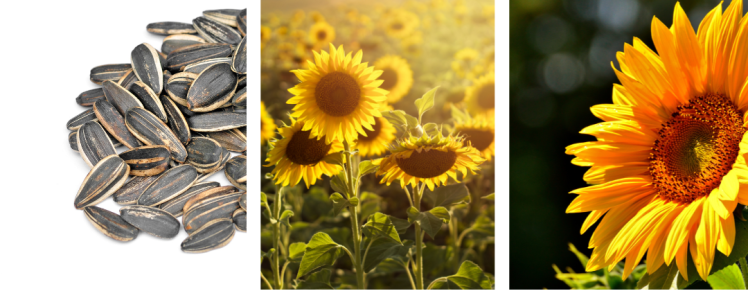
Sunflowers
Pests Repelled: Aphids (trap crop).
Why Plant Them: Sunflowers act as a natural trap crop for aphids, drawing them away from your vegetables. They also provide seeds and habitat for birds, which eat pests.
When and How to Plant: Sow seeds directly outdoors in early spring once the ground is workable.
Tips for Success
Combine Plants: Pair pest repelling flowers with vegetables in your garden to maximise their benefits.
Start Early: Many pest repelling flowers can be started indoors during Winter, giving them a head start for Spring.
Rotate Crops: Use crop rotation with pest repelling flowers to keep pests guessing each year.
Go Organic: Avoid chemical pesticides, which can harm beneficial insects and negate the benefits of your flowers.
By planting these flowers and herbs now or preparing to plant them in early Spring, you’re not only protecting your garden but also creating a vibrant, wildlife friendly space that aligns with permaculture’s principles of balance and sustainability.
Happy Gardening!


Katrina & Clayton and family live in East Ayrshire and share their daily life in the garden on instagram. They practice permaculture principles in the garden, reducing & repurposing waste whenever they can. Katrina shows how home educating in nature has helped Clayton thrive.
Clayton Completed The 2 Grow and Learn Courses with the Royal Caledonian Horticultural Society This Year. Clayton has just turned 17, Autistic, Non Verbal & has been Home Educated for the last 7yrs. Katrina & Peter both hold their PDC Permaculture Design Course from Oregon State University
They featured on BBC Beechgrove Gardens Ep23 2022 and returned in 2023 for an update, Katrina & Clayton are also columnists for ScotlandGrows Magazine, Guest Blog for Caledonian Horticulture as well as working with Gardeners’ World Magazine and many other brands.
They are also Author of the new Children’s Book Series: Clayton’s Garden Journey: Stories of Autism and Gardening. Topics on Growing, Harvesting, Sowing & Composting and 108 Page Weather and Seasons Weekly Gardening Record Book available on Amazon and Kindle. Listen in on their Guest Podcasts to learn more about them.

Get Weekly Blogs Straight To Your Inbox
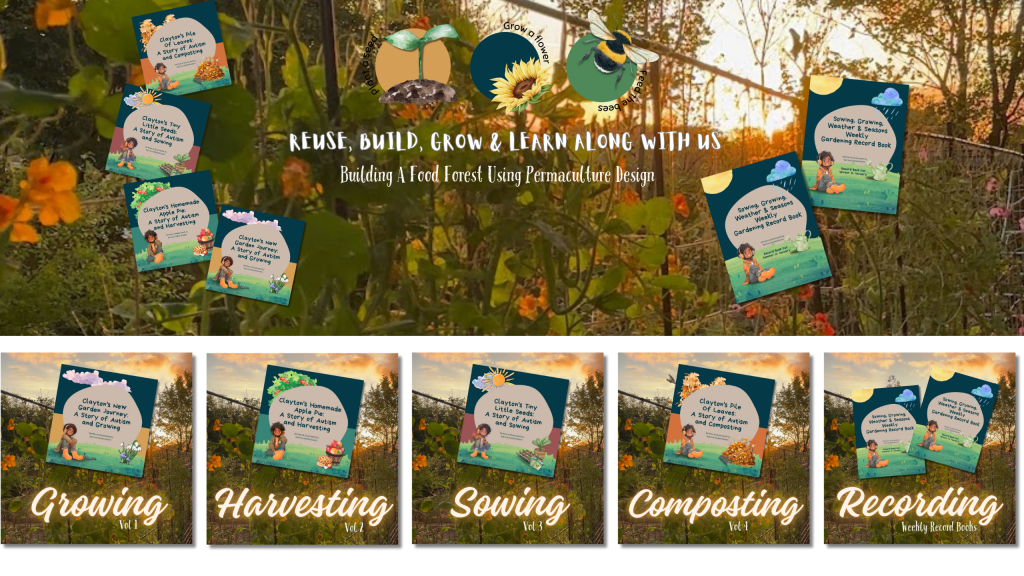
Author of the new children’s book series: Clayton’s Garden Journey: Stories of Autism and Gardening and Sowing, Growing, Weather and Seasons Weekly Gardening Record Book available on Amazon and Kindle
Visit Our Print On Demand Stores
REDBUBBLE STORE -WORLDWIDE
Over 175 Garden & Nature Designs. Coasters, Phone Covers, Bags, Mouse Mats & Much More

Discover more from Building a Food Forest -Scotland
Subscribe to get the latest posts sent to your email.

3 thoughts on “What To Sow This Winter To Spring For Natural Pest Control This Summer”