

Get Weekly Blogs Straight To Your Inbox

Organic Gardening: A No Chemical Approach With A Few Simple Changes.
Choose Not To Use Chemicals In Your Garden
In an era where environmental sustainability is paramount, organic gardening has become more than just a hobby, it is a movement towards self sufficiency and ecological balance. By incorporating permaculture principles and companion planting, you can reduce reliance on fertilisers, create thriving ecosystems, and produce nutrient rich food with a few simple changes.
Understanding Organic Gardening
Organic gardening is a method of growing plants without synthetic fertilisers, pesticides, or genetically modified organisms (GMOs). Instead, it focuses on nurturing soil health, using natural amendments, and fostering beneficial interactions among plants, insects, and microorganisms. The goal is to create a self sustaining system that supports biodiversity and enhances soil fertility.
The Role of Permaculture in Organic Gardening
Permaculture is a design philosophy that seeks to mimic natural ecosystems to create sustainable agricultural and living spaces. It involves 12 principles (we looked at each in depth last year, so head to the Permaculture Principles section if you’d like more info)
- Observe and Interact – Understanding the natural processes in your garden and working with them rather than against them.
- Catch and Store Energy – Maximising sunlight, rainwater, and organic matter for optimal garden productivity.
- Obtain a Yield – Growing food and other resources efficiently while ensuring long term sustainability.
- Apply Self Regulation and Accept Feedback – Continuously learning and adapting gardening practices to improve efficiency.
- Use and Value Renewable Resources – Reducing reliance on external inputs by using natural resources such as compost, mulch, and beneficial insects.
- Produce No Waste – Utilising garden waste for composting, mulching, or other beneficial applications.
- Design from Patterns to Details – Observing natural patterns and replicating them in garden layouts to optimise energy use.
- Integrate Rather than Segregate – Encouraging diverse plants, insects, and microorganisms to support one another.
- Use Small and Slow Solutions – Focusing on gradual improvements and manageable interventions rather than large scale changes.
- Use and Value Diversity – Incorporating various plant species to create resilient ecosystems.
- Use Edges and Value the Marginal – Utilising microclimates and edge effects to maximise productivity.
- Creatively Use and Respond to Change – Adapting gardening techniques to evolving environmental conditions.
By integrating these principles you can create start resilient, productive, and self sustaining gardens.
The Power of Companion Planting
Companion planting is the practice of strategically placing plants together to enhance growth, deter pests, and improve soil fertility. This approach reduces the need for chemical fertilisers and pesticides, making it a cornerstone of organic gardening. (Read more about what we use in blogs Winter/Spring Sowing For Natural Pest Control This Summer and Spring Garden: Companion Planting With Flowers, Herbs and Veg)
Nutrient Enhancement: Certain plants, such as legumes, fix nitrogen in the soil, benefiting neighbouring plants.
Pest Control: Some plants repel pests naturally, reducing the need for chemical insecticides.
Pollination Support: Flowers and herbs attract pollinators, increasing fruit and vegetable yields.
Soil Health Improvement: Deep rooted plants bring up nutrients from deeper soil layers, enriching the topsoil.
Microclimate Creation: Taller plants provide shade and wind protection for smaller, more delicate species.
Why We Use Strawberries As Ground Cover In Our Food Forest
Building Healthy Soil Without Synthetic Fertilisers
Fertile soil is the foundation of a thriving organic garden. Instead of synthetic fertilisers, gardeners can enhance soil health using organic matter and sustainable practices.
Composting
Composting is the process of recycling organic waste into nutrient rich soil amendments. A well balanced compost pile includes: (read more about what we do in blogs Building Resilient Soil: Composting and Mulching and Boost Soil Health with Green Manure As A Cover Crop Over Winter)
Greens (Nitrogen-rich): Grass clippings, vegetable scraps, coffee grounds.
Browns (Carbon-rich): Dried leaves, straw, shredded paper.
Water and Air: Moisture and aeration to encourage decomposition.
Applying compost to garden beds replenishes nutrients, improves soil structure, and promotes beneficial microbial activity.
Mulching
Mulching involves covering the soil with organic materials to retain moisture, suppress weeds, and enhance soil fertility. Common mulches include straw, wood chips, grass clippings, and leaves. As mulch breaks down, it adds valuable nutrients to the soil.
Ways To Use Your Leaves To Mulch Video Reel
Crop Rotation
Rotating crops each season prevents nutrient depletion and reduces pest buildup. A simple rotation plan includes:
Legumes (Beans, Peas) – Fix nitrogen into the soil.
Leafy Greens (Lettuce, Spinach) – Benefit from nitrogen rich soil.
Root Vegetables (Carrots, Beets) – Break up compacted soil and access deeper nutrients.
Fruiting Plants (Tomatoes, Peppers) – Require nutrient rich soil, benefiting from previous rotations.
By rotating crops ensures long term soil fertility and minimise pest issues.
Spring Garden: Soil Health & Condition, How To Test And Support It
Encouraging Biodiversity for a Resilient Garden
A biodiverse garden is more resilient to pests, diseases, and environmental changes. Strategies to enhance biodiversity include: (read more of what we do and Summer Garden: What Is A Guild?)
Planting Native Species – Native plants attract local pollinators and beneficial insects.
Creating Habitat Zones – Incorporating wildflower patches, hedgerows, and ponds to support diverse wildlife.
Encouraging Beneficial Insects – Ladybugs, bees, and lacewings help control pests and improve pollination.
Avoiding Monoculture – Growing a variety of crops reduces the risk of widespread pest infestations and soil depletion.
Building A Food Forest in Scotland. Where We Started In 2019
Showing Other Natural Pest Control Techniques We Use, Bags & Wire Bins.
Water Conservation in Organic Gardening
Efficient water management is crucial in organic gardening. Techniques for water conservation include:
Rainwater Harvesting – Collecting rainwater in barrels for irrigation.
Drip Irrigation – Delivering water directly to plant roots to minimise evaporation.
Mulching – Retaining soil moisture and reducing water needs.
Planting Drought Resistant Crops – Selecting varieties that thrive in low-water conditions.
By implementing these methods can reduce water waste and maintain healthy plants.
Rain Water Harvesting Video Reel
A Holistic Approach to Organic Gardening
Organic gardening, rooted in permaculture principles and companion planting, is a sustainable approach to growing food. By working with nature rather than against it, you can reduce the reliance on fertilisers, enhance soil health, and create thriving ecosystems.
Whether you are a beginner or an experienced gardener, making small changes such as a new companion plant, more mulching or working on your water harvesting, incorporating these practices will help you cultivate a resilient and productive garden while contributing to environmental conservation.
By adopting organic methods, we take a step towards a healthier planet and a more sustainable future. Start small, observe nature, and enjoy the rewards of a flourishing organic garden.
Happy Gardening!


Katrina & Clayton and family live in East Ayrshire and share their daily life in the garden on instagram. They practice permaculture principles in the garden, reducing & repurposing waste whenever they can. Katrina shows how home educating in nature has helped Clayton thrive.
Clayton Completed The 2 Grow and Learn Courses with the Royal Caledonian Horticultural Society. He is Autistic, Non Verbal & has been Home Educated since 2018. Katrina & Peter hold their PDC & PDC PRO Permaculture Design Course from Oregon State University.
They featured on BBC Beechgrove Gardens Ep23 2022 and returned in 2023 for an update, Katrina & Clayton are also columnists for ScotlandGrows Magazine, Guest Blog for Caledonian Horticulture as well as working with Gardeners’ World Magazine and many other brands.
They are also Author of the new Children’s Book Series: Clayton’s Garden Journey: Stories of Autism and Gardening. Topics on Growing, Harvesting, Sowing & Composting and 108 Page Weather and Seasons Weekly Gardening Record Book available on Amazon and Kindle. Listen in on their Guest Podcasts to learn more about them.

Get Weekly Blogs Straight To Your Inbox
Our Children’s Book Series
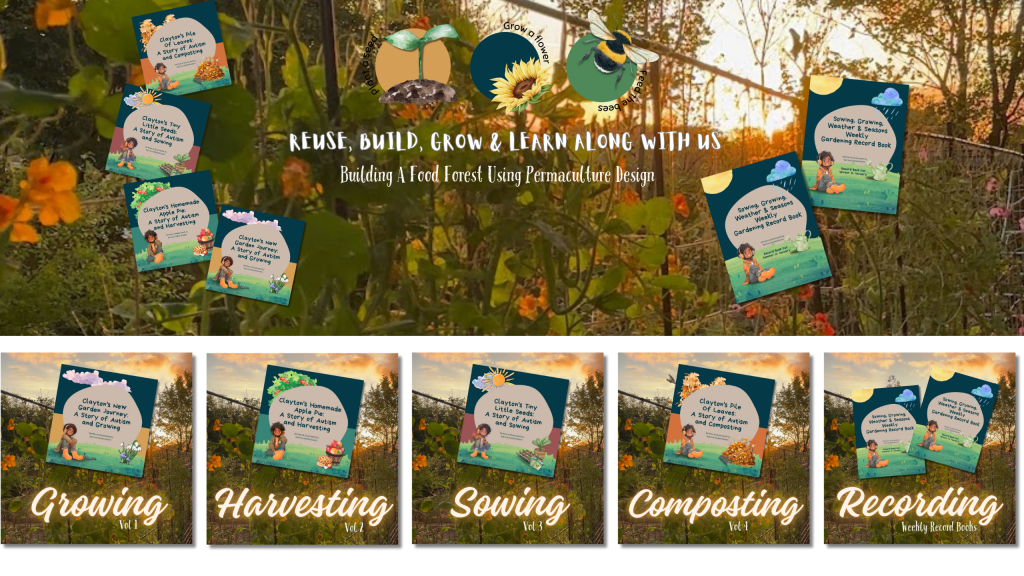
Author of the new children’s book series: Clayton’s Garden Journey: Stories of Autism and Gardening and Sowing, Growing, Weather and Seasons Weekly Gardening Record Book available on Amazon and Kindle
Visit Our Print On Demand Stores
REDBUBBLE STORE -WORLDWIDE
Over 175 Garden & Nature Designs. Coasters, Phone Covers, Bags, Mouse Mats & Much More

Discover more from Building a Food Forest -Scotland
Subscribe to get the latest posts sent to your email.

2 thoughts on “Organic Gardening: A No Chemical Approach With A Few Simple Changes”