

Get Weekly Blogs Straight To Your Inbox

Blind Daffodils: Why They Happen and What You Can Do About Them
Each spring we eagerly await the cheerful yellow blooms of daffodils as a sign that winter has truly passed. But sometimes, you’ll notice that while your daffodil plants produce plenty of lush green foliage, there’s one big thing missing the flowers!! These underperforming daffodils are known as blind daffodils, and they can be a frustrating mystery in the garden.
So why does this happen, and more importantly, what can you do to bring them back to life next year?
What Are Blind Daffodils?
Blind daffodils are daffodil plants that grow healthy looking leaves but fail to produce any flowers. This is surprisingly common, especially in established gardens where bulbs have been growing for many years.
The good news? Most blind daffodils aren’t gone forever. With the right approach, they can be brought back into blooming again.

These are ours that were along a hedging ending receding no sunshine
Why Daffodils Go Blind: 7 Common Reasons
There are several potential reasons your daffodils may be blind. Understanding the root cause is the first step in solving the problem.
1. Overcrowding
Daffodil bulbs multiply underground over time, producing “offsets” small bulbs that grow from the main bulb. After several years, the clump can become overcrowded, and the bulbs begin to compete for light, nutrients, and space. This lack of resources can lead to fewer or no flowers.
2. Lack of Sunlight
Daffodils are sun lovers. If they’re growing in an area that has gradually become shadier perhaps because nearby trees or shrubs have grown larger they may not be receiving enough sunlight to support flower production.
3. Premature Leaf Removal
Daffodil leaves are essential for photosynthesis. After blooming, they need to stay in place for at least 6–8 weeks to absorb sunlight and store energy in the bulb for the following year’s blooms. If you mow over them too early or tie them up for tidiness, you’re cutting their energy supply short.
4. Poor Soil Nutrition
While daffodils aren’t heavy feeders, they still require some nutrients to perform well. If the soil is depleted particularly of potassium, which helps with flower formation the bulbs may produce leaves but no blooms.
5. Drought or Water Stress
Daffodils need adequate moisture while they’re actively growing, especially in early spring and immediately after flowering. A prolonged dry spell or inconsistent watering can cause the plant to conserve energy by skipping flower production.
6. Bulbs Planted Too Shallow
Daffodils should be planted at a depth of about 2-3 times the height of the bulb. If they’re too close to the surface, they can be more vulnerable to temperature fluctuations and drying out, leading to blind plants.
7. New Bulbs That Haven’t Matured
If you’ve recently planted new bulbs and they’re blind their first season, don’t panic. Some bulbs take a year or two to settle in and reach maturity before flowering reliably.
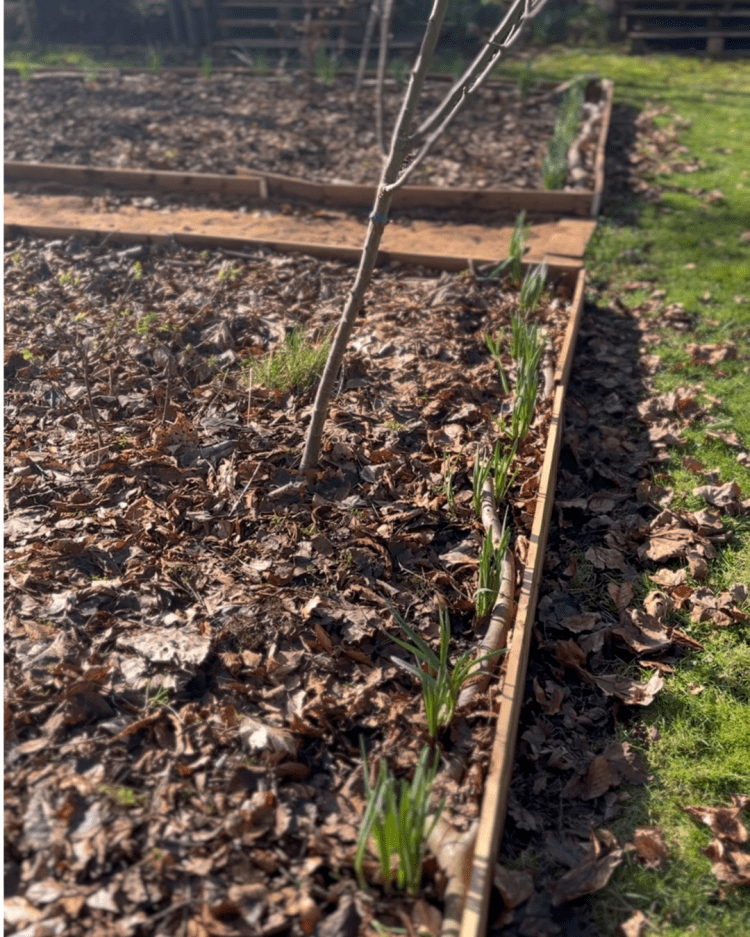

Moved to our food forest edge and the following years all blooming again
What You Can Do to Fix Blind Daffodils
Now that we know the causes, we can start to fix the problem to bring your blind daffodils back to full glory next year.
Lift and Divide Overcrowded Clumps & Re-Plant Bulbs at the Right Depth
Every 3–5 years, it’s a good idea to lift and divide your daffodils, especially if they’ve stopped blooming. The best time to do this is in late spring or early summer, after the foliage has died down and is an easy solution.
If your daffodils are in too much shade, consider relocating them to a sunnier spot. Alternatively, prune nearby trees and shrubs to let more light reach the ground in early spring, before deciduous leaves come out in full force.
When replanting bulbs, aim for about 6 inches (15 cm) deep. If you’re dealing with heavy or clay soil, add grit or compost to improve drainage. This prevents rot and ensures bulbs are well insulated.
Use a garden fork to gently lift the bulbs.
Separate them by hand, keeping the larger bulbs for replanting.
Discard any damaged or mushy bulbs.
Replant the healthy bulbs at the correct depth in a sunny location.
Feed & Water Them Well
Potassium rich tomato feed can support strong flower development. Avoid high-nitrogen fertilisers, which encourage leafy growth at the expense of flowers.
Make sure your daffodils get consistent moisture while they’re growing. In dry springs, a good soak every week or so can make a big difference. Once the foliage dies back, you can stop watering.
Let the Leaves Die Down Naturally & Be Patient With Young Bulbs
As unsightly as the dying foliage may be, it’s vital for future flowers. Don’t tie, braid, or cut the leaves until they’ve turned yellow and flop over naturally. You can plant daffodils alongside perennials that will fill in and hide the dying leaves.
If your daffodils are newly planted and go blind the first year, don’t give up on them. Give them another growing season or two. As long as the leaves are healthy, the bulbs are storing energy for future blooms.

Preventing Blind Daffodils in the Future
Like most gardening problems, blind daffodils are best prevented with some proactive care:
Plant in the right spot: Full sun, well drained soil, and good spacing are key.
Feed annually: A springtime boost of nutrients helps bulbs perform at their best.
Don’t rush the cleanup: Let foliage fade naturally to allow energy storage.
Divide regularly: Every few years, dig and divide to avoid overcrowding.
Mulch wisely: A light mulch in winter can help insulate bulbs, but too much can block light and trap moisture.
Blind daffodils might feel like a gardening failure, but in truth, they’re just a sign that your bulbs need a little attention. With a few simple tweaks, like dividing clumps, adjusting their care routine, and feeding them they will be back blooming again in no time.
Don’t Forget…
To take a photo or tie a ribbon or mark the ones with a stone that will need some care so when all the leaves die back at the end of the season you know which ones it is you are to move.
I’d forgotten to move ours the season before, so as they came up in March, I dug these up and moved them so they had a year of good sun stored in their leaves ready to bloom again the following year. I was very careful to dig round a large amount of soil so not to disturb the roots and just placed clumps of them in place. No doubt in a few years now they are blooming again, those clips will need dividing up again.
Moving Daffodils in 2023 Video Reel
Moving Daffodils Update in 2025 Video Reel
Happy Gardening!


Katrina & Clayton and family live in East Ayrshire and share their daily life in the garden on instagram. They practice permaculture principles in the garden, reducing & repurposing waste whenever they can. Katrina shows how home educating in nature has helped Clayton thrive.
Clayton Completed The 2 Grow and Learn Courses with the Royal Caledonian Horticultural Society. He is Autistic, Non Verbal & has been Home Educated since 2018. Katrina & Peter hold their PDC & PDC PRO Permaculture Design Course from Oregon State University.
They featured on BBC Beechgrove Gardens Ep23 2022 and returned in 2023 for an update, Katrina & Clayton are also columnists for ScotlandGrows Magazine, Guest Blog for Caledonian Horticulture as well as working with Gardeners’ World Magazine and many other brands.
They are also Author of the new Children’s Book Series: Clayton’s Garden Journey: Stories of Autism and Gardening. Topics on Growing, Harvesting, Sowing & Composting and 108 Page Weather and Seasons Weekly Gardening Record Book available on Amazon and Kindle. Listen in on their Guest Podcasts to learn more about them.

Get Weekly Blogs Straight To Your Inbox
Our Children’s Book Series
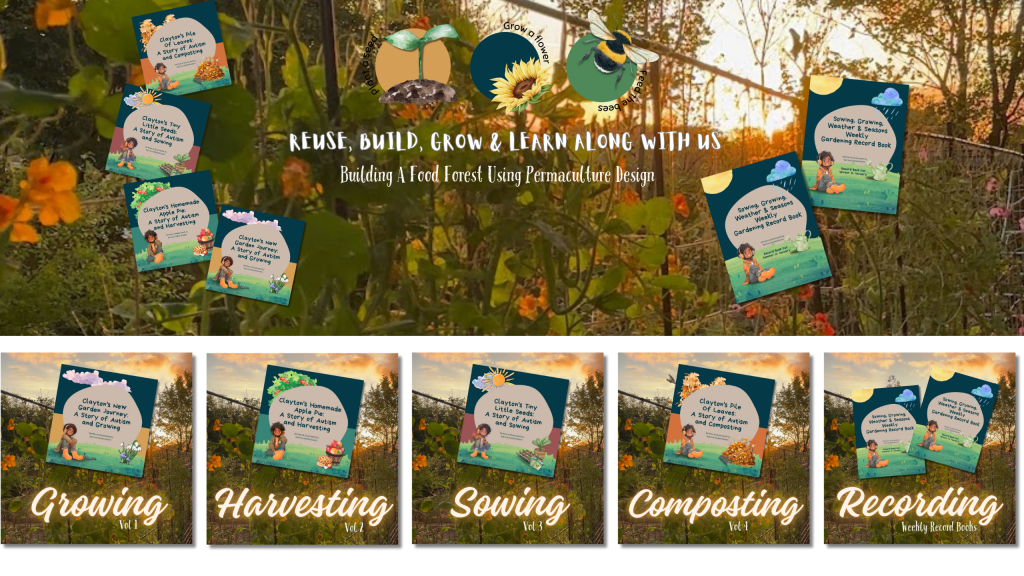
Author of the new children’s book series: Clayton’s Garden Journey: Stories of Autism and Gardening and Sowing, Growing, Weather and Seasons Weekly Gardening Record Book available on Amazon and Kindle
Visit Our Print On Demand Stores
REDBUBBLE STORE -WORLDWIDE
Over 175 Garden & Nature Designs. Coasters, Phone Covers, Bags, Mouse Mats & Much More


Discover more from Building a Food Forest -Scotland
Subscribe to get the latest posts sent to your email.
