

Get Weekly Blogs Straight To Your Inbox

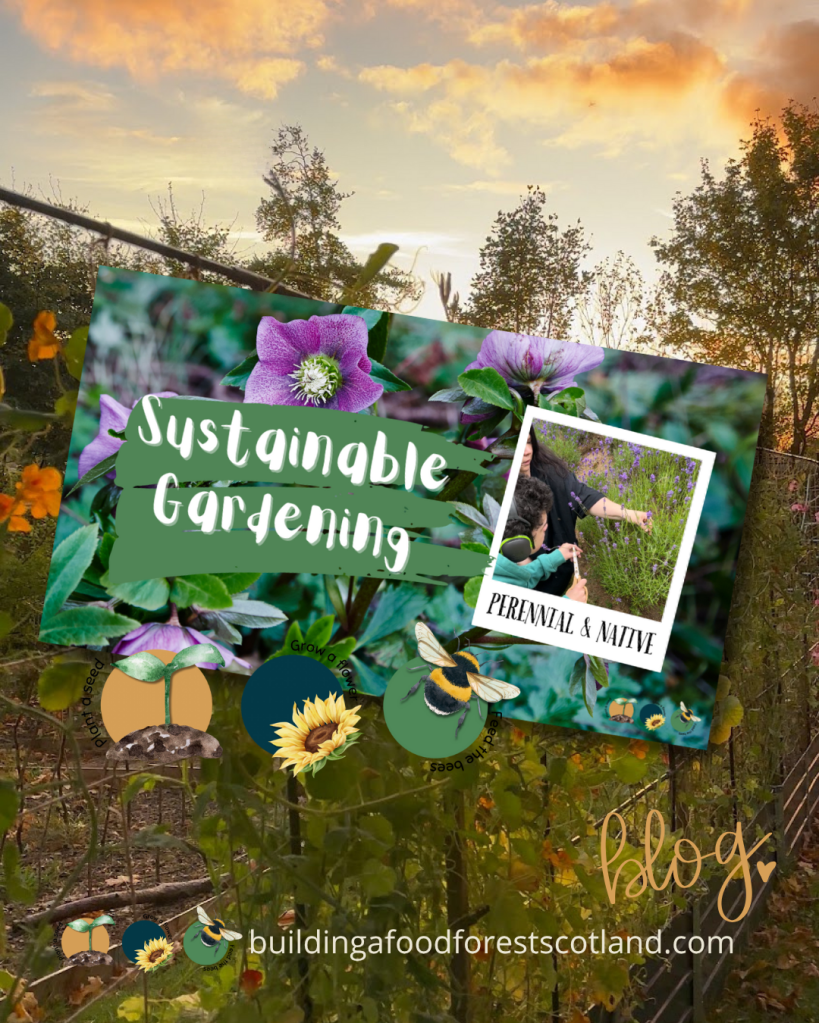
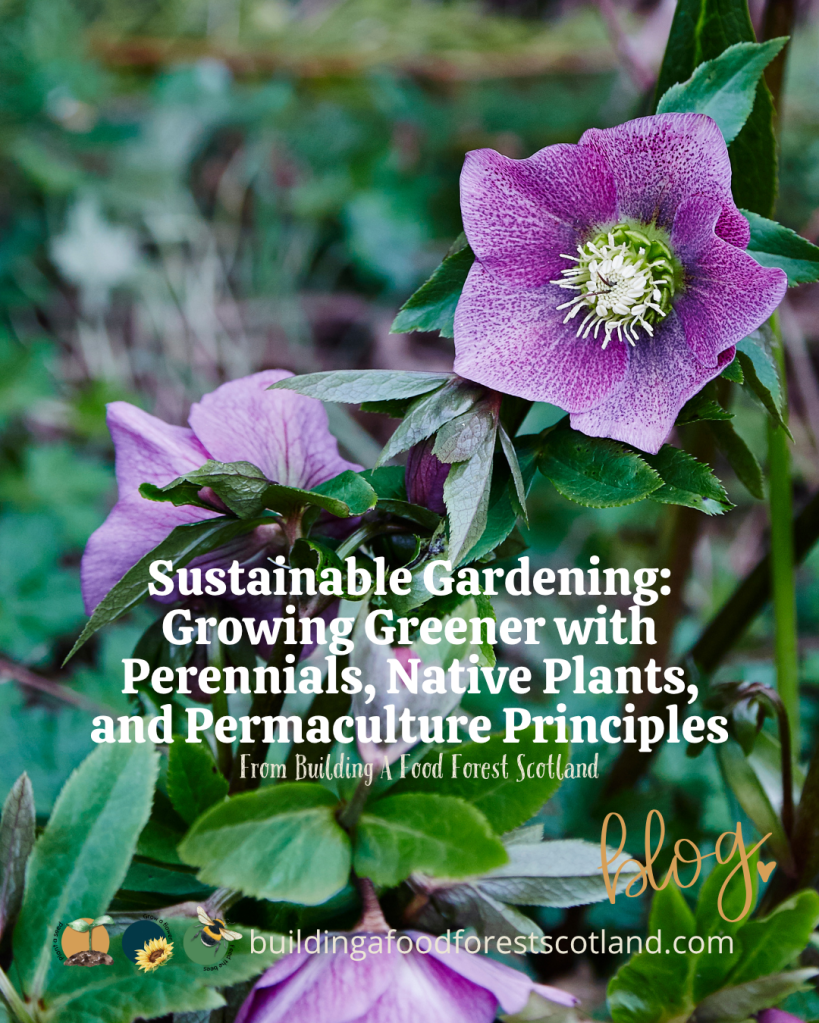
Sustainable Gardening: Growing Greener with Perennials, Native Plants, and Permaculture Principles
As gardeners become increasingly eco conscious, a major shift is taking place in gardens, community gardens, and urban balconies alike. Traditional gardening, often reliant on high maintenance bedding plants, synthetic fertilisers, and excessive watering, is being replaced by more sustainable, resilient practices. Sustainable gardening focuses on working with nature rather than against it, emphasising biodiversity, soil health, and minimal environmental impact.
One of the most significant trends in this green revolution is the transition toward perennial plants, native species, and permaculture inspired garden design. Not only do these practices reduce waste and maintenance, but they also support pollinators, conserve water, and create more self sufficient garden ecosystems.
Rather than treating gardens as decorative spaces that require constant upkeep, sustainable gardening encourages a living, breathing ecosystem. Gardeners are favouring perennials over traditional bedding plants, planting native species, and incorporating fruit and herbs not only for utility but as part of permaculture design, a self sustaining, low maintenance and ecologically beneficial way of growing.
Why Sustainable Gardening Matters
Our gardens are more than aesthetic spaces, they are microcosms of the larger environment. Every gardening choice we make, plant selection, watering habits, soil management has ripple effects on biodiversity, climate change and even human health.
Key reasons to embrace sustainable gardening
Lower carbon footprint: Perennials require less replanting and fewer inputs, reducing greenhouse gas emissions.
Water conservation: Drought tolerant perennials and mulching reduce the need for frequent watering.
Biodiversity: Native plants and pollinator friendly species encourage healthy insect, bird, and animal populations.
Reduced chemical use: Healthy soil biology minimises the need for pesticides and synthetic fertilisers. See our blogs on Companion Planting & Cover Crops
Perennials: The Backbone of a Sustainable Garden
Perennials are plants that live for more than two years. Unlike annuals, which need to be replanted every season, perennials come back year after year, saving effort and resources. They establish deep roots, making them more drought tolerant and better at improving soil structure.
Top 5 Perennial Flowers for UK Gardens
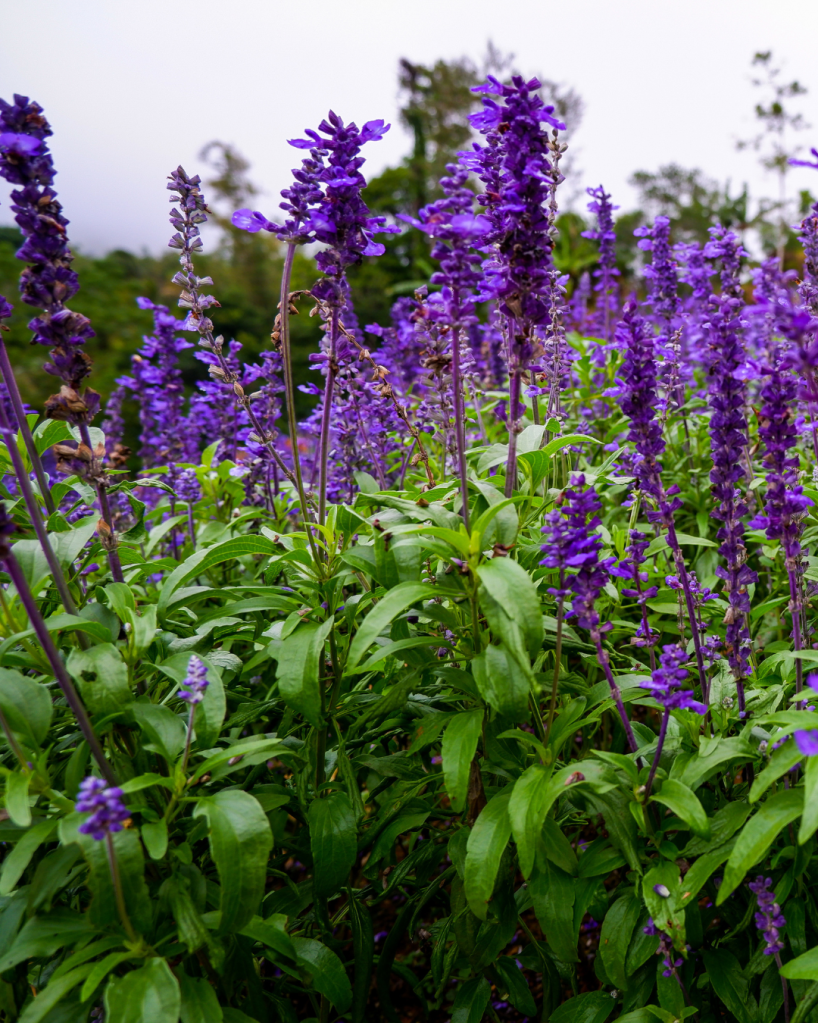
Salvia (Sage)
A standout perennial that attracts a variety of pollinators, including bees, butterflies, and hummingbirds. Thriving in full sun and well draining soil, salvia is highly drought tolerant and requires minimal maintenance once established.
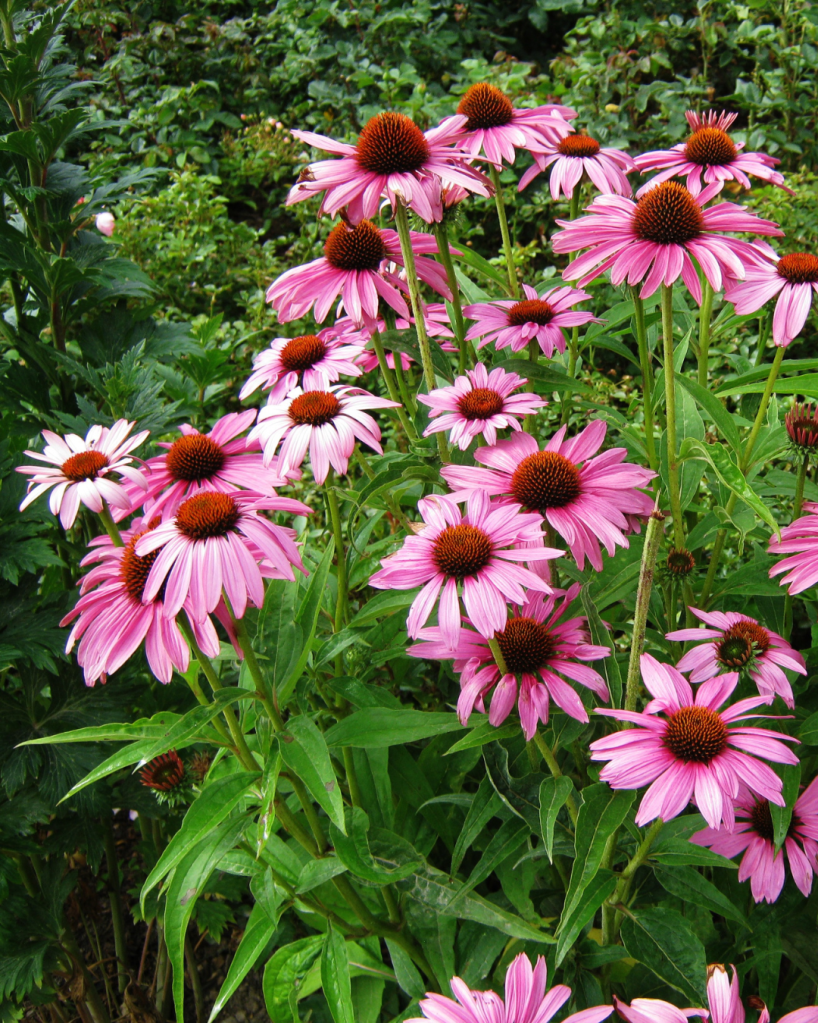
Echinacea (Coneflower)
Popular with bees and butterflies, echinacea adds late summer colour and thrives in well drained soil. Its seed heads also feed birds in winter.
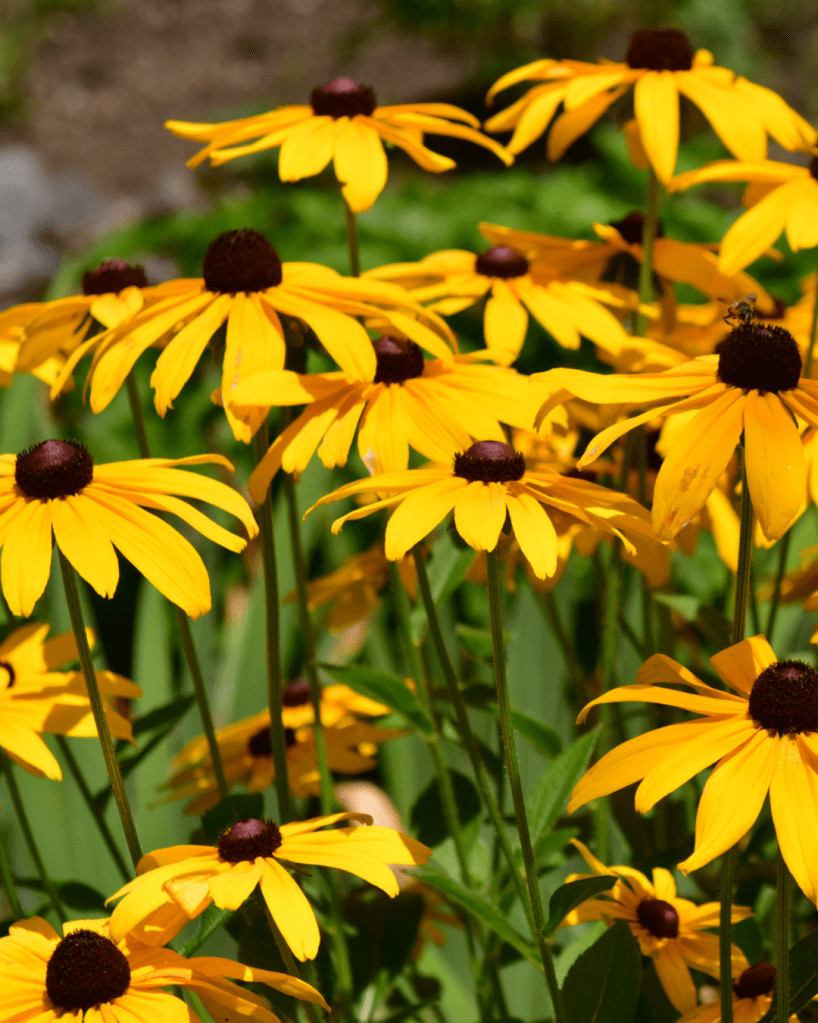
Rudbeckia (Black-eyed Susan)
With cheerful yellow flowers and long bloom time, rudbeckia is perfect for borders and meadow style planting.
Hellebores (Lenten Rose)
Flowering in late winter or early spring, hellebores bring early colour to shady areas and are great companions for woodland plants.

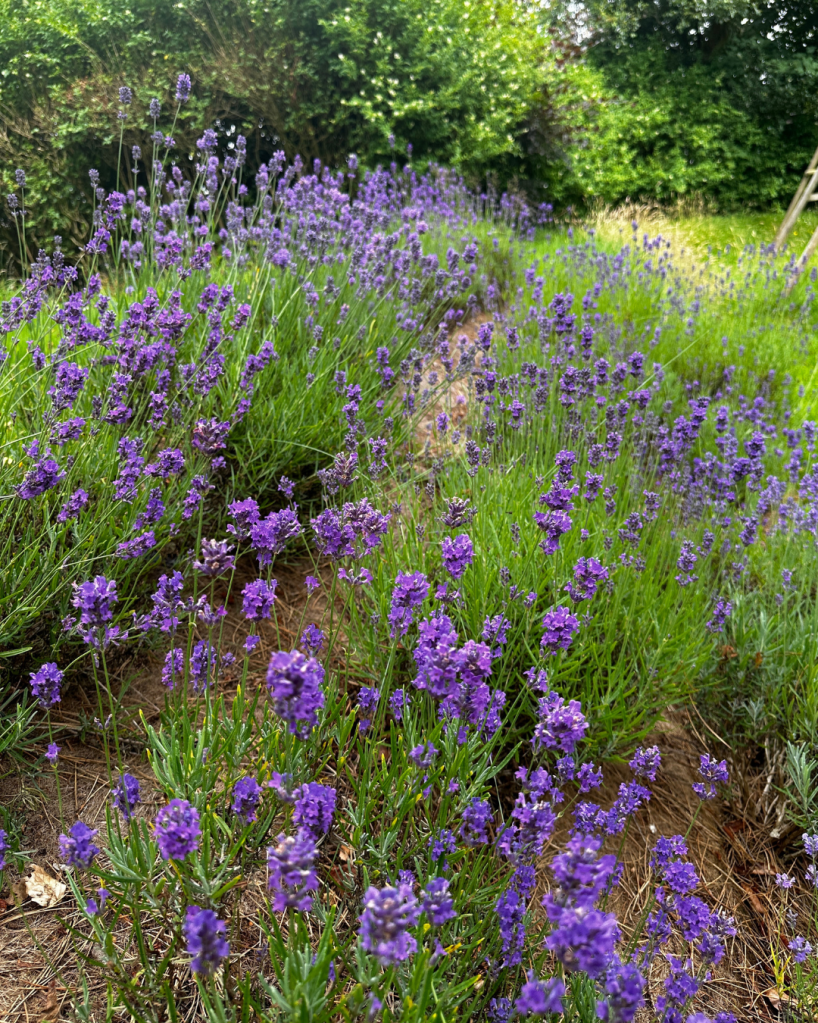
Lavandula angustifolia (English Lavender)
Lavender is a superstar for sustainable gardens drought tolerant, pollinator friendly and beautifully fragrant and is loved by the bees. See our blogs on our Lavender Hedge we grew from seed
Native Species: Supporting Local Ecosystems
Native plants are species that have evolved naturally in a particular area over thousands of years. They are well adapted to the local climate and soil and often require less watering, fertilising and care. Most importantly, they provide food and shelter for native wildlife.
Why Grow Native Plants?
Growing native plants supports pollinators like bees, butterflies, and hoverflies, creates habitats for birds, frogs, and beneficial insects, and improves the ecological resilience of your garden, some excellent native plant choices for UK gardens include:
Primula vulgaris (Primrose): A charming early spring flower.
Achillea millefolium (Yarrow): Loved by pollinators and great for cutting.
Digitalis purpurea (Foxglove): Tall spires of colour that are adored by bees.
Betonica officinalis (Betony): An attractive wildflower with medicinal uses.
Hedera helix (Common Ivy): Excellent for shelter and year round greenery.
You don’t have to go 100% native, but incorporating more native species into your garden will provide meaningful benefits for your local ecosystem. You can also add in some dead hedging for shelter too, even on a small scale to divide a border, see our blog DIY: Dead Hedge- Wildlife Haven, Wind Barrier, and Permaculture Powerhouse
Grow Your Own: Herbs and Fruits for a Productive Permaculture Garden
Sustainable gardening also encourages growing edible plants, especially those that come back year after year. By combining edible and ornamental plants, you create a garden that feeds both your body and your local wildlife.
Perennial Herbs for Easy Maintenance
Rosemary: Evergreen, drought tolerant and wonderful for cooking.
Thyme: Perfect for dry borders and rockeries, with tiny flowers that attract bees.
Chives: Edible flowers and tasty leaves, perfect for edging paths & pest control.
Mint: Vigorous and spreading, best grown in pots. Excellent for teas and cooking.
Sage: Attractive grey green foliage and purple blooms loved by pollinators.
These herbs not only reduce your grocery bill but also contribute to pest control and soil health. Find out more about each of these herbs in our guest blog guides: Guides to the Fruits, Herbs & Edible Flowers We Grow: Cultivation, Care & Harvesting
Add Fruit for Beauty and Utility
Incorporating fruit into your garden doesn’t require an orchard. Many fruits are perfectly at home in ornamental beds or containers and choosing patio fruit trees or fruit trees on dwarf stock varieties keeps them small and manageable.
Strawberries: Can be grown as ground cover or in vertical planters
Raspberries: Summer and autumn varieties extend the harvest season.
Currants (Red, Black, White): Compact and shade tolerant.
Apple and Pear Trees (Espaliered or Dwarf Varieties): Great for small spaces.
Rhubarb: Technically a vegetable, but used like fruit, hardy and striking.
Adding fruit supports the concept of permaculture, where every plant serves multiple functions, beauty, food, shade or wildlife support. See our blog on growing and harvesting our berries that we grow.
Principles of Permaculture in the Garden
Permaculture is a design system based on natural ecosystems. In a garden setting, it means thoughtful planning so that plants, soil, water, and wildlife work together naturally.
Key Permaculture Concepts:
Observe and Interact: Study your space before planting, where is the sun, shade, wind?
Use Edges and Diversity: Incorporate a mix of plants, heights, and microclimates.
Catch and Store Energy: Harvest rainwater, compost food waste, and mulch beds.
Integrate Rather Than Segregate: Companion planting and mixing edibles with ornamentals.
Produce No Waste: Reuse prunings as mulch, compost kitchen scraps, share seeds
A permaculture garden evolves over time, becoming more productive and less demanding as it matures. Explore each of the 12 principles fully in our Permaculture Principles Blogs
Tips for Low Maintenance, Sustainable Gardening
Mulch Heavily: Mulching suppresses weeds, retains moisture and improves soil structure. Use homemade compost, bark chips, or leaf mould. See our blogs on Mulches
Compost Everything You Can: Turn kitchen waste and garden clippings into valuable compost. See our blogs on Compost
Harvest Rainwater: Use water butts and rain chains to reduce reliance on tap water
Ditch Chemical Fertilisers and Pesticides: Use organic alternatives like comfrey tea, seaweed feed or natural predators.
Embrace “Wilder” Spaces: Leave a log pile or a patch of nettles, great for insects and birds.
Sustainable gardening isn’t about sacrificing beauty it’s about redefining it. A garden alive with buzzing bees, fluttering butterflies, thriving herbs and delicious fruits is far more satisfying than a sterile lawn and a few throwaway annuals. By planting perennials, choosing native species, and embracing the principles of permaculture, you’re not just gardening you’re regenerating.
Happy Gardening!


Katrina & Clayton and family live in East Ayrshire and share their daily life in the garden on instagram. They practice permaculture principles in the garden, reducing & repurposing waste whenever they can. Katrina shows how home educating in nature has helped Clayton thrive.
Clayton Completed The 2 Grow and Learn Courses with the Royal Caledonian Horticultural Society. He is Autistic, Non Verbal & has been Home Educated since 2018. Katrina & Peter hold their PDC & PDC PRO Permaculture Design Course from Oregon State University.
They featured on BBC Beechgrove Gardens Ep23 2022 and returned in 2023 for an update, Katrina & Clayton are also columnists for ScotlandGrows Magazine, Guest Blog for Caledonian Horticulture as well as working with Gardeners’ World Magazine and many other brands.
They are also Author of the new Children’s Book Series: Clayton’s Garden Journey: Stories of Autism and Gardening. Topics on Growing, Harvesting, Sowing & Composting and 108 Page Weather and Seasons Weekly Gardening Record Book available on Amazon and Kindle.
Listen in on their Guest Podcasts to learn more about them.
Get Weekly Blogs Straight To Your Inbox
Our Children’s Book Series
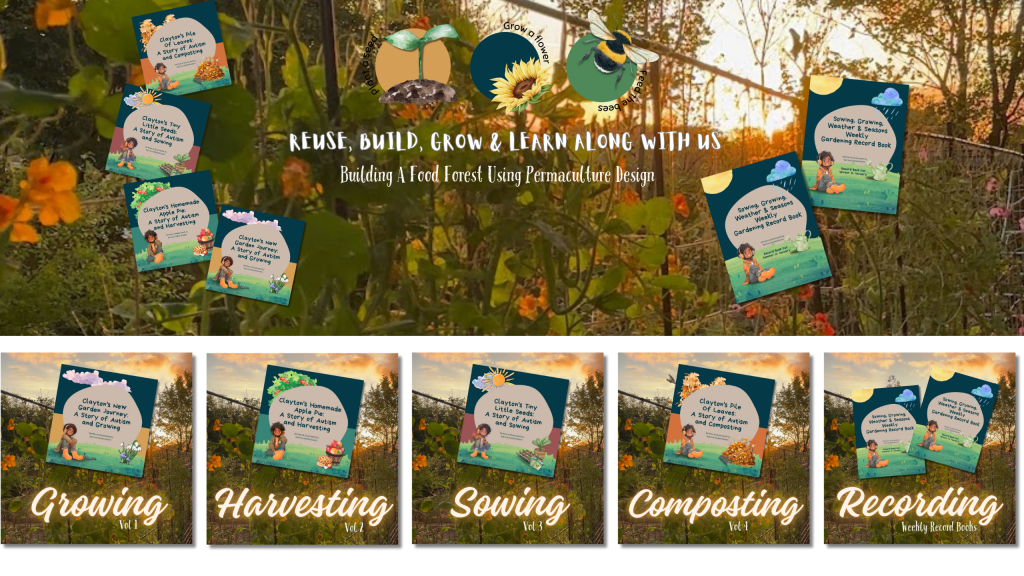
Author of the new children’s book series: Clayton’s Garden Journey: Stories of Autism and Gardening and Sowing, Growing, Weather and Seasons Weekly Gardening Record Book available on Amazon and Kindle
Visit Our Print On Demand Stores
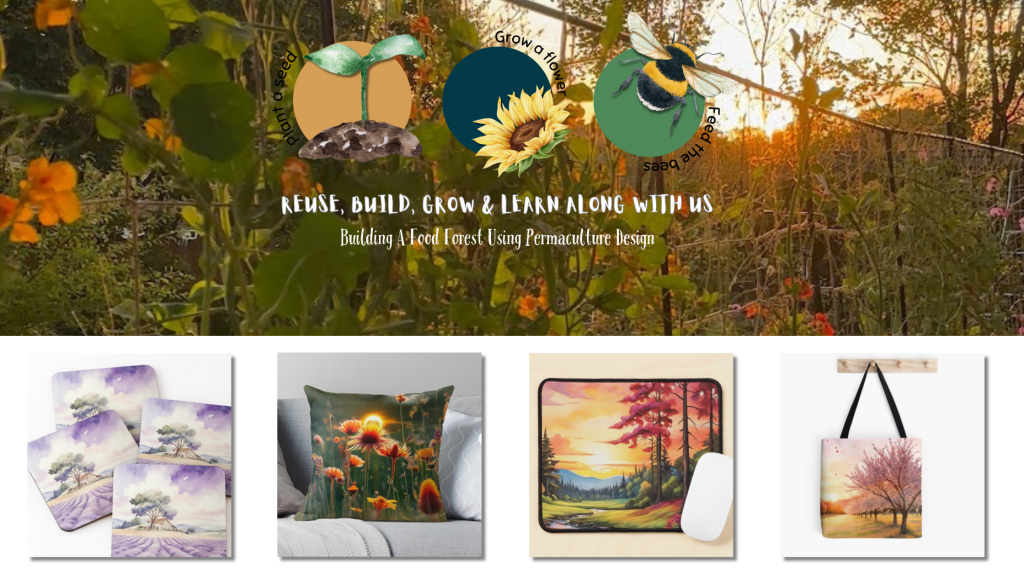
REDBUBBLE STORE -WORLDWIDE
Over 175 Garden & Nature Designs. Coasters, Phone Covers, Bags, Mouse Mats & Much More

Discover more from Building a Food Forest -Scotland
Subscribe to get the latest posts sent to your email.
