

Get Weekly Blogs Straight To Your Inbox

How Often Should I Water My Plants? Full Sun, Partial Shade, and Full Shade Explained
Whether you’re a beginner gardener nurturing your first potted plant or a seasoned green thumb expanding your green space, two of the most common questions are: How often should I water my plants? and What do terms like “full sun” or “partial shade” actually mean? Getting these right can make the difference between a thriving garden and a withering disappointment.
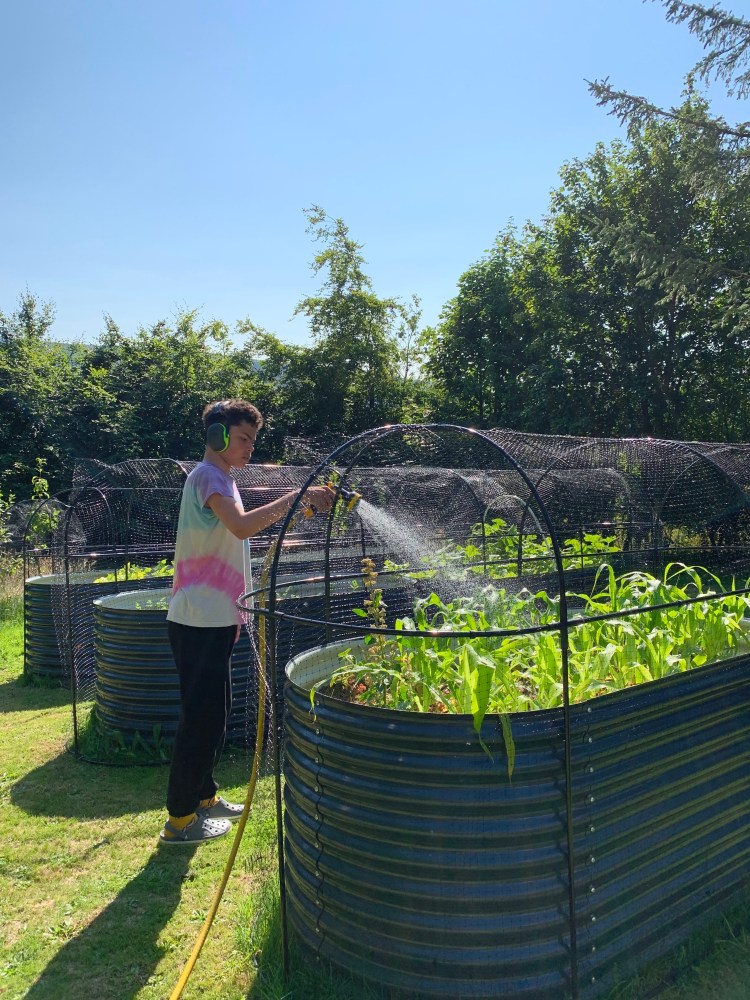
How Often Should I Water?
There’s no single right answer to this question. The ideal watering schedule depends on a mix of factors including plant type, soil, climate, and even the time of year.
Understand Your Plant’s Needs
Every plant has a natural environment it evolved in, and understanding that helps determine how much water it prefers. For example:
Succulents and cacti (native to arid regions): Water every 1–2 weeks or even less during cooler months.
Tropical houseplants (like Monstera or ferns): Prefer consistently moist, but not soggy, soil.
Vegetables and herbs: Typically need regular watering, about 1 inch per week, sometimes more during hot spells.
When you buy or grow your plants, check the care label or do a quick search to understand its preferred watering habits. Not all plants are the same.
Check the Soil, Not Just the Calendar
Instead of watering on a strict schedule, use your finger or a moisture meter to check the soil:
- Stick your finger 1–2 inches into the soil.
- If it feels dry, it’s time to water. If it’s still moist, wait a day or two.
- For succulents, let the soil dry out completely before watering again.
- For moisture loving plants, water when the top inch begins to dry.
Overwatering is more common and more damaging than under watering. Plants need air in the root zone, and too much water can suffocate roots and cause rot. When we grow our plants from seed especially in toilet roll tubes, we use the bottom watering approach, so roots have to reach down for the water like it would in the garden environment and not just sit in water, this creates stronger a root system.
How To Stop Mould In Your Toilet Roll Tubes When Growing Seeds In Them
Account for Climate and Season
Your local environment plays a big role in watering frequency:
Hot and dry climates: Water evaporates faster, so you may need to water daily or every other day, especially for containers.
Humid or cooler climates: Less frequent watering is needed.
Summer: Plants grow actively and need more water.
Winter: Growth slows and most plants need less frequent watering.
Container vs. In Ground Plants
Potted plants dry out faster than those planted in the ground, especially in terracotta pots, which are porous. You might need to water containers every day during summer heat waves, while in ground plants might go several days between waterings.
Mulch Can Help
Adding mulch around your plants (in ground or in pots) helps retain soil moisture and reduces how often you need to water. It also keeps roots cooler and suppresses weeds. See blog post of different types of mulches: Mulch in Gardening: What It Is, Why It’s Used and How to Choose the Right Type
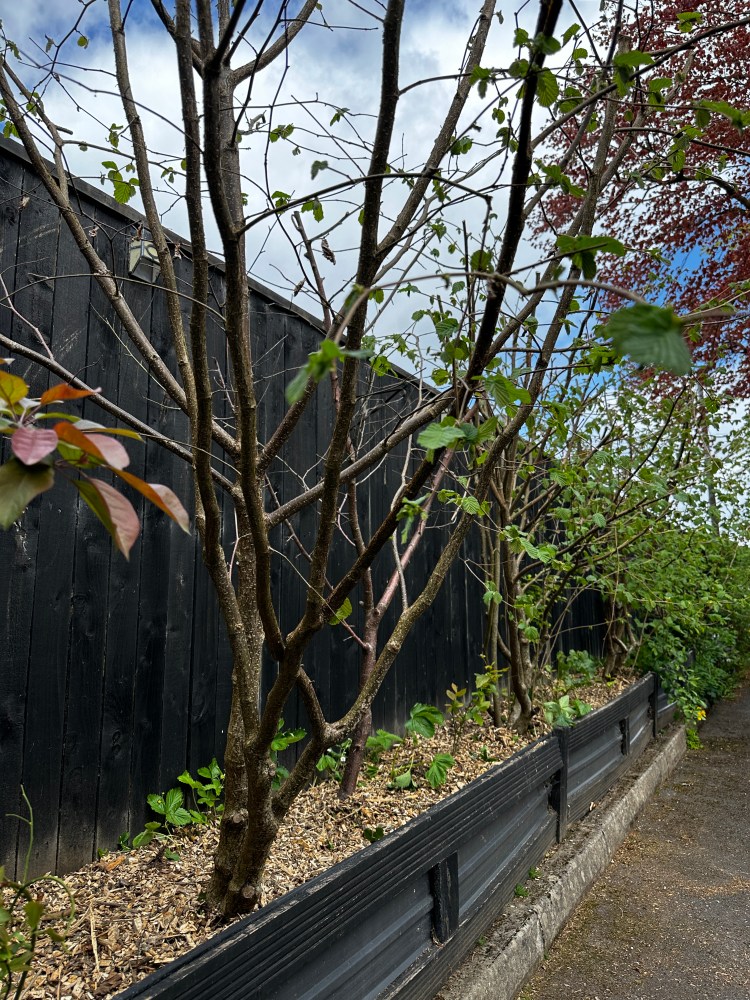
Why Using Deep Watering Methods Are Beneficial
What Is Deep Watering?
Deep watering means applying water slowly and thoroughly so that it penetrates several inches into the soil typically 6 to 12 inches deep, depending on the plant.
Benefits:
Encourages deep root growth, making plants more drought tolerant.
Promotes healthier, stronger plants over time
Reduces the need for frequent watering.
When to Use:
Trees, shrubs, and perennials.
Vegetable gardens.
Lawns and large garden beds.
During dry spells or when establishing new plants.
How to Deep Water:
Use a soaker hose, drip irrigation, or water slowly with a regular hose at the base of the plant.
Water until the soil is moist to 6–12 inches deep (you can check with a stick, trowel, or moisture meter).
Typically needed 1–2 times per week, depending on weather and soil type.
Deep vs. Shallow Watering
| Feature | Deep Watering | Shallow Watering |
|---|---|---|
| Water penetration | 6–12 inches deep | 1–2 inches deep |
| Frequency | Less frequent (1–2 times/week) | More frequent (daily or every other day) |
| Root development | Encourages deep, strong roots | Encourages weak, shallow roots |
| Best for | Trees, shrubs, vegetables, lawns | Seedlings, small containers |
| Tools | Soaker hose, drip system, slow hose flow | Spray nozzle, light watering can |
What’s the Best Time of Day to Water Plants?
The best time of day to water your plants is early in the morning, ideally between 5 AM and 9 AM. During these hours, the temperature is cooler and the sun is not yet strong enough to cause rapid evaporation. This means more water reaches the roots, where it’s actually needed. Morning watering also gives the foliage time to dry during the day, which helps prevent fungal diseases, mildew, and rot.
Watering in the evening (after 6 PM) is your second best option, especially during summer if mornings aren’t practical. While the cooler evening air also reduces evaporation, moisture can linger on leaves and soil surfaces overnight. This can create a damp environment that encourages fungi, slugs, or root rot, especially in humid climates. If you water in the evening, aim to water the base of the plant, keeping the leaves dry.
Avoid watering in the middle of the day when the sun is at its peak. Not only is it inefficient, much of the water evaporates before it penetrates the soil but sudden temperature changes (cold water on hot soil or leaves) can stress the plant.

What Do Full Sun, Partial Shade, and Full Shade Mean?
These common plant tags are shorthand for how much sunlight a plant needs each day. Understanding these terms is crucial for placing your plants where they’ll be happiest.
How to Observe Your Space
Spend a day observing your garden or patio to track sunlight movement: Check out Permaculture Principles Permaculture Principle No. 1: “Observe and Interact” and Permaculture Principle No. 2: “Catch and Store Energy”
- Take note of where the sun hits at different times (early morning, noon, afternoon).
- Mark out which areas get how many hours of sun.
- Match your plant’s needs with the right spot.
Example: If you have a balcony that gets direct morning sun from 8 AM to 11 AM, then shade in the afternoon, that’s a great partial sun/partial shade area.
Full Sun (6 or more hours of direct sunlight per day)
Plants labeled “full sun” thrive in bright, direct sunlight for at least 6–8 hours a day. Think of a south facing yard or garden bed that gets light all day without much interruption.
Examples: Tomatoes, lavender, roses, most herbs (like basil, rosemary), sunflowers.
Warning: Full sun in a hot climate (especially in summer) can be intense. Some “full sun” plants may benefit from afternoon shade in extremely hot regions.

Partial Sun / Partial Shade (3 to 6 hours of sunlight per day)
This category is a little trickier because “partial sun” and “partial shade” are often used interchangeably, but there’s a subtle difference:
Partial sun means the plant needs at least 3–6 hours of sun, and would benefit from a bit more if possible especially morning sun.
Partial shade suggests the plant needs sun, but too much can stress it especially in the hot afternoon.
The key here is balance: a spot with morning sun and afternoon shade is ideal for many plants in this category.
Examples: Hydrangeas, coleus, impatiens, begonias, lettuce.
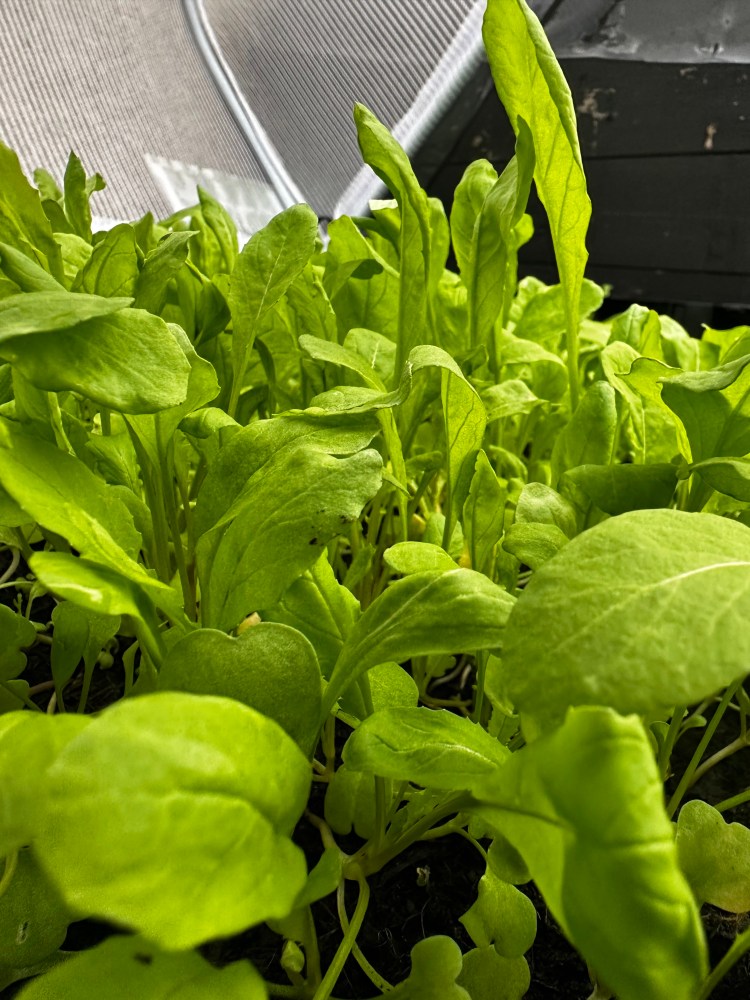
Full Shade (Less than 3 hours of direct sunlight per day)
Full shade doesn’t mean no light just little or no direct sun. These spots still get ambient or filtered light, such as under dense tree canopies or on the north side of buildings.
Examples: Ferns, hostas, caladiums, some ivy.
Tip: Even full shade plants need light. Total darkness (like inside a closet or under a dense deck) isn’t suitable for any plant unless it’s a mushroom.

Quick Reference Table
| Sunlight Label | Daily Sunlight Needed | Ideal Placement |
|---|---|---|
| Full Sun | 6+ hours of direct sunlight | Open yards, south facing gardens |
| Partial Sun | 3–6 hours (more is better) | East facing spots, filtered afternoon sun |
| Partial Shade | 3–6 hours (less intense sun) | Morning sun, afternoon shade |
| Full Shade | Less than 3 hours of direct sun | North sides, under trees, deep porches |
Healthy gardening doesn’t require a perfect schedule. It’s about attention, observation and small adjustments. Get these basics right, and you’ll be amazed at how much greener your space can become whether it’s a garden space, a windowsill or a few pots on the balcony.
Happy Gardening!


Katrina & Clayton and family live in East Ayrshire and share their daily life in the garden on instagram. They practice permaculture principles in the garden, reducing & repurposing waste whenever they can. Katrina shows how home educating in nature has helped Clayton thrive.
Clayton Completed The 2 Grow and Learn Courses with the Royal Caledonian Horticultural Society. He is Autistic, Non Verbal & has been Home Educated since 2018. Katrina & Peter hold their PDC & PDC PRO Permaculture Design Course from Oregon State University.
They featured on BBC Beechgrove Gardens Ep23 2022 and returned in 2023 for an update, Katrina & Clayton are also columnists for ScotlandGrows Magazine, Guest Blog for Caledonian Horticulture as well as working with Gardeners’ World Magazine and many other brands.
They are also Author of the new Children’s Book Series: Clayton’s Garden Journey: Stories of Autism and Gardening. Topics on Growing, Harvesting, Sowing & Composting and 108 Page Weather and Seasons Weekly Gardening Record Book available on Amazon and Kindle.
Listen in on their Guest Podcasts to learn more about them.
Get Weekly Blogs Straight To Your Inbox
Our Children’s Book Series
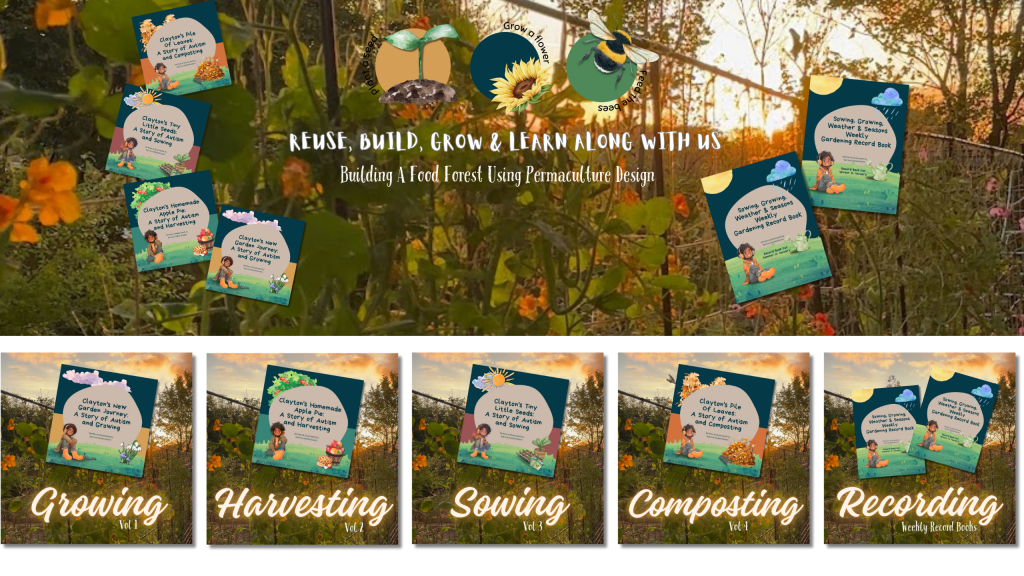
Author of the new children’s book series: Clayton’s Garden Journey: Stories of Autism and Gardening and Sowing, Growing, Weather and Seasons Weekly Gardening Record Book available on Amazon and Kindle
Visit Our Print On Demand Stores
REDBUBBLE STORE -WORLDWIDE
Over 175 Garden & Nature Designs. Coasters, Phone Covers, Bags, Mouse Mats & Much More


Discover more from Building a Food Forest -Scotland
Subscribe to get the latest posts sent to your email.
