

Get Weekly Blogs Straight To Your Inbox

The History of British Lawns: From Wealth and Power to Everyday Gardens
When you picture a traditional British garden, chances are you see a neatly mown green lawn. Lawns have become such a fixture of everyday life that many of us never question them. Yet lawns are surprisingly impractical, they require mowing, feeding, and watering, and they don’t produce food or flowers.
So why do British homes have lawns at all? The answer lies in history, class, and culture. From medieval castles to post war council estates, lawns have reflected wealth, status, and changing ideas about nature. Today, as we look for more sustainable gardening practices, it’s worth asking how lawns became such a central part of our landscape.
Medieval Lawns: A Luxury for the Wealthy
The first lawns appeared in medieval Europe, especially in England and France. These were not the striped, manicured lawns of today, but simple closely cropped grass areas around castles and manor houses.
Practicality: Short grass provided a clear line of sight, making it easier to spot potential invaders.
Symbolism: Land set aside for grass rather than crops was a clear sign of wealth and power.
These lawns were kept tidy by grazing animals like sheep and rabbits rather than by mowing. For most people, dedicating land to grass alone would have been unthinkable.
Renaissance and Baroque Grandeur: Lawns as Status Symbols
By the 17th century, lawns had become fashionable features of grand estates.
In France, the sweeping lawns of Versailles, designed by André Le Nôtre, set a trend across Europe.
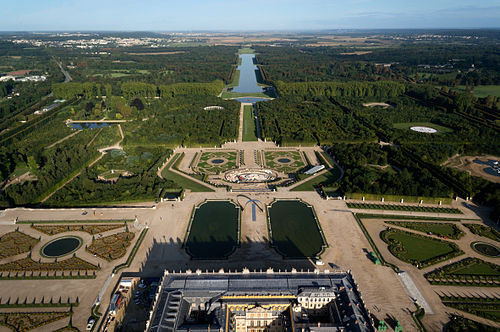
Photo source: Wikipedia Gardens of Versailles
In England, aristocrats began to showcase expansive green landscapes around their stately homes.
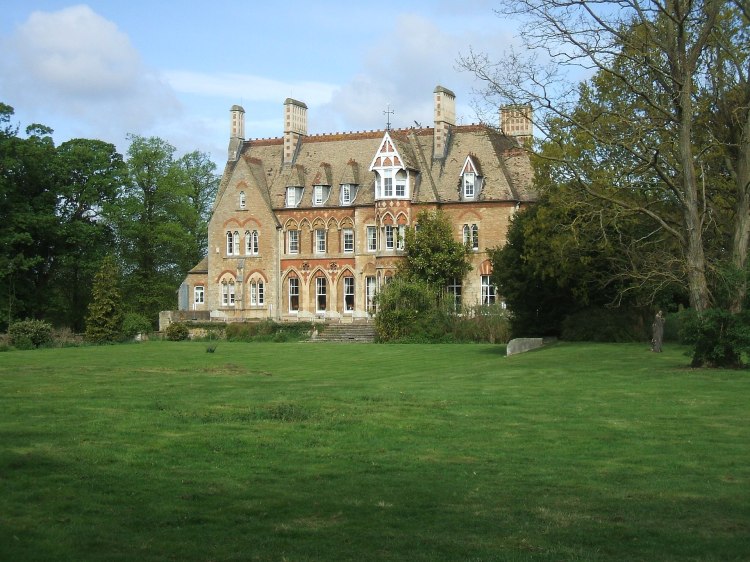
Photo Source: Wikipedia Country Houses in the UK
Maintaining these lawns required armies of gardeners with hand tools for mowing grass making them a clear status symbol. A perfect lawn told visitors: “I have so much land and labour that I don’t need to use it for farming.”
Capability Brown and the English Landscape Garden
In the 18th century, the English garden designer Lancelot “Capability” Brown transformed the idea of the lawn. He replaced rigid, geometric gardens with rolling parkland, dotted with lakes and artfully placed trees.
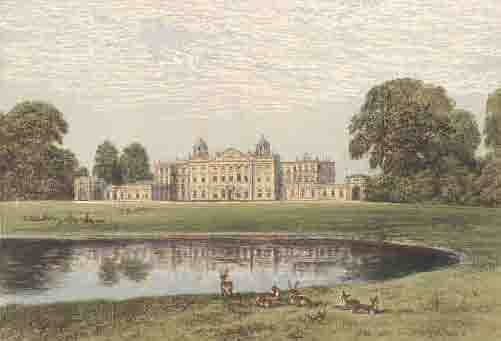
Photo Source: Wikipedia Capability Brown
Lawns were central to this new “natural” style, stretching seamlessly from the house into the wider landscape. In reality, these lawns required constant maintenance, but they created the illusion of effortless harmony with nature.
Turning Point: The Lawn Mower
Who Invented the Lawn Mower?
A major turning point came in 1830, when Edwin Budding, an engineer from Gloucestershire, UK, invented the mechanical lawn mower. Inspired by machines used in textile mills, Budding’s mower made it possible for ordinary people to keep grass neatly trimmed without a team of workers.
This invention democratised the lawn, paving the way for lawns in public parks, sports grounds, and eventually, private gardens.

Lawn mower invented by Edwin Budding, manufactured by JR&A Ransome of Ipswich, 1832. Exhibit in the Science Museum, London, UK. Photo Source: Wikipedia Edwin Beard Budding
Victorian Era: Then Came Lawns For All
Why Do British Houses Have Lawns?
By the Victorian era, the lawn was no longer reserved for aristocrats. The middle classes, inspired by country estates, began to plant lawns in their residential houses. The invention of the mower, combined with cheap grass seed, made lawns practical for the first time.
The front lawn in particular became a symbol of respectability. A well kept lawn told neighbours you were tidy, prosperous and invested in your community.
The Rise of the Residential Lawns in the 20th Century
In the 20th century, especially after World War II, lawns became standard features of British housing.
Council estates and new towns and villages were built with front and back lawns as part of their design.
Garden magazines and television programmes promoted the lawn as the heart of family life.
Lawns were used for leisure, children’s play and social gatherings, becoming symbols of post war prosperity.
By the late 20th century, fertilisers, pesticides, and sprinklers made it easier than ever to maintain the “perfect” green carpet.
They Come At A Price: Lawns and Their Environmental Cost
Although lawns became cultural staples, they came at a price:
Water use: Keeping grass green during hot summers requires heavy watering.
Chemicals: Fertilisers and herbicides keep lawns lush but damage soil and waterways.
Biodiversity loss: Lawns support very little wildlife compared to meadows or wildflower gardens.
High maintenance: Mowing, feeding and reseeding consume time, money and energy.
This has sparked a backlash in recent years, with many gardeners asking whether the traditional lawn is sustainable.
The Future of Lawns: From Tradition to Sustainability
Today, the concept of the lawn is being reinvented. Alternatives are growing in popularity, especially in the UK:
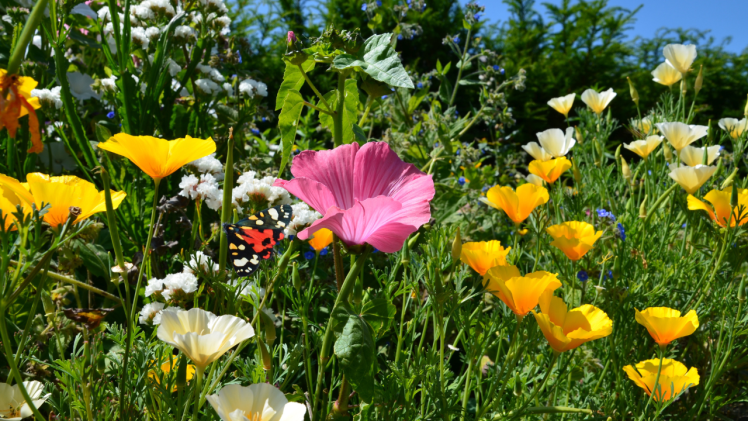
Wildflower meadows support bees, butterflies and other pollinators.
Clover and microclover lawns stay green in drought and need less fertiliser.
No Mow May encourages homeowners to let grass grow naturally for wildlife.
Eco lawns mix grasses with herbs and ground covers to create low maintenance, biodiversity friendly spaces.
Instead of being symbols of wealth or conformity, lawns are becoming spaces for sustainability and ecological awareness.
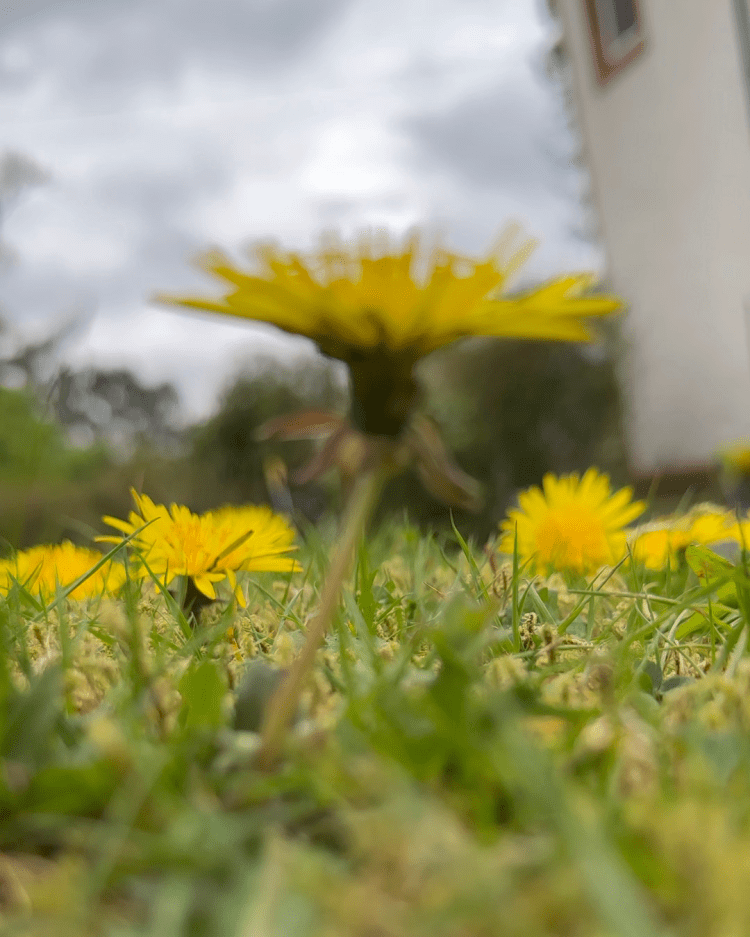
Read More On Blog Post: Dandelions in Your Garden: Why You Should Leave Them Be

Where we started in 2019 when we moved in, moving away from just lawn to food forest orchard, raised bed growing area, wildlife hedges and wildflower patches.


Read More On Blog: Nitrogen Fixing Plants: Nature’s Soil Builders in Permaculture

Read More On Blog: 5 Reasons Why You Should Use Raised Beds in Your Garden

Read More On Blog: DIY: Dead Hedge- Wildlife Haven, Wind Barrier, and Permaculture Powerhouse
Today Lawns Are More Than Just Grass
From medieval castles to post war council estates, lawns have always reflected our relationship with land, wealth and culture. Once a luxury reserved for aristocrats, they became an everyday norm and now face calls for reinvention.
In the UK today, the lawn is at a crossroads: will it remain a neat green carpet or will it evolve into a space that supports biodiversity and adapts to climate change?
Whatever the answer, one thing is clear: lawns are more than just grass, they are living symbols of history, culture and change.
Happy Gardening!


Katrina & Clayton and family live in East Ayrshire and share their daily life in the garden on instagram. They practice permaculture principles in the garden, reducing & repurposing waste whenever they can. Katrina shows how home educating in nature has helped Clayton thrive.
Clayton Completed The 2 Grow and Learn Courses with the Royal Caledonian Horticultural Society. He is Autistic, Non Verbal & has been Home Educated since 2018. Katrina & Peter hold their PDC & PDC PRO Permaculture Design Course from Oregon State University.
They featured on BBC Beechgrove Gardens Ep23 2022 and returned in 2023 for an update, Katrina & Clayton are also columnists for ScotlandGrows Magazine, Guest Blog for Caledonian Horticulture as well as working with Gardeners’ World Magazine and many other brands.
They are also Author of the new Children’s Book Series: Clayton’s Garden Journey: Stories of Autism and Gardening. Topics on Growing, Harvesting, Sowing & Composting and 108 Page Weather and Seasons Weekly Gardening Record Book available on Amazon and Kindle.
Listen in on their Guest Podcasts to learn more about them.

Get Weekly Blogs Straight To Your Inbox
Our Children’s Book Series
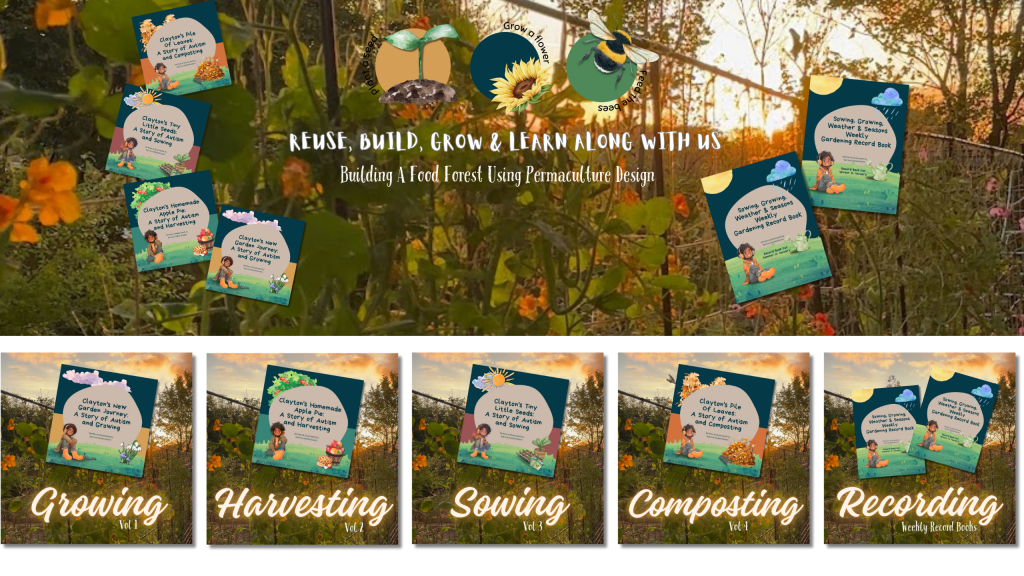
Author of the new children’s book series: Clayton’s Garden Journey: Stories of Autism and Gardening and Sowing, Growing, Weather and Seasons Weekly Gardening Record Book available on Amazon and Kindle
Visit Our Print On Demand Stores
REDBUBBLE STORE -WORLDWIDE
Over 175 Garden & Nature Designs. Coasters, Phone Covers, Bags, Mouse Mats & Much More


Discover more from Building a Food Forest -Scotland
Subscribe to get the latest posts sent to your email.

One thought on “The History of British Lawns: From Wealth and Power to Everyday Gardens”