
Get Weekly Blogs Straight To Your Inbox

Permaculture and Dynamic Accumulators: Nature’s Secret to Thriving Gardens
In the world of permaculture, one of the most fascinating and often misunderstood concepts is that of dynamic accumulators. These special plants are nature’s nutrient miners, drawing up minerals and trace elements from deep within the soil and storing them in their leaves. When managed properly, they can help regenerate tired soils, boost productivity, and reduce the need for external fertilisers.
Whether you’re cultivating a small garden or developing a large food forest, understanding how dynamic accumulators work can transform the health and resilience of your ecosystem.
What Is Permaculture, and Why Does It Matter?
Permaculture is a design philosophy and practical approach that seeks to create self sustaining systems modelled on natural ecosystems. Rather than fighting against nature, through chemical fertilisers, pesticides, or heavy tilling, permaculture embraces nature’s patterns to build abundance over time. Read about all the Permaculture Principles in our blogs
At its heart, permaculture is guided by three ethics:
- Earth Care – nurturing the planet and its ecosystems.
- People Care – supporting human needs in a sustainable way.
- Fair Share – redistributing surplus and setting limits to consumption.
From these ethics flow design principles that emphasise diversity, closed nutrient loops, and long term soil fertility. Dynamic accumulators fit neatly into this philosophy, they’re one of the tools that help close those nutrient loops.
What Are Dynamic Accumulators?
A dynamic accumulator is a plant that absorbs and concentrates nutrients, especially minerals, into its tissues at levels higher than the average plant. These nutrients are drawn from the soil, often from deeper layers that are inaccessible to shallow rooted crops.
When the plant’s leaves die back or are cut and used as mulch, those stored nutrients return to the topsoil, becoming available to other plants. This process recycles and redistributes fertility, improving the soil naturally.
Think of dynamic accumulators as living compost activators, they mine minerals from deep underground and bring them to where other plants can use them.
How Do Dynamic Accumulators Work?
The key lies in their root systems and nutrient cycling:
Deep Roots: Many dynamic accumulators have taproots or extensive root systems that can penetrate hardpan layers and reach subsoil minerals.
Nutrient Uptake: As they grow, they absorb elements like calcium, potassium, magnesium, phosphorus, iron, and trace minerals.
Tissue Concentration: These minerals accumulate in the plant’s leaves and stems.
Nutrient Release: When the plant is pruned, dies back or decomposes, the nutrients are returned to the upper soil layers where microbes and other plants can access them.
This process essentially mimics the natural forest nutrient cycle, where leaf litter and decaying matter continuously feed the soil, maintaining fertility without synthetic inputs.
Dynamic Accumulators vs. Nitrogen Fixers
It’s important to distinguish dynamic accumulators from nitrogen fixing plants. Nitrogen fixers, such as legumes and certain trees (like alder or acacia), host bacteria that convert atmospheric nitrogen into forms plants can use. We’ve written about these in Nitrogen Fixing Plants: Nature’s Soil Builders in Permaculture blog post.
Dynamic accumulators, on the other hand, don’t fix nitrogen, they work with mineral nutrients. Both play crucial roles in a permaculture system: nitrogen fixers add the “green” fertility that plants need for leafy growth, while dynamic accumulators restore mineral balance and soil health.
Common Dynamic Accumulator Plants
Although scientific research on dynamic accumulators is still developing, permaculture practitioners have identified many plants that show strong mineral accumulation patterns and ecological benefits. Here are some of the best known examples that thrive in the cooler UK climate and the ones we have growing.
Here’s a breakdown of UK hardy dynamic accumulators, grouped by their role and growing conditions.
Comfrey (Symphytum × uplandicum ‘Bocking 14’)
Nutrients: Potassium, calcium, magnesium, iron, phosphorus
Use: Mulch, compost activator, liquid feed
Why it’s great: Comfrey is the classic permaculture accumulator, famous for producing huge leaves that decompose quickly into rich, dark mulch.
How to grow: Plant crowns or root cuttings in moist, well-drained soil. Full sun to partial shade.
Tip: Choose the Bocking 14 cultivar, it’s sterile, so it won’t spread invasively like wild comfrey.

We’ve guest blogged over at Caledonian Horticulture All About Comfrey
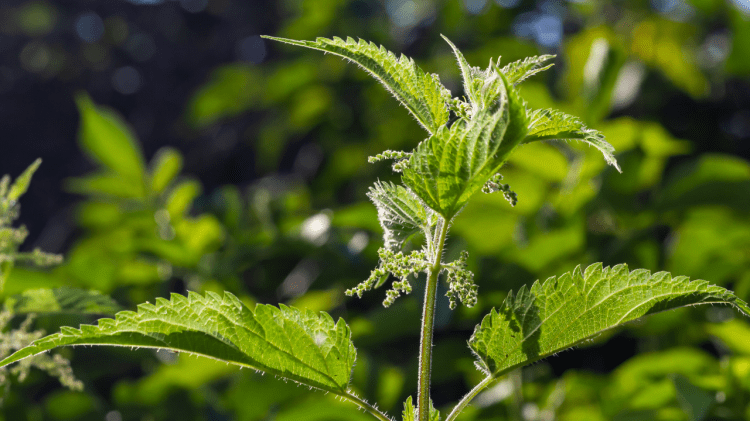
Stinging Nettle (Urtica dioica)
Nutrients: Nitrogen, iron, silica, magnesium, calcium
Use: Compost tea, green manure, wildlife habitat
Why it’s great: Nettles are a nutrient powerhouse, rich in nitrogen and trace minerals.
How to grow: They thrive in partial shade and rich, moist soil, often an indicator of fertile ground.
Tip: Cut them back before flowering to prevent spreading. Nettles also attract beneficial insects and make excellent liquid fertiliser when steeped in water.
Yarrow (Achillea millefolium)
Nutrients: Phosphorus, copper, potassium, calcium
Use: Compost booster, pollinator attractor
Why it’s great: Yarrow is tough, drought tolerant, and native across the UK. It’s brilliant for drawing up nutrients and stimulating compost decomposition.
How to grow: Prefers full sun and well drained soil. It tolerates poor soil and can handle mowing.
Tip: Great planted under fruit trees or among herbs.

We’ve guest blogged over at Caledonian Horticulture All About Yarrow
Dandelion (Taraxacum officinale)
Nutrients: Calcium, iron, potassium, copper
Use: Soil aeration, mineral accumulation, edible greens
Why it’s great: This common “weed” is one of the best tap rooted soil healers. It breaks up compaction and mines minerals from deep layers.
How to grow: Naturally self seeds, thrives in most soils.
Tip: Leave a few dandelions in each bed they support pollinators and soil health.

Borage (Borago officinalis)
Nutrients: Potassium, silica
Use: Mulch, compost, pollinator plant
Why it’s great: A cheerful, bee loving annual that enriches compost and boosts soil fertility around fruiting crops.
How to grow: Sow from seed in Spring, it self seeds easily. Prefers full sun and light, well drained soil.
Tip: Cut back regularly for mulch borage regrows quickly.

Chicory (Cichorium intybus)
Nutrients: Potassium, calcium, phosphorus
Use: Deep soil aeration, forage, mulch material
Why it’s great: Deep taproots loosen compacted soils and bring minerals to the surface.
How to grow: Sow in Spring or Autumn. Grows well in poor, dry soil.
Tip: Excellent along paths or in meadow style plantings, beautiful blue flowers in Summer.

Chicory root leaves and Chicory in flower

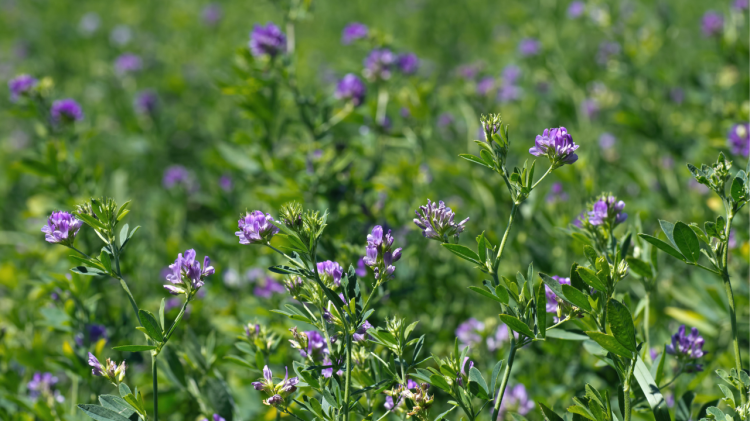
Alfalfa (Medicago sativa)
Nutrients: Nitrogen, calcium, magnesium, iron
Use: Green manure, soil restoration
Why it’s great: Alfalfa is both a nitrogen fixer and a dynamic accumulator, making it doubly valuable.
How to grow: Prefers sunny, well drained soils. Often used as a rotational green manure crop.
Tip: Great for poor or depleted soils, cut before flowering to encourage regrowth.
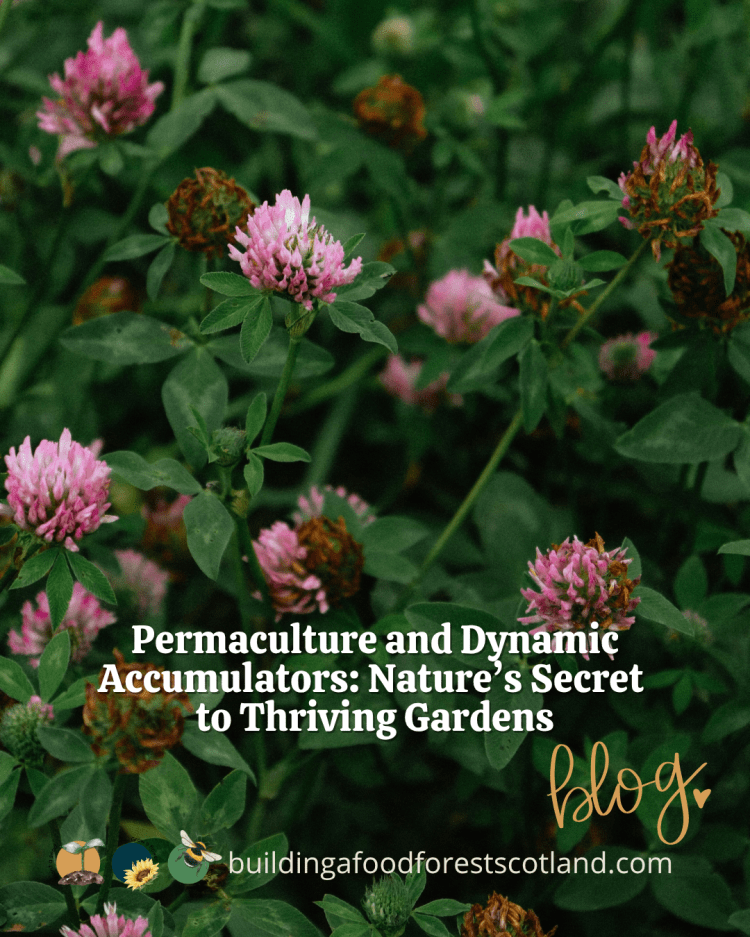
Clover (White or Red Clover, Trifolium repens / T. pratense)
Nutrients: Nitrogen, phosphorus, calcium
Use: Living mulch, soil cover, pollinator forage
Why it’s great: Clover improves soil structure, fixes nitrogen, and accumulates minerals in its foliage.
How to grow: Sow in Spring or early Autumn. Thrives in full sun to partial shade.
Tip: Excellent under fruit trees or between rows of vegetables as a living mulch.

Horseradish (Armoracia rusticana)
Nutrients: Sulfur, calcium, potassium
Use: Deep-rooted soil loosener and nutrient miner
Why it’s great: Its long taproot penetrates hard soils, bringing up deep minerals.
How to grow: Plant root cuttings in early Spring in rich, well drained soil.
Tip: Can spread vigorously plant in contained areas or harvest roots regularly.

How to Incorporate These into a UK Permaculture Garden
Here are some ideas for using these species effectively in your design:
Create Tree Guilds
Plant comfrey, yarrow and clover around fruit trees. Comfrey feeds the tree, yarrow attracts pollinators and clover covers the soil while fixing nitrogen. Check out this blog post: Understanding Plant Guilds in Permaculture Food Forest Gardening
Use Dynamic Mulch Beds
Designate a patch for comfrey, nettle and borage. Harvest their leaves regularly and use them as mulch or compost material elsewhere in your garden.
Encourage Wild Allies
Don’t be too quick to weed out dandelions. They’re doing valuable underground work improving your soil. Read more in: Dandelions in Your Garden: Why You Should Leave Them Be
Feed Your Compost
Add nettles, comfrey and yarrow to your compost pile. They accelerate decomposition and boost the mineral richness of the finished compost.
Make Liquid Fertilisers
Steep comfrey or nettle leaves in water for a few weeks to create a potent, natural “plant feed tea.” Dilute 1:10 and water onto vegetables or fruiting plants.
Seasonal Notes for UK Growers
Spring: Sow borage, chicory and alfalfa. Divide or replant comfrey crowns.
Summer: Chop and drop comfrey, borage and nettles for mulch; harvest herbs.
Autumn: Allow dandelion roots to keep aerating soil. Add fallen leaves to compost with yarrow or nettles.
Winter: Most accumulators die back, returning nutrients to the soil naturally, no need to clear them too thoroughly.
Cautions and Considerations
Some, like comfrey, can spread aggressively—choose sterile hybrids (such as Bocking 14 comfrey) to prevent unwanted seeding.
Don’t rely solely on dynamic accumulators for soil improvement; they complement, but don’t replace, composting and cover cropping.
Over-harvesting can deplete the plant or reduce soil cover, so maintain a balance between cutting and regrowth.
In the UK’s climate, dynamic accumulators flourish almost effortlessly. By including a few well chosen species especially comfrey, yarrow, nettle and dandelion you can build deep, living fertility without synthetic fertilisers.
When woven into a permaculture design, these plants don’t just feed the soil they nurture pollinators, strengthen biodiversity and help you create a garden that truly works with nature rather than against it.
Happy Gardening!

Katrina & Clayton and family live in East Ayrshire and share their daily life in the garden on instagram. They practice permaculture principles in the garden, reducing & repurposing waste whenever they can. Katrina shows how home educating in nature has helped Clayton thrive.
Clayton Completed The 2 Grow and Learn Courses with the Royal Caledonian Horticultural Society. He is Autistic, Non Verbal & has been Home Educated since 2018. Katrina & Peter hold their PDC & PDC PRO Permaculture Design Course from Oregon State University.
They featured on BBC Beechgrove Gardens Ep23 2022 and returned in 2023 for an update, Katrina & Clayton are also columnists for ScotlandGrows Magazine, Guest Blog for Caledonian Horticulture as well as working with Gardeners’ World Magazine and many other brands.
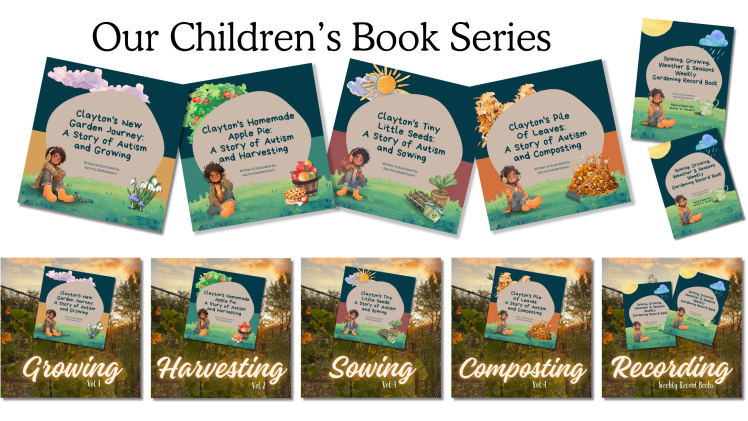
They are also Author of the new Children’s Book Series: Clayton’s Garden Journey: Stories of Autism and Gardening. Topics on Growing, Harvesting, Sowing & Composting and 108 Page Weather and Seasons Weekly Gardening Record Book available on Amazon and Kindle.
Listen in on their Guest Podcasts to learn more about them.

Get Weekly Blogs Straight To Your Inbox
Our Children’s Book Series
Author of the new children’s book series: Clayton’s Garden Journey: Stories of Autism and Gardening and Sowing, Growing, Weather and Seasons Weekly Gardening Record Book available on Amazon and Kindle
Visit Our Print On Demand Stores
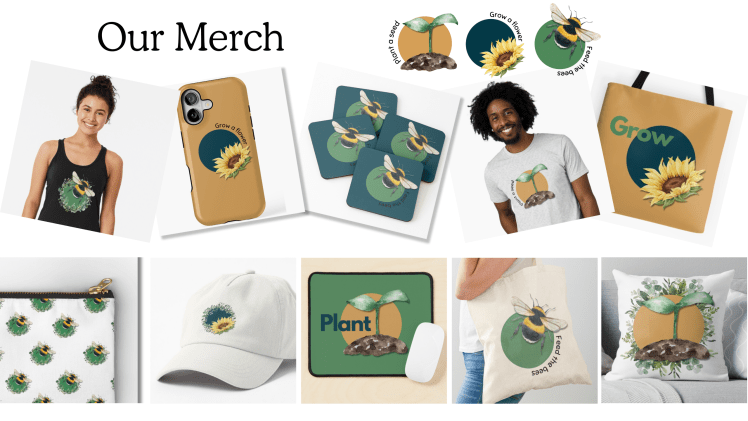
Redbubble Store – Worldwide! 200+ garden & nature-inspired designs on coasters, phone covers, tote bags, mouse mats and so much more. Perfect for plant lovers, gardeners and anyone who wants to bring a touch of the outdoors into everyday life

Discover more from Building a Food Forest -Scotland
Subscribe to get the latest posts sent to your email.
