

Get Weekly Blogs Straight To Your Inbox

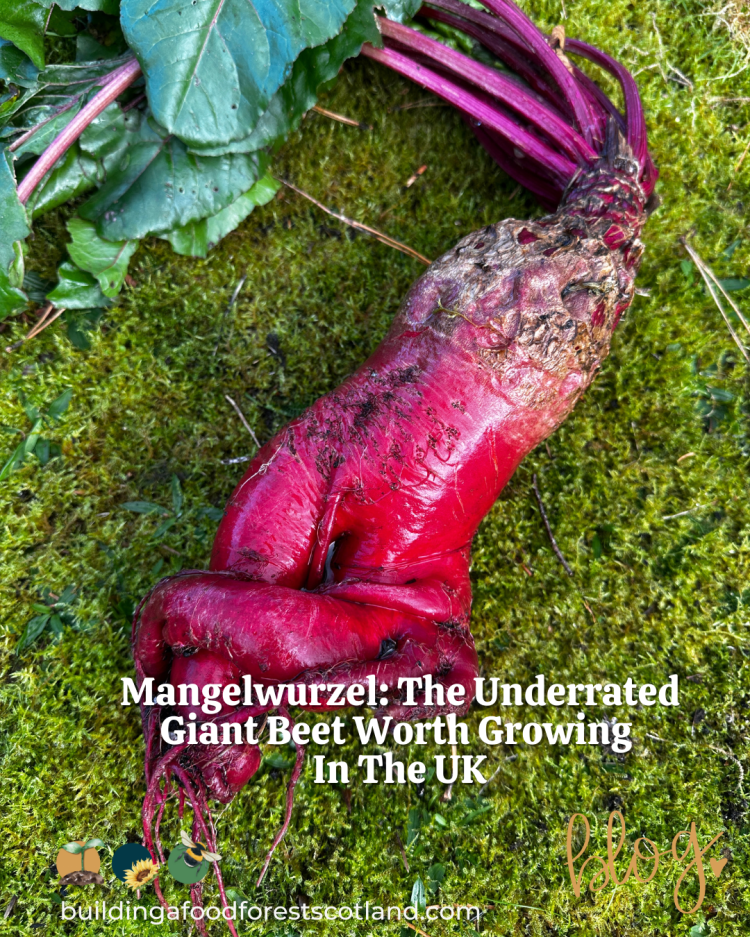
Mangelwurzel: The Underrated Giant Beet Worth Growing In The UK
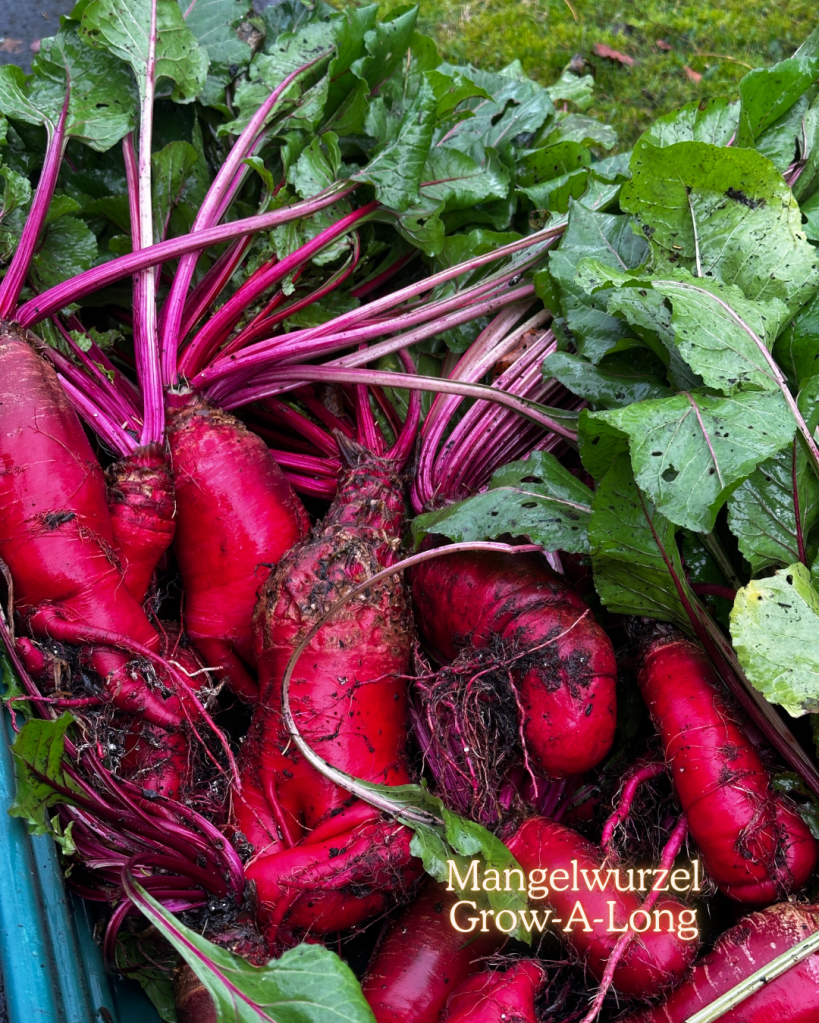
Mangelwurzel (also written mangel-wurzel, mangel beet, or simply “mangel”) is one of those old fashioned crops that smells faintly of hay and practicality, not glamorous, but quietly brilliant. A close relative of chard, table beet and sugar beet (all members of Beta vulgaris), mangel was bred primarily as a hardy, high yield fodder root for livestock. Its broad leaves and enormous, storable roots made it a staple of European farms from the 18th through the early 20th centuries. Today it’s making a modest comeback with growers who like resilient crops, interesting heritage varieties and the idea of harvesting something mammoth and gloriously red from their own gardens.
A Short History Of The Mangelwurzel
Mangelwurzels were developed from the wild sea beet and early leafy beets as farmers selected for larger, fleshier roots suitable for animal feed. By the 1700s–1800s, varieties producing very large roots, sometimes the size of a small turnip or a rugby ball were common on mixed farms across northern Europe. The name comes from German, where “mangel” and “wurzel” are associated with fodder and root, in English you’ll also hear “field beet” or “fodder beet.”
They were a workhorse crop: cheap to grow, high in nutrients, easy to store through Winter in cellars and valuable when hay was short. Mangel’s importance declined mid 20th century as agricultural practices industrialised, with farmers switching to more specialised concentrates, root crops like sugar beet for industry and later, to mechanised fodder systems and improved grass/maize systems. As a result, many heritage varieties fell out of fashion and became garden curiosities.
Why Mangelwurzel Went Out Of Fashion (and why that’s not the whole story)
Several factors pushed mangelwurzel to the margins:
Agricultural specialisation and industrial feedstuffs: Commercial feed concentrates made it easier and often cheaper to feed livestock without the labour of lifting and storing roots.
Mechanisation and consolidation: Fewer small mixed farms meant less need for multipurpose, on farm fodder crops.
Taste and culture: As human diets favoured potatoes, sugar and other vegetables, eating or cooking with large beets became less fashionable for the table.
However, mangel never fully disappeared, it remained present in allotments, small farms and seed catalogues for gardeners and traditional stock keepers. Recently there’s renewed interest from people who value resilient crops, lower input feeding options, heritage varieties and the sheer spectacle of a garden full of giant red roots.
Growing Mangelwurzel Today
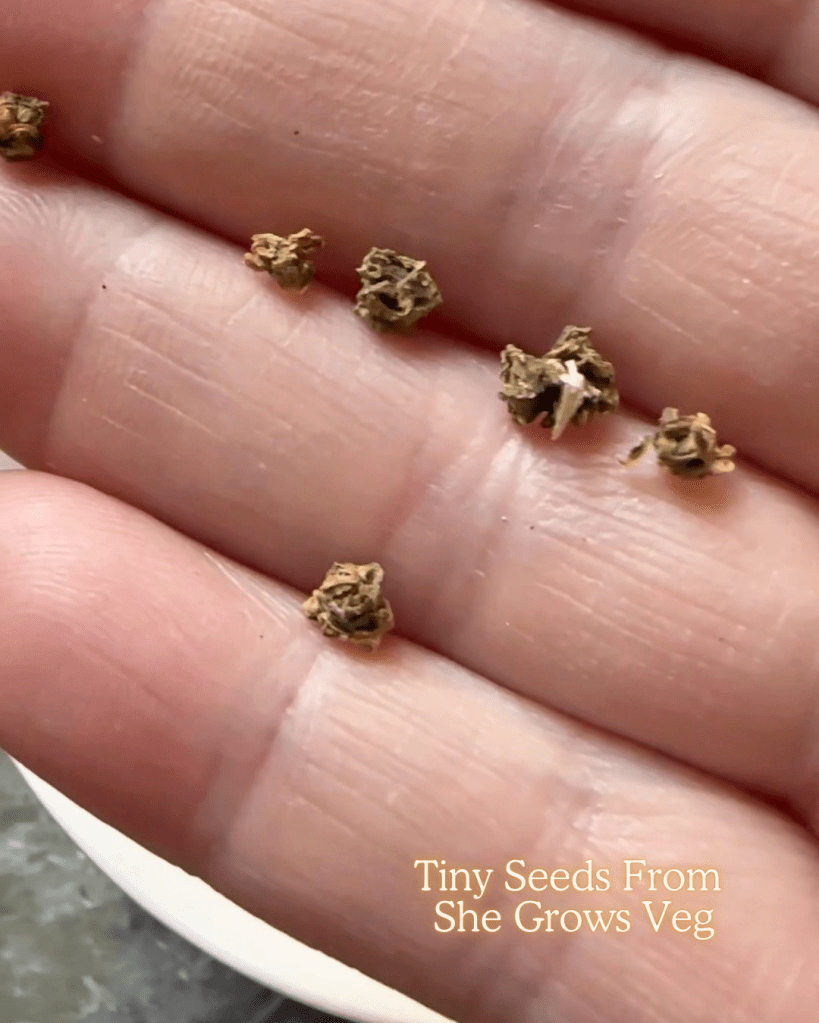
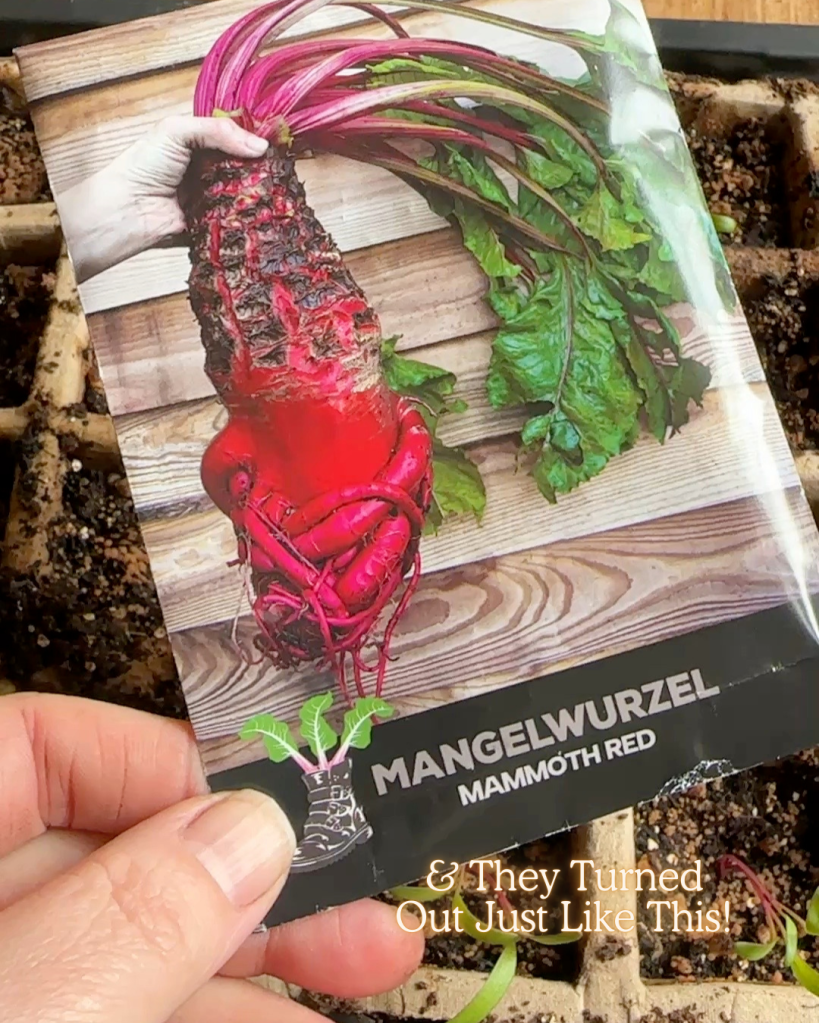
Mammoth Red mangelwurzels gained popularity this year from She Grows Veg a UK based an Heirloom Seed Company sharing their harvests and creating a grow-a-long for everyone to grow and bring back this great crop. They are an ideal choice for the UK because they thrive in cool, moist climates and tolerate light frost, perfect for Scottish climates!
Where & When To Sow
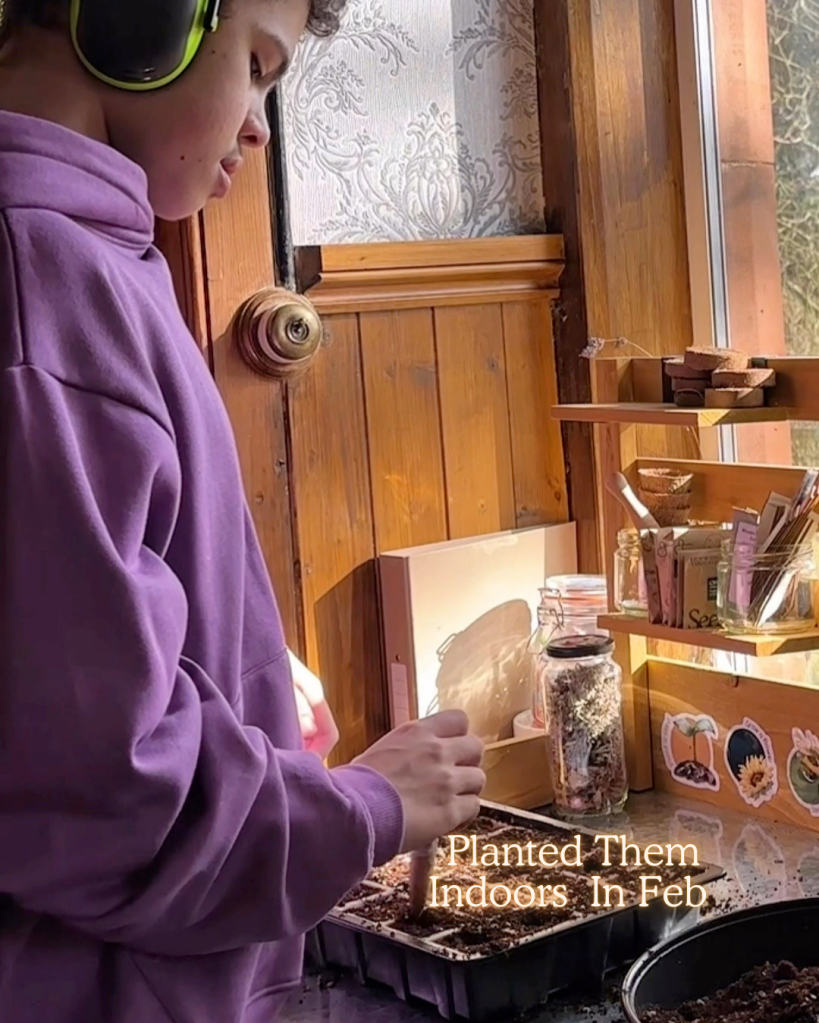
Sow outdoors from mid-April to early June for a main crop; you can start earlier under cloches if soil warms. For Autumn/Winter storage sowings aim for April–May so roots have time to establish. We grew outside indoors on a windowsill starting in February

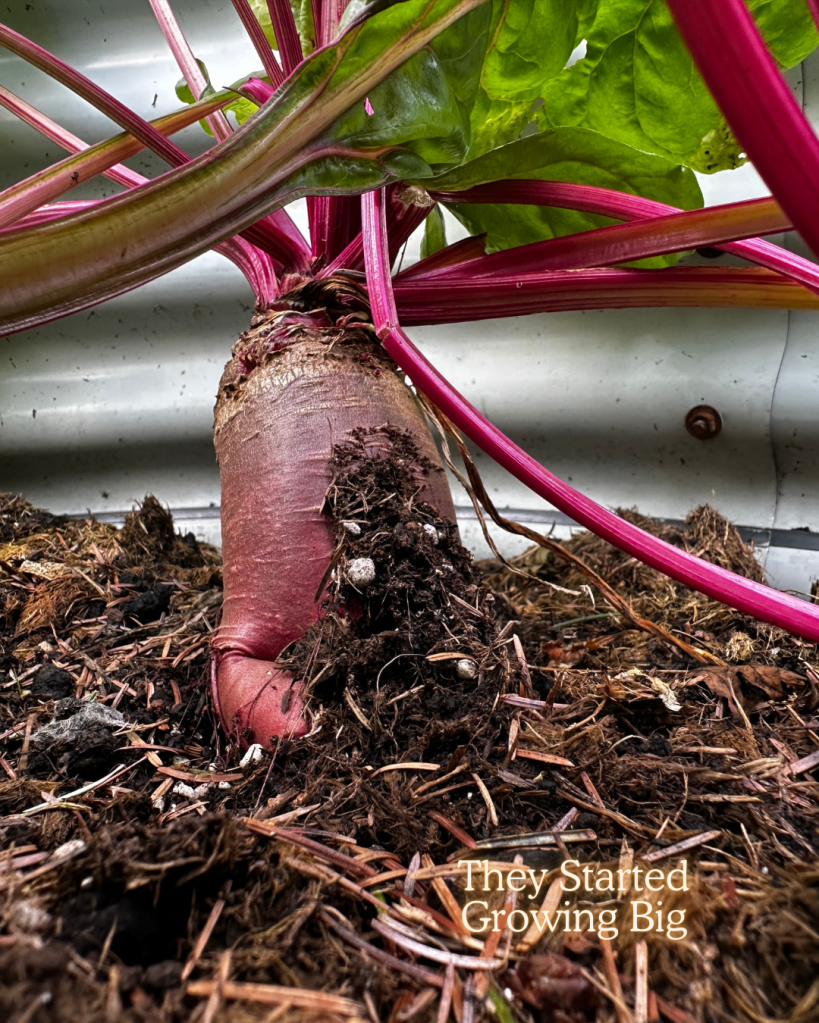
Choose a sunny to lightly shaded site with deep, fertile, well drained soil. Heavy clay can be improved with organic matter and grit. We put ours in a raised bed this year, but they could sit just fine in the food forest floor too, which is where we’ll add them next year.
Soil & Spacing
Like any root veg the soil needs to be not compact for roots to grow, remove any stones. This is why we used the raised bed as it was already full of light compost so nothing needed to be done here.
A slightly acidic to neutral pH (about 6.0–7.5) suits them.
For Mammoth Red aim for roughly 45–60 cm (18–24 in) between plants in rows ~60–75 cm apart; you can sow more densely for smaller roots. Thin seedlings to avoid crowding. We planted out 20, as that’s what we had grown, wasn’t sure how they would grow. Next year I would only plant 10 in here to give them more space as the leaves really filled the space. I would add the rest into the food forest floor.


Sowing & Care
Sow seeds thinly and thin to the required spacing when plants are 2–3 true leaves. I would still sow in modules indoors and plant out to avoid wasting any seeds with thinning out, but that’s my preference as each seed is food that I don’t like to waste.
Keep weed free while young. Mangel competes poorly with weeds initially.
Feed with a balanced feed or well rotted manure; they appreciate fertility, especially potassium for root development. We watered with liquid seaweed every 2 weeks during the Summer months
Water regularly in dry spells, consistent moisture gives better, less fibrous roots.
Pests & Diseases
Mangelwurzel is generally robust but watch for common beet pests (aphids, leaf spot diseases, and occasional fungal problems). Practice crop rotation (avoid planting beets on the same bed year after year) and good drainage to reduce disease pressure.
Birds may peck young leaves, so netting can help in exposed growing spaces.
Harvest & Storage
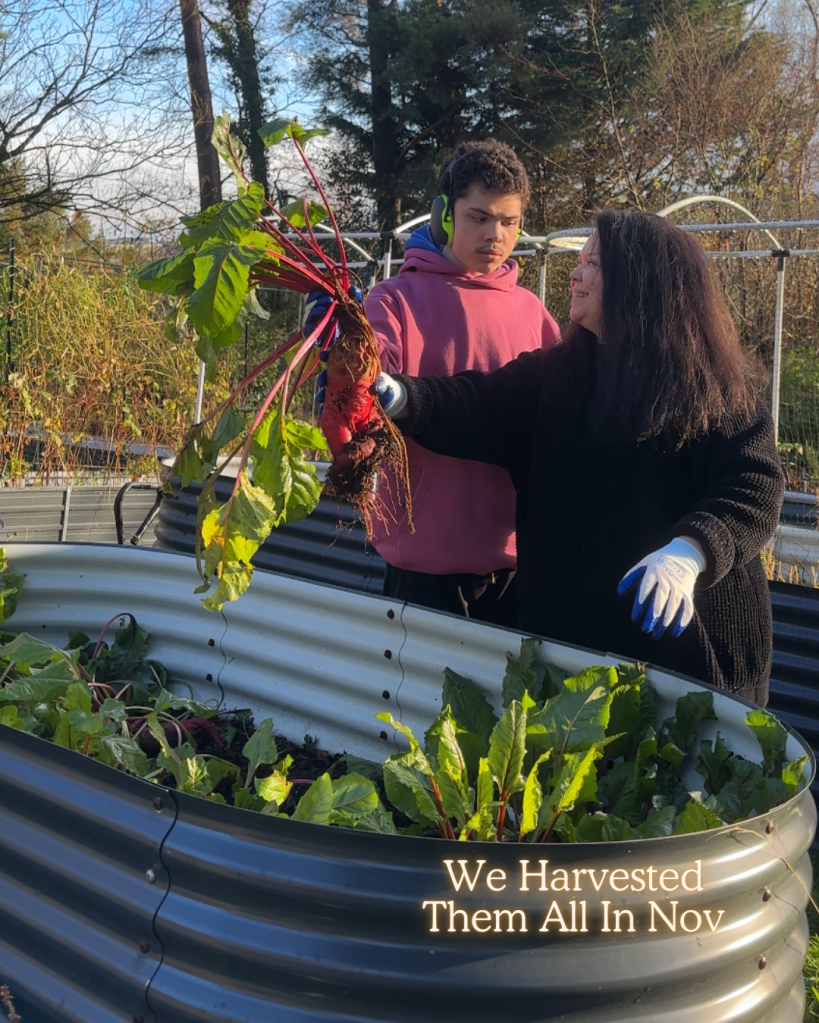
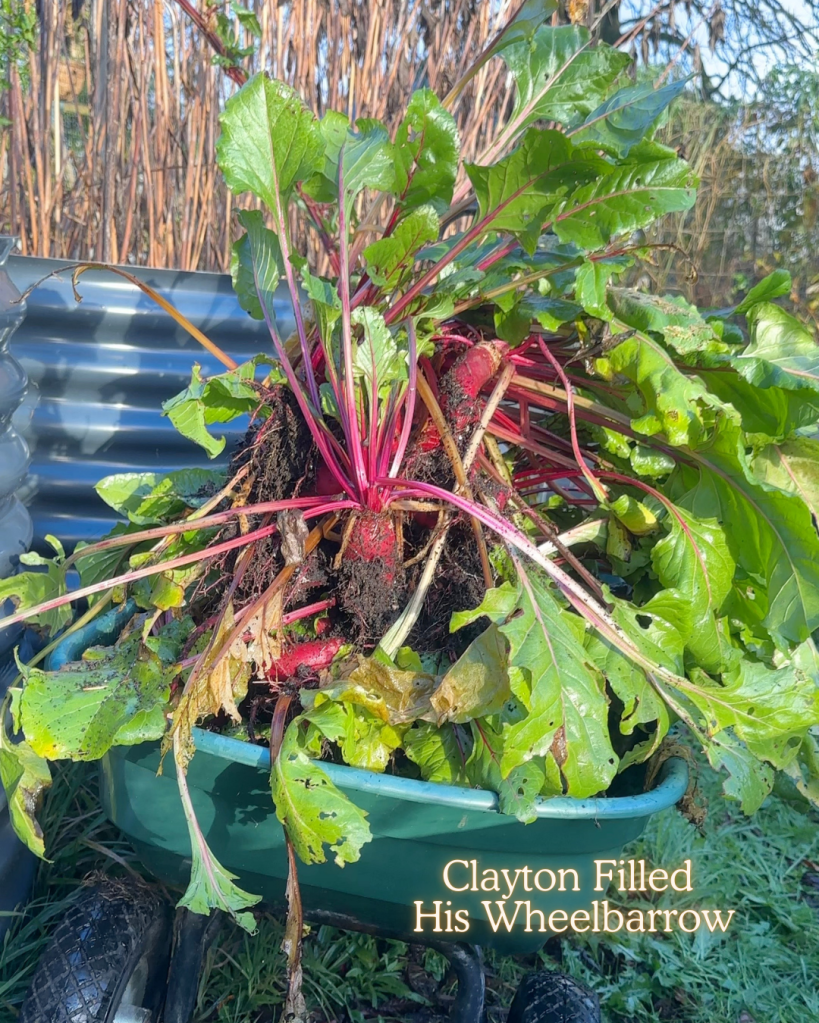
Harvest from late Summer into Autumn and some varieties can be lifted and stored through Winter. Roots keep well in a cold, frost free store (cellar or polytunnel) for months if you remove foliage and pack roots in damp sand or sawdust. We didn’t harvest until November as the temperature dropped before any hard freezes.
Mangelwurzel tolerates light frosts, in fact a touch of frost can sweeten the root, but a hard freeze will damage exposed roots.

Eating & Using Mangelwurzel Today
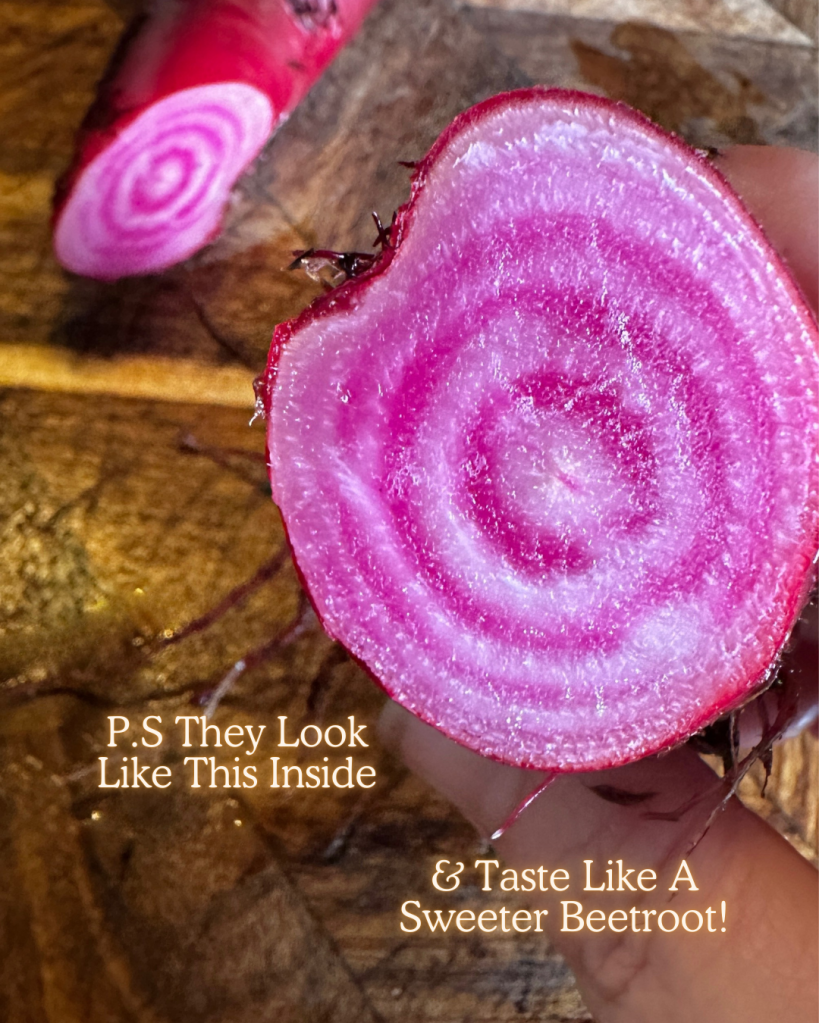
Although bred for fodder, mangelwurzel is perfectly edible for humans and can be used anywhere you’d use beetroot or turnip type roots. The flavour can be milder and earthier than table beet, the Mammoth Red may be less intensely “beetrooty” and more root vegetable in character.
Ways to eat it:
Roast: Chop into chunks and roast with oil and herbs; the large roots make generous, starchy chunks.
Boil & Mash: Boiled then mashed with butter and a touch of mustard, very comforting.
Soups & Stews: Thickens soups and adds depth of flavour (and colour if you use red varieties).
Pickled: Similar to pickled beetroot, slice and preserve in vinegar and sugar.
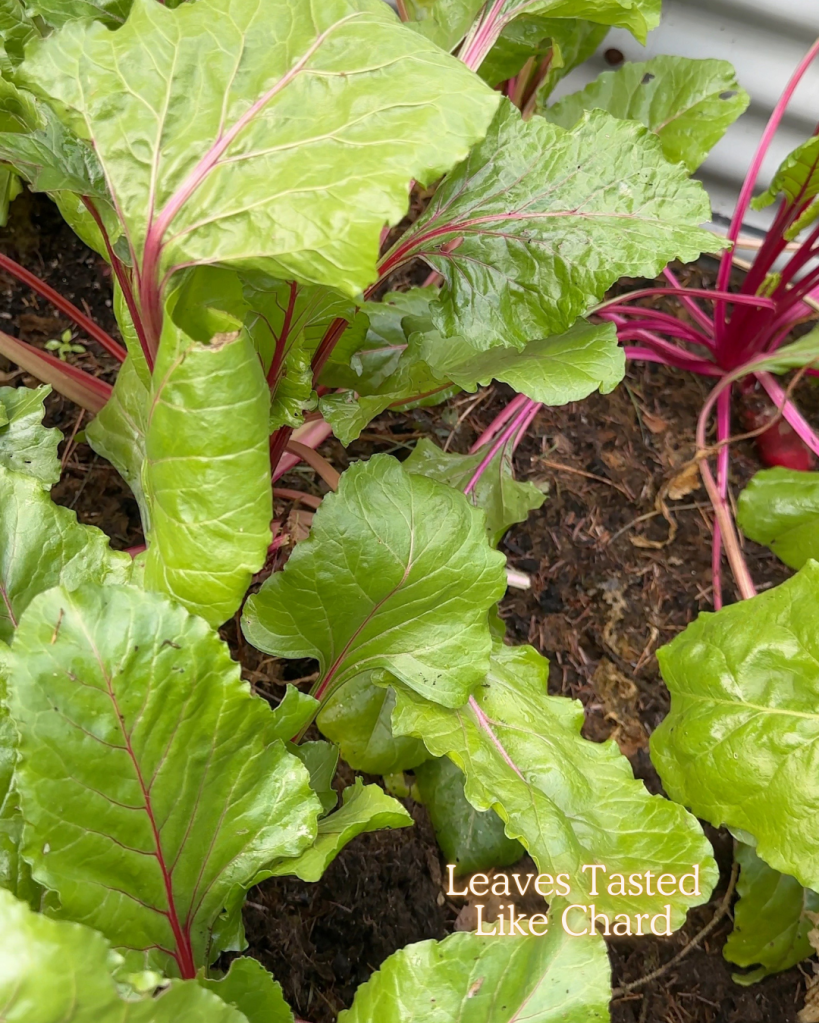
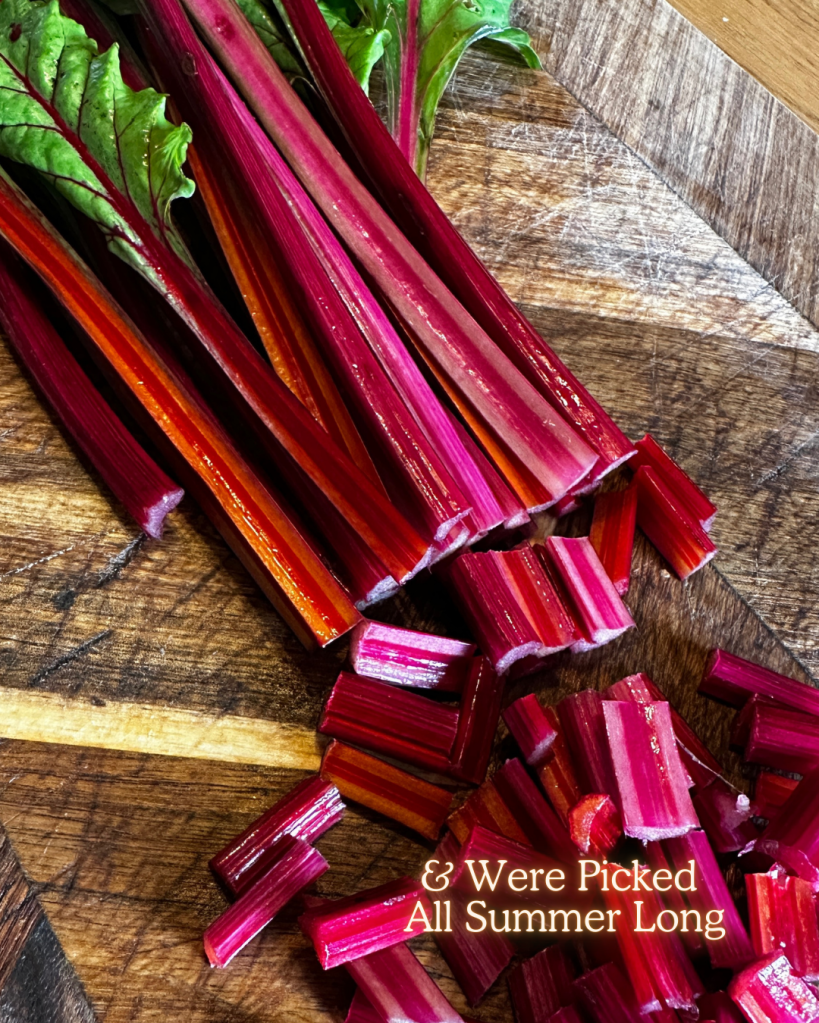
Greens: The leaves are usable like chard. You can eat them raw, the same way you would eat kale or spinach raw. Young leaves are best, sauté them or use in stews makes them softer and less bitter.


Why Mammoth Red Mangelwurzel is a Great Choice for UK Growers
Climate fit: It loves cool Summers and handles wet Autumns, classic British conditions.
Yield & Storage: You get big harvest and long storage from a small area, great for self-sufficiency projects.
Low Input: Not a fussy crop, a bit of compost, adequate spacing and water is often enough.
Biodiversity & Heritage: Growing heritage varieties like Mammoth Red helps preserve genetic diversity and agricultural history.
Fun & Spectacle: There’s something deeply satisfying about lifting a huge, glossy red root. It’s a conversation starter and a reminder that not all worthwhile crops are trendy.


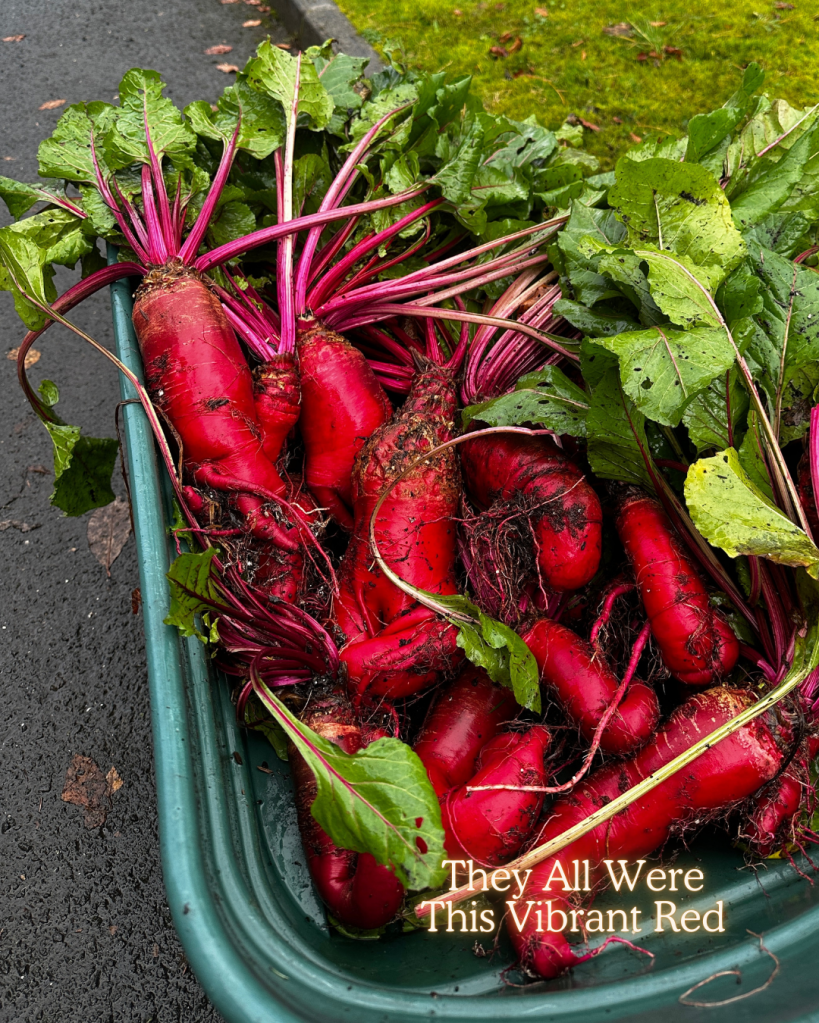

Would You Try Them?
Mangelwurzel might not have the glamour of rare microgreens, but in the garden it’s a showstopper: historically important, stubbornly useful and oddly satisfying to grow. The Mammoth Red variety combines heritage charm with bold presence, perfect for anyone in the UK who wants a reliable, storable delicious root and a little agricultural theatre in the veg patch. Give it a patch, lift a giant red root in Autumn, and you’ll understand why gardeners who try it rarely go back. They’ll certainly be a staple I our home from now on.
We’ll revisit this crop with how we are storing & preserving them for the year and how we plan to cook them so stay tuned.
Happy Gardening!


Follow Us Across Our Socials
Katrina & Clayton and family live in East Ayrshire and share their daily life in the garden on instagram. They practice permaculture principles in the garden, reducing & repurposing waste whenever they can. Katrina shows how home educating in nature has helped Clayton thrive.
Clayton Completed The 2 Grow and Learn Courses with the Royal Caledonian Horticultural Society. He is Autistic, Non Verbal & has been Home Educated since 2018. Katrina & Peter hold their PDC & PDC PRO Permaculture Design Course from Oregon State University.
They featured on BBC Beechgrove Gardens Ep23 2022 and returned in 2023 for an update, Katrina & Clayton are also columnists for ScotlandGrows Magazine, Guest Blog for Caledonian Horticulture as well as working with Gardeners’ World Magazine and many other brands.
They are also Author of the new Children’s Book Series: Clayton’s Garden Journey: Stories of Autism and Gardening. Topics on Growing, Harvesting, Sowing & Composting and 108 Page Weather and Seasons Weekly Gardening Record Book available on Amazon and Kindle.
Listen in on their Guest Podcasts to learn more about them.

Get Weekly Blogs Straight To Your Inbox

Our Children’s Book Series
Author of the new children’s book series: Clayton’s Garden Journey: Stories of Autism and Gardening and Sowing, Growing, Weather and Seasons Weekly Gardening Record Book available on Amazon and Kindle

Visit Our Print On Demand Stores
Redbubble Store – Worldwide! 200+ garden & nature-inspired designs on coasters, phone covers, tote bags, mouse mats and so much more. Perfect for plant lovers, gardeners and anyone who wants to bring a touch of the outdoors into everyday life

Discover more from Building a Food Forest -Scotland
Subscribe to get the latest posts sent to your email.

One thought on “Mangelwurzel: The Underrated Giant Beet Worth Growing In The UK”