

Get Weekly Blogs Straight To Your Inbox

What Can I Plant in December & January In Scotland?
December & January in Scotland might feel like a quiet months in the garden. Short days, low light levels, frost, wind and often waterlogged soils can make it seem as though nothing much can be done. However, Winter is not a wasted season for gardeners. With the right choices, December & January can be a valuable months for sowing hardy seeds, planning ahead and planting fruit trees and bushes that will reward you for years to come.
Understanding the Scottish Winter Climate
Before planting anything in December and January, it’s important to be realistic about the conditions gardeners face in Scotland at this time of year. Day length is extremely short, particularly in northern areas, and low light levels combined with cold soil temperatures significantly slow plant growth.
Frost, snow, heavy rain and strong winds are all common, creating challenging conditions for young plants and newly sown seeds. As a result, growth is often very slow or completely dormant until Spring arrives. Because of these factors, most Winter sowing is best done indoors, under cover, or in a cold frame where plants are protected from the worst of the weather, while outdoor planting focuses on dormant trees and bushes, which actually benefit from being planted during the winter months.
Sowing Seeds in Winter – Vegetables
While you won’t be sowing many crops outdoors, there are still several vegetables that can be started now with protection.
Broad Beans: Indoors or Under Cover
Broad beans are one of the best vegetables to sow in winter.
Sow in pots or modules in a cold greenhouse, polytunnel or cold frame
Choose hardy varieties
Plants will establish roots slowly and be ready to plant out in Spring
Winter sown broad beans often produce earlier and stronger crops than Spring sowings.
Onions Seed or Sets: Indoors
If you have a bright windowsill or greenhouse:
Sow onion seeds in modules or trays
Growth will be slow but steady
Transplant outdoors in Spring
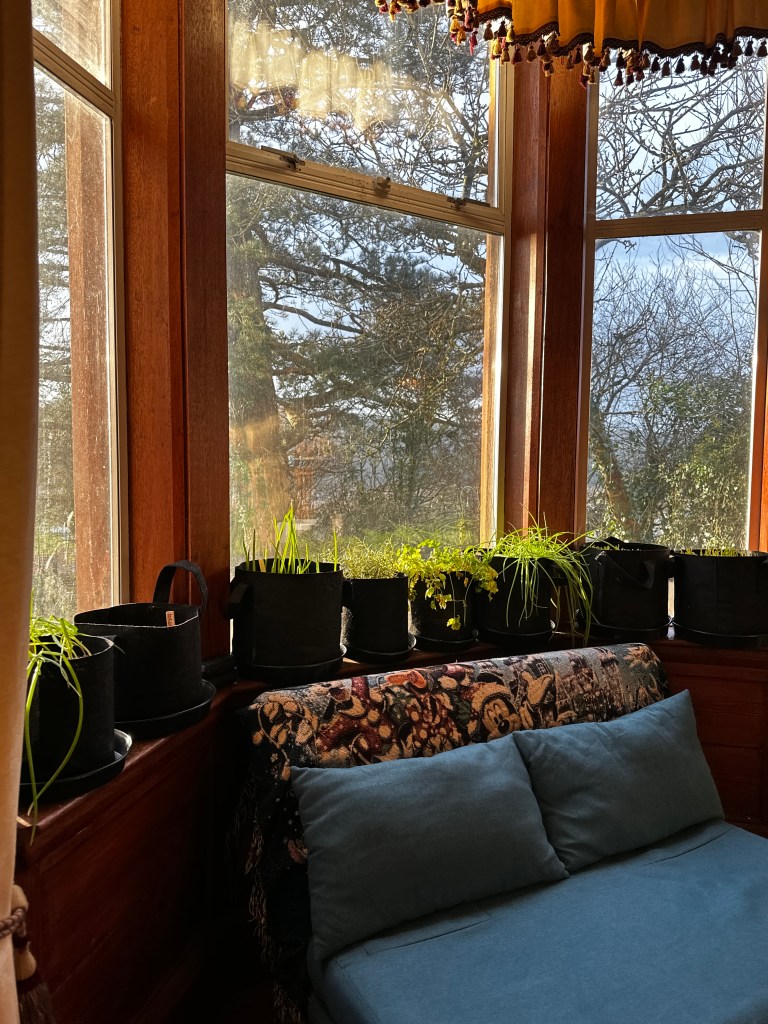
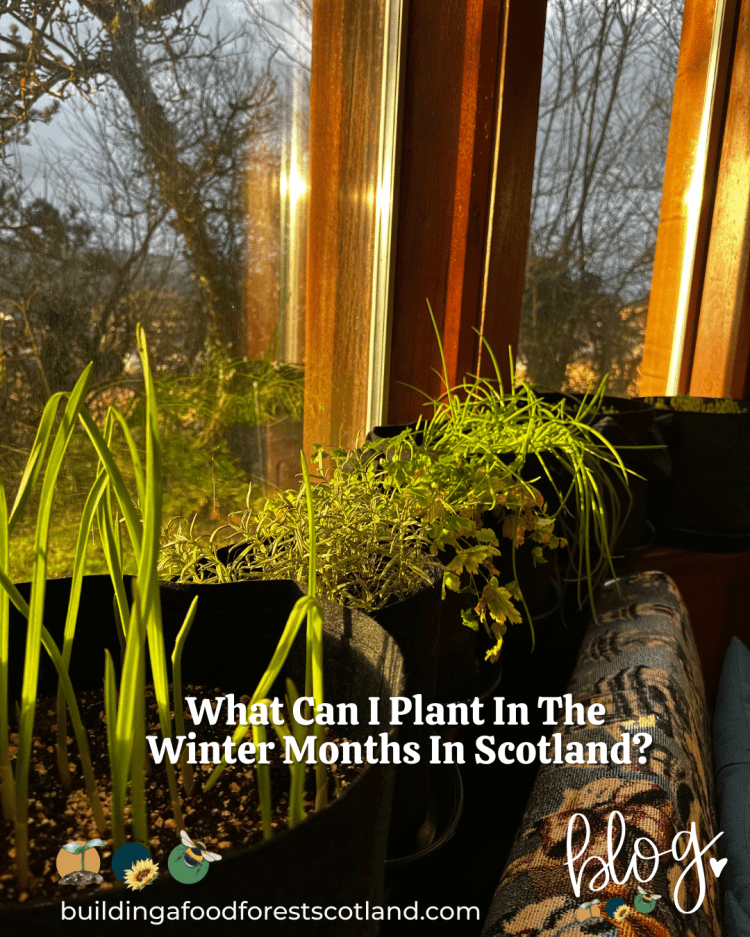
This gives onions a head start in Scotland’s shorter growing season. We have ours on a sunny windowsill with herbs, microgreens and flowers that’ll be transplanted out in Spring.

Salad Leaves & Microgreens: Indoors
If you have grow lights or a very bright window:
Winter lettuce
Mizuna
Mustard greens
Rocket
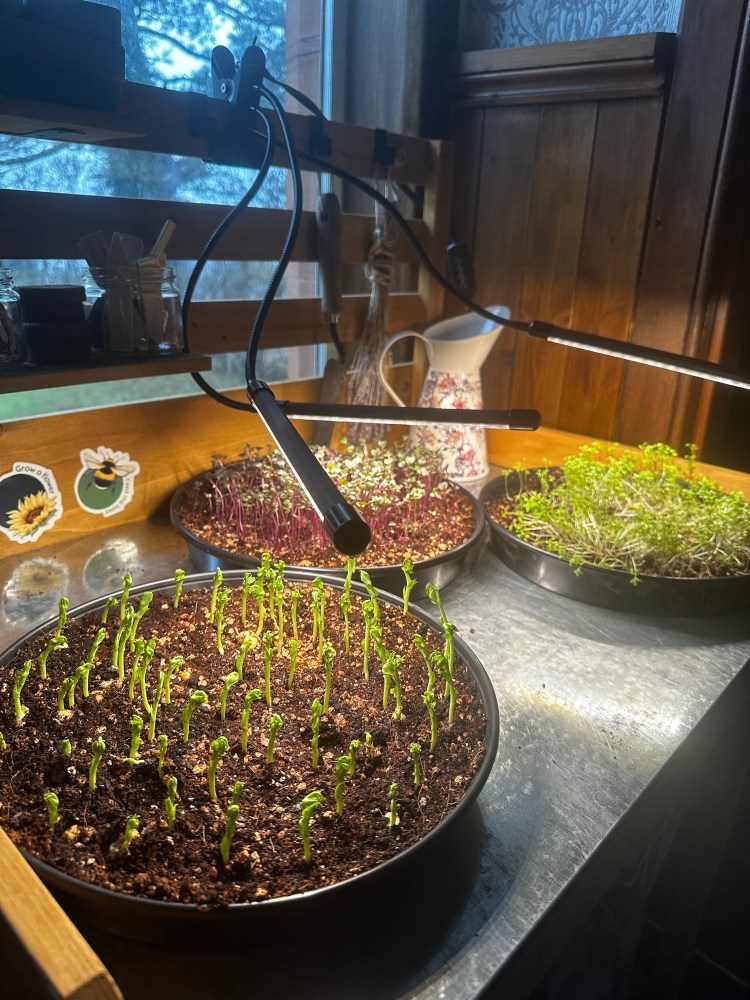
and a range of Microgreens, see this blog for more: Growing Microgreens: Fresh Food From Your Windowsill Over Winter
Sow sparingly and harvest as baby leaves. Growth will be slow without supplemental light, but it’s possible to enjoy fresh greens even in Winter.
Peas: Optional, Under Cover
Hardy pea varieties can be sown in pots under cover:
Sow in guttering or deep modules
Keep frost free
Plant out in early Spring
This is more suitable for milder coastal areas or gardeners with good protection.
Sowing Seeds in Winter – Flowers
December & January is an excellent time to sow certain hardy annuals and perennials, especially those that benefit from cold exposure (a process called vernalisation).
Hardy Annual Flowers: Under Cover
Sow in trays or pots in an unheated greenhouse or cold frame:
Sweet peas
Larkspur
Cornflowers
Calendula
Nigella (love-in-a-mist)
These seeds don’t need warmth to germinate and often produce stronger plants when exposed to Winter conditions gradually.
Perennial Flowers That Need Cold
Some perennials actually require cold temperatures to break dormancy:
Delphiniums
Lupins
Echinacea
Aquilegia
Sow in pots, label clearly and leave outside or in a cold frame. Germination may not happen until Spring, but Winter chilling improves success.
Sweet Peas: A Winter Favourite
Sweet peas are particularly suited to Winter sowing in Scotland:
Sow 1 seed per pot
Keep in a cold but sheltered place
Pinch out in spring for bushier growth
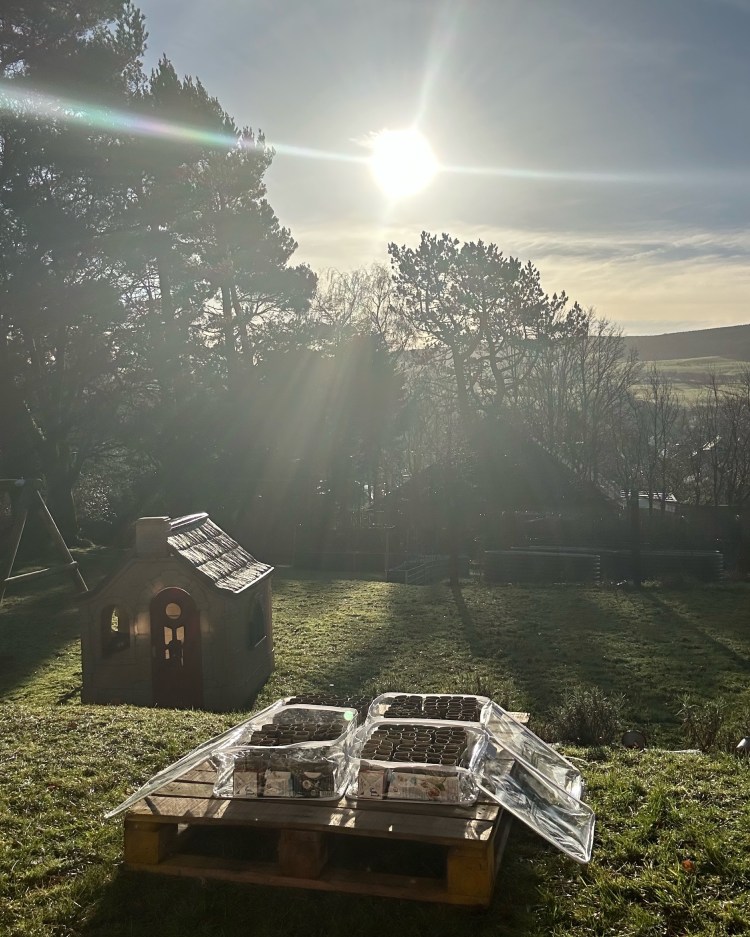
Winter sown sweet peas flower earlier and are more robust. Our Sweet peas in bedding containers that act like a cold frame outside.
What Not to Sow in December & January
It’s just as important to know what not to plant:
- Tomatoes, courgettes, pumpkins, beans (French/runner)
- Basil and tender herbs
- Half hardy annual flowers
These crops need warmth and light that simply aren’t available yet.
Planting Outdoors in Winter – Fruit Trees & Bushes
While seed sowing is limited, Winter is an excellent time for planting dormant fruit plants in Scotland, provided the ground is not frozen or waterlogged.
Fruit Trees
Bare root fruit trees are widely available from late autumn through Winter.
Best options include:
Apple trees
Pear trees
Plum trees
Damson trees
Planting fruit trees during Winter has several important advantages. At this time of year trees are fully dormant, which greatly reduces transplant shock and allows them to settle into their new position with minimal stress. While there is little visible growth above ground, roots can begin to establish slowly over the Winter months whenever the soil is workable, giving the tree a valuable head start.
This early root development means the tree is ready to put on strong, healthy growth as soon as temperatures rise in Spring. For best results, plant on a mild, frost free day, ensure the tree is staked securely to protect it from Winter winds and apply a generous mulch to conserve moisture and protect the roots, either leaves or wood chips, straw or compost.

Soft Fruit Bushes
Winter is ideal for planting bare-root bushes such as:
Blackcurrants
Redcurrants
Whitecurrants
Gooseberries
Raspberries (summer and autumn-fruiting)
These plants thrive when planted during dormancy and often crop better in their first year.
Blueberries: With Care
Blueberries can be planted in Winter if:
Soil is acidic (or grown in containers)
Drainage is excellent
Add ericaceous compost and mulch with pine bark or needles.
Strawberries
Strawberries are usually planted earlier in Autumn, but in mild areas:
Bare root strawberry plants can still go in
Ensure good drainage
Protect with straw or fleece if frost is severe
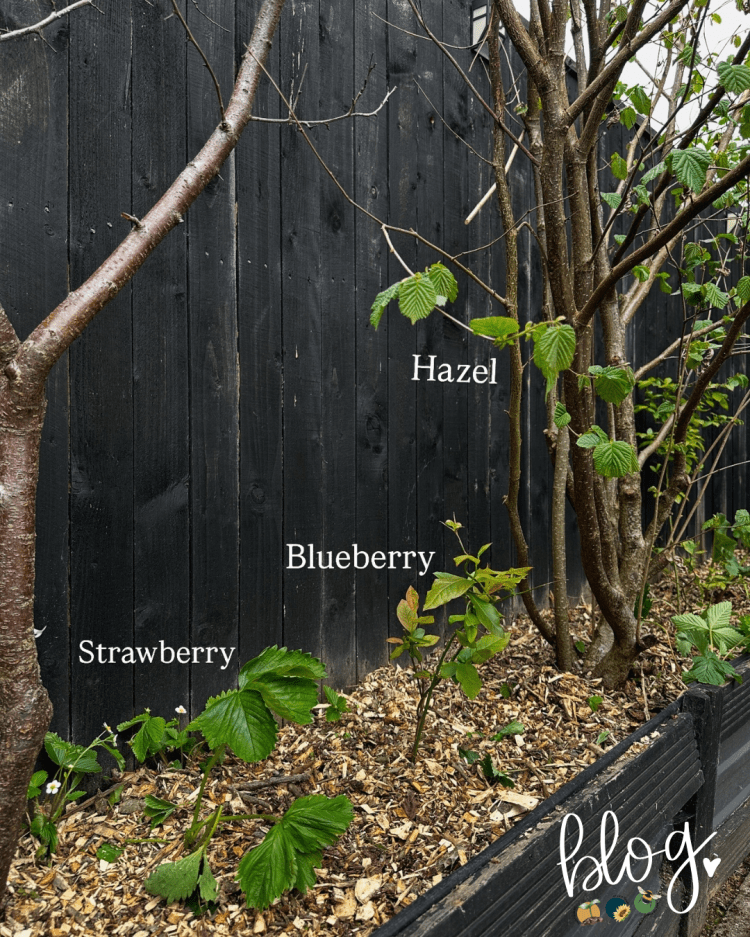
Container grown strawberries can be planted anytime the soil is workable. Our Strawberries get heavily mulched with leaves to protect them throughout the Winter.

Winter Protection Tips
Scottish Winters can be harsh and unpredictable, so providing protection for plants is essential at this time of year. Using horticultural fleece, cloches or cold frames helps shield young plants and newly sown seeds from frost, wind and excessive rain, while still allowing light and air to circulate.
Raising pots off the ground on bricks or pot feet improves drainage and prevents waterlogging, which can be just as damaging as frost in cold conditions. It’s also important to avoid planting when the soil is frozen or saturated, as this can damage roots and lead to poor establishment.
Applying a generous mulch around fruit trees and bushes helps insulate the soil, protect roots from temperature fluctuations and retain moisture. Taking these simple protective steps now can make a significant difference, reducing plant losses and giving your garden a stronger start when spring arrives.
Read more on this blog: How to Protect Plants from Frost and Freezing Temperatures in the UK
Planning Ahead
December & January is also an ideal time to step back and plan ahead for the coming growing season. Cleaning pots and seed trays now helps prevent the spread of pests and diseases, while checking seed viability ensures you’re not wasting time or space on old, unreliable seed.
Ordering seeds for Spring early gives you access to the best varieties before they sell out, and planning your crop rotation helps maintain healthy soil and reduce problems with pests and disease later in the year.
Winter is also a valuable opportunity to improve soil structure by adding compost or well rotted organic matter, allowing it to break down gradually and enrich the soil before planting begins. We talk a lot about Mulching on here, read blog for more info: Building Resilient Soil: Composting and Mulching
Gardening in Winter is very much about laying strong foundations rather than instant results, and although Winter may appear quiet, it is far from a wasted months in the Scottish garden. By sowing hardy seeds under cover and planting fruit trees and bushes while they are dormant, you are setting yourself up for a productive and rewarding growing season ahead.
Patience is key. Growth will be slow, but what you do now will pay off when Spring finally arrives.
Happy Gardening!


Follow Us Across Our Socials
Katrina & Clayton and family live in East Ayrshire and share their daily life in the garden on instagram. They practice permaculture principles in the garden, reducing & repurposing waste whenever they can. Katrina shows how home educating in nature has helped Clayton thrive.
Clayton Completed The 2 Grow and Learn Courses with the Royal Caledonian Horticultural Society. He is Autistic, Non Verbal & has been Home Educated since 2018. Katrina & Peter hold their PDC & PDC PRO Permaculture Design Course from Oregon State University.
They featured on BBC Beechgrove Gardens Ep23 2022 and returned in 2023 for an update, Katrina & Clayton are also columnists for ScotlandGrows Magazine, Guest Blog for Caledonian Horticulture as well as working with Gardeners’ World Magazine and many other brands.
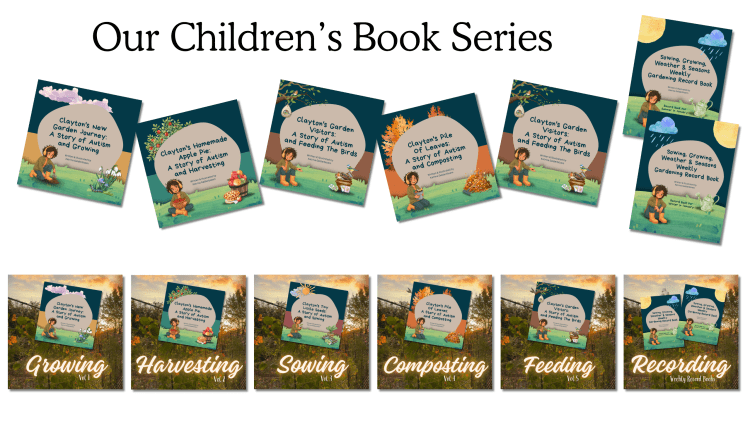
They are also Author of the new Children’s Book Series: Clayton’s Garden Journey: Stories of Autism and Gardening. Topics on Growing, Harvesting, Sowing & Composting and 108 Page Weather and Seasons Weekly Gardening Record Book available on Amazon and Kindle.
Listen in on their Guest Podcasts to learn more about them.

Get Weekly Blogs Straight To Your Inbox
Our Children’s Book Series
Author of the new children’s book series: Clayton’s Garden Journey: Stories of Autism and Gardening. Including Stories on Growing, Harvesting, Sowing, Composting, Feeding The Birds and A Sowing, Growing, Weather and Seasons Weekly Gardening Record Book available on Amazon and Kindle

Visit Our Print On Demand Stores
Redbubble Store – Worldwide! 200+ garden & nature-inspired designs on coasters, phone covers, tote bags, mouse mats and so much more. Perfect for plant lovers, gardeners and anyone who wants to bring a touch of the outdoors into everyday life

Discover more from Building a Food Forest -Scotland
Subscribe to get the latest posts sent to your email.

3 thoughts on “What Can I Plant In The Winter Months In Scotland?”