
Get Weekly Blogs Straight To Your Inbox

As Spring Awakens: Preparing for Pests, Dormant Diseases and Wildlife in the Garden
There’s a noticeable shift that happens as Winter begins to loosen its grip. The light changes first. Then the soil softens. Buds swell almost quietly as if testing the air before committing to growth. But it isn’t just plants that wake up in Spring. Everything does. Insects stir beneath the soil surface. Fungal spores begin to activate. Birds grow bolder. Wildlife expand their foraging range.
If we garden with nature rather than against it, this moment matters. Early Spring is not simply a planting window, it’s a turning point in the ecological balance of the garden. What we do now determines whether the coming months feel harmonious or reactive.
The Early Spring Surge
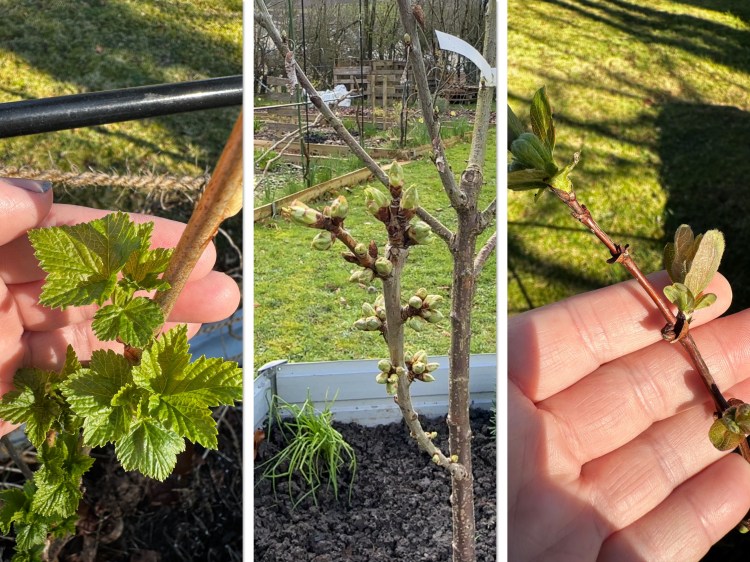
As temperatures consistently rise above the low single digits, life accelerates quickly. Sap begins to flow in trees. Tender shoots push upward. Soil microbes become active again. Earthworms move closer to the surface.
At the same time, pests that overwintered in leaf litter, bark crevices, compost heaps and topsoil begin emerging.
Common Early Spring Pests
Aphids: Often appear on tender new growth first. They overwinter as eggs and hatch just as sap starts flowing.
Slugs & Snails: Thrive in damp soil and fresh mulch. Mild Winters can mean bigger populations.
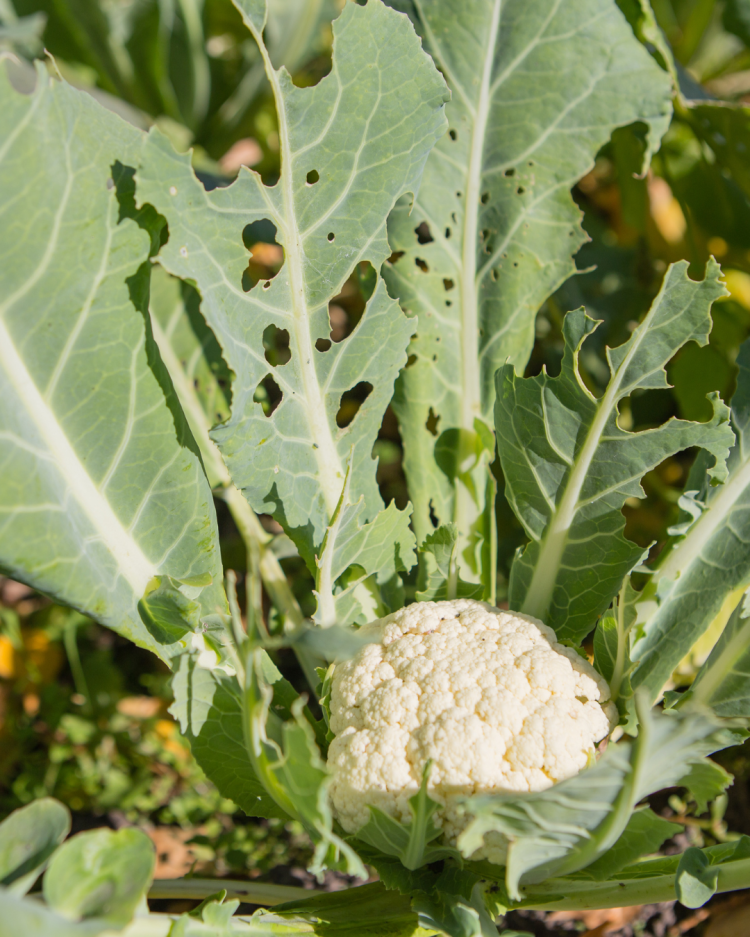
Cabbage white butterflies: Begin laying eggs on brassicas surprisingly early in sheltered spots.
Vine weevil larvae: Continue feeding in containers and raised beds as soil warms.
What to do now:
Inspect new growth weekly
Encourage natural predators early (ladybirds, hoverflies, birds).
Avoid overfeeding nitrogen early on, soft growth attracts aphids.
Lift pots and boards to check for slug clusters before they multiply.
Spring isn’t about eliminating pests. It’s about spotting imbalance early before problems emerge
None of this is abnormal. It is simply timing. The key thing to understand is that early Spring is a race. Plants are growing. Pests are feeding. Predators are waking. The system is recalibrating after Winter dormancy. If predator populations establish quickly, balance follows. If pests gain momentum first, we tend to notice problems.
That’s why preparation BEFORE full growth takes off is so important.
Dormant Diseases Reawaken
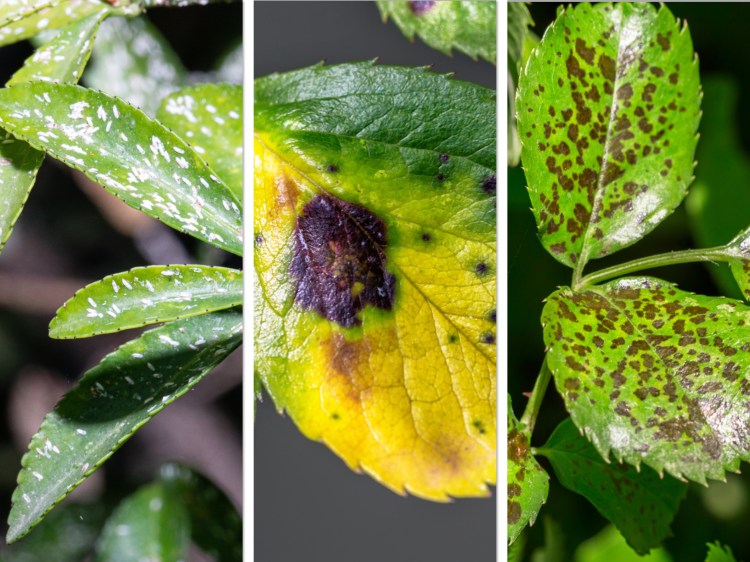
Winter often hides issues that were present the previous season. Fungal spores linger on fallen leaves. Bacterial infections sit quietly in pruning wounds. Soil borne pathogens remain dormant until warmth and moisture trigger activity.
What to look out for:
Black spot on roses
Apple scab on fruit trees
Powdery mildew in sheltered areas
Rot in waterlogged beds
Preventative approach:
Remove visibly infected debris before growth accelerates.
Prune for airflow.
Avoid overhead watering early in the season.
Improve drainage where water lingers.
This doesn’t mean stripping the garden bare. Leaf litter plays an important role in soil health and insect habitat. But there’s a difference between healthy organic matter and visibly diseased material. Early Spring is the moment to observe carefully and remove what could become a source of reinfection.
Airflow is often overlooked. Pruning at this time isn’t about shaping for aesthetics; it’s about allowing light and air to penetrate. Good airflow dries leaf surfaces more quickly, reducing fungal spread naturally. In layered planting systems, thoughtful thinning can make the difference between resilience and recurring problems.
Wildlife Pressure Increases
As natural forage is still limited in early spring, gardens become attractive feeding grounds. Tender shoots are more digestible than tough Winter grasses. Newly planted beds are easy to disturb. Seeds are exposed and vulnerable.
Common Spring Wildlife Issues
Birds scratch for insects and dislodge seedlings in the process.
Pigeons strip brassicas.
Deer browse emerging growth.
Rabbits graze low shoots before plants establish strength.
Squirrels dig in freshly worked soil, sometimes out of curiosity more than hunger.
Balanced responses:
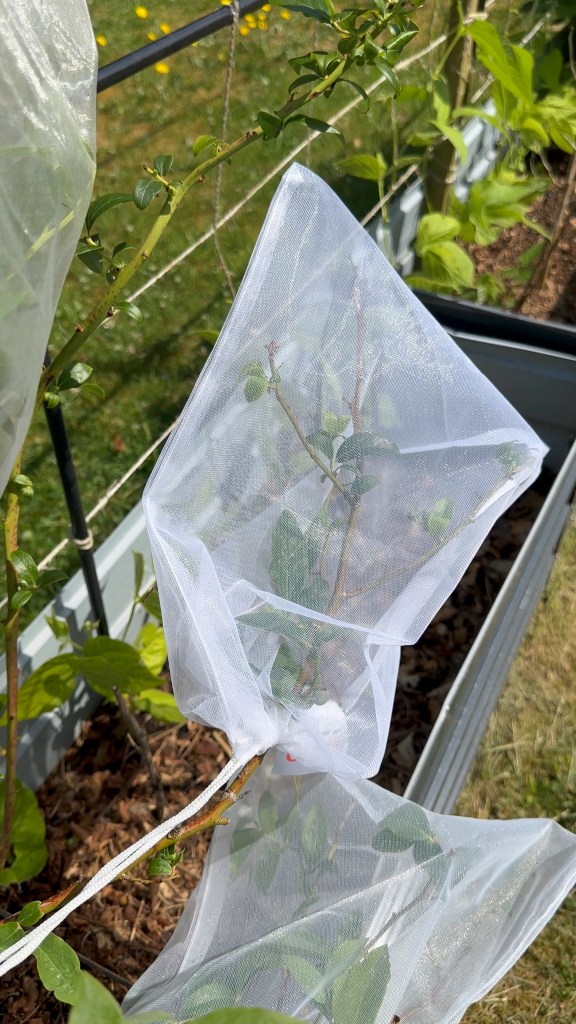
Use netting temporarily on vulnerable crops.
Sow slightly thicker than needed to allow for losses.
Provide alternative habitat and food sources away from main beds.
Accept some sharing, especially in perennial systems.
It helps to remember that early Spring is lean for wildlife. Food sources are still rebuilding. Our gardens often provide the first reliable nourishment available.
Long term resilience comes from diversity. When gardens offer year round habitat, predator populations remain present. Owls, foxes, birds of prey, hedgehogs, beetles and beneficial insects all contribute to regulating numbers. A simplified garden invites imbalance, a layered system moderates it.
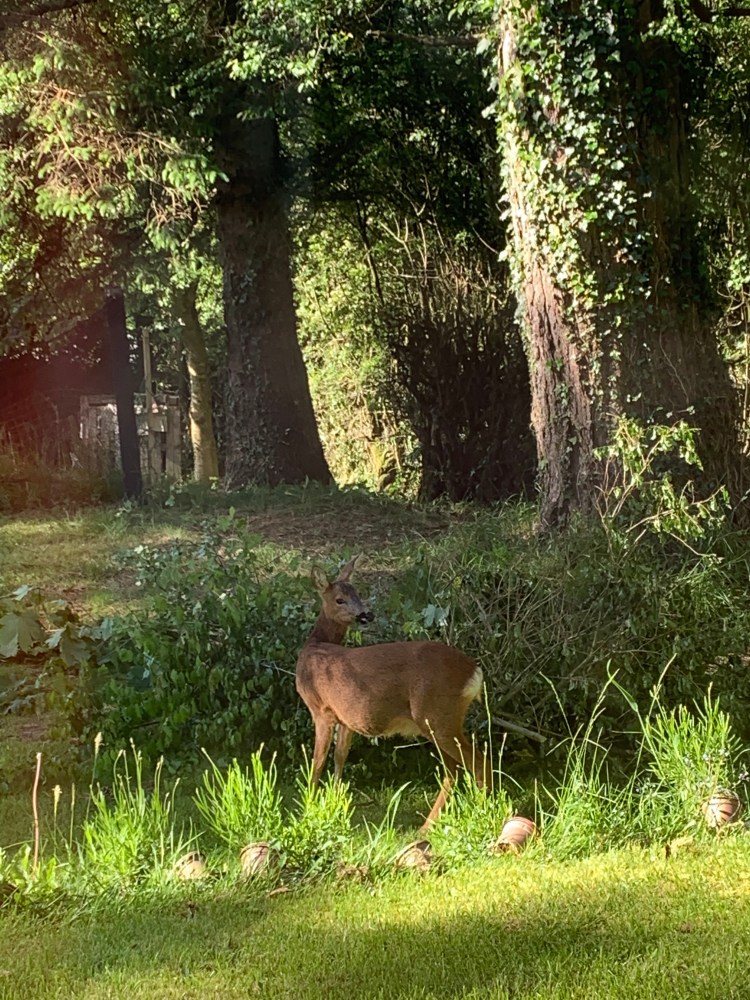
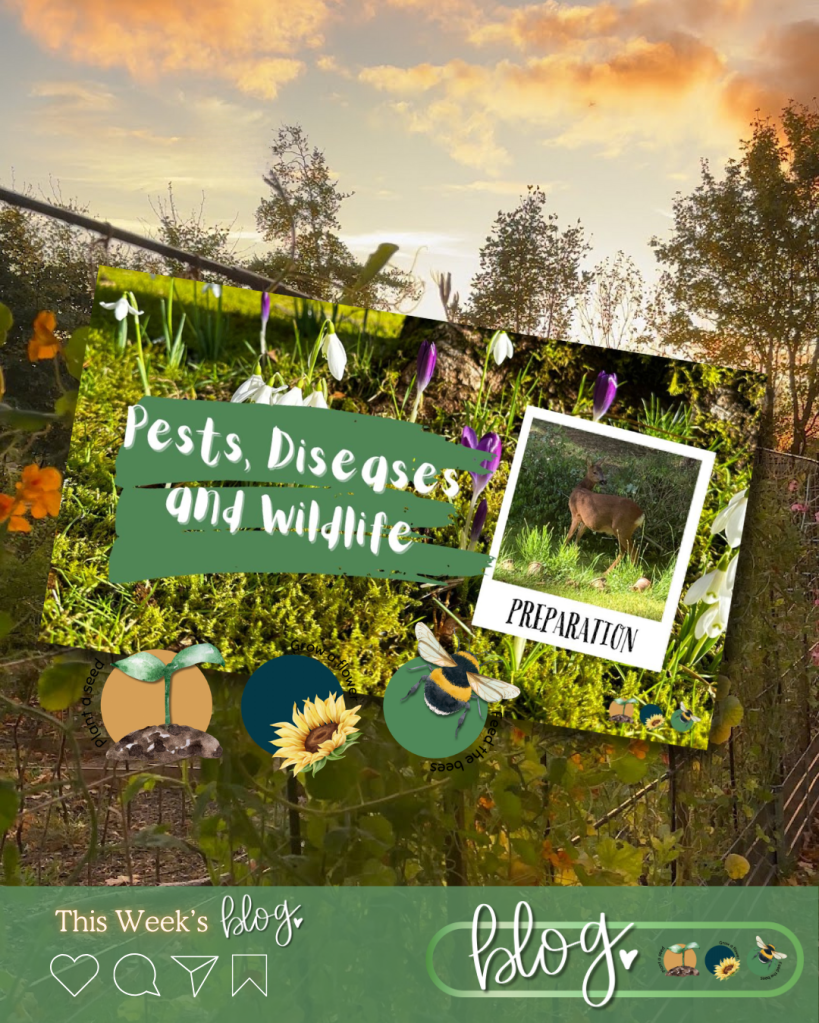
Deer have probably been our biggest challenge here.
They used to wander in from the field beside us, move through the garden as if it were part of their natural route, eat whatever took their fancy, then calmly cross the road into the neighbour’s garden and do exactly the same before heading back out into the fields on the other side. It wasn’t selective grazing, it was systematic. Tender shoots, young trees, leafy crops, FULL beds of lupins, nothing was off the menu.
For a while we tried working around it. Planting extras. Accepting losses. Protecting individual trees. But when you’re building a food forest and relying on a productive growing space, there comes a point where sharing becomes unsustainable.
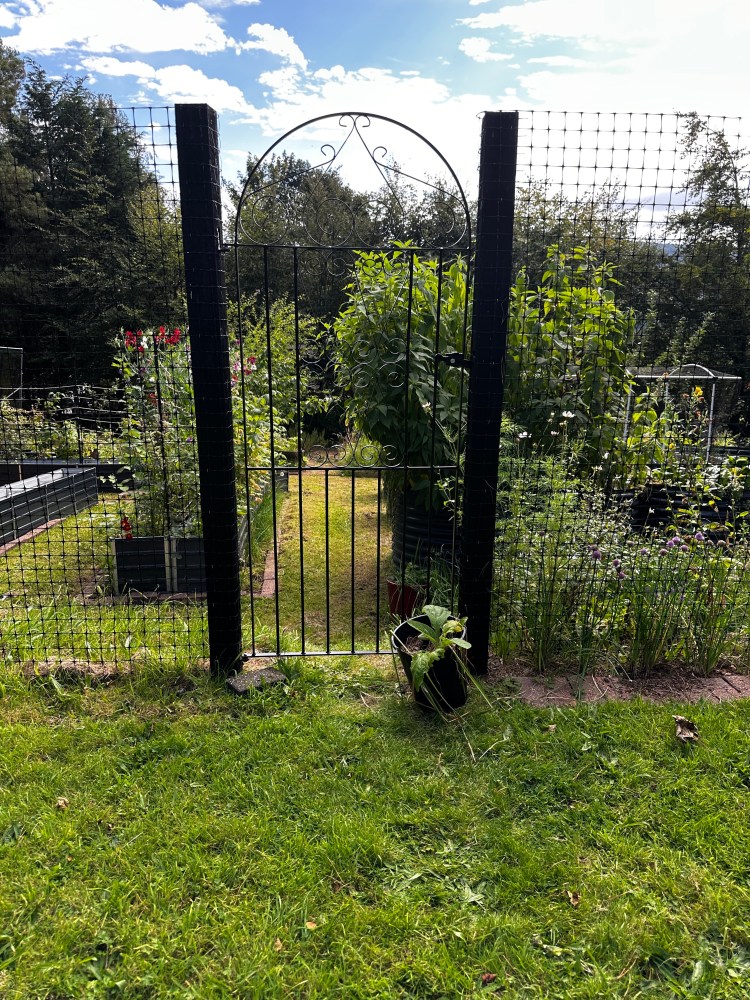
Last year we made the decision to put our entire garden budget into proper fencing. We enclosed the full food area, both the food forest and the raised bed section with high deer fencing. It wasn’t the most exciting investment. No new plants, no new beds, no expansion. Just infrastructure. But it changed everything.
We wanted to deers to be able to come in as they had for decades but simple use it to cross not as a buffet, hence fencing in the food areas and not the boundary edges. However at the same time, our neighbours fenced the full length of their garden perimeter. Together, it quietly altered the deer’s route. They can no longer move cleanly from one field, through our gardens, and out the other side. The corridor has closed.
Now they pass a few houses down where there’s a public opening between the fields. They still move through the landscape, just not through our gardens.
It was a reminder that sometimes resilience isn’t about constant replacement or adaptation. Sometimes it’s about thoughtful boundary setting. The deer haven’t disappeared. They’ve simply adjusted and so have we. We still see them in the fields at 8am and 6pm crossing through.
The garden feels calmer now. Growth gets a chance to establish. Young trees can put on height without being grazed back repeatedly. It’s allowed the system to mature in a way that wasn’t possible before.
Wildlife will always move through the edges of a garden like ours and that’s part of the landscape we live in. But protecting the core growing space has given us balance rather than battle.
Beneficial Insects Need a Head Start
While we often focus on pests, early Spring is just as crucial for beneficial species. Queen bumblebees emerge alone, searching urgently for nectar to rebuild energy reserves before establishing nests. Hoverflies begin appearing. Ladybirds become active as temperatures rise. If early nectar sources are absent, these beneficial populations build slowly. When pests hatch before predators establish, numbers skew quickly.
Support them with:
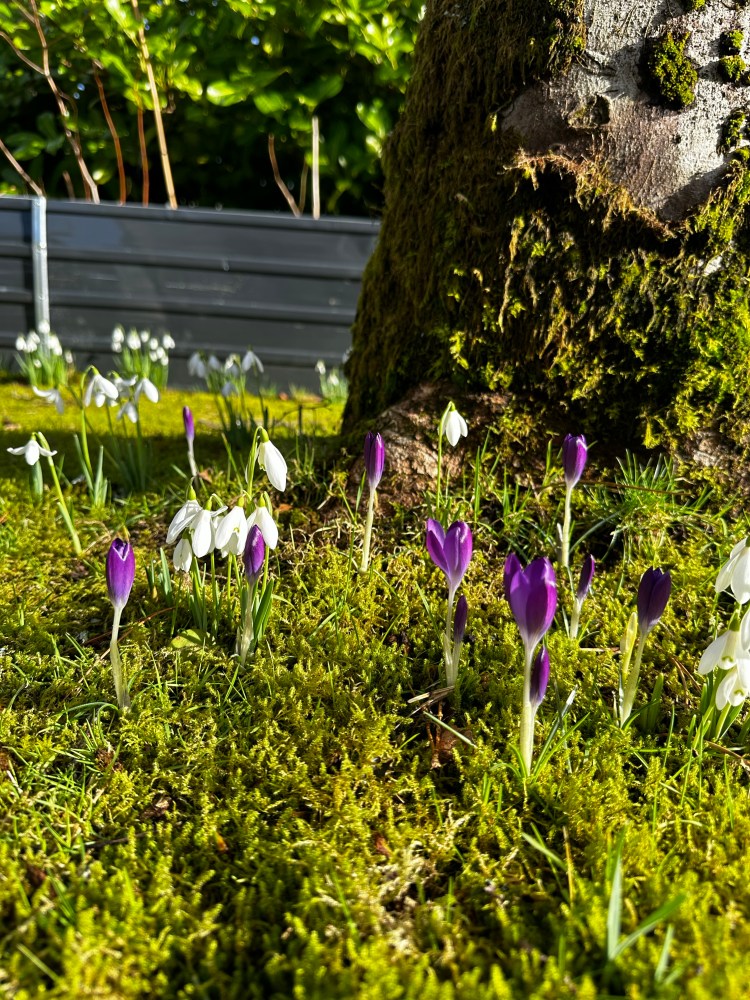
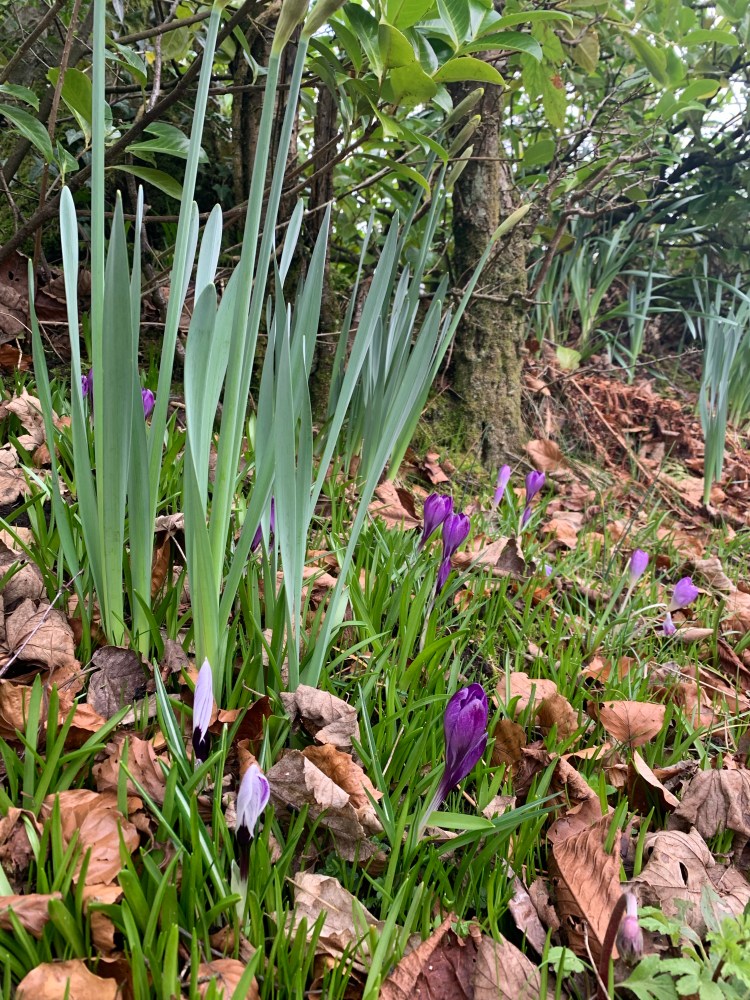
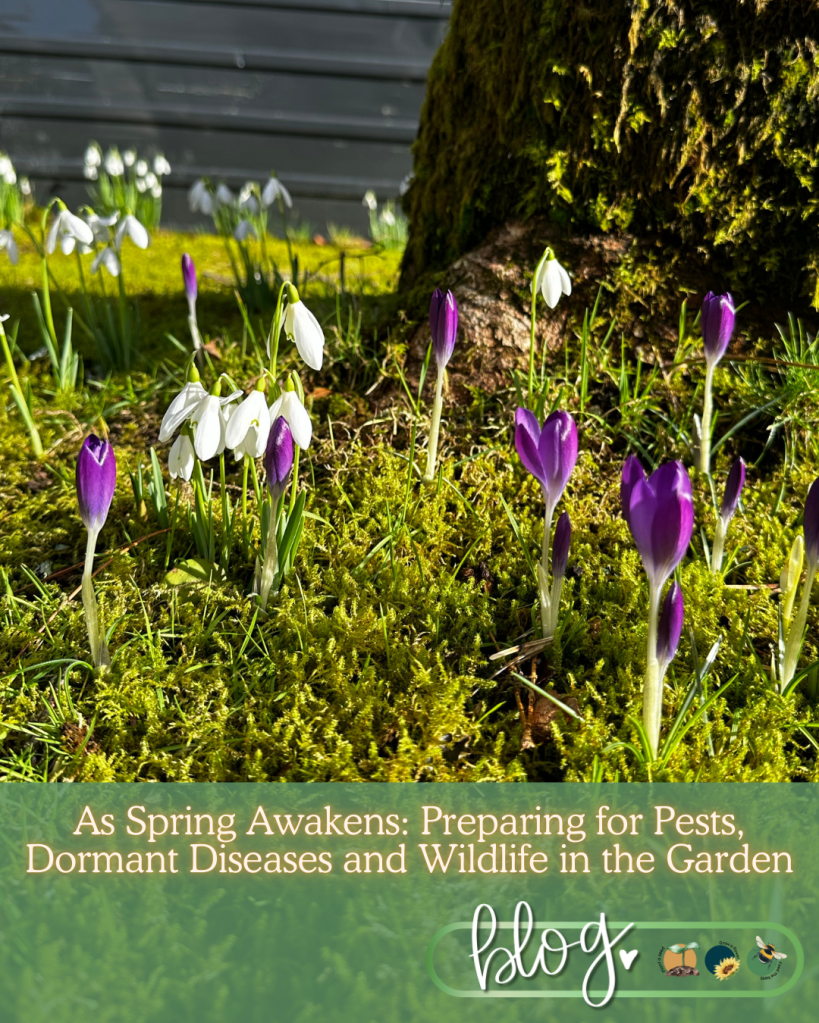
Early flowering bulbs: crocus, snowdrops, hellebores
Flowering herbs: thyme, rosemary
Leaving some undisturbed habitat
Avoiding broad spectrum sprays entirely
Even small patches of bloom make a difference. Avoiding sprays of any kind is essential at this stage. Broad treatments, even organic ones, disrupt predator prey cycles just as they’re forming.
Balance in May is built in March.
Soil Life and Disturbance
Below ground, a quieter but equally important shift is happening.
Soil microbes begin metabolising again.
Fungal networks reconnect.
Earthworms resume surface activity, incorporating organic matter into deeper layers.
This is when heavy disturbance can cause setbacks. Working saturated soil compacts structure and collapses pore spaces. Turning beds aggressively breaks fungal threads that support plant health. The instinct to “tidy” and dig everything over can sometimes undo the natural rebuilding process already underway.
A gentler approach often yields better long term results. Top dressing compost instead of digging it in allows worms to integrate it gradually. Applying mulch moderates temperature fluctuations and feeds microbial life. Allowing soil to warm naturally rather than exposing it completely can support steady biological activity. We use leaf mulch as Winter protection around our plants, we add a top dressing around it. Top dress and let worms incorporate it naturally.
Think in Layers, Not Replacement
Leaf mulch is already doing important work:
- Protecting soil structure
- Moderating temperature swings
- Feeding fungal networks
- Supporting worms and microbial life
- Suppressing weeds
Removing it completely disrupts that living layer just as soil biology is waking up in Spring.
Instead of clearing it off, gently pull the leaf mulch back from just around the base of plants, add your compost or top dressing directly to the soil surface, and then return the mulch around it.
That way:
Nutrients reach the root zone
Soil life remains undisturbed
Moisture stays conserved
Fungal networks stay intact
Any unplanted space still is covered by mulch
Heavy digging in wet soil can:
Damage soil structure
Collapse fungal networks
Creates compaction
If you follow a low disturbance approach, Spring is about feeding soil life, not flipping it.
Nutrient Surges and Soft Growth
One common mistake in early Spring is overfeeding. Nitrogen rich fertilisers applied too early can push rapid, soft growth. While lush leaves look promising, they’re more attractive to aphids and more susceptible to fungal disease.
Steady, balanced nutrition encourages stronger cell structure. Compost and well rotted organic matter release nutrients gradually, aligning better with plant needs.
The goal is not maximum early growth. It is stable, resilient growth.
Patterns of Imbalance
When Spring problems feel overwhelming, it’s often a sign of underlying imbalance rather than seasonal misfortune. Large areas of exposed soil invite weed colonisation and moisture loss. Monocultures attract specialist pests. Lack of predator habitat allows insect populations to spike unchecked. Poor drainage encourages rot.
Observing patterns year to year reveals much. Are the same plants affected each Spring? Does disease cluster in one damp area? Are pest outbreaks worse following heavy feeding?
Spring is revealing. It shows us where systems need adjusting.
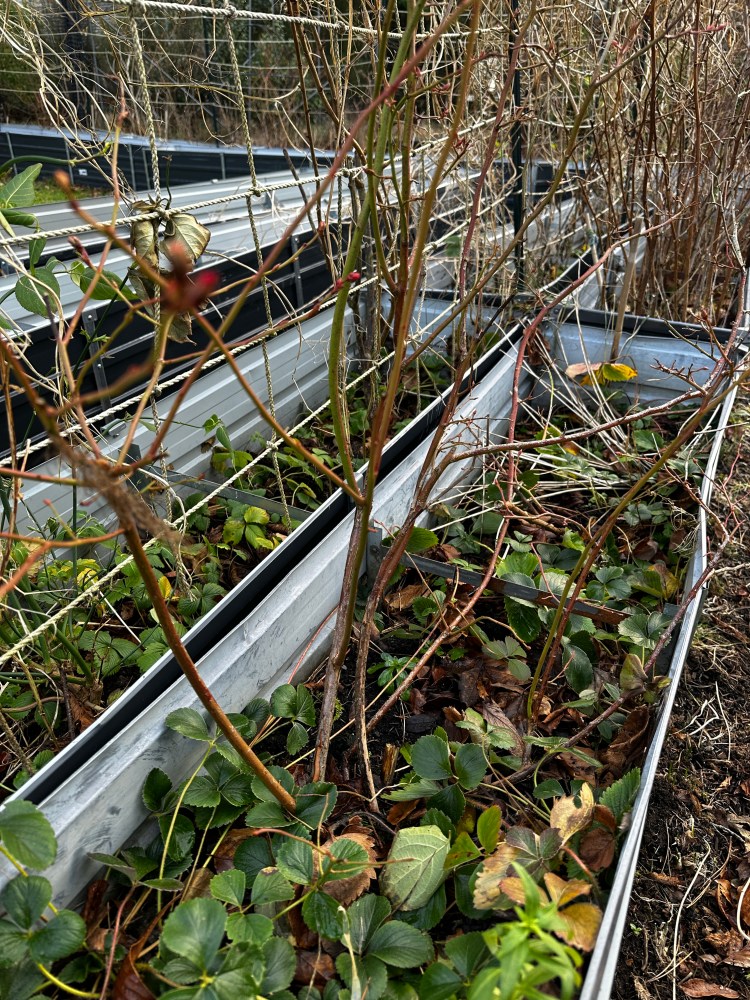
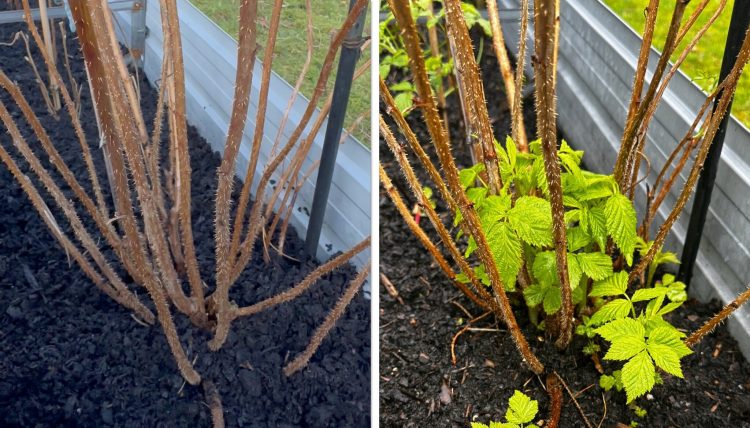
Working With the Season
Preparing gardens for wildlife activity isn’t about control. It’s about anticipation. By understanding what wakes and when, we can act early in subtle ways that guide balance.
Clearing diseased material before growth accelerates reduces reinfection pressure.
Pruning for airflow supports plant health.
Supporting pollinators ensures predator populations follow.
Protecting vulnerable crops temporarily allows establishment without long-term exclusion. Feeding soil life builds resilience below ground.
When everything begins moving at once, the instinct can be to intervene heavily. But often the most effective approach is lighter than we expect.
Spring is dynamic. It carries momentum. Our role is not to stop that momentum, but to shape it gently.
A garden that has been supported through Winter with habitat left intact, soil covered, diversity maintained, usually transitions more smoothly. A garden stripped back to bare earth must rebuild relationships from scratch each year.
Preparing for wildlife in Spring is really about preparing for balance. Pests, diseases, birds, insects, mammals, they are all part of the same system. Problems arise when one element accelerates without the others keeping pace.
If we look closely as the season turns, we can see the shifts beginning. And when we respond early, thoughtfully and with ecological awareness, Spring becomes less about firefighting and more about flow.
That’s when the garden truly starts to wake, not just in growth, but in harmony.
Happy Gardening!

Follow Us Across Our Socials
Katrina & Clayton and family live in East Ayrshire and share their daily life in the garden on instagram. They practice permaculture principles in the garden, reducing & repurposing waste whenever they can. Katrina shows how home educating in nature has helped Clayton thrive.
Clayton Completed The 2 Grow and Learn Courses with the Royal Caledonian Horticultural Society. He is Autistic, Non Verbal & has been Home Educated since 2018. Katrina & Peter hold their PDC & PDC PRO Permaculture Design Course from Oregon State University.
They featured on BBC Beechgrove Gardens Ep23 2022 and returned in 2023 for an update, Katrina & Clayton are also columnists for ScotlandGrows Magazine, Guest Blog for Caledonian Horticulture as well as working with Gardeners’ World Magazine and many other brands.
They are also Author of the new Children’s Book Series: Clayton’s Garden Journey: Stories of Autism and Gardening. Topics on Growing, Harvesting, Sowing & Composting and 108 Page Weather and Seasons Weekly Gardening Record Book available on Amazon and Kindle.
Listen in on their Guest Podcasts to learn more about them.
Get Weekly Blogs Straight To Your Inbox

Our Children’s Book Series
Author of the new children’s book series: Clayton’s Garden Journey: Stories of Autism and Gardening. Including Stories on Growing, Harvesting, Sowing, Composting, Feeding The Birds and A Sowing, Growing, Weather and Seasons Weekly Gardening Record Book available on Amazon and Kindle

Visit Our Print On Demand Stores
Redbubble Store – Worldwide! 200+ garden & nature-inspired designs on coasters, phone covers, tote bags, mouse mats and so much more. Perfect for plant lovers, gardeners and anyone who wants to bring a touch of the outdoors into everyday life

Discover more from Building a Food Forest -Scotland
Subscribe to get the latest posts sent to your email.
