
Get Weekly Blogs Straight To Your Inbox

What to Plant in Scotland Each Month: Veg, Fruits, Herbs & Edible Flowers. Planting in March
Planting in March
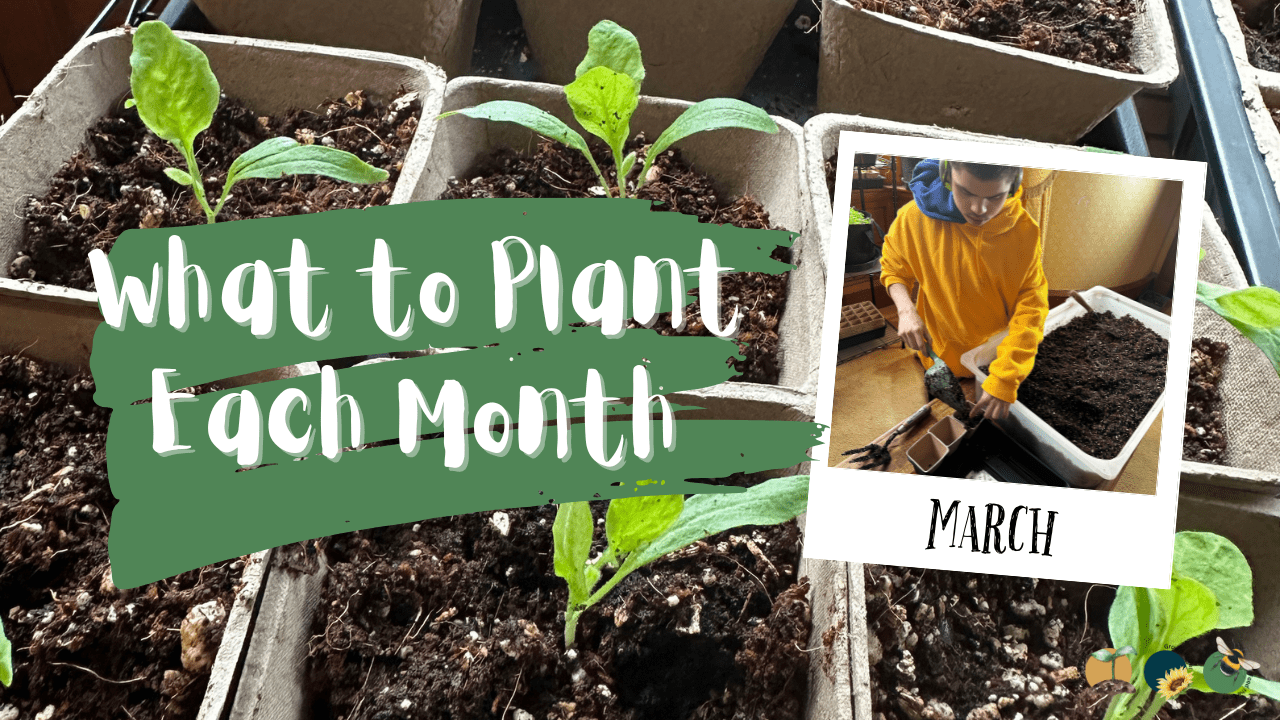
March is when the Scottish garden properly wakes up. Light levels improve, soil begins to warm (slowly), and both indoor sowing and some outdoor sowing become possible, weather depending.
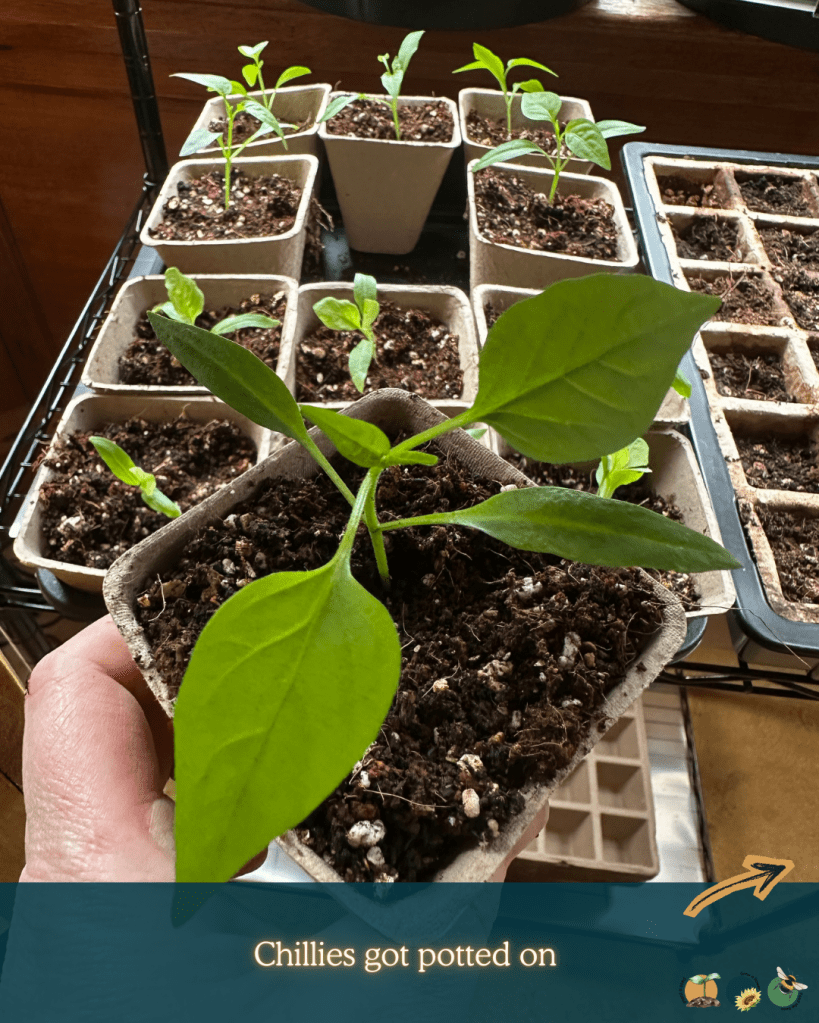
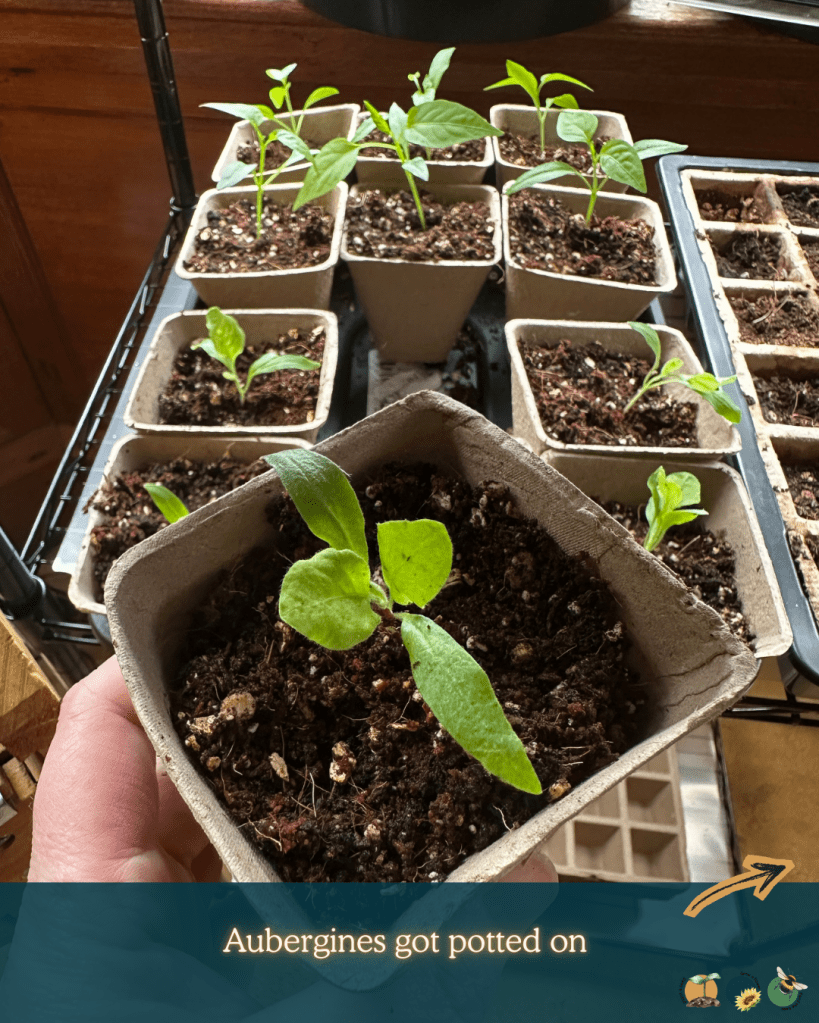
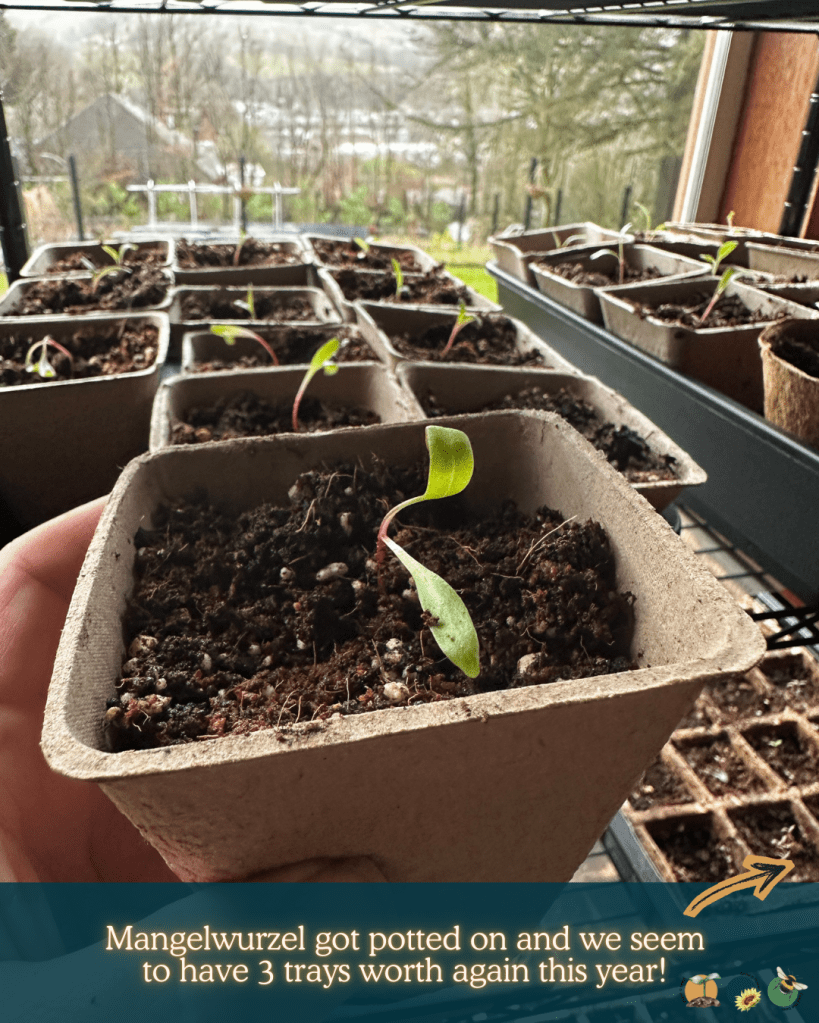
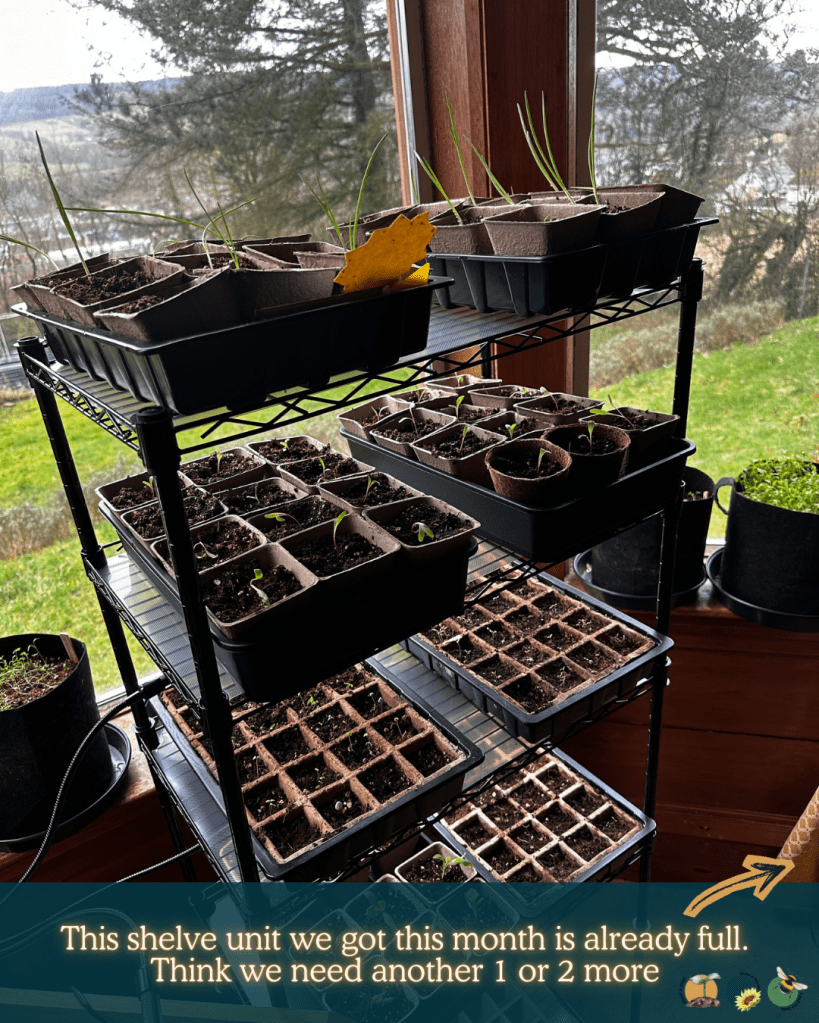
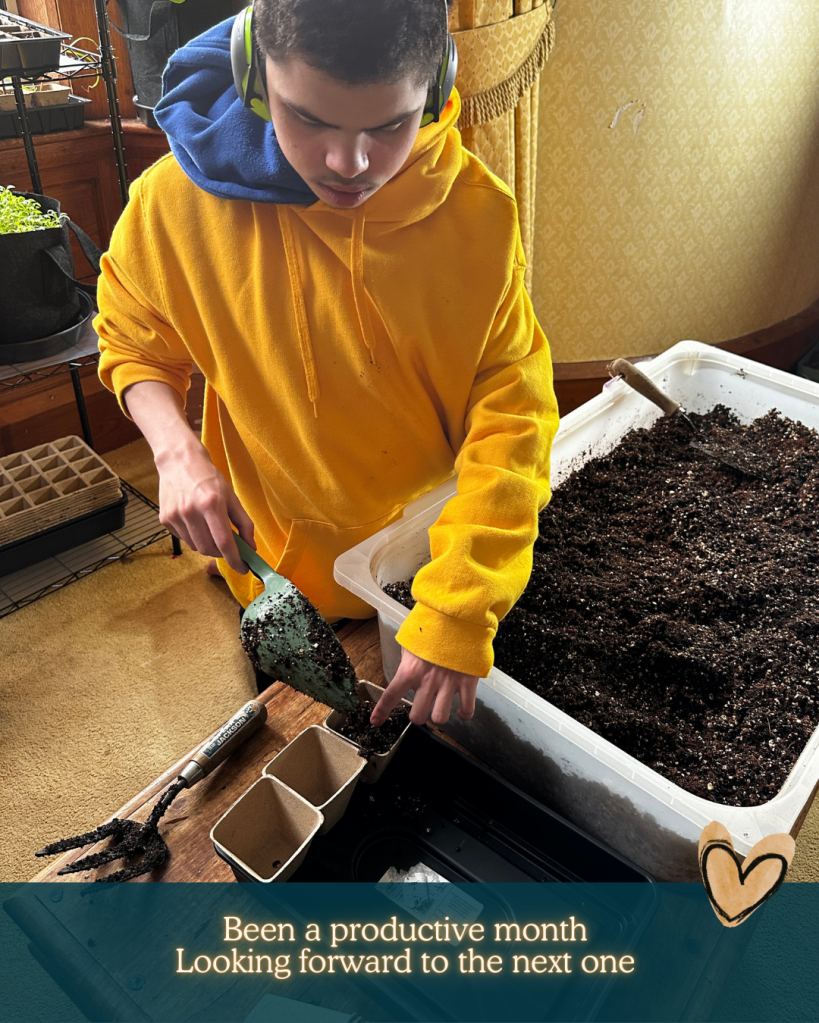
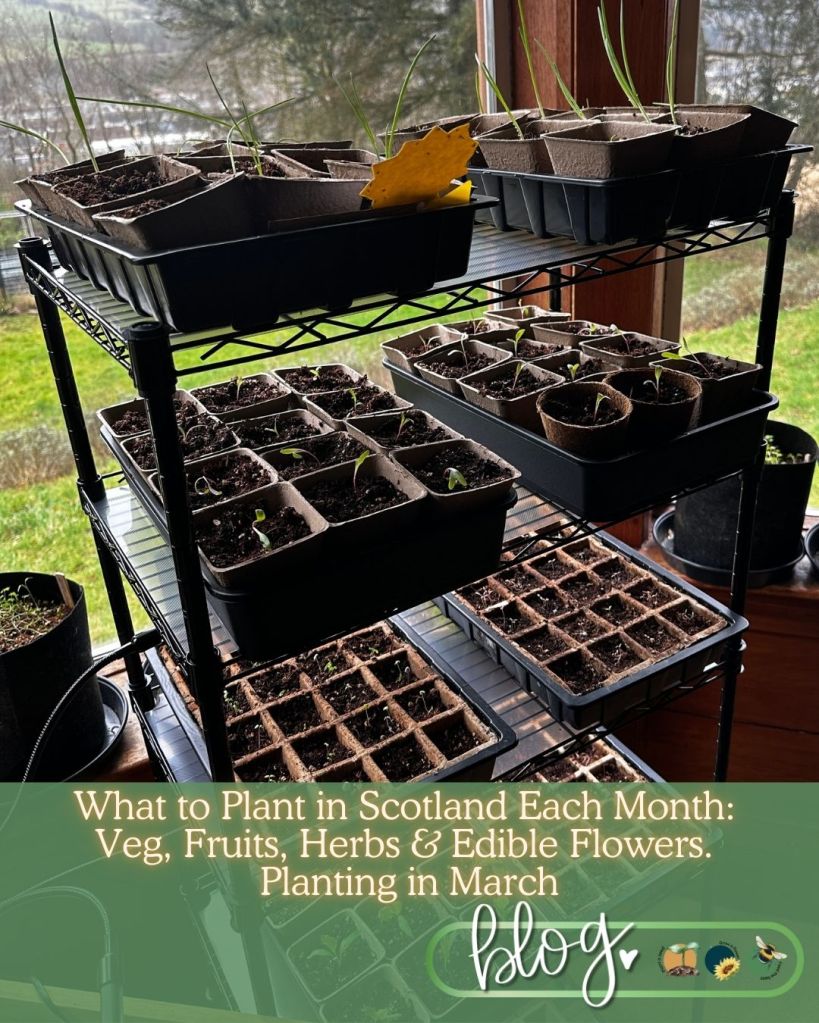
PHOTOS: From the round up of the end of the previous month. To show where we got to with our growing and sowing

Vegetable Seeds To Start Indoors In March
Tomatoes: reliable and fast growing; start now for summer harvests.
Chillies & sweet peppers: need warmth and a long season; sow early for best yields.
Aubergines: slow to mature, require steady heat and strong light.
Courgettes (late March): quick to germinate; avoid sowing too early as they grow fast.
Pumpkins & squash (late March): vigorous growers, start indoors to get a head start.
Cucumber (greenhouse types): prefer consistent warmth, ideal for protected growing.
Leeks: long growing season, early sowing produces strong Autumn plants.
Lettuce: quick and easy, perfect for cut-and-come-again crops.
Cabbage (Summer varieties): hardy and dependable, sow now for early Summer harvests.
TIPS
March offers stronger light, which means sturdier seedlings, but temperatures can still fluctuate. Use a propagator for warmth loving crops like tomatoes and peppers and move seedlings to a bright, cool spot after germination to prevent legginess.
Harden off gradually before planting outside, and only direct sow outdoors if soil is workable and not waterlogged.
Providing bottom heat, such as a heated propagator or heat mat, can significantly improve germination rates during cold, low light months. Read more in this blog: The Importance of Seed Starting with Heat Mats and Grow Lights

Herb Seeds To Start Indoors In March
Herbs are ideal for indoor sowing and windowsills.
Basil: tender and heat loving, start indoors for a strong summer supply.
Parsley: slow to germinate, benefits from early sowing and patience.
Coriander: quick growing, ideal for succession sowing every few weeks.
Dill: fast and delicate, best grown on in pots to avoid root disturbance.
Chives: hardy and reliable, edible leaves and flowers.
Thyme: slow but sturdy; prefers free draining compost and bright light.
Oregano: easy perennial, strong flavour improves as plants mature.
Sage: steady grower, best started early for robust summer plants.
Lemon balm: vigorous perennial, fresh lemon scented leaves and flowers for teas.
TIPS
Herbs benefit from March’s increasing daylight but still require warmth to germinate well. Sow seeds thinly and avoid overwatering. Many Mediterranean herbs prefer free draining compost and dislike sitting wet. Begin hardening off hardy herbs toward the end of the month if weather allows.
If you need more information and detail on growing these head over to ours guides, we have one on each of these herbs in full detail. Guides to the Fruits, Herbs & Edible Flowers We Grow: Cultivation, Care & Harvesting

Edible Flower Seeds To Start Indoors In March
Viola / Pansy: cold hardy and long flowering, perfect for salads and cake decoration.
Calendula: fast and cheerful, edible petals fresh or dried.
Nasturtium (late March): quick growing; peppery flowers and leaves
Cornflower: hardy and easy, vibrant petals for garnishes and teas.
Borage: vigorous and pollinator friendly, mild cucumber flavoured flowers.
Chives & Garlic Chives: edible pom-pom blooms, reliable perennial clumps.
Echinacea: long lived perennial; petals edible, requires warmth or prior cold stratification.
TIPS
March is ideal for starting both hardy and half hardy edible flowers, although some of these we just plant direct outside in May, like Calendula and Nasturtium
Sow surface-germinating varieties without covering heavily, as many require light. Keep seedlings cool and bright to prevent weak growth. Hardy varieties such as cornflowers can be direct sown outdoors in mild areas toward the end of the month.
If you need more information and detail on growing these head over to ours guides. Guides to the Fruits, Herbs & Edible Flowers We Grow: Cultivation, Care & Harvesting

Fruit & Nut Trees To Plant Outside In March
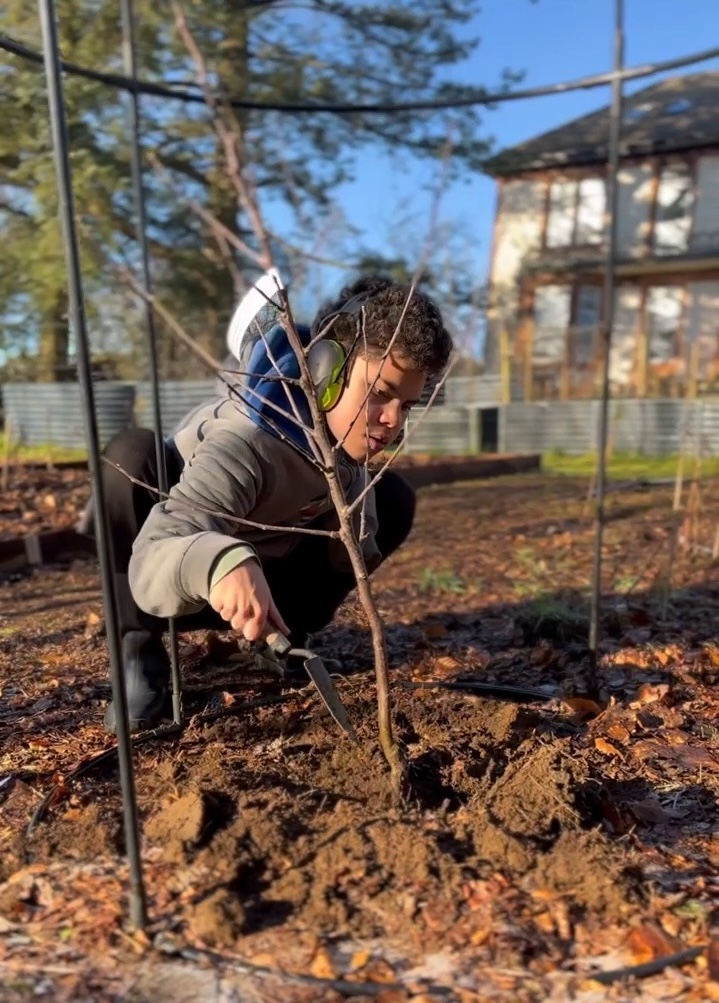
EARLY March is still suitable for planting bare root trees before they break dormancy. Plant on a dry day when soil is workable, firm well, water in thoroughly, and mulch generously. Stake securely to protect against spring winds, and avoid planting once buds begin to open.
Apple Trees: very hardy and well suited to Scottish conditions, plant while dormant for best establishment.
Pear Trees: reliable and cold tolerant, prefer a sheltered, sunny position.
Plum Trees: productive and hardy, choose varieties suited to cooler climates.
Cherry Trees: select cold hardy types and plant in a protected spot to avoid frost damage to blossom.
Hazel: an excellent time to plant hazelnut trees, tough, wind tolerant, and ideal for Scottish gardens or hedging.
TIPS
When planting fruit trees or bushes, avoid working the ground if the soil is frozen or waterlogged, as this can damage roots and soil structure.
After planting, mulch well with compost, bark, leaves or well rotted manure to retain moisture, suppress weeds and protect roots from cold.
Young trees should be staked securely to prevent rock and wind rock during Winter gales, helping them establish strong root systems in their first year, make sure they are removed to allow them to form a stable trunk.
If you need more information and detail on growing these head over to ours guides. Guides to the Fruits, Herbs & Edible Flowers We Grow: Cultivation, Care & Harvesting

Fruit Bushes To Plant Outside In March
March is your LAST reliable chance to plant dormant fruit bushes before active growth begins. Prepare soil with compost, space generously for airflow, and prune appropriately at planting time. Apply a thick mulch to suppress weeds and retain moisture ahead of the growing season.
Raspberries: plant dormant canes now for strong Summer or Autumn crops.
Blackcurrants: hardy and productive, thrive in rich, moisture retentive soil.
Redcurrants: reliable and easy; ideal for sunny, well drained spots.
Whitecurrants: similar to redcurrants but sweeter, great for fresh eating.
Gooseberries: tough and cold hardy; excellent for Scottish gardens.
Blueberries: require acidic soil or ericaceous compost; perfect for containers.
Honeyberries: very hardy and early fruiting; good for cooler northern climates.
TIPS
When planting fruit bushes, choose a site with good drainage and plenty of light, as most soft fruit dislikes sitting in wet soil. Plant during the dormant season whenever possible, setting bushes at the same depth they were grown previously and firming the soil gently around the roots to remove air pockets.
Water well after planting, even in cool weather, then apply a generous mulch or compost or well rotted manure to conserve moisture and improve soil structure.
If you need more information and detail on growing these head over to ours guides. Guides to the Fruits, Herbs & Edible Flowers We Grow: Cultivation, Care & Harvesting
Happy Gardening!
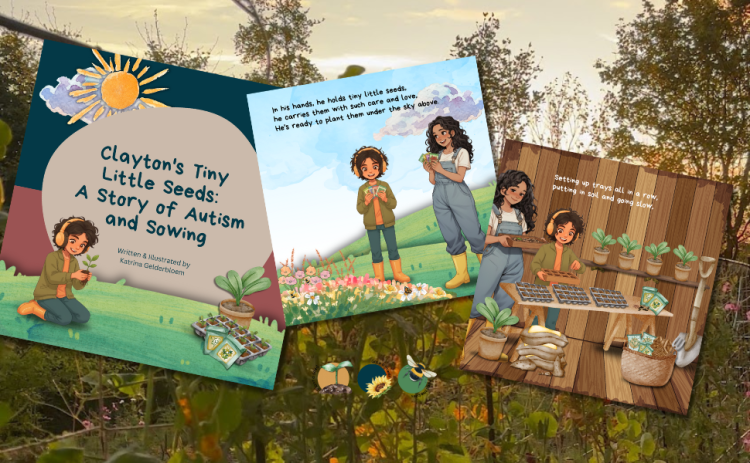
P.S Our Story book Vol 3 : Clayton’s Tiny Little Seeds: A Story of Autism and Sowing is a perfect time read to introduce sowing

Follow Us Across Our Socials
Katrina & Clayton and family live in East Ayrshire and share their daily life in the garden on instagram. They practice permaculture principles in the garden, reducing & repurposing waste whenever they can. Katrina shows how home educating in nature has helped Clayton thrive.
Clayton Completed The 2 Grow and Learn Courses with the Royal Caledonian Horticultural Society. He is Autistic, Non Verbal & has been Home Educated since 2018. Katrina & Peter hold their PDC & PDC PRO Permaculture Design Course from Oregon State University.
They featured on BBC Beechgrove Gardens Ep23 2022 and returned in 2023 for an update, Katrina & Clayton are also columnists for ScotlandGrows Magazine, Guest Blog for Caledonian Horticulture as well as working with Gardeners’ World Magazine and many other brands.
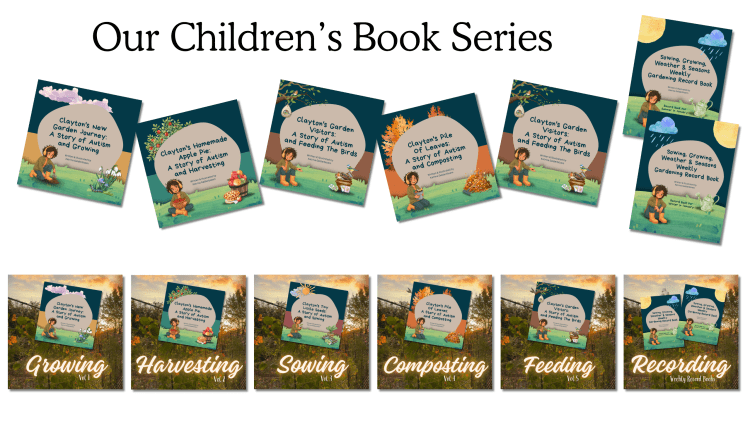
They are also Author of the new Children’s Book Series: Clayton’s Garden Journey: Stories of Autism and Gardening. Topics on Growing, Harvesting, Sowing & Composting and 108 Page Weather and Seasons Weekly Gardening Record Book available on Amazon and Kindle.
Listen in on their Guest Podcasts to learn more about them.
Get Weekly Blogs Straight To Your Inbox
Our Children’s Book Series
Author of the new children’s book series: Clayton’s Garden Journey: Stories of Autism and Gardening. Including Stories on Growing, Harvesting, Sowing, Composting, Feeding The Birds and A Sowing, Growing, Weather and Seasons Weekly Gardening Record Book available on Amazon and Kindle
Visit Our Print On Demand Stores
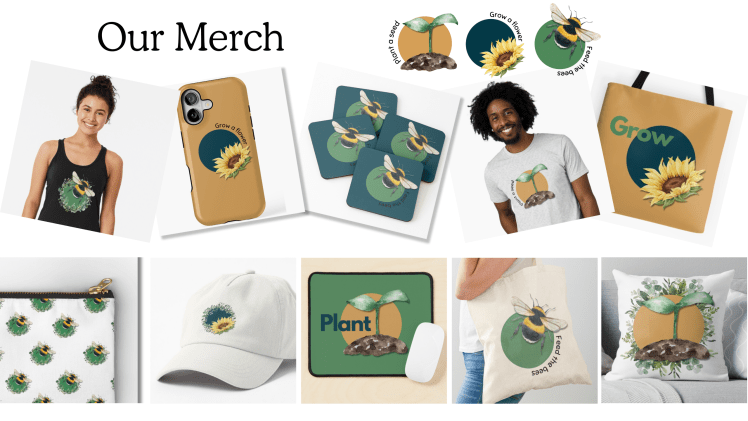
Redbubble Store – Worldwide! 200+ garden & nature-inspired designs on coasters, phone covers, tote bags, mouse mats and so much more. Perfect for plant lovers, gardeners and anyone who wants to bring a touch of the outdoors into everyday life

Discover more from Building a Food Forest -Scotland
Subscribe to get the latest posts sent to your email.
