
Get Weekly Blogs Straight To Your Inbox

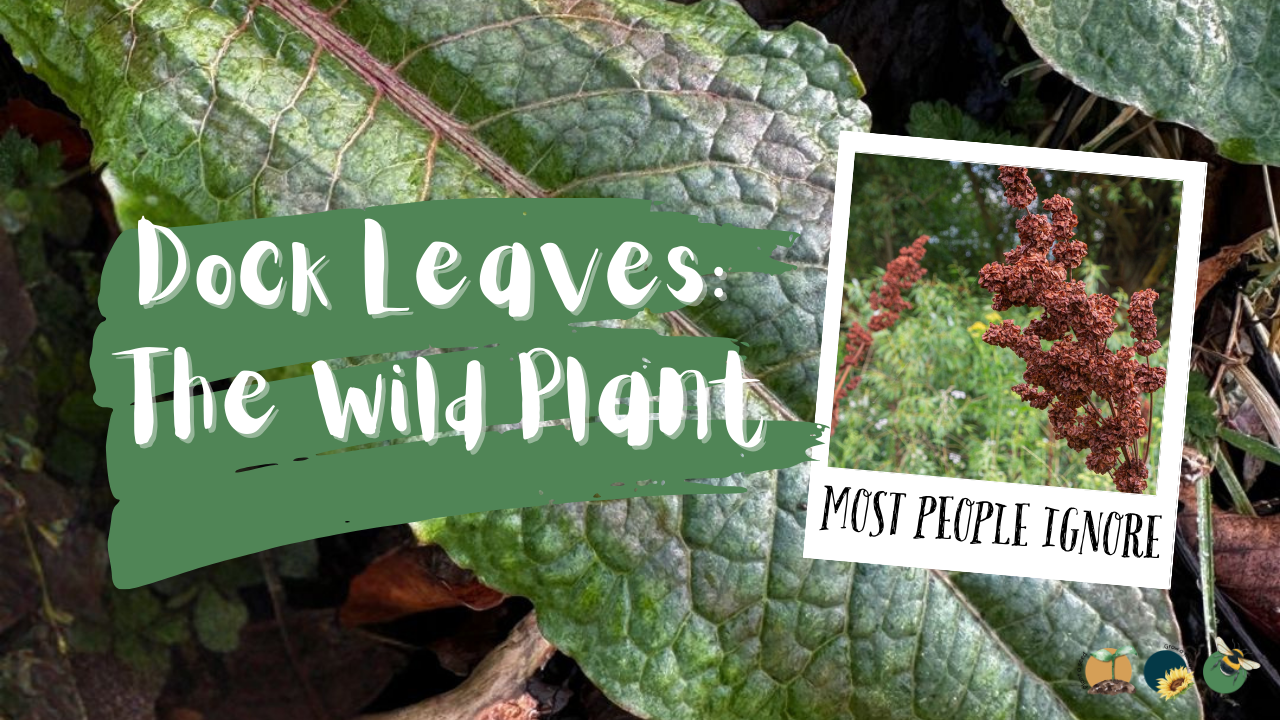
Dock Leaves: The Wild Plant Most People Ignore (But Shouldn’t)
Dock is one of those wild plants almost everyone recognises, even if they don’t realise it. It grows along footpaths, fields, gardens and roadsides across much of the countryside, quietly thriving in disturbed soil and forgotten corners. Most people first learn about dock as the plant that helps soothe nettle stings, but it’s far more useful than that.
Dock leaves, especially those from Curled Dock and Broad-leaved Dock, also known as bitter dock have been used for generations as both food and traditional medicine. These hardy plants are edible, easy to identify and available almost all year round, making them a valuable wild resource for gardeners, foragers and anyone interested in natural living.
If you see dock growing it usually means the soil is: Wet, Compact & Acidic
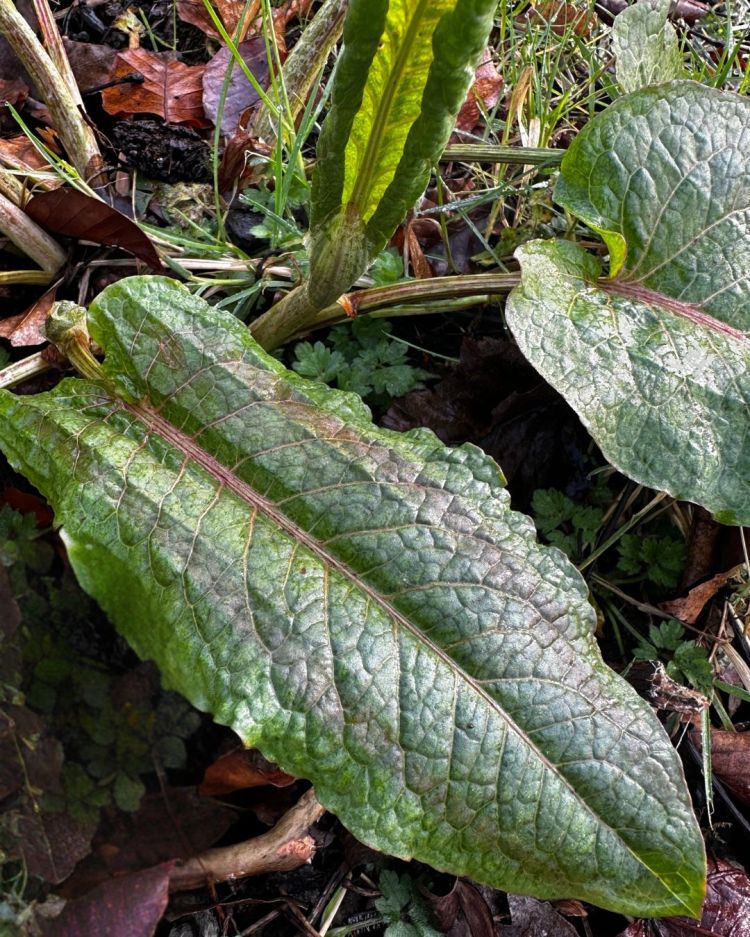
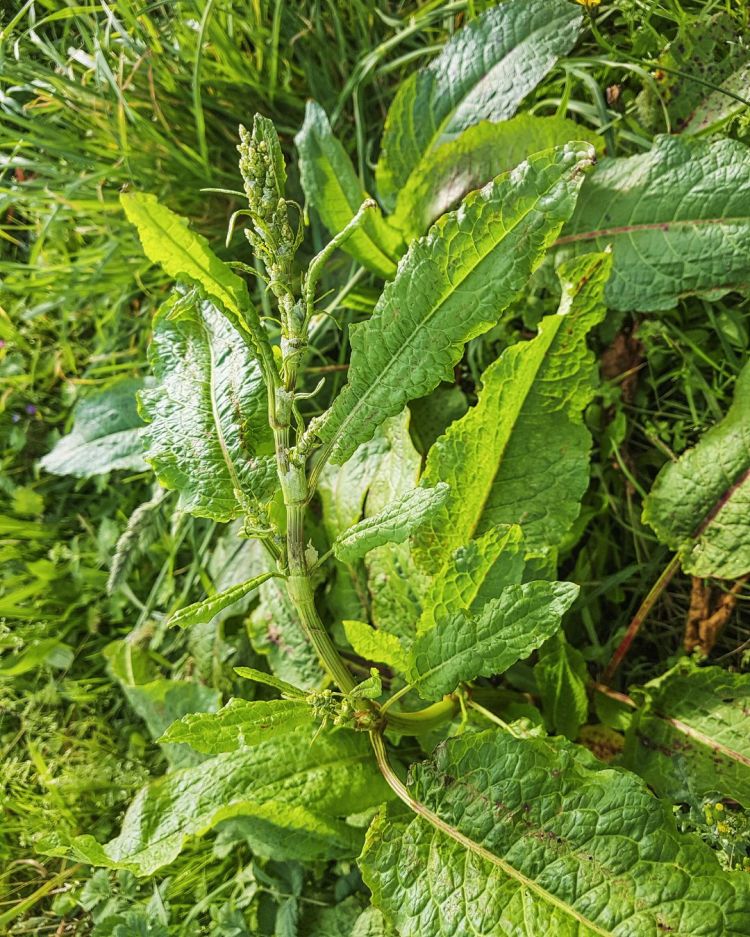
Broad-leaved Dock in our food forest, there are a few of them scattered around
What Is Dock?
Dock is a common perennial plant that belongs to the buckwheat family along with other plants like sorrel and rhubarb. It grows widely across the UK and many other temperate regions, often appearing in fields, hedgerows, woodland edges and even urban spaces.
Two species are particularly common in the UK:
Broad-leaved Dock
Curled Dock
Both plants look slightly different but share many of the same characteristics and uses. They produce large leaves and tall seed spikes that turn brown later in the season.
Dock plants are extremely resilient. They thrive in compacted soil, disturbed ground, and areas with rich nutrients. This ability to grow where other plants struggle is one reason they’re often considered weeds, but it’s also why they’ve survived alongside human settlements for centuries.
How to Identify Dock Leaves
Dock plants are relatively easy to identify once you know what to look for.
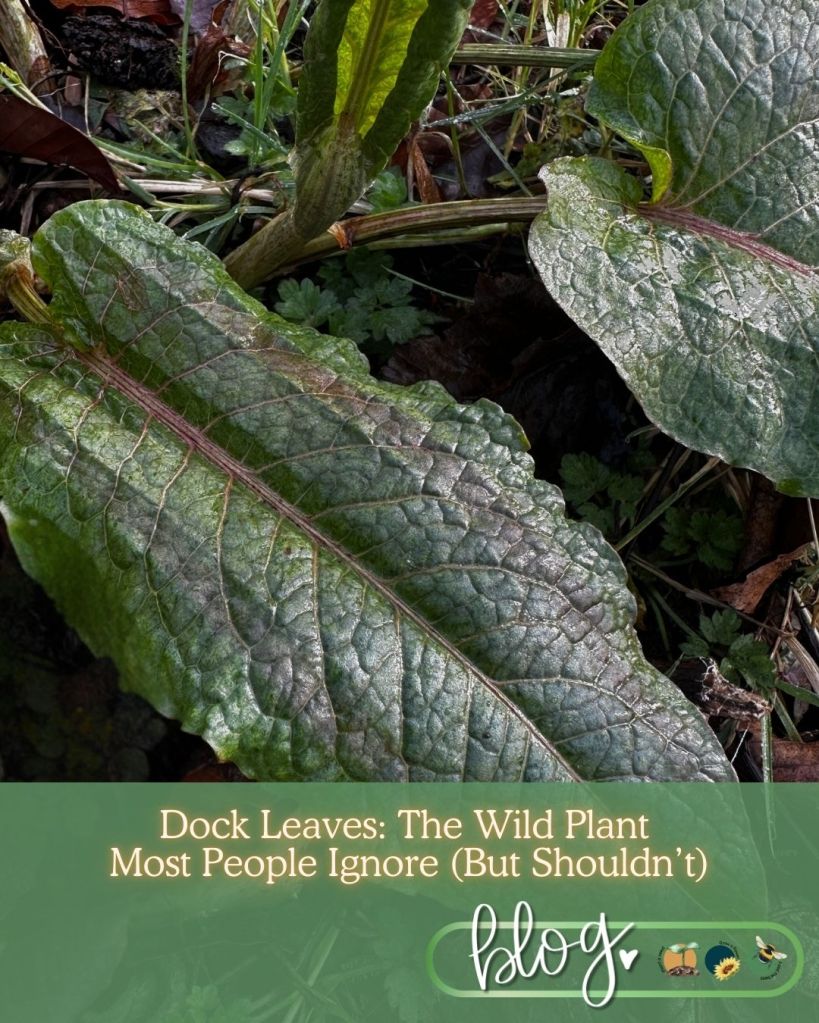
Curled Dock gets its name from its long narrow leaves with distinctly wavy or curled edges. These leaves grow in a rosette at the base of the plant during early growth.
Key features include:
Long narrow leaves with curled margins
Tall flower stalks that can reach over a metre
Rusty brown seed clusters later in the year
Deep taproot anchoring the plant in the soil
Curly dock tends to prefer open ground, roadsides and fields
Broad-leaved Dock has wider, oval shaped leaves that are smooth and slightly rounded at the edges.
Key features include:
Large broad leaves
Thick central vein running down the leaf
Tall flower spikes
Clusters of brown seeds later in the season
Broad-leaved dock often appears in grassy areas, pastures and garden edges. While they look slightly different, both plants have a similar taste and can be used in much the same way.
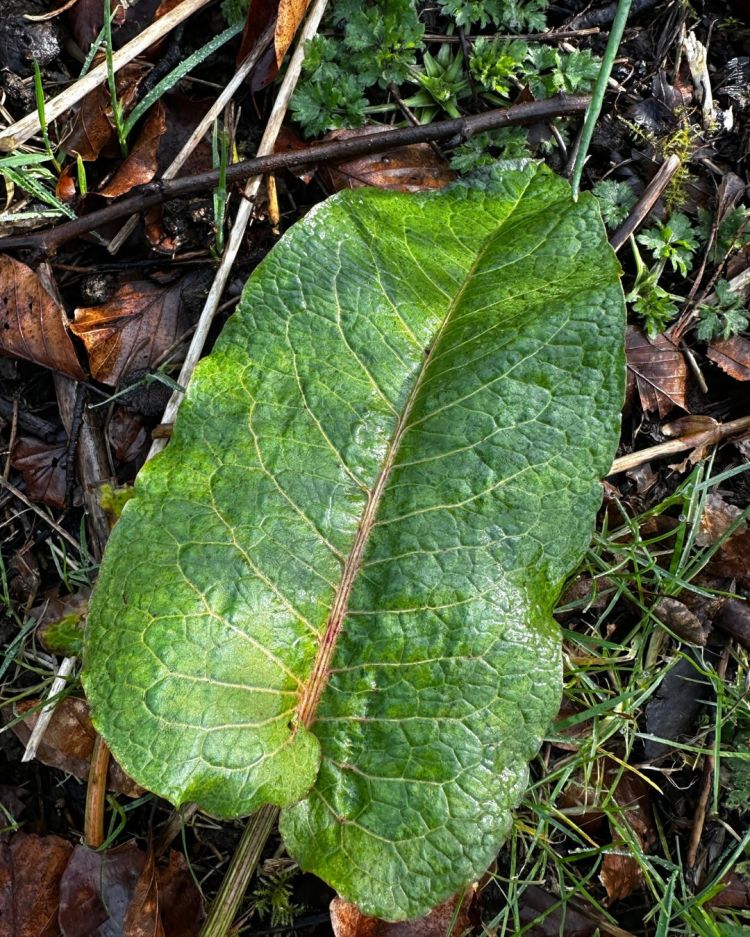
Broad-leaved Dock
Dock Leaves and the Famous Nettle Remedy
Dock is perhaps best known for one traditional use: relieving nettle stings.
When someone brushes against Stinging Nettle, the tiny hairs on the plant inject chemicals into the skin that cause irritation and itching. The long standing countryside remedy is to rub a crushed dock leaf over the affected area.
The relief may come from the cooling moisture of the leaf or compounds in the plant that help calm the skin. While scientific evidence is limited, generations of walkers and gardeners swear by this simple trick.
As the dock often grows near nettles, it’s easy to find when you need it.
Are Dock Leaves Edible?
Yes, dock leaves are edible and have been used as a wild food for centuries.
Young dock leaves have a slightly tangy, lemon like flavour that comes from natural oxalic acid, similar to what you find in spinach or sorrel. This sharp taste makes them a useful ingredient in soups, salads, and cooked dishes.
However, as the leaves mature, they become tougher and more bitter. For this reason, most foragers prefer harvesting them when they are young and tender in Spring.
Although foragers may have an abundant supply, the leaves contain oxalic acid, so only small quantities should be eaten. Because the leaves contain oxalic acid, people with kidney stone issues may prefer to limit large amounts, similar to advice given for spinach or rhubarb.
Best time to harvest
The ideal time to collect dock leaves is:
Early Spring
When leaves are small and fresh
Before the plant produces tall flower stalks
Older leaves can still be eaten but usually taste better when cooked rather than eaten raw.
Why Dock Is Important for Wildlife
Both dock species are native wildflowers in the UK and play an important role in supporting local wildlife. They provide food and habitat for a wide range of insects and birds throughout the year. Dock leaves are also an important food source for the larvae of the Green Dock Beetle, while the seeds produced later in the season provide valuable Winter food for birds.
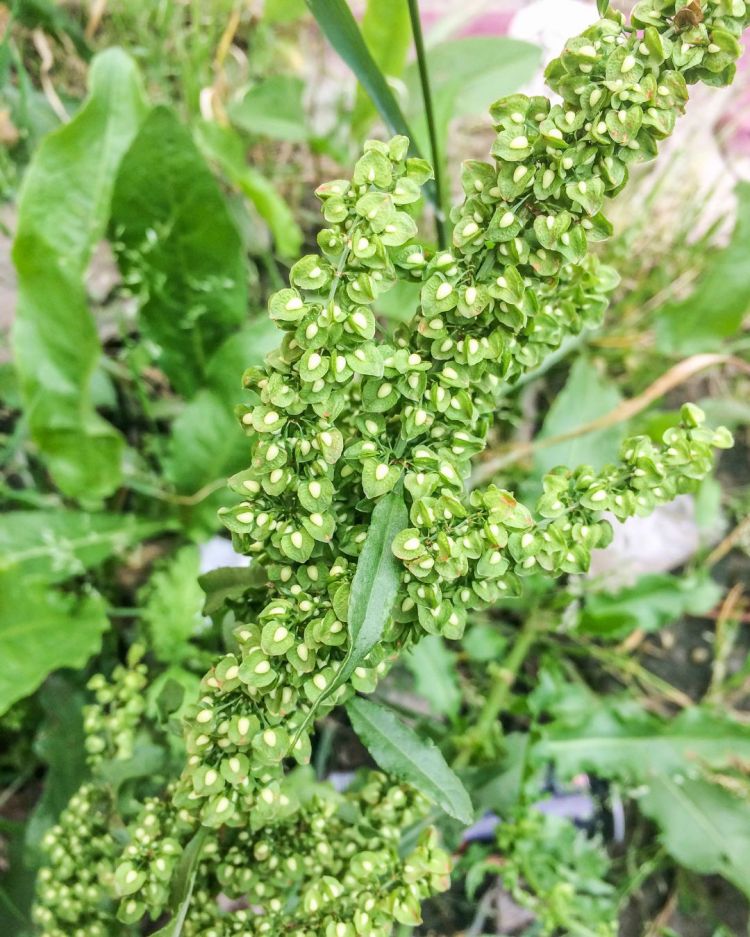
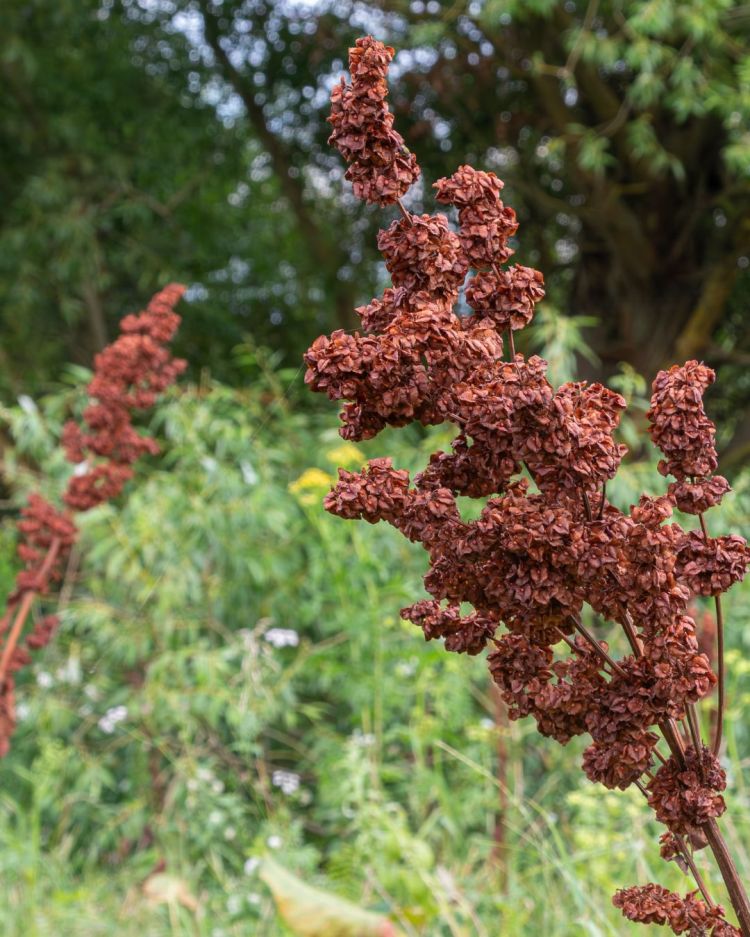
The seeds it shoots out in a long stem from green to the dried browny red in late Autumn
Why Dock Is Important for Soil
Dock plants also play an interesting role in the ecosystem. Their long taproots penetrate deep into the soil, helping break up compacted ground. This allows air and water to reach deeper layers, improving soil structure over time.
These roots also pull nutrients from deep underground and bring them closer to the surface. When dock plants die and decompose, those nutrients return to the soil, helping enrich the area. This is one reason dock often appears in areas where soil has been disturbed or compacted. In many ways, it acts as nature’s soil repair system.
Managing Dock in the Garden
Although dock has many useful qualities, it can spread quite quickly in gardens, allotments and fields if it is left to grow unchecked. This is why both broad-leaved and curled docks have ended up listed in the UK government Weeds Act 1959.
Like many hardy wild plants, it is well adapted to disturbed soil and produces a large number of seeds each year. These seeds can easily spread and germinate in open ground, allowing new plants to appear across a wide area. In addition to this, dock plants develop a strong and very deep taproot, which anchors them firmly in the soil and makes them more difficult to remove once established.
Because of this deep root system, simply pulling the leaves from the surface rarely solves the problem. If the root remains in the ground, the plant often regrows. For gardeners who want to manage dock populations, it is best to deal with plants while they are still young and before they have the chance to produce their tall seed stalks.
One of the simplest approaches is to remove young dock plants early in the growing season. Pulling or digging them out before they flower and set seed helps prevent new plants from spreading throughout the garden. When removing dock, it is helpful to loosen the surrounding soil and try to lift as much of the taproot as possible. Even removing most of the root will significantly reduce the chances of the plant returning.
Improving the overall health of the soil can also make a big difference. Dock often thrives in areas where the ground has become compacted or where the soil structure is poor. Adding compost, organic matter, or mulch helps improve soil texture and encourages a healthier balance of microorganisms. Over time, better soil conditions allow other plants to grow more vigorously, naturally competing with and suppressing dock. There was many more of these when we started this area but have got less and less over the years due to the mulching and monitoring of them.
It is also important to avoid leaving large areas of bare soil in the garden. Exposed ground provides an ideal place for dock seeds and other opportunistic weeds to germinate. Keeping beds covered with mulch, ground cover plants, or crops reduces the chances of seeds establishing themselves.
In many cases, dock is simply responding to the conditions of the soil. By improving soil structure, increasing organic matter and maintaining good plant coverage, gardeners can gradually reduce the environment that dock prefers.
A Wild Plant Worth Appreciating or Just A Weed?
Dock might be one of the most overlooked plants in the countryside. Often dismissed as a weed, it’s actually a resilient, useful and fascinating species with a long history alongside humans.
From soothing nettle stings to providing edible greens and improving soil health, dock quietly offers more benefits than most people realise.
Next time you spot those familiar leaves growing along a path or field edge, take a moment to look a little closer. What seems like an ordinary weed may actually be one of nature’s most helpful wild plants.
Happy Gardening!

Follow Us Across Our Socials
Katrina & Clayton and family live in East Ayrshire and share their daily life in the garden on instagram. They practice permaculture principles in the garden, reducing & repurposing waste whenever they can. Katrina shows how home educating in nature has helped Clayton thrive.
Clayton Completed The 2 Grow and Learn Courses with the Royal Caledonian Horticultural Society. He is Autistic, Non Verbal & has been Home Educated since 2018. Katrina & Peter hold their PDC & PDC PRO Permaculture Design Course from Oregon State University.
They featured on BBC Beechgrove Gardens Ep23 2022 and returned in 2023 for an update, Katrina & Clayton are also columnists for ScotlandGrows Magazine, Guest Blog for Caledonian Horticulture as well as working with Gardeners’ World Magazine and many other brands.
They are also Author of the new Children’s Book Series: Clayton’s Garden Journey: Stories of Autism and Gardening. Topics on Growing, Harvesting, Sowing & Composting and 108 Page Weather and Seasons Weekly Gardening Record Book available on Amazon and Kindle.
Listen in on their Guest Podcasts to learn more about them.
Get Weekly Blogs Straight To Your Inbox

Our Children’s Book Series
Author of the new children’s book series: Clayton’s Garden Journey: Stories of Autism and Gardening. Including Stories on Growing, Harvesting, Sowing, Composting, Feeding The Birds and A Sowing, Growing, Weather and Seasons Weekly Gardening Record Book available on Amazon and Kindle
Visit Our Print On Demand Stores
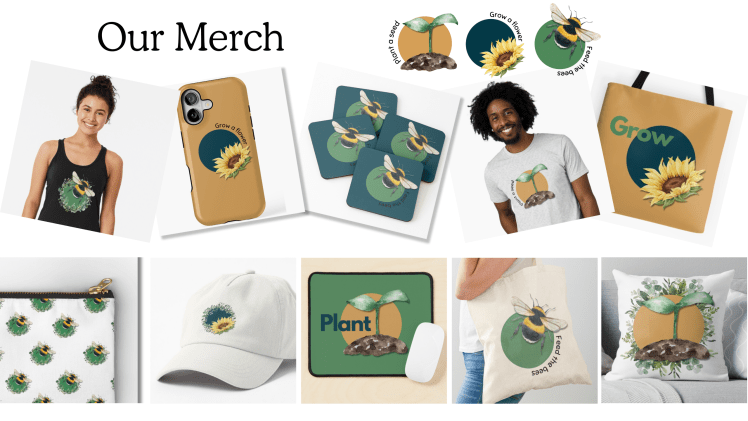
Redbubble Store – Worldwide! 200+ garden & nature-inspired designs on coasters, phone covers, tote bags, mouse mats and so much more. Perfect for plant lovers, gardeners and anyone who wants to bring a touch of the outdoors into everyday life

Discover more from Building a Food Forest -Scotland
Subscribe to get the latest posts sent to your email.
