
Get Weekly Blogs Straight To Your Inbox

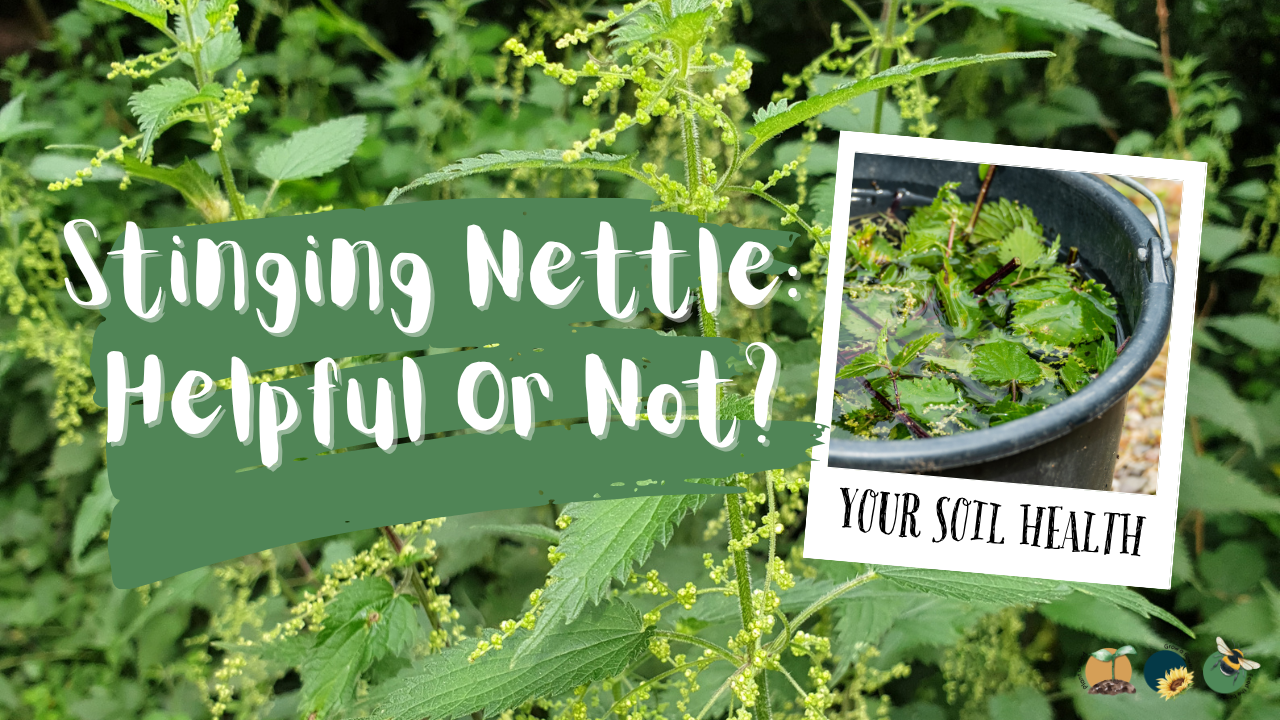
Stinging Nettle: What It Tells You About Your Soil, Plus Uses You Might Be Missing
Stinging nettle (Urtica dioica, common nettle, burn nettle, nettle leaf) is one of the most well known wild plants in the UK, usually for all the wrong reasons. Brush past it on a walk and you’ll quickly remember why it gets its name, beyond the sting, stinging nettle is still a valued plant you can find growing in your garden or local landscape.
Far from being just an irritating weed, stinging nettle is a powerful indicator of soil health, a nutrient rich edible plant and a long standing part of traditional herbal practices. Once you understand what this is telling you and how to use it you may start to see it in a completely different light.
If you see stinging nettles growing it usually means the soil is: Nutrient Rich
What Is Stinging Nettle?
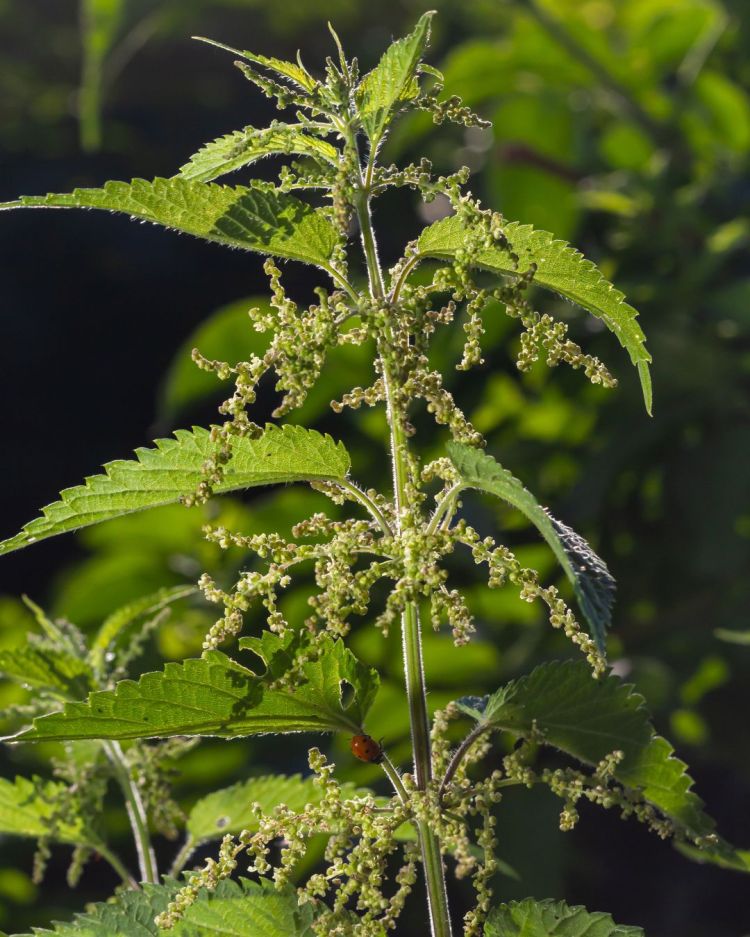
Stinging nettle is a fast growing perennial plant commonly found across the UK. It thrives in hedgerows, woodland edges, gardens and disturbed ground. It’s especially common in areas where the soil is rich and fertile.
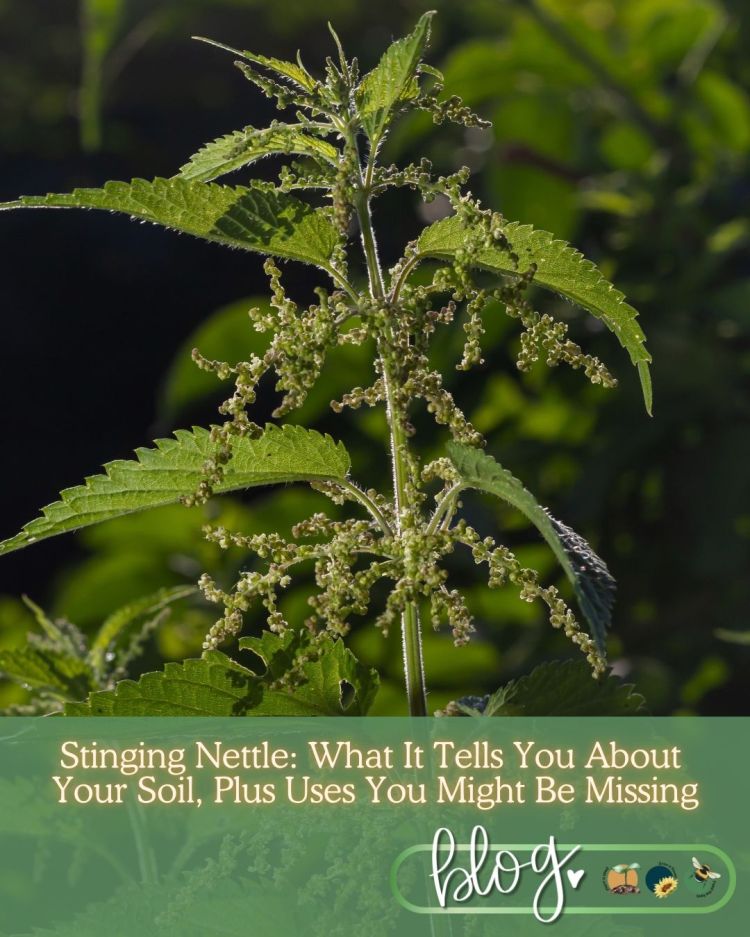
The plant is easily identified by:
Jagged, pointed green leaves
Fine hairs covering the stems and leaves
A sharp sting when touched
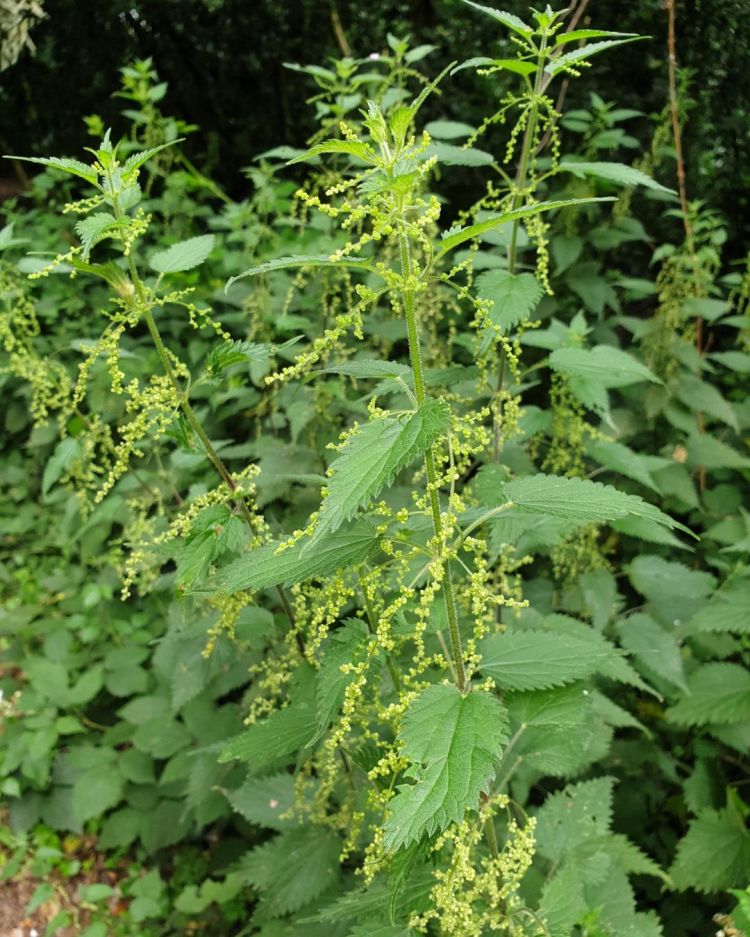
Tall upright growth, often forming dense patches
Those tiny hairs act like miniature needles. When brushed against skin, they inject chemicals that cause a stinging, itching sensation. While uncomfortable, the effect is usually short lived.
Despite this defence mechanism, nettle is one of the most useful wild plants you can encounter.
What Stinging Nettle Tells You About Your Soil
If stinging nettles are growing in abundance, it’s not random, it’s a clear signal about what’s happening beneath the surface.
A Sign of Nutrient Rich Soil
Nettles thrive in soil that is high in nitrogen and organic matter. This means that if you see strong, healthy nettle growth, your soil is likely, fertile, biologically active and rich in nutrients. In many cases, this type of soil is ideal for growing vegetables and other demanding plants.
Stinging nettles often appears in areas where the soil conditions are particularly rich or have been influenced by human or animal activity over time. They commonly grow where organic matter has built up, such as around compost heaps, manure piles or ground that has been enriched by animals. It also thrives in places where the soil has been disturbed, allowing nutrients to concentrate near the surface, because of this, nettles are frequently found near old settlements, farmyards, hedgerows or areas where livestock once lived. Over time, these locations naturally accumulate nutrients, creating the ideal environment for nettles to establish and spread.
What It Might Also Indicate
Although nettles are often a sign of healthy, fertile soil, their presence can sometimes point to an imbalance. In some cases, they may indicate that nitrogen levels are particularly high, or that nutrients are not evenly balanced within the soil. Nettles can also appear in areas that have been left unmanaged or uncultivated, where rich soil is not being used by other plants. In a garden setting, this can suggest that while the soil has strong growing potential, it may not be fully utilised by plants, allowing nettles to take advantage of the available nutrients and space.
Why Do Nettles Grow So Easily?
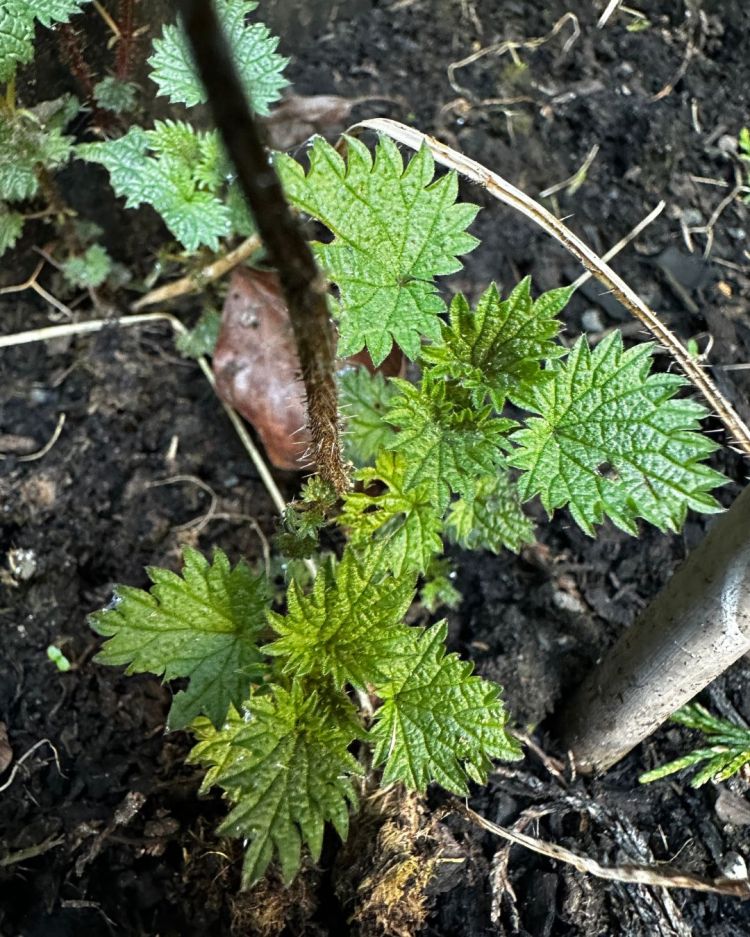
Stinging nettle is a highly adaptable plant. It spreads through both seeds and underground rhizomes, allowing it to form dense clusters.
Its success comes from its fast growth, ability to outcompete weaker plants, tolerance of a wide range of conditions and efficient uptake of nutrients, because it thrives in rich soil, nettles often appear where conditions are ideal but underused. in many ways, it’s nature’s way of making use of available nutrients and preventing soil from being left bare.
Edible Uses of Stinging Nettle
One of the most surprising things about stinging nettle is that it is completely edible, once it has been handled and prepared correctly. Although the fresh plant can sting when touched, this effect disappears when the leaves are cooked or dried. What remains is a rich, earthy green that is both nutritious and versatile in the kitchen.
Nettles have long been used in traditional cooking and can be prepared in much the same way as spinach. They add depth of flavour to soups, work well as a cooked green and can even be used to make herbal teas. Their nutritional value and abundance make them a valuable wild food for those interested in foraging or making the most of natural ingredients
Other Traditional Uses of Nettle
Beyond food, nettle has been used for centuries in a variety of practical ways.
Natural Fertiliser
Nettle can be turned into a nutrient rich liquid feed for plants.
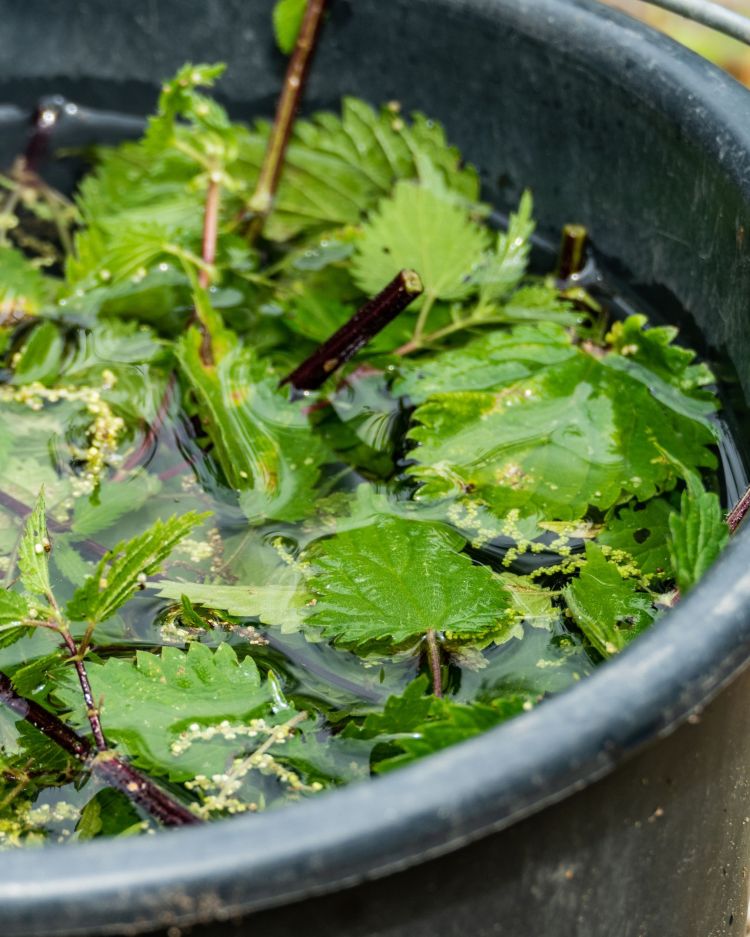
By soaking leaves in water for a few weeks, you create a strong fertiliser that is particularly high in nitrogen perfect for leafy growth.
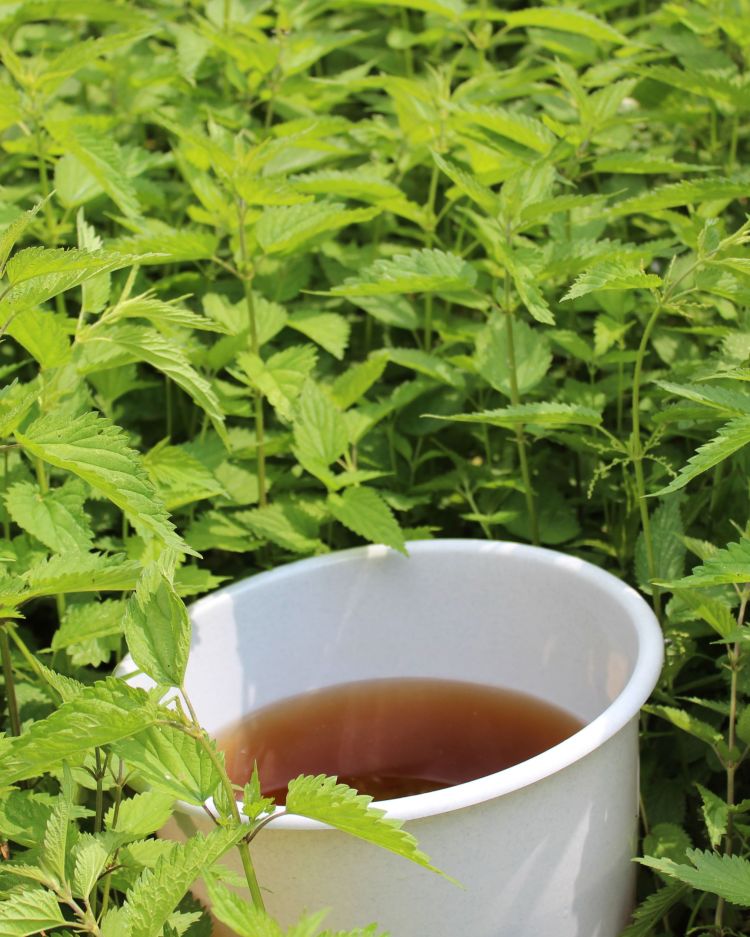
You know it’s ready when the liquid turns dark brown or almost black, most of the plant material has broken down and It has a strong, earthy smell.
At this point, strain off the liquid and discard or compost the remaining solids.
How to use nettle fertiliser
Always dilute the liquid before using it, as it’s very concentrated.
A good rule is: 1 part nettle fertiliser to 10 parts water
Use it to water plants at the base, especially: Leafy greens, vegetables, plants needing a boost
Compost Booster
Adding nettles to your compost piles helps speed up decomposition due to their high nutrient content.
Wildlife Support
Nettles are incredibly important for wildlife, they provide food for caterpillars of several butterfly species and shelter for insects. Birds also benefit indirectly from the insect life that nettles support.
Allowing a small patch of nettles to grow can significantly increase biodiversity in your garden.
Managing Nettles in the Garden
While nettles are useful, they can quickly take over if left unmanaged, because they spread through underground roots, they can be persistent.
If nettles begin to spread more than you would like, there are several simple ways to keep them under control. Regularly cutting them back can help weaken their growth over time, especially if done consistently throughout the growing season. In areas where nettles have become well established, it may be necessary to dig out the roots to prevent them from returning.
Covering the soil with a thick layer of cardboard and mulch can also be effective, as it blocks light and makes it harder for new shoots to emerge. When working with nettles, it’s always best to wear gloves to protect your hands from their sting and make the process more comfortable.
However, it’s worth remembering that completely removing nettles isn’t always the most beneficial approach, especially when you consider the value they offer.
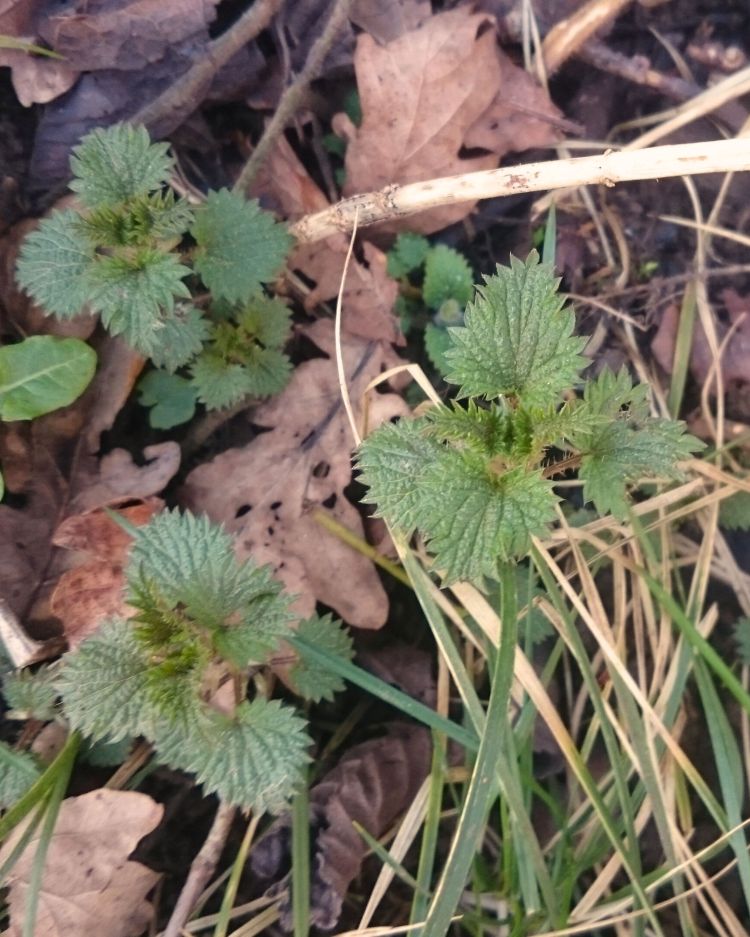
They can sneak up all over
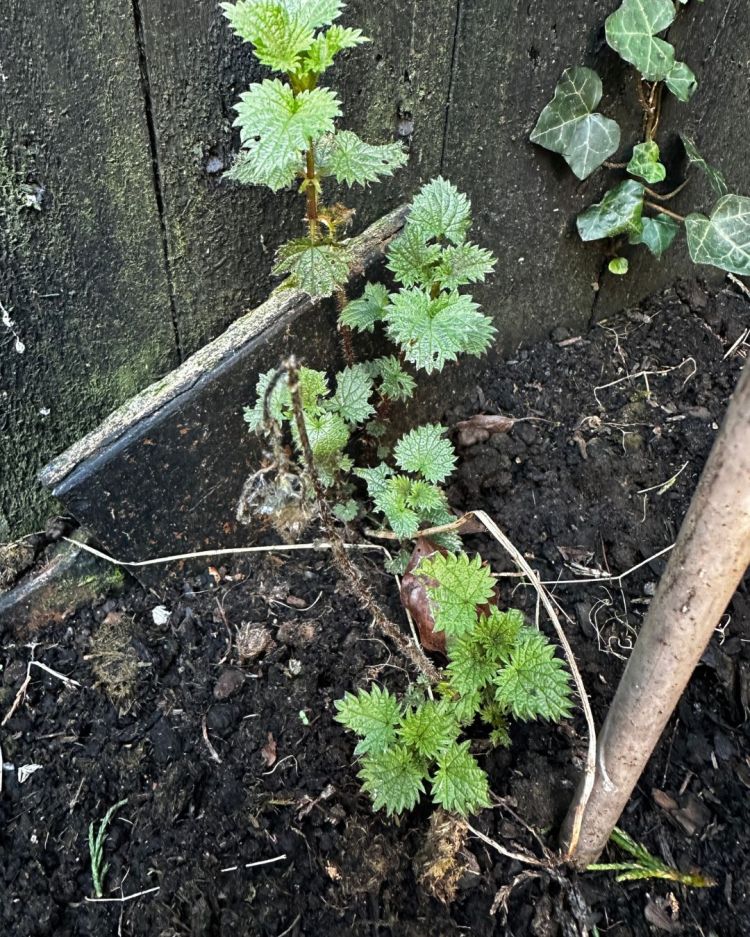
Pushing up through from the fields next to us
A Balanced Approach
Rather than trying to eliminate nettles entirely, try keeping a small patch without letting them take over your garden. Nettles can be harvested for food when young, added to compost to boost nutrient levels, or used to create natural fertilisers that support plant growth.
By managing rather than removing them completely, you can benefit from everything nettles have to offer while still maintaining control of your space.
Nettles and Biodiversity
Stinging nettle plays a key role in supporting ecosystems, many insects rely on them and it forms part of a healthy, balanced habitat. Removing nettles entirely can reduce biodiversity, particularly in larger gardens or natural spaces, by allowing some to grow, you’re supporting, the pollinators, caterpillars, birds and soil health It’s a reminder that even the most overlooked plants have an important role to play.
Changing the Way We See Nettles
For many people, nettle is simply a plant to avoid, but when you look closer, it becomes clear that it’s a useful and informative plant in the landscape.
It tells you your soil is rich.
It feeds wildlife.
It can feed you too.
And it helps recycle nutrients back into the earth.
Rather than seeing nettles as a nuisance, it can be helpful to view them as part of a natural system one that works quietly to maintain balance.
Happy Gardening!

Follow Us Across Our Socials
Katrina & Clayton and family live in East Ayrshire and share their daily life in the garden on instagram. They practice permaculture principles in the garden, reducing & repurposing waste whenever they can. Katrina shows how home educating in nature has helped Clayton thrive.
Clayton Completed The 2 Grow and Learn Courses with the Royal Caledonian Horticultural Society. He is Autistic, Non Verbal & has been Home Educated since 2018. Katrina & Peter hold their PDC & PDC PRO Permaculture Design Course from Oregon State University.
They featured on BBC Beechgrove Gardens Ep23 2022 and returned in 2023 for an update, Katrina & Clayton are also columnists for ScotlandGrows Magazine, Guest Blog for Caledonian Horticulture as well as working with Gardeners’ World Magazine and many other brands.
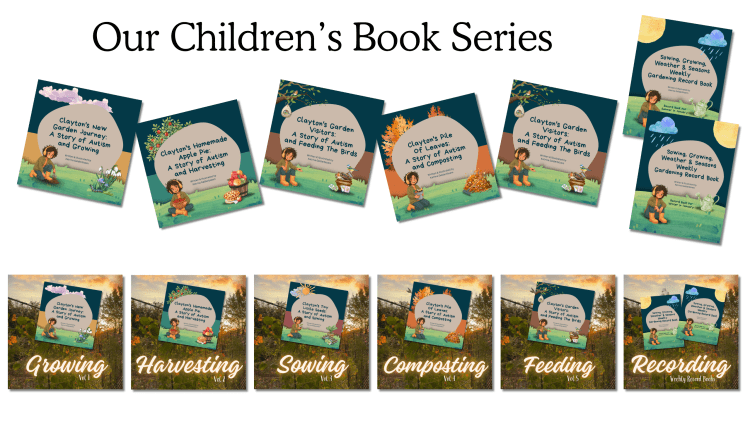
They are also Author of the new Children’s Book Series: Clayton’s Garden Journey: Stories of Autism and Gardening. Topics on Growing, Harvesting, Sowing & Composting and 108 Page Weather and Seasons Weekly Gardening Record Book available on Amazon and Kindle.
Listen in on their Guest Podcasts to learn more about them.
Get Weekly Blogs Straight To Your Inbox
Our Children’s Book Series
Author of the new children’s book series: Clayton’s Garden Journey: Stories of Autism and Gardening. Including Stories on Growing, Harvesting, Sowing, Composting, Feeding The Birds and A Sowing, Growing, Weather and Seasons Weekly Gardening Record Book available on Amazon and Kindle

Visit Our Print On Demand Stores
Redbubble Store – Worldwide! 200+ garden & nature-inspired designs on coasters, phone covers, tote bags, mouse mats and so much more. Perfect for plant lovers, gardeners and anyone who wants to bring a touch of the outdoors into everyday life

Discover more from Building a Food Forest -Scotland
Subscribe to get the latest posts sent to your email.
