
Get Weekly Blogs Straight To Your Inbox
Broadleaf Plantain: What It Tells You About Your Soil and How to Use It
Broadleaf plantain is one of the most common wild plants you’ll find across the UK, often growing quietly underfoot in lawns, pathways and well trodden ground. Many people overlook it completely, dismissing it as just another weed, but Broad leaved Plantain is far more interesting and useful than it first appears.
This resilient plant has been used for centuries as a food, a traditional remedy and a natural indicator of soil health. Once you begin to recognise it and understand what it’s telling you, broadleaf plantain becomes a valuable part of the landscape rather than something to remove.
If you see Broad leaved Plantain growing it usually means the soil is: almost always points to compacted soil.
What Is Broadleaf Plantain?
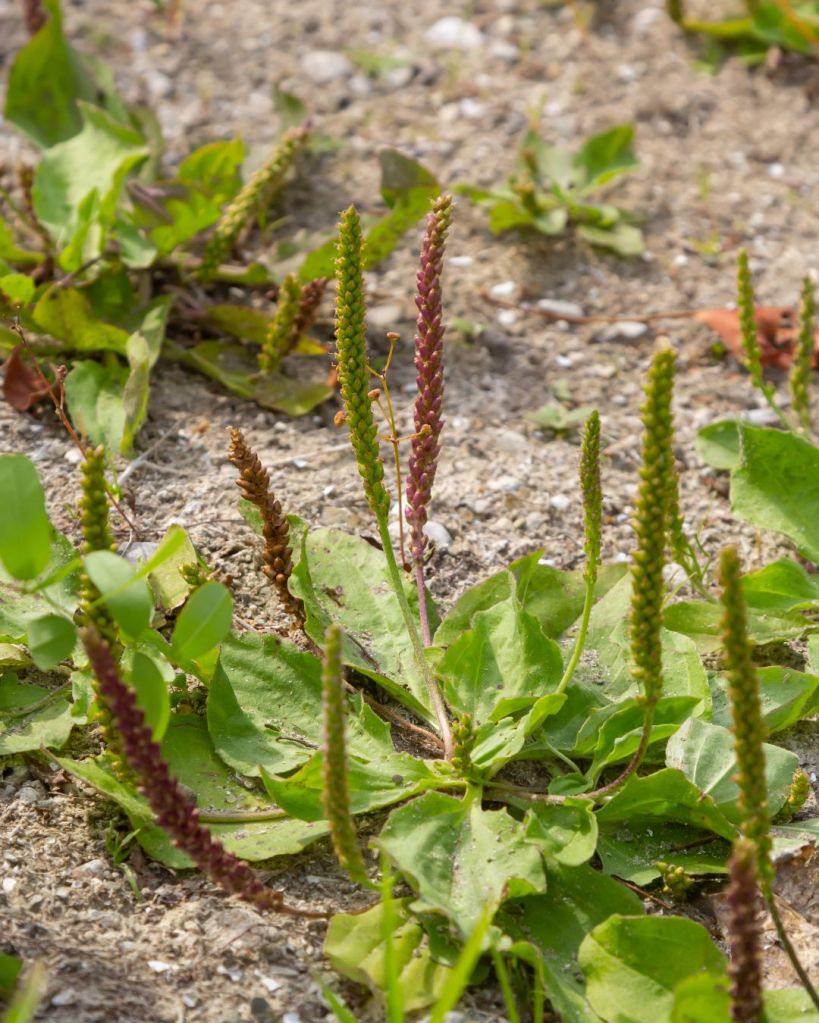
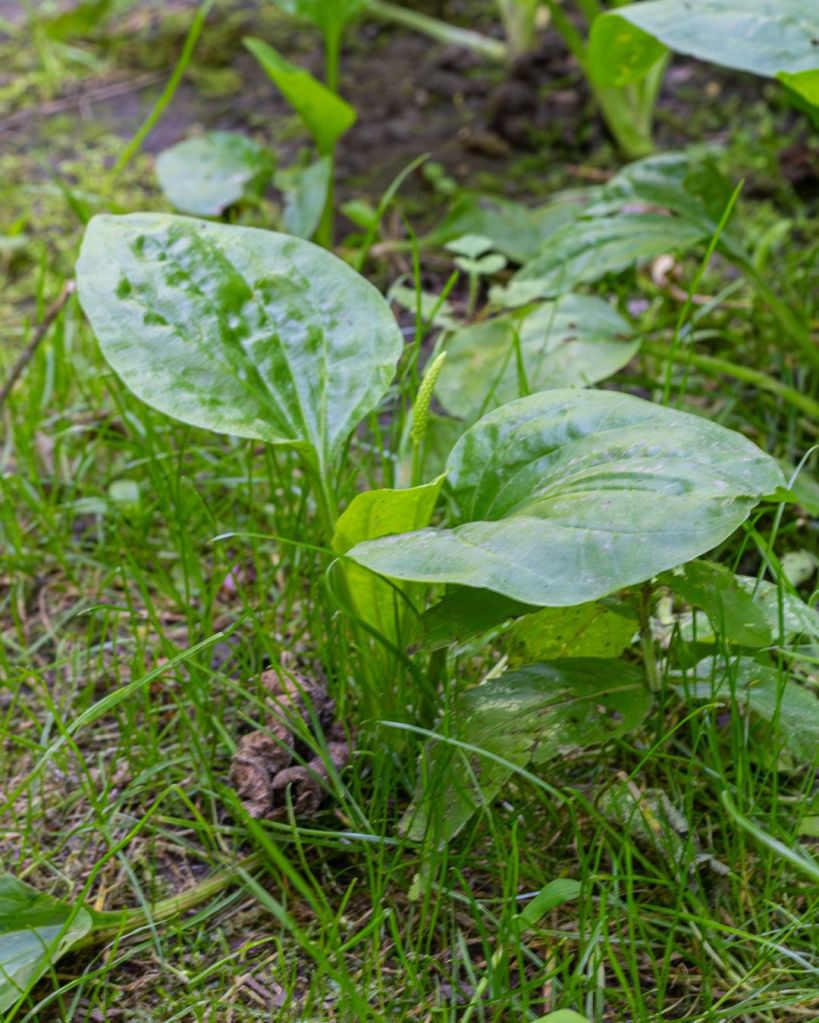
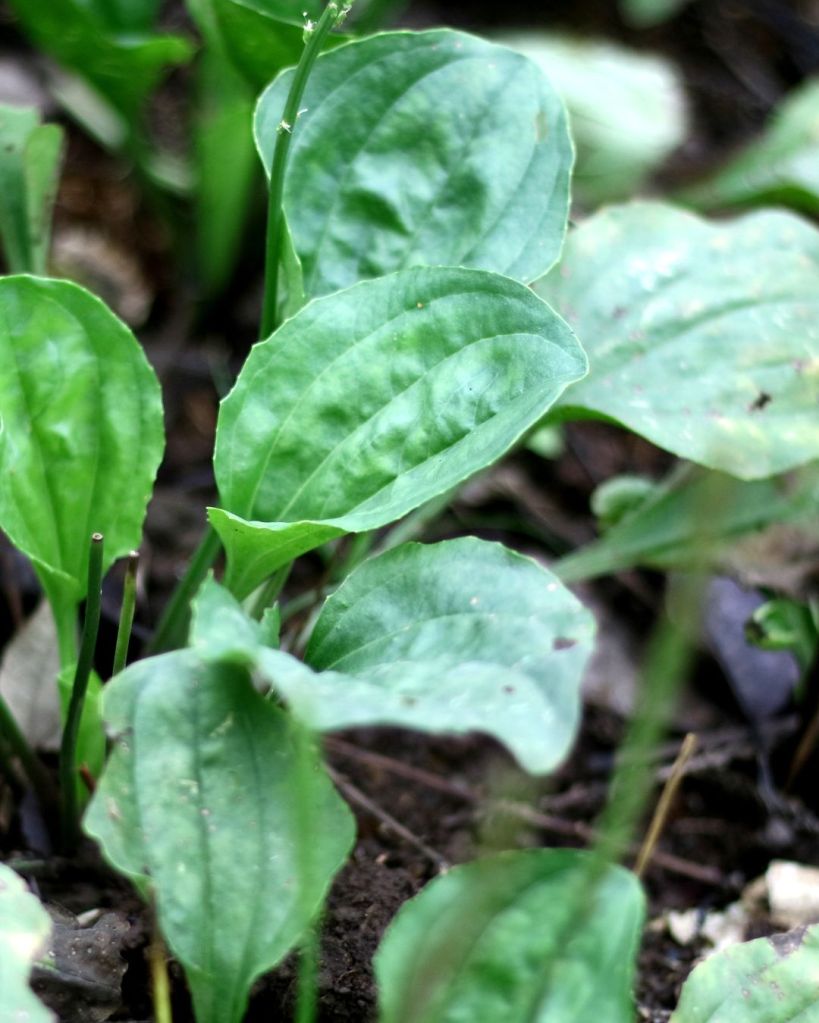
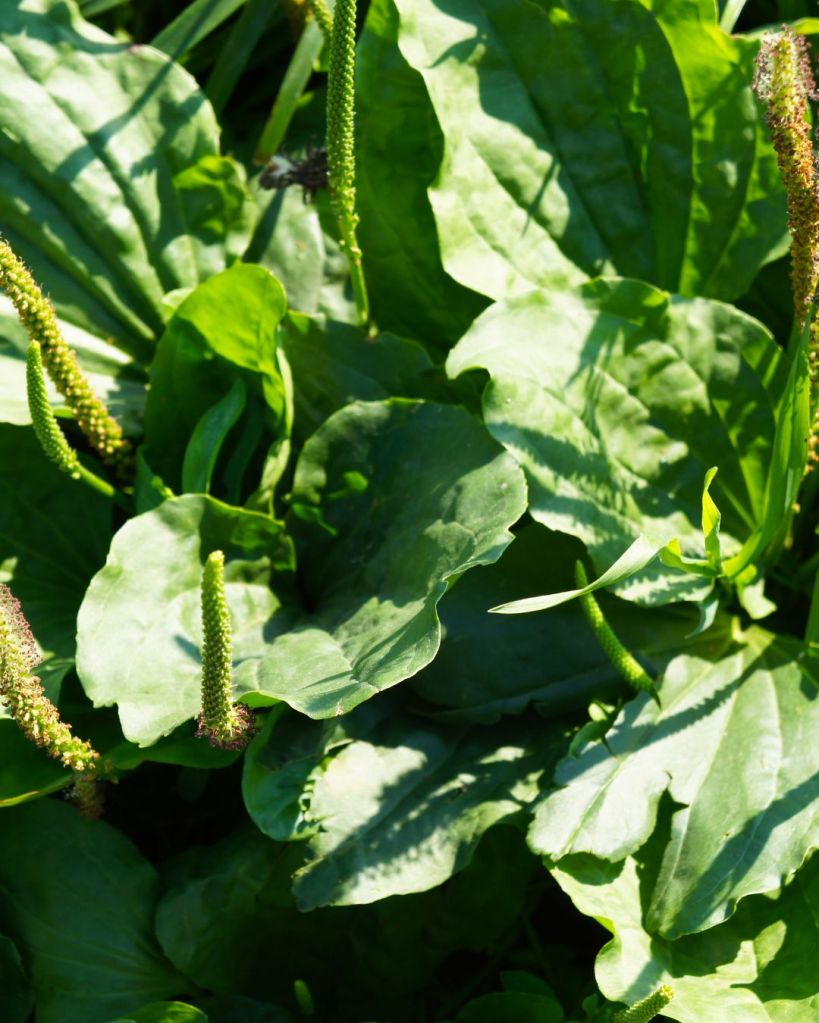
Broadleaf plantain is a low growing perennial plant that forms a rosette of wide, oval leaves close to the ground. It thrives in a variety of environments but is especially common in areas that experience regular foot traffic.
You’ll often find it in lawns, along footpaths, in playgrounds and parks and around garden edges.
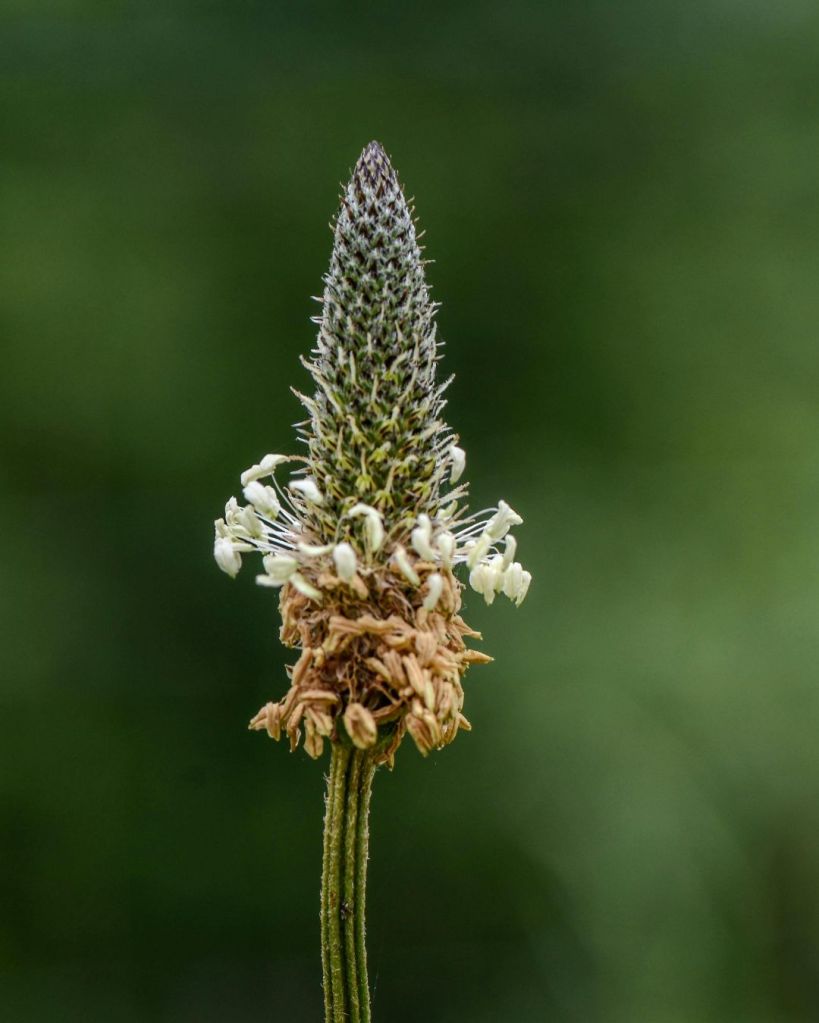
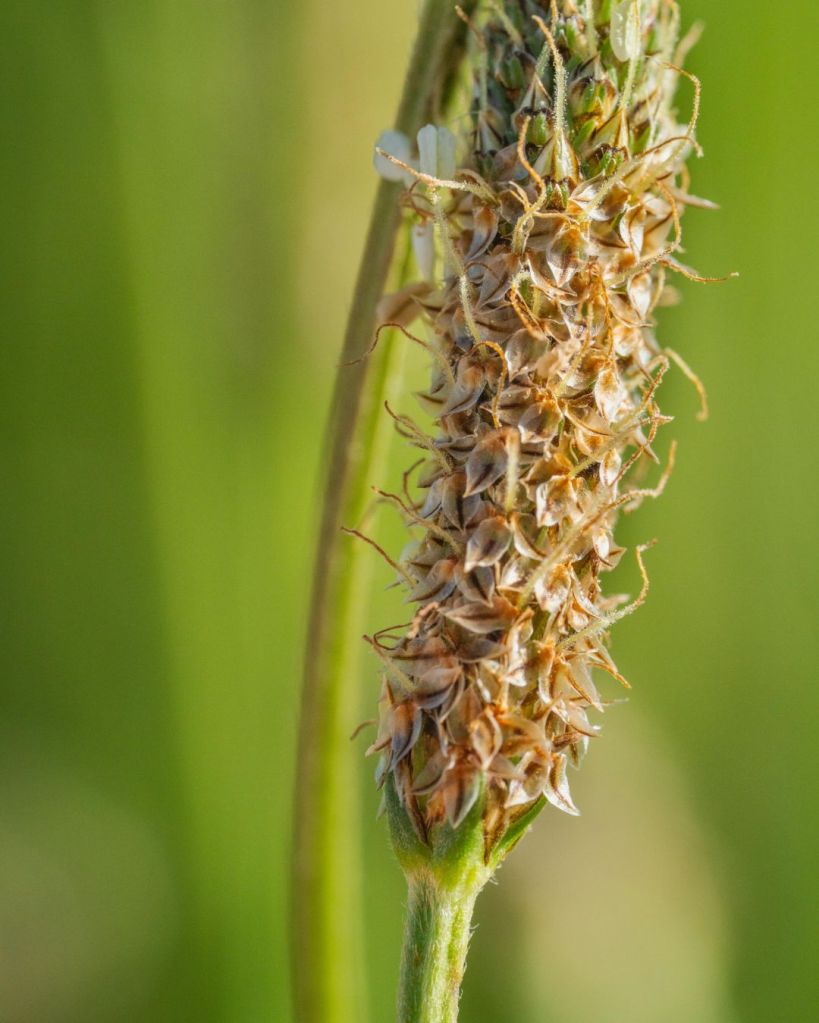
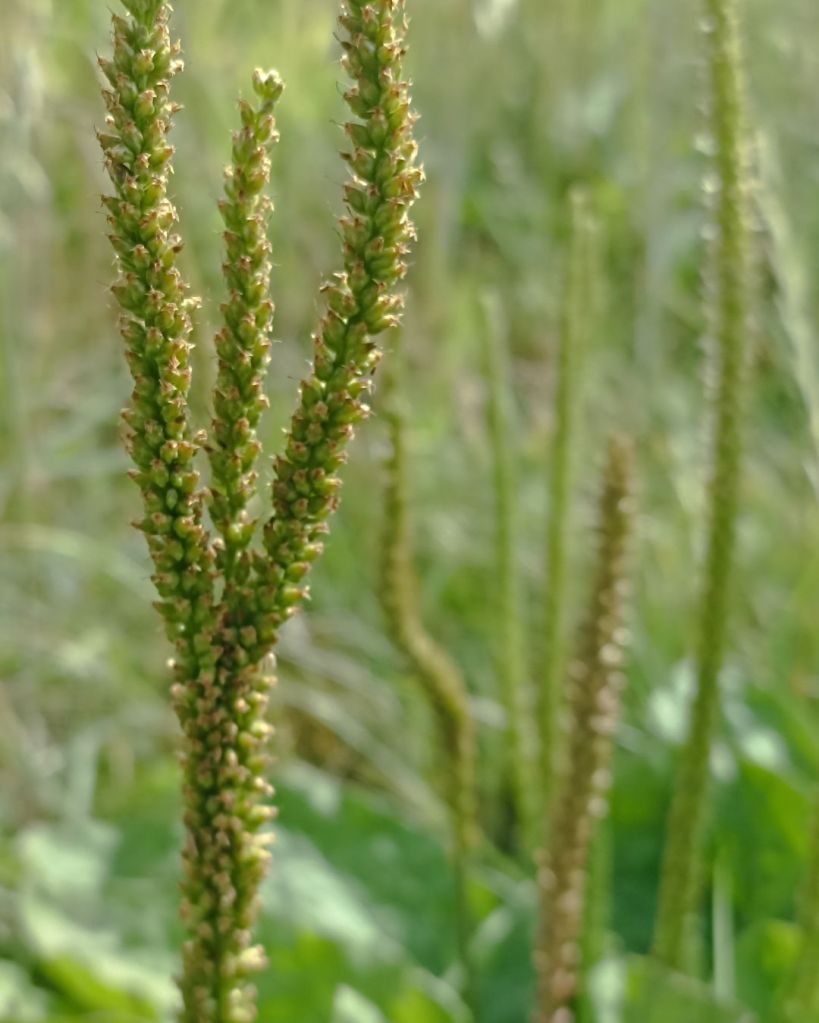
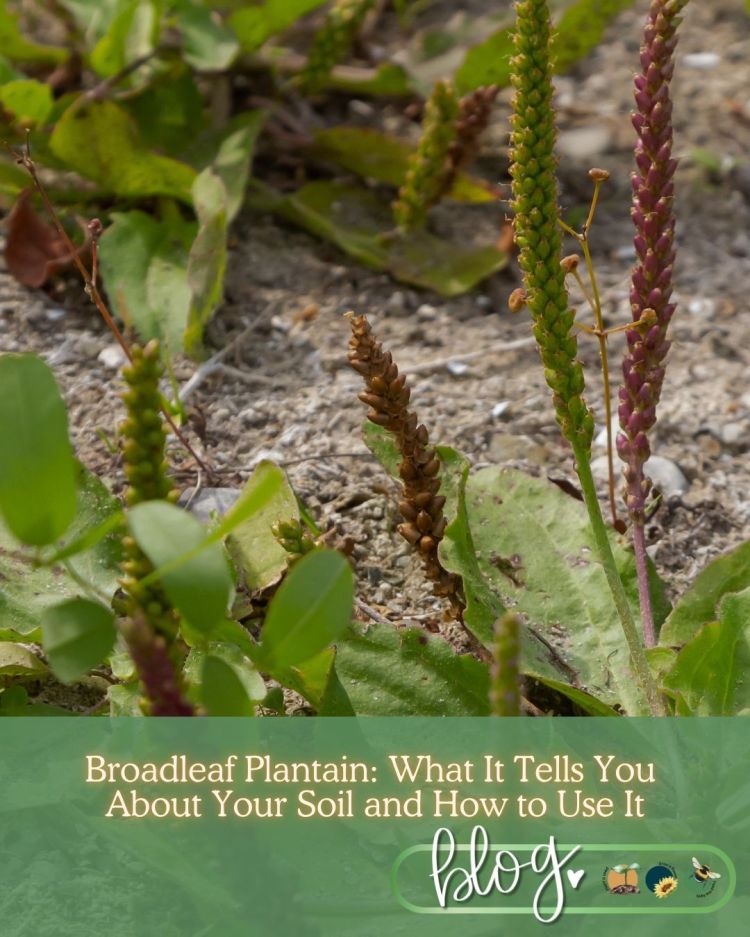
It’s easy to identify by its broad, ribbed leaves and tall, thin flower spikes that rise above the foliage and because it grows flat against the ground, it can survive being walked on, making it one of the most adaptable and persistent plants in the wild.
What Broadleaf Plantain Tells You About Your Soil
One of the most important things to understand about broadleaf plantain is that it doesn’t just appear randomly. Like many wild plants, it grows in response to specific soil conditions.
A Sign of Compacted Soil
Broadleaf plantain is most commonly associated with compacted soil. This is soil that has become dense and hard, often due to repeated foot traffic, machinery or lack of organic matter.
When soil is compacted:
Air cannot circulate properly
Water struggles to drain
Roots of other plants cannot grow deeply
These conditions make it difficult for many plants to thrive, but perfect for plantain.
Why Plantain Thrives There
Broadleaf plantain has a tough, fibrous root system that allows it to survive in dense soil where other plants struggle. Its growth habit also helps protect the soil surface, reducing erosion and stabilising the ground.
In many ways, plantain is part of nature’s response to compaction. It moves in where the soil needs support.
Using Plantain as a Soil Indicator
Instead of immediately removing plantain from your garden or lawn, it can be helpful to observe where it’s growing and what that might mean.
If you notice plantain appearing:
In pathways → soil is being heavily compacted
In lawns → ground may need aeration
In garden beds → soil structure could be poor
This gives you a clear signal that your soil may need improving.
Many gardeners use these signs to guide their actions, focusing on loosening the soil and adding organic matter rather than simply removing the plant.
How to Improve Soil Where Plantain Grows
If plantain is widespread in your garden, it’s worth addressing the underlying soil conditions. Improving soil structure can make a big difference over time.
Start by gently loosening the soil using a garden fork, being careful not to disturb it too aggressively. Adding compost or well rotted organic matter helps improve soil texture and encourages beneficial microorganisms.
Reducing foot traffic in certain areas can also prevent further compaction. Creating designated pathways or using stepping stones helps protect growing spaces.
Applying mulch can protect the soil surface, retain moisture, and gradually improve soil health.
As soil conditions improve, you may find that plantain becomes less dominant naturally.
Edible Uses of Broadleaf Plantain
Like many wild plants, broadleaf plantain is edible, particularly when the leaves are young. The younger leaves are tender and can be added to salads or lightly cooked. As they mature, they become tougher and are better suited to cooking rather than eating raw. Cooking softens the leaves and makes them easier to digest.
Traditional Uses of Plantain
Broadleaf plantain has a long history of use in traditional herbal practices. It has often been used as a natural remedy for minor skin irritations. Crushed leaves are sometimes applied directly to the skin as a soothing poultice.
NB: While these uses are widely known in traditional knowledge, it’s always important to approach plant based remedies with care and proper understanding.
Plantain and Wildlife
Broadleaf plantain also plays a role in supporting wildlife. Its leaves provide food for certain insects and its seeds are eaten by birds. As it grows in areas where other plants may struggle, it helps maintain ground cover and supports small ecosystems, allowing some plantain to remain in less used areas of your garden can contribute to biodiversity.
Why Plantain Is So Resilient
The success of broadleaf plantain comes from its ability to adapt to challenging conditions. It tolerates compacted soil, survives regular disturbance and grows in places where other plants cannot. Its low growing habit protects it from damage and its roots help stabilise the soil. This resilience is what makes it such a reliable indicator of soil conditions.
A Balanced Approach
Rather than seeing plantain as a problem, it can be helpful to take a balanced approach.
You might choose to:
Remove it from key growing areas
Leave it in pathways or less used spaces
Use it as a signal to improve soil health
This approach allows you to work with the natural conditions of your garden rather than constantly fighting against them.
Changing the Way We See Common Plants
Broadleaf plantain is a perfect example of how a common plant can be misunderstood. What is often seen as a weed is actually a useful indicator, a potential food source and part of a healthy ecosystem.
By learning to recognise and understand plants like plantain, you begin to see your garden in a different way. Each plant becomes a clue, helping you understand the soil and environment more clearly. Once you start paying attention, you’ll realise that plants like plantain aren’t just growing randomly. They’re responding to the conditions of the land and quietly showing you what your soil needs.
Happy Gardening!

Follow Us Across Our Socials
Katrina & Clayton and family live in East Ayrshire and share their daily life in the garden on instagram. They practice permaculture principles in the garden, reducing & repurposing waste whenever they can. Katrina shows how home educating in nature has helped Clayton thrive.
Clayton Completed The 2 Grow and Learn Courses with the Royal Caledonian Horticultural Society. He is Autistic, Non Verbal & has been Home Educated since 2018. Katrina & Peter hold their PDC & PDC PRO Permaculture Design Course from Oregon State University.
They featured on BBC Beechgrove Gardens Ep23 2022 and returned in 2023 for an update, Katrina & Clayton are also columnists for ScotlandGrows Magazine, Guest Blog for Caledonian Horticulture as well as working with Gardeners’ World Magazine and many other brands.
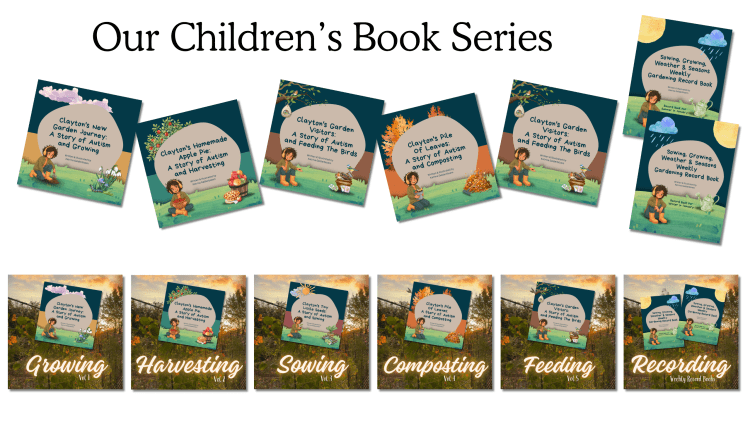
They are also Author of the new Children’s Book Series: Clayton’s Garden Journey: Stories of Autism and Gardening. Topics on Growing, Harvesting, Sowing & Composting and 108 Page Weather and Seasons Weekly Gardening Record Book available on Amazon and Kindle.
Listen in on their Guest Podcasts to learn more about them.
Get Weekly Blogs Straight To Your Inbox
Our Children’s Book Series
Author of the new children’s book series: Clayton’s Garden Journey: Stories of Autism and Gardening. Including Stories on Growing, Harvesting, Sowing, Composting, Feeding The Birds and A Sowing, Growing, Weather and Seasons Weekly Gardening Record Book available on Amazon and Kindle
Visit Our Print On Demand Stores
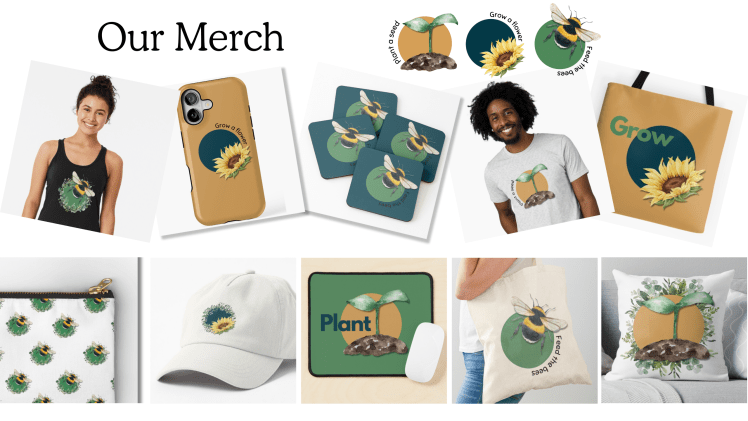
Redbubble Store – Worldwide! 200+ garden & nature-inspired designs on coasters, phone covers, tote bags, mouse mats and so much more. Perfect for plant lovers, gardeners and anyone who wants to bring a touch of the outdoors into everyday life

Discover more from Building a Food Forest -Scotland
Subscribe to get the latest posts sent to your email.
