
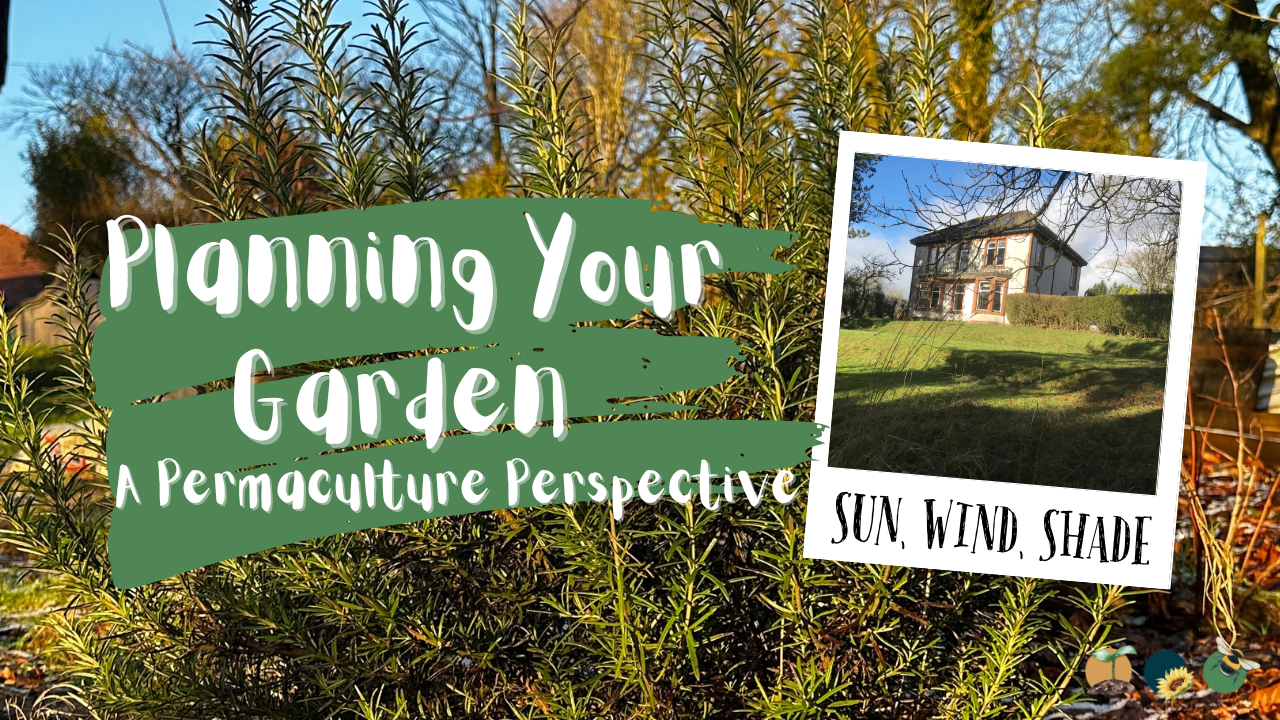
Get Weekly Blogs Straight To Your Inbox Planning Your Garden Based on Sun, Wind and Shade: A Permaculture Perspective Gardening is both an art and a science. One of the most critical aspects of successful gardening is planning your space based on environmental factors such as wind, sun, and shade. Incorporating permaculture principles into thisContinueContinue reading “Planning Your Garden Based on Sun, Wind and Shade: A Permaculture Perspective”
Category Archives: Permaculture Principles
Permaculture Principle No. 12 is “Creatively Use and Respond to Change.”

Permaculture, in simple terms, is a way of designing and creating systems – like gardens or farms working in harmony with nature. The word “permaculture” itself comes from combining “permanent” and “agriculture” or “culture,” reflecting a focus on sustainability and long-term thinking. Permaculture was co-founded by Bill Mollison and David Holmgren in Tasmania, Australia, inContinueContinue reading “Permaculture Principle No. 12 is “Creatively Use and Respond to Change.””
Permaculture Principle No. 11 is “Use Edges and Value the Marginal.”

Permaculture, in simple terms, is a way of designing and creating systems – like gardens or farms working in harmony with nature. The word “permaculture” itself comes from combining “permanent” and “agriculture” or “culture,” reflecting a focus on sustainability and long-term thinking. Permaculture was co-founded by Bill Mollison and David Holmgren in Tasmania, Australia, inContinueContinue reading “Permaculture Principle No. 11 is “Use Edges and Value the Marginal.””
Permaculture Principle No. 10 is “Use and Value Diversity.”

Permaculture, in simple terms, is a way of designing and creating systems – like gardens or farms working in harmony with nature. The word “permaculture” itself comes from combining “permanent” and “agriculture” or “culture,” reflecting a focus on sustainability and long-term thinking. Permaculture was co-founded by Bill Mollison and David Holmgren in Tasmania, Australia, inContinueContinue reading “Permaculture Principle No. 10 is “Use and Value Diversity.””
Permaculture Principle No. 9 is “Use Small and Slow Solutions”

Permaculture, in simple terms, is a way of designing and creating systems – like gardens or farms working in harmony with nature. The word “permaculture” itself comes from combining “permanent” and “agriculture” or “culture,” reflecting a focus on sustainability and long-term thinking. Permaculture was co-founded by Bill Mollison and David Holmgren in Tasmania, Australia, inContinueContinue reading “Permaculture Principle No. 9 is “Use Small and Slow Solutions””
Permaculture Principle No. 8 is “Integrate Rather Than Segregate”

Permaculture, in simple terms, is a way of designing and creating systems – like gardens or farms working in harmony with nature. The word “permaculture” itself comes from combining “permanent” and “agriculture” or “culture,” reflecting a focus on sustainability and long-term thinking. Permaculture was co-founded by Bill Mollison and David Holmgren in Tasmania, Australia, inContinueContinue reading “Permaculture Principle No. 8 is “Integrate Rather Than Segregate””
Permaculture Principle No. 7 is “Design From Patterns To Details”

Permaculture, in simple terms, is a way of designing and creating systems – like gardens or farms working in harmony with nature. The word “permaculture” itself comes from combining “permanent” and “agriculture” or “culture,” reflecting a focus on sustainability and long-term thinking. Permaculture was co-founded by Bill Mollison and David Holmgren in Tasmania, Australia, inContinueContinue reading “Permaculture Principle No. 7 is “Design From Patterns To Details””
Permaculture Principle No. 6: “Produce No Waste”

Permaculture, in simple terms, is a way of designing and creating systems – like gardens or farms working in harmony with nature. The word “permaculture” itself comes from combining “permanent” and “agriculture” or “culture,” reflecting a focus on sustainability and long-term thinking. Permaculture was co-founded by Bill Mollison and David Holmgren in Tasmania, Australia, inContinueContinue reading “Permaculture Principle No. 6: “Produce No Waste””
Permaculture Principle No. 5: “Use And Value Renewable Resources And Services”

Permaculture, in simple terms, is a way of designing and creating systems – like gardens or farms working in harmony with nature. The word “permaculture” itself comes from combining “permanent” and “agriculture” or “culture,” reflecting a focus on sustainability and long-term thinking. Permaculture was co-founded by Bill Mollison and David Holmgren in Tasmania, Australia, inContinueContinue reading “Permaculture Principle No. 5: “Use And Value Renewable Resources And Services””
