
Get Weekly Blogs Straight To Your Inbox

DIY: Mini Greenhouses Create a Warm Start for Your Seeds
How and Why You Should Make a Greenhouse by Adding Extra Light to Your Windowsill for Seed Starting This Spring
Creating a greenhouse effect on your windowsill by adding extra light is a simple yet effective way to give your seeds the best start in spring. Natural light alone may not always be enough, especially during the shorter days of late winter and early spring. Enhancing the setup with additional light creates ideal growing conditions for strong, healthy seedlings.
Why Add Extra Light to Your Windowsill?
No greenhouse? Not everyone has one, we don’t, so what can you do. Use your windowsill.
Boost Growth: Many seeds need at least 12–16 hours of light per day to develop strong roots and stems. Supplementing natural daylight with artificial grow lights prevents weak, leggy seedlings.
Extend the Growing Season: Extra light allows you to start seeds earlier, giving plants more time to mature before transplanting.
Increase Success Rates: Adequate lighting helps prevent damping off disease, a common problem in low light conditions where seedlings become weak and die.
How to Create a Windowsill Greenhouse with Extra Light
Use Reflective Surfaces: Placing baking foil, white paper, or mirrors around the windowsill reflects more light onto your seedlings, maximising exposure.
Trap Warmth and Humidity: Cover seed trays with clear plastic lids, glass containers, or plastic wrap to create a mini greenhouse effect that retains heat and moisture. See what we use
Ideally you would need to add some growing lights to really give them the best start in Winter in low levels of sun.
Choose the Right Lights: LED grow lights or fluorescent bulbs are energy efficient options that provide the full spectrum of light that plants need. Position them a few inches above seedlings, adjusting as they grow.
Maintain a Consistent Schedule: Use a timer to keep grow lights on for 12–16 hours daily, mimicking natural daylight cycles.
By adding extra light to your windowsill, you create a warm, bright environment that encourages strong, resilient seedlings, giving your garden a head start for spring planting!
Winter Garden: DIY Foil Seedling Backdrop On The Windowsill In The Winter
Keep Your Seeding Warm With Cloches Or Fabric
How to Use Cloches or Fabrics to Start Seeding on Your Windowsill and Outside This Spring
Using cloches or protective fabrics is a great way to create a warm, controlled environment for your seeds, both indoors on your windowsill and outside in your garden. These simple solutions help extend the growing season by shielding young seedlings from cold temperatures, frost, and harsh weather.
Why Use Cloches or Fabrics?
Retain Heat and Moisture: Cloches and fabric coverings act like mini greenhouses, trapping warmth and preventing excessive moisture loss, which is essential for seed germination.
Protect from Cold and Frost: In early spring, temperatures can still be unpredictable. Covering seedlings with cloches or fleece provides insulation against sudden frosts.
Shield from Pests and Wind: When outside, young seedlings are vulnerable to pests like birds and insects, as well as strong winds. A protective covering helps keep them safe.
How to Use Cloches or Fabrics for Seeding
On Your Windowsill:
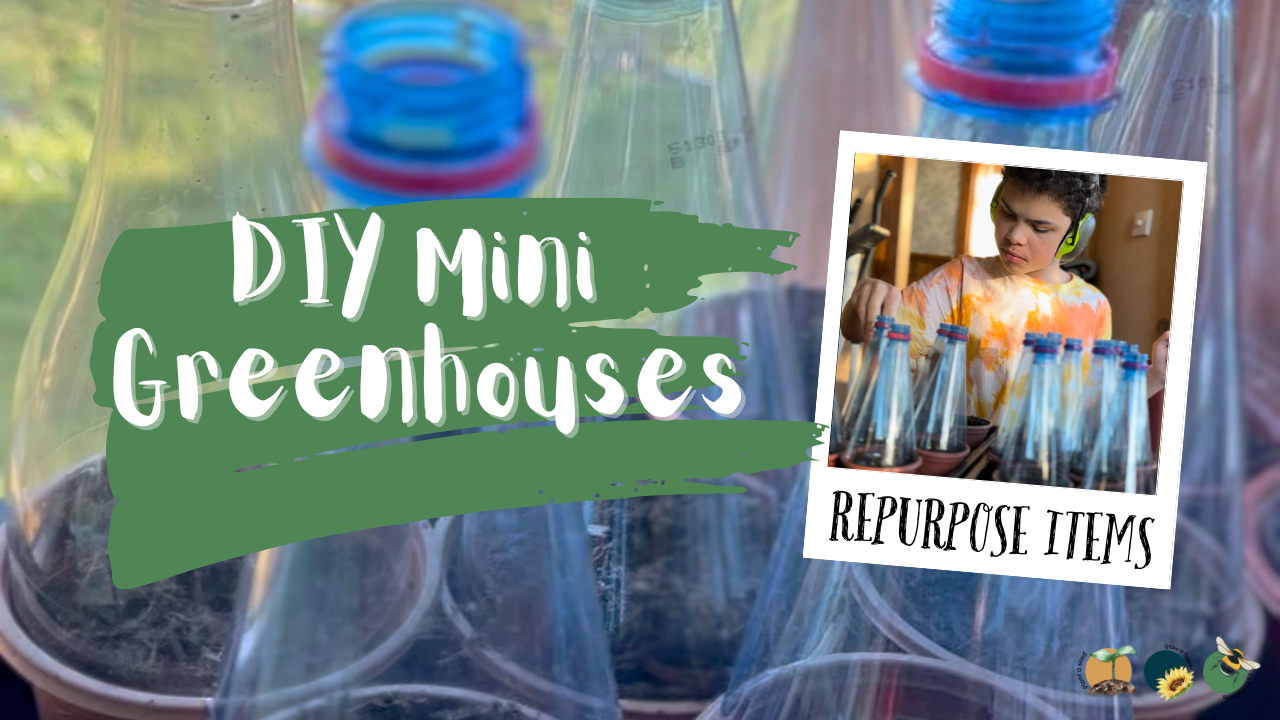
- Use clear plastic containers, glass jars, or cut-off plastic bottles to cover seed trays and pots, creating a mini greenhouse effect.
- Ensure there’s some airflow to prevent mold by slightly lifting the cover or poking ventilation holes.
- If using fabric, a lightweight sheer material can help diffuse strong sunlight while maintaining warmth.
Outside in the Garden:
- Place plastic or glass cloches (upturned jars, bottles, or purpose made cloches) over direct sown seeds to retain heat.
- Use horticultural fleece or row covers to protect larger areas, securing the edges with stones or pegs to prevent wind displacement.
- Remove covers gradually as temperatures rise to harden off seedlings before transplanting.
By using cloches and fabrics effectively, you can start your seeds earlier, protect them from harsh conditions, and give them the best chance to thrive in spring!
Mini Greenhouse- Trap Warmth and Humidity Ideas Video Reel
Make A Cold Frame To Keep Your Seedlings Warm Outside
How to Use a Plastic Box as a Cold Frame If You Don’t Have a Greenhouse
If you don’t have a greenhouse, a simple plastic box can serve as an effective cold frame to protect your seedlings and extend your growing season. A cold frame acts like a mini greenhouse, trapping warmth and shielding young plants from frost, cold winds, and pests. Repurposing a plastic storage box or clear tub is an easy and cost effective way to create one.
Why Use a Plastic Box as a Cold Frame?
Affordable and Accessible: Many households already have plastic storage boxes, making this a budget friendly alternative to buying a greenhouse. We had them for the kids toy boxes and under bed storage.
Retains Heat and Moisture: The clear plastic allows sunlight in while trapping warmth, creating a stable environment for seedlings.
Portable and Flexible: Unlike a traditional cold frame, a plastic box can be moved around easily to maximise sunlight exposure and can easily be brought in, in high winds.
Protects Against Frost and Pests: Keeping seedlings covered prevents frost damage and deters insects and birds.
How to Set Up Your Plastic Box Cold Frame
Choose a Clear Box: A transparent storage box with a lid works best, as it lets in the most sunlight.
Position It Well: Place the box in a sunny spot, either outdoors or on a windowsill, to maximise warmth and light.
Insulate if Necessary: On very cold nights, cover the box with a blanket or straw for extra insulation.
Water Carefully: Keep the soil moist but avoid overwatering, as excess humidity can cause mould.
Ventilation: Prop the lid open slightly during the day to allow airflow and prevent overheating.
With this simple DIY cold frame, you can start your seedlings early and protect them from harsh weather, giving them the best start before transplanting into your garden!
Make A Cold Frame- Trap Warmth and Humidity For Your Seedlings Video Reel
Repurposing Household Items To Sow Seeds In, From Items You Would Usually Throw Away
You’ll be surprised what you find once you start looking around your recycling. By adding extra light to your windowsill, you create a warm, bright environment that encourages strong, resilient seedlings, giving your garden a head start for spring planting!
Happy Gardening!


Katrina & Clayton and family live in East Ayrshire and share their daily life in the garden on instagram. They practice permaculture principles in the garden, reducing & repurposing waste whenever they can. Katrina shows how home educating in nature has helped Clayton thrive.
Clayton Completed The 2 Grow and Learn Courses with the Royal Caledonian Horticultural Society. He is Autistic, Non Verbal & has been Home Educated since 2018. Katrina & Peter hold their PDC & PDC PRO Permaculture Design Course from Oregon State University
They featured on BBC Beechgrove Gardens Ep23 2022 and returned in 2023 for an update,Katrina & Clayton are also columnists for ScotlandGrows Magazine, Guest Blog for Caledonian Horticulture as well as working with Gardeners’ World Magazine and many other brands. They are also Authors of the new children’s book: Clayton’s New Garden Journey: A Story of Autism and Growing available on Amazon & Kindle. Listen in on our Guest Podcast to learn more about us.
Get Weekly Blogs Straight To Your Inbox
Our Children’s Book Series
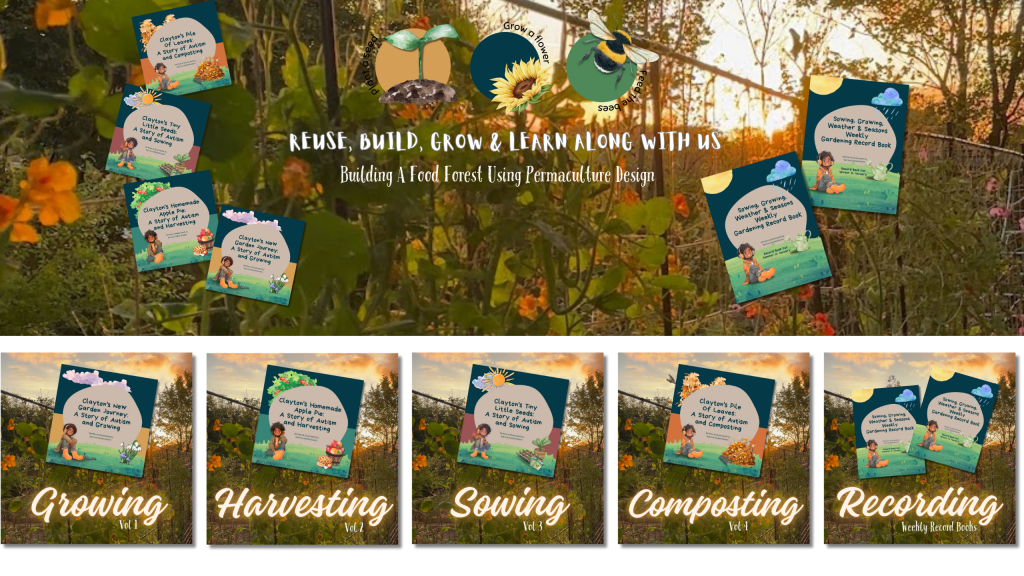
Author of the new children’s book series: Clayton’s Garden Journey: A Story of Autism and Gardening. Topics on Growing, Harvesting, Sowing & Composting and 108 Page Weather and Seasons Weekly Gardening Record Book available on Amazon and Kindle
Visit Our Print On Demand Stores
REDBUBBLE STORE -WORLDWIDE
Over 175 Garden & Nature Designs. Coasters, Phone Covers, Bags, Mouse Mats & Much More


Discover more from Building a Food Forest -Scotland
Subscribe to get the latest posts sent to your email.

Oohh that sounds like a great option! We’ve just planted willow out this year so can try this later on when they have branches to cut. Thanks for sharing
LikeLike