
Get Weekly Blogs Straight To Your Inbox

Food Forest Gardening: How to Grow and Harvest Raspberries, Strawberries, Blueberries & More
Designing Our Berry Garden with Permaculture Principles
We spent a lot of time designing this area, not just planting randomly, but really thinking about how the space would function as a whole. Our goal was to create a garden that wasn’t just beautiful and productive, but also resilient, low maintenance, and deeply connected to the nature around it. That’s why we use Permaculture Design.
Permaculture, at its core, is about working with nature rather than against it. Instead of forcing plants to adapt to a layout that’s convenient for us, we designed the garden based on the existing conditions, the way the sun moves across the sky, how the wind blows through our space, and where the rain naturally collects or drains. Every decision we made came from observing the land and asking: What would nature do here?
Our berries in our garden, in particular, was designed with these principles in mind. We love berries, strawberries, blueberries, raspberries and not just for their sweet, abundant harvests but also because they’re ideal for guild planting, a key concept in permaculture. A guild is a group of plants that support each other’s growth. It’s nature’s version of teamwork. Each plant plays a role, some fix nitrogen in the soil, others attract pollinators, deter pests or provide shade and ground cover. See Our blog Understanding Plant Guilds in Permaculture Food Forest Gardening
We didn’t just plant berries. We surrounded them with companion plants that would help them thrive. Around our blueberries, which prefer more acidic soil, we planted companions like thyme and calendula. Strawberries were nestled under taller shrubs to benefit from dappled shade and reduced evaporation. Comfrey was added for its deep roots and ability to pull nutrients from below the soil surface, providing mulch and fertility when its leaves are cut back. Every element had a purpose to feed, protect or enhance the growth of another.
Even the physical placement of each plant was intentional. The sunniest spots were reserved for fruiting plants that needed full light. We observed the wind patterns and created natural windbreaks with tall grasses and sunflowers to protect more delicate plants. Rainfall was captured and slowed with mulched swales and contour planting, allowing water to soak deeply into the root zones instead of running off. See all the 12 Permaculture Principles.
The result? A garden that feels alive and interconnected. It’s not a monoculture, not a neat grid of plants each in its own isolated space. It’s more like a living community, buzzing with bees, teeming with diversity and already rewarding us with sweet, juicy fruit.
We’re still learning and adjusting, but watching this system come to life has been wonderful to watch year on year as they grow bigger, fill more space and give more harvests. This isn’t just a garden, it’s an ecosystem. And it all started with a commitment to observe, design thoughtfully, and let nature lead the way.
Summer Garden: Growing Our Raspberries
Our Raspberries
Choose a sunny spot with well-drained soil. Raspberries thrive in slightly acidic soil (pH 5.5-6.5) and need good air circulation to prevent diseases.

Planting
Raspberries can be planted in early Spring or late Autumn. Space plants about 2-3 feet apart in rows, with 6-8 feet between rows. Dig holes deep enough to accommodate the roots without bending them.
Care
Water raspberries regularly, especially during dry periods, ensuring the soil remains moist but not waterlogged. Mulch around the plants to retain moisture, suppress weeds, and improve soil quality. Prune annually to remove dead canes and thin out overcrowded areas, enhancing air circulation and sunlight penetration.
Harvesting
Raspberries are ready to harvest when they easily pull off the receptacle and are deep in color. Regular picking every few days during the fruiting season ensures the best quality and encourages more fruit production. Ours are ready from Summer through to Autumn
Our Guest Blog Posts for Caledonia Horticulture in our All About Series
Growing Raspberries In Scotland Read it here: All About Raspberries

Summer Garden: Growing Our Blueberries
Our Blueberries
Blueberries require full sun and well-drained, acidic soil with a pH of 4.5-5.5. Choose a location with good air circulation to minimise disease risks.

Planting
Plant blueberries in early Spring or late Autumn. Space them 4-5 feet apart in rows, with 8-10 feet between rows. Dig a hole twice as wide and the same depth as the root ball, and place the plant at the same depth it was in the nursery container.
Care
Water blueberries regularly, maintaining consistent soil moisture, especially during dry periods. Mulch around the plants with pine bark or wood chips to retain moisture, suppress weeds, and maintain soil acidity.
Pruning and Maintenance
Prune blueberries annually during late Winter or early Spring to remove dead or weak branches and encourage new growth. This promotes better air circulation and fruit production.
Harvesting
Blueberries are ready to harvest when they turn a uniform deep blue and detach easily. Regular picking encourages continued fruit production. Ours are ready end of the Summer to early Autumn.
Our Guest Blog Posts for Caledonia Horticulture in our All About Series
Growing Blueberries In Scotland Read it here: All About Blueberries

Summer Garden: Growing Our Blackberries
Our Blackberries
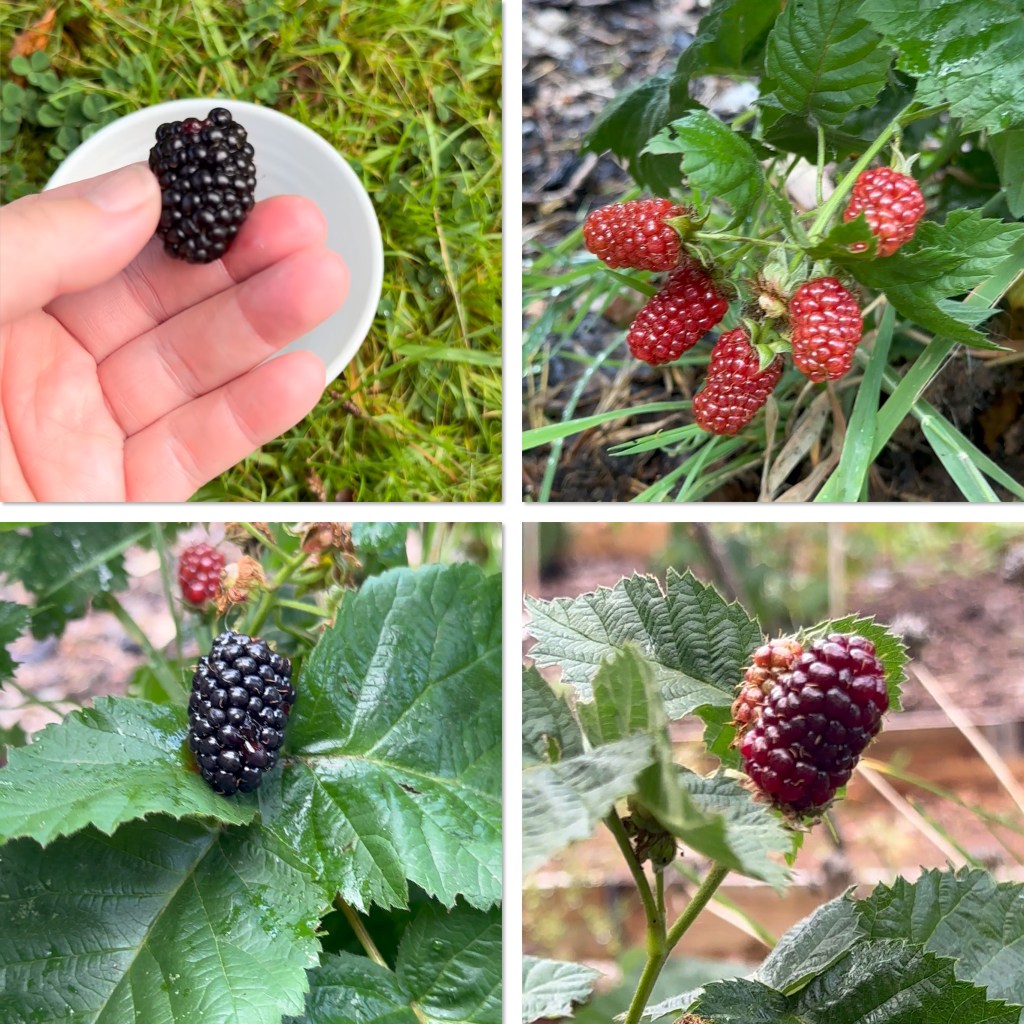
Blackberries prefer a sunny location with well-drained, slightly acidic soil (pH 5.5-6.5). Ensure good air circulation to prevent fungal diseases.
Planting
Plant blackberries in early Spring or late Autumn. Space them 3-5 feet apart in rows, with 6-8 feet between rows. Dig holes deep enough to cover the roots without bending them, and ensure the crown is at soil level.
Care
Water blackberries consistently, especially during dry spells, to keep the soil evenly moist. Mulch around the plants to conserve moisture, suppress weeds, and enhance soil structure. Prune annually, removing dead or weak canes and thinning out crowded areas to promote healthy growth and air circulation.
Harvesting
Blackberries are ready to harvest when they are plump, fully black, and come off the plant easily. Regular picking encourages continuous fruiting and maintains fruit quality. Ours are ready end of the Summer to early Autumn.
Our Guest Blog Posts for Caledonia Horticulture in our All About Series
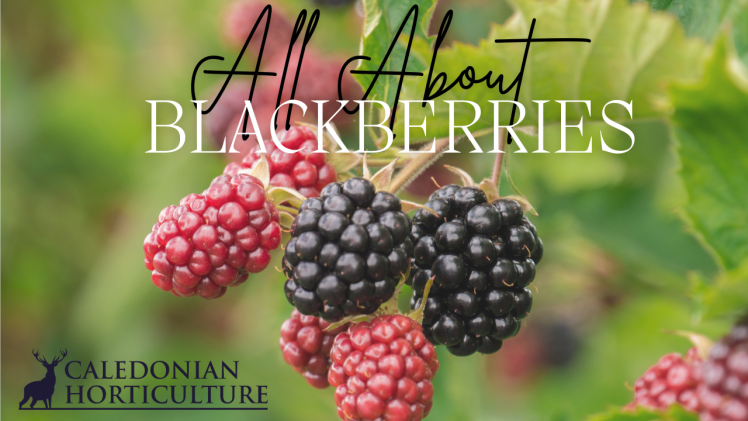
Growing Blackberries In Scotland Read it here: All About Blackberries
Summer Garden: Growing Our Currants
Our Blackcurrants & Redcurrants
Both blackcurrants and redcurrants thrive in a sunny or partially shaded location with well-drained, fertile soil. They prefer slightly acidic to neutral soil (pH 6.0-6.5). Ensure good air circulation to prevent diseases.

Planting
Plant currants in early Spring or late Autumn. Space them about 4-5 feet apart to allow for proper air circulation and growth. Dig a hole large enough to spread the roots comfortably, and plant slightly deeper than they were in the nursery, covering the root ball entirely.
Care
Water the plants regularly, especially during dry spells, to keep the soil consistently moist. Mulch around the base with organic material to retain moisture, suppress weeds, and regulate soil temperature.
Pruning and Maintenance
Prune blackcurrants in late winter by removing old wood and weak branches, encouraging new growth. For redcurrants, prune to maintain an open bush structure and remove any dead or overcrowded branches.
Harvesting
Blackcurrants are ready for harvest in mid-summer when they are glossy and deep black. Redcurrants ripen around the same time and should be a vibrant red. Both types should be picked when fully ripe for the best flavour. Ours are ready end of the Spring to early Summer.
Our Guest Blog Posts for Caledonia Horticulture in our All About Series
Growing Redcurrant In Scotland Read it here: All About Redcurrant
Growing Blackcurrants In Scotland Read it here: All About Blackcurrants


Summer Garden: Growing Our Honeyberry
Our Honeyberries
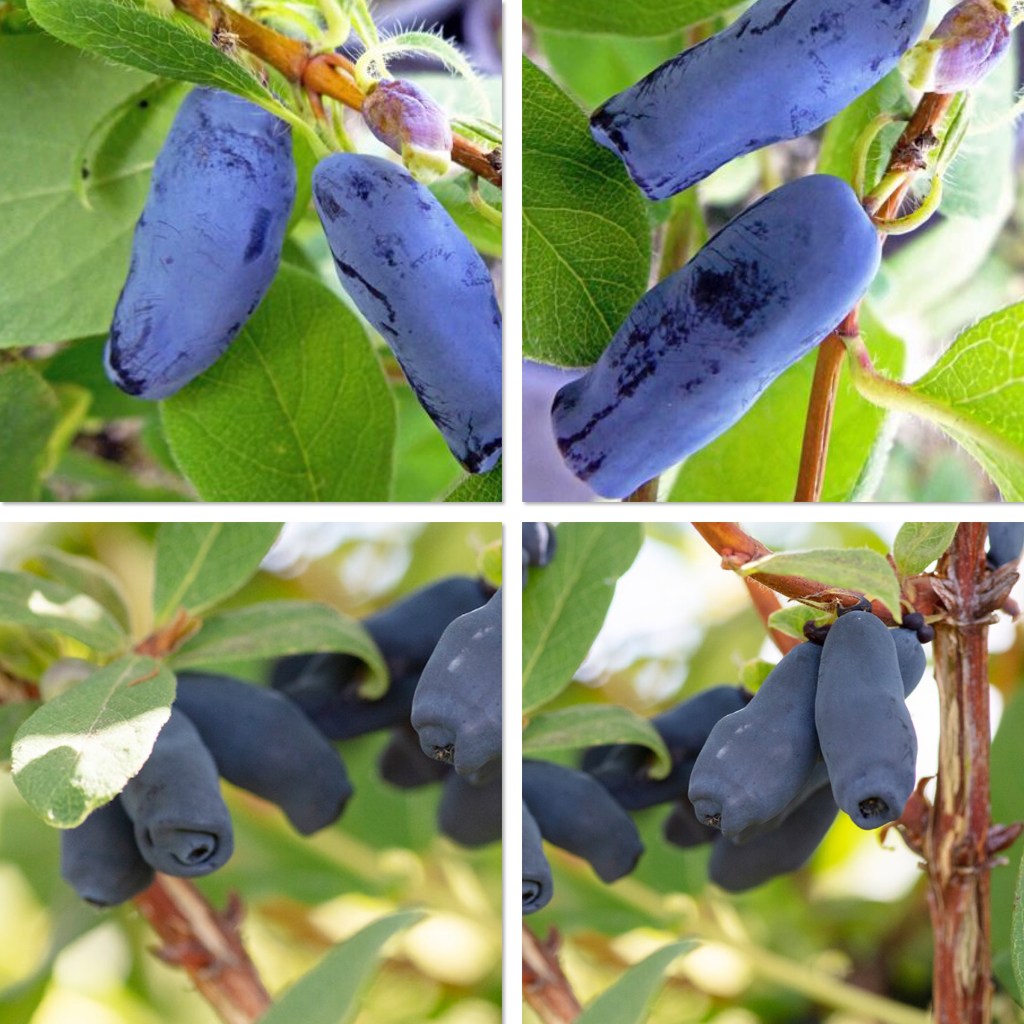
Honeyberries also known as Haskap berries thrive in full sun to partial shade. Choose a location with well-drained, slightly acidic to neutral soil (pH 5.0-7.0). Ensure good air circulation to prevent diseases and improve fruit quality.
Planting
Plant honeyberries in early Spring or late Autumn. Space plants 3-5 feet apart in rows, with 5-7 feet between rows. Dig a hole large enough to spread the roots comfortably, and plant at the same depth as they were in the nursery container.
Care
Water regularly, keeping the soil consistently moist, especially during the establishment period and dry spells. Mulch around the plants with organic material to retain moisture, suppress weeds, and regulate soil temperature.
Pruning and Maintenance
Prune honeyberries in late winter or early spring to remove dead or damaged wood and to maintain an open bush structure. This encourages air circulation and sunlight penetration, promoting healthy growth and fruit production.
Harvesting
Honeyberries ripen in early summer, typically a few weeks before strawberries. Harvest when the berries are fully colored and slightly soft to the touch. Taste test for sweetness, as some varieties may need to remain on the bush a bit longer to develop their full flavour. Ours are ready early Spring.
Our Guest Blog Posts for Caledonia Horticulture in our All About Series
Growing Honeyberries In Scotland Read it here: All About Honeyberries

Building a permaculture guild requires careful planning, diverse plant selection, and ongoing observation and maintenance. By creating a community of mutually beneficial species, you can establish a resilient, productive, and sustainable ecosystem that mimics the complexity and efficiency of natural systems, with very little ongoing work that needs to be put in once established.
Happy Gardening!


Katrina & Clayton and family live in East Ayrshire and share their daily life in the garden on instagram. They practice permaculture principles in the garden, reducing & repurposing waste whenever they can. Katrina shows how home educating in nature has helped Clayton thrive.
Clayton Completed The 2 Grow and Learn Courses with the Royal Caledonian Horticultural Society. He is Autistic, Non Verbal & has been Home Educated since 2018. Katrina & Peter hold their PDC & PDC PRO Permaculture Design Course from Oregon State University.
They featured on BBC Beechgrove Gardens Ep23 2022 and returned in 2023 for an update,Katrina & Clayton are also columnists for ScotlandGrows Magazine, Guest Blog for Caledonian Horticulture as well as working with Gardeners’ World Magazine and many other brands.
They are also Author of the new Children’s Book Series: Clayton’s Garden Journey: Stories of Autism and Gardening. Topics on Growing, Harvesting, Sowing & Composting and 108 Page Weather and Seasons Weekly Gardening Record Book available on Amazon and Kindle. Listen in on their Guest Podcasts to learn more about them.


Get new content delivered directly to your inbox.
Our Children’s Book Series
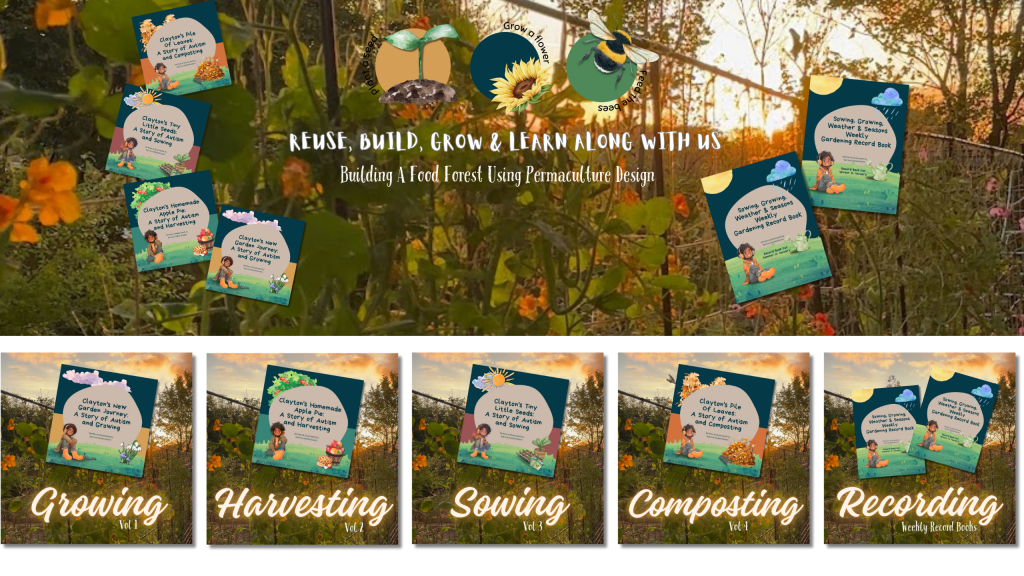
Author of the new children’s book series: Clayton’s Garden Journey: Stories of Autism and Gardening and Sowing, Growing, Weather and Seasons Weekly Gardening Record Book available on Amazon and Kindle
Visit Our Print On Demand Stores
REDBUBBLE STORE -WORLDWIDE
Over 175 Garden & Nature Designs. Coasters, Phone Covers, Bags, Mouse Mats & Much More


Discover more from Building a Food Forest -Scotland
Subscribe to get the latest posts sent to your email.

4 thoughts on “Food Forest Gardening: How to Grow and Harvest Raspberries, Strawberries, Blueberries & More”