

Get Weekly Blogs Straight To Your Inbox

Practical & Creative Ways To Use Fallen Leaves Around Your Garden
Using leaves in your garden is highly beneficial. In nature, fallen leaves are an essential part of the forest floor, returning nutrients to the soil and providing habitat for organisms. By mimicking this natural process, you create a sustainable and resilient garden system.
Why Using Leaves in Your Garden is Good
Encouraging a rich diversity of life in the garden supports the permaculture principle of integrating rather than segregating—allowing nature’s systems to function in balance.
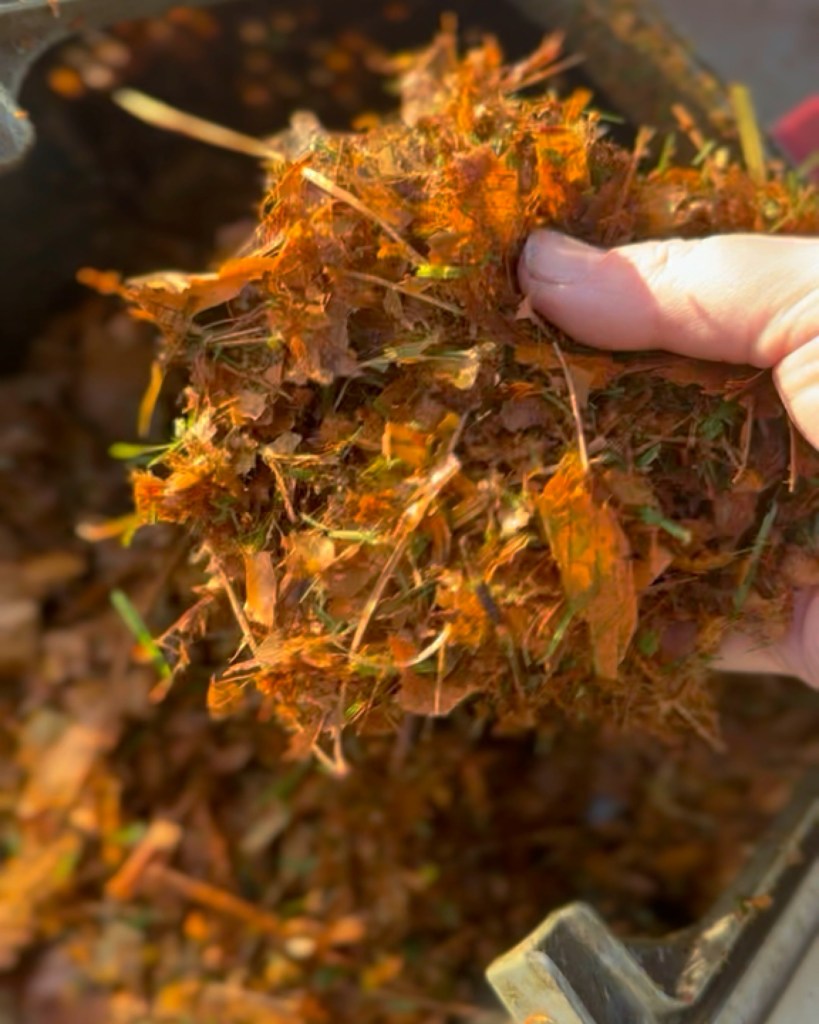
Nutrient Recycling:
Leaves are rich in carbon, and as they decompose, they release essential nutrients like phosphorus, potassium, and trace elements back into the soil, nourishing plants and microorganisms. Ensuring nutrients are cycled back into the ecosystem, reducing the need for synthetic fertilisers.
Improves Soil Health:
Decomposed leaves, known as leaf mould, improve soil structure by adding organic matter, making it more useable and improving aeration and water retention. Supporting the building and maintaining fertile soils through organic matter and natural processes.
Water Conservation:
A layer of leaves on the soil surface helps reduce evaporation, maintaining soil moisture and reducing the need for frequent watering and conserving water, a critical resource. It also helps in wetter areas like ours in Scotland to hold onto the water longer and release it slowly allowing the soil to not become waterlogged.
Weed Suppression:
Leaves used as mulch help suppress weeds by blocking sunlight and creating a physical barrier, reducing competition for nutrients and space. This approach to natural weed control works in harmony with nature, avoiding the use of herbicides.
Biodiversity Support:
Fallen leaves provide habitat for beneficial insects, earthworms, fungi, and other soil organisms that help break down organic matter and improve soil fertility, giving insects somewhere to stay over the winter months.
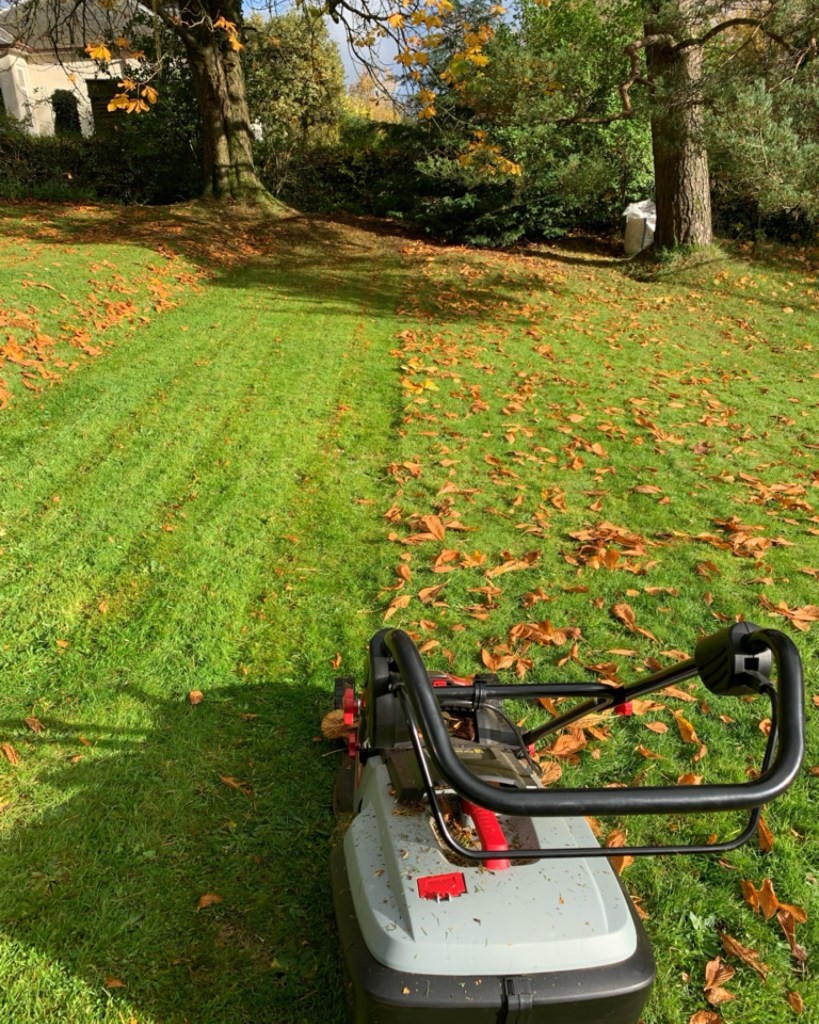
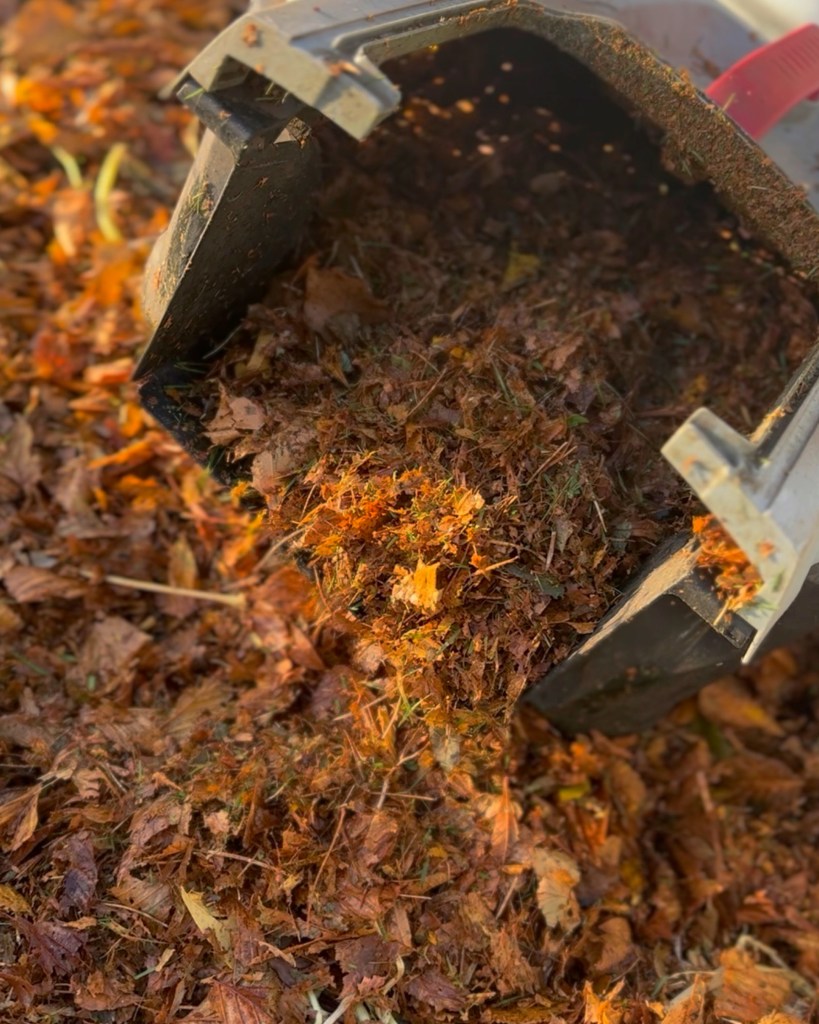
We put the lawn mower on the highest setting and run it over the lawn, this shreds the leaves so decomposition is quicker.
How to Use Leaves in Your Garden
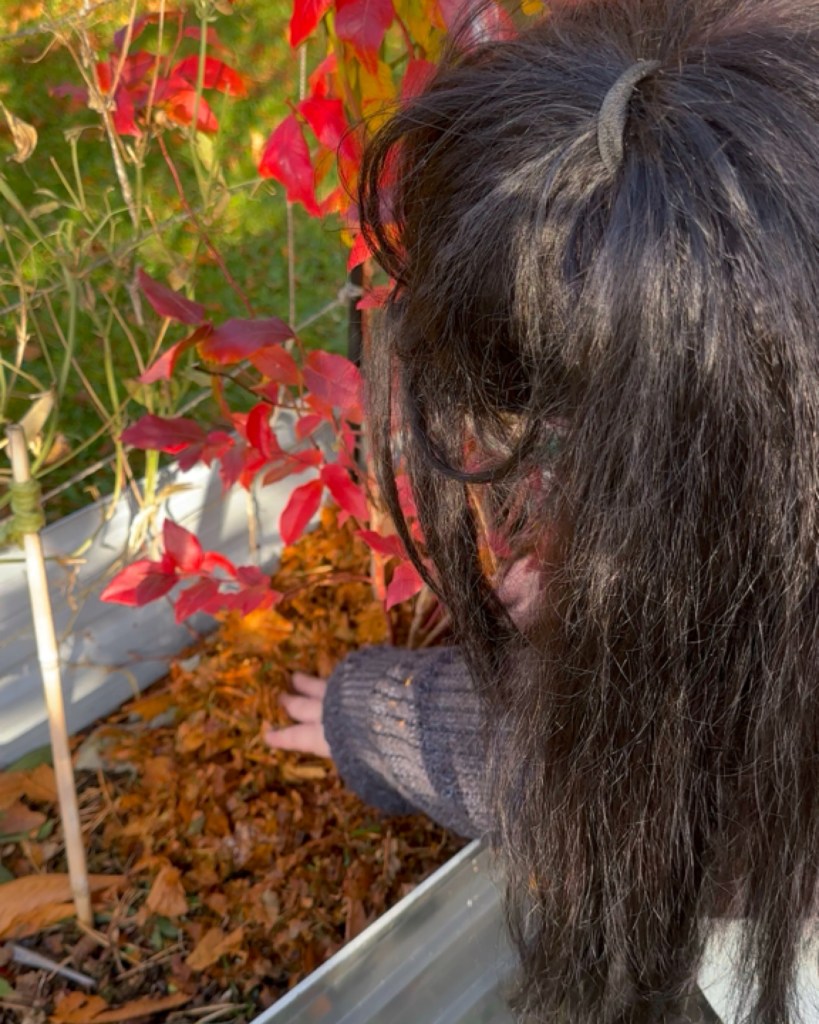
Mulch:
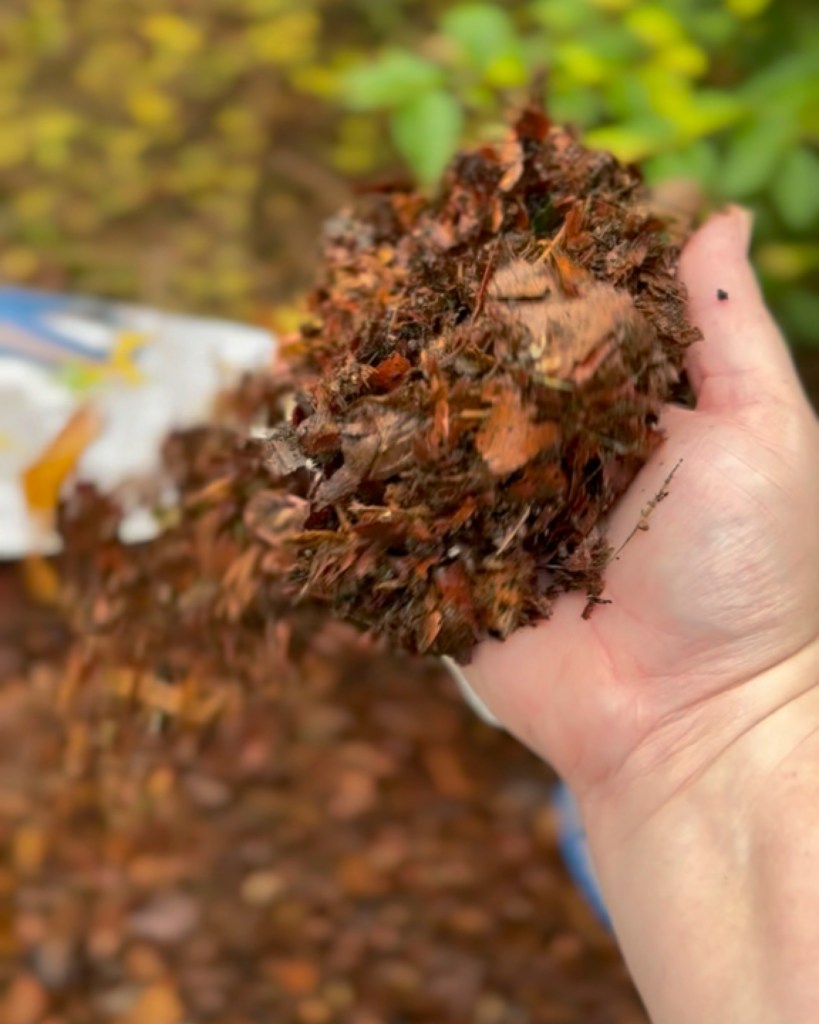
Spread leaves around plants, trees, or garden beds as a natural mulch. The leaves help suppress weeds, retain moisture, and insulate the soil.
Compost Ingredient:
Leaves are an excellent carbon source (browns) for compost. Add them to your compost pile, balancing with nitrogen-rich materials (greens) like kitchen scraps or grass clippings.
Over time, the leaves break down and form nutrient-rich compost, aligning with the permaculture principle of producing no waste by turning organic material into valuable soil amendment.
Leaf Mould:
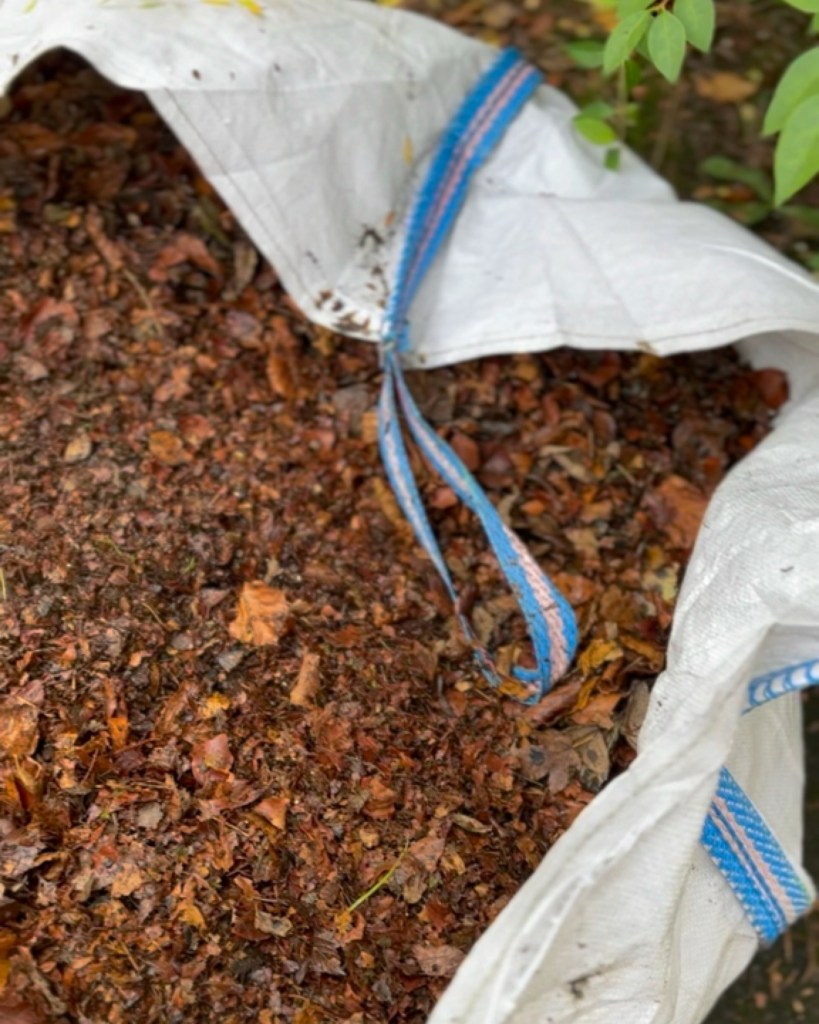
Pile up leaves in a separate area, or create a wire bin, and allow them to break down naturally into leaf mould, a crumbly, dark material. This process can take a year or two, but the result is an excellent soil conditioner.
Leaf mould improves the soil’s water-holding capacity and structure without adding significant nutrients, making it ideal for conditioning garden beds, improving heavy clay soils, or as a soil amendment in seedling mixes.
Sheet Mulching (Lasagna Gardening):
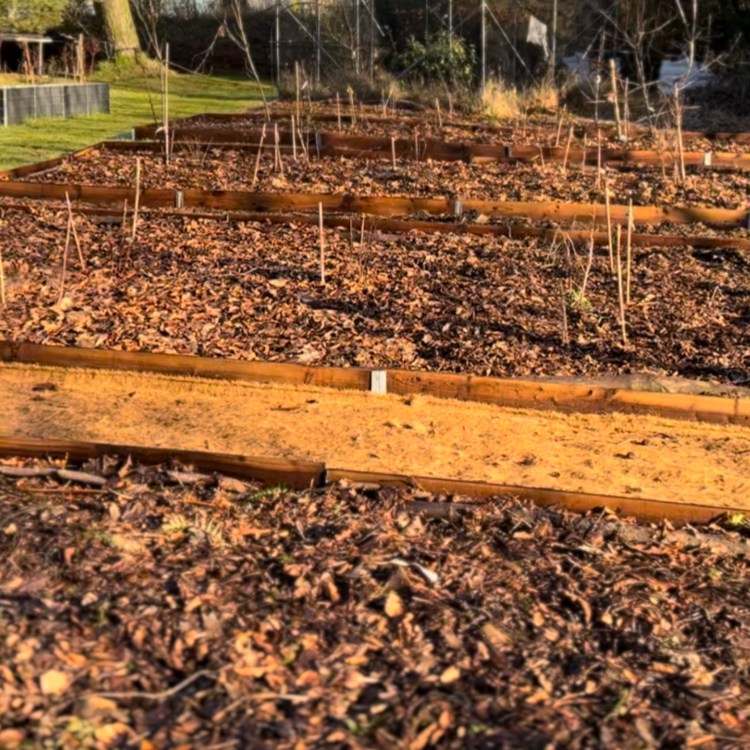
Use layers of leaves, along with other organic materials like cardboard, grass clippings, and compost, to build a new garden bed. This process, known as sheet mulching, mimics the natural layering found in forest ecosystems. Read about this in our blog post Autumn Garden: Sheet Mulching A Large Grass Lawn Area
Over time, the layers break down into rich, fertile soil, following permaculture principles of working with nature and improving soil health without tilling.
Working With Nature
Observe and Interact: Using leaves in your garden is an act of observing and interacting with natural processes, mimicking the forest floor’s role in nourishing the ecosystem.
Use and Value Renewable Resources: Leaves are a renewable, free resource that would otherwise go to waste. By using them in your garden, you make the most of local, natural materials.
Design from Patterns to Details: Leaves represent a small but critical part of nature’s nutrient cycles. By designing your garden to incorporate leaves as mulch or compost, you’re designing with nature’s larger patterns in mind—soil regeneration and sustainability.
By utilising leaves effectively, you embrace key permaculture principles and values—working with natural cycles, conserving resources, reducing waste, and building resilient systems.
Happy Gardening!


Katrina & Clayton and family live in East Ayrshire and share their daily life in the garden on instagram. They practice permaculture principles in the garden, reducing & repurposing waste whenever they can. Katrina shows how home educating in nature has helped Clayton thrive.
Clayton Completed The 2 Grow and Learn Courses with the Royal Caledonian Horticultural Society. He is Autistic, Non Verbal & has been Home Educated since 2018. Katrina & Peter hold their PDC & PDC PRO Permaculture Design Course from Oregon State University
They featured on BBC Beechgrove Gardens Ep23 2022 and returned in 2023 for an update,Katrina & Clayton are also columnists for ScotlandGrows Magazine, Guest Blog for Caledonian Horticulture as well as working with Gardeners’ World Magazine and many other brands.
They are also Author of the new children’s book series: Clayton’s Garden Journey: A Story of Autism and Gardening. Topics on Growing, Harvesting, Sowing & Composting and 108 Page Weather and Seasons Weekly Gardening Record Book available on Amazon and Kindle. Listen in on our Guest Podcasts to learn more about us.

Get Weekly Blogs Straight To Your Inbox
Our Children’s Book Series
Author of the new children’s book series: Clayton’s Garden Journey: A Story of Autism and Gardening. Topics on Growing, Harvesting, Sowing & Composting and 108 Page Weather and Seasons Weekly Gardening Record Book available on Amazon and Kindle
Visit Our Print On Demand Stores
REDBUBBLE STORE -WORLDWIDE
Over 175 Garden & Nature Designs. Coasters, Phone Covers, Bags, Mouse Mats & Much More

Discover more from Building a Food Forest -Scotland
Subscribe to get the latest posts sent to your email.

5 thoughts on “Practical & Creative Ways To Use Fallen Leaves Around Your Garden”