

Permaculture, in simple terms, is a way of designing and creating systems – like gardens or farms working in harmony with nature.
The word “permaculture” itself comes from combining “permanent” and “agriculture” or “culture,” reflecting a focus on sustainability and long-term thinking.
Permaculture was co-founded by Bill Mollison and David Holmgren in Tasmania, Australia, in the 1970s. Both Mollison and Holmgren played significant roles in developing and popularising permaculture.
Bill Mollison, an Australian ecologist, researcher, and teacher, was a driving force behind the development of permaculture. He observed natural ecosystems and traditional agricultural practices, inspiring the creation of a holistic design system.
David Holmgren, also an Australian ecologist, collaborated with Bill Mollison in refining and expanding permaculture principles. Holmgren’s contributions have been crucial in shaping the design framework and principles of permaculture.
In a nutshell, permaculture is like learning from nature’s playbook to create sustainable, efficient, and harmonious systems that support both the environment and people.
It’s about being smart, observing, and working together with the Earth to create a better way of living.
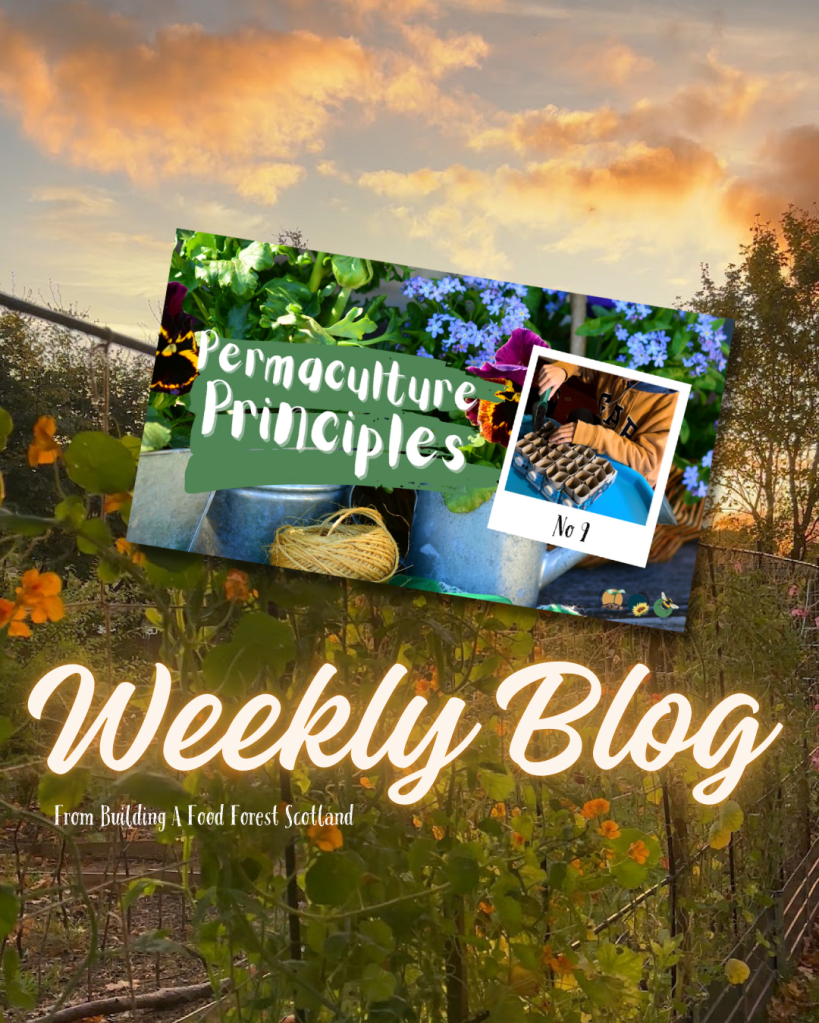
There are 12 Permaculture Principles and we will be looking at each one every month over the year and how we use it in our garden
Permaculture Principle No. 9:
“Use Small and Slow Solutions”
Permaculture Principle No. 9 is “Use small and slow solutions.” This principle emphasises the value of adopting gradual, sustainable changes and small-scale systems that are easier to maintain and adapt over time. Here’s a detailed breakdown of this principle into explanation, application, and expected outcome:
“Use small and slow solutions” focuses on the idea that small, incremental changes tend to be more sustainable, manageable, and resilient over time. Large-scale, fast solutions often lead to unintended consequences and require excessive energy and resources to maintain.
By contrast, small-scale interventions are easier to implement, monitor, and adjust. Nature itself often operates through slow and steady processes, such as the gradual buildup of soil fertility or the long-term growth of forests. By mirroring these natural processes, permaculture encourages creating systems that evolve and develop organically over time.
This principle also supports local solutions, as they tend to require fewer resources and are more responsive to the specific conditions of a place.

In Gardening and Agriculture:
- Soil Building: Instead of using chemical fertilisers for instant growth, build soil health over time with compost, cover crops, and natural amendments. This creates long-term fertility and resilience.
- Plant Selection: Start with small, hardy plants that can establish themselves in the local environment and expand gradually rather than monocultures or large-scale plantations that can be hard to manage.
- Permaculture Beds: Build garden beds incrementally, adding layers of organic material (like lasagna beds) each season to improve soil quality, rather than overhauling large areas at once.
In Community and Social Systems:
- Local Solutions: Focus on small-scale, local projects that directly benefit the community, such as community gardens, local food co-ops, or resource-sharing programs. These can grow organically as community needs evolve.
- Incremental Change: Implement community changes slowly, ensuring buy-in from stakeholders and adjusting based on feedback. For example, start with a small community garden before expanding to larger communal projects.
- Skills and Education: Focus on teaching practical, small-scale skills (e.g., home composting, water conservation) to individuals and groups, which can later scale up as people develop experience and confidence.
In Architecture and Design:
Slow Development: Allow natural processes to guide the growth of a landscape by introducing small changes that the system can adapt to, like planting native species that gradually establish themselves.
Building Renovations: Instead of building a large, expensive structure all at once, renovate or build small spaces gradually, adding features as needs evolve and budget allows.
Sustainability and Resource Conservation:
- Small and slow solutions use fewer resources, making them more sustainable. They reduce the need for heavy inputs and allow the system to develop organically, leading to long-term resource conservation.
Greater Resilience:
- Systems built slowly and on a small scale are more adaptable to change and external shocks. Small interventions can be tweaked or reversed more easily if they don’t work as expected, reducing the risk of failure.
Stronger Connections to Local Communities and Environments:
- By focusing on local and small-scale solutions, people develop a deeper understanding of their immediate environment and community needs. This leads to more tailored solutions that are responsive to local conditions.
Enhanced Skills and Learning:
- When individuals and communities start small, they have the opportunity to learn from their mistakes and successes. This gradual learning process strengthens skills and improves future projects.
Increased Long-term Success:
Slow, incremental growth tends to be more sustainable because it avoids the burnout and waste that can come from rapid expansion. Systems are more likely to succeed when they are built step-by-step, as they can adapt to real-world conditions over time.
By applying the principle of “Use small and slow solutions,” individuals and communities can develop systems that are manageable, adaptive, and sustainable, all while being in tune with the natural world’s rhythms. This leads to more resilient and sustainable environments, both ecologically and socially.
There are 12 permaculture Principles we will be looking at each one every month
When looking at implementing the design into our garden we looked at setting our sections up into different areas that suited, we have
- Food Forest Area
- Raised Bed Area
- Kitchen Courtyard
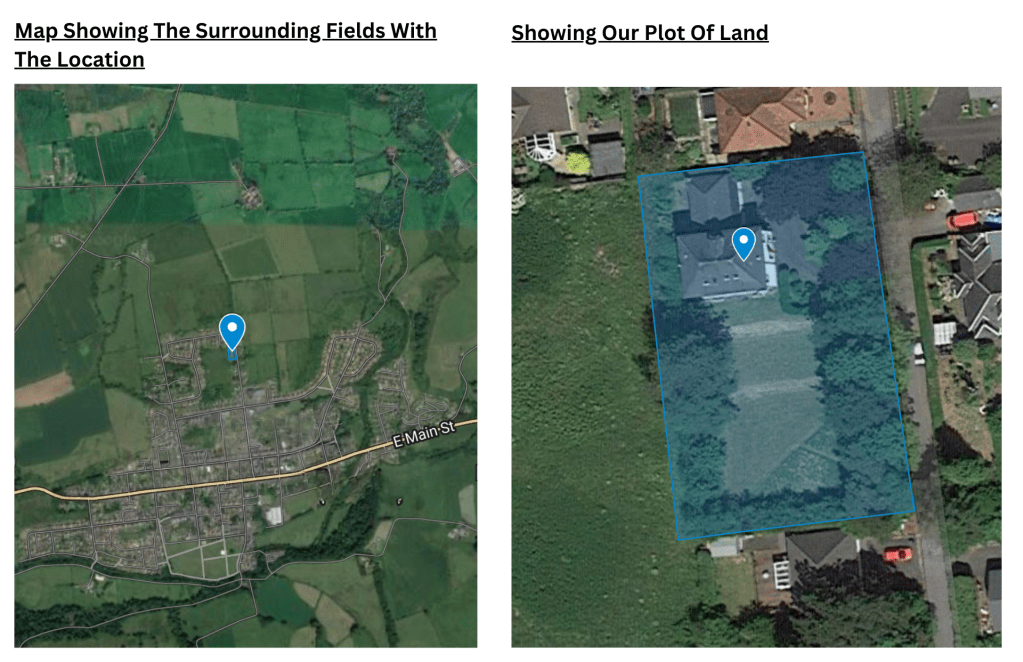
This is a shot of our home showing the surrounding area. We are on a hill, at the top of the hill and behind us the fields you see are an even steeper hill
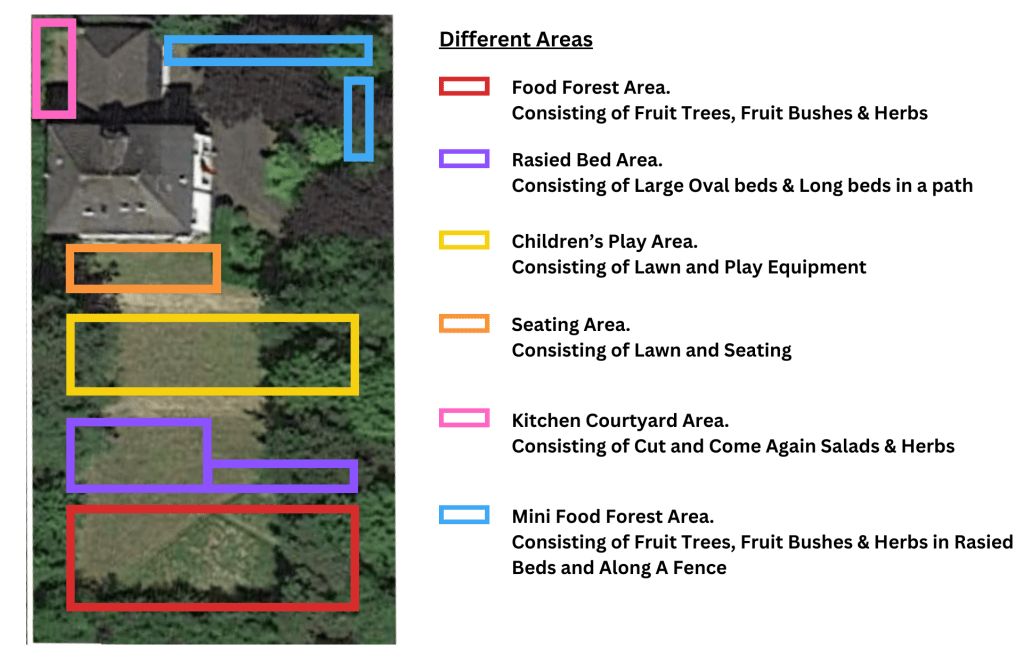
This is a long term project that will take time to grow and fill out, but we are adding to it each year and still getting harvests from the berries. Last year was our first year getting some apples from the trees. Observing and self regulating as we go along.
Take a look at some of the starting blogs for more details of how we got started and what we have added A Little About Us and Where The Food Forest Has Started From – 2022 Update and Food Forest Area- New Fruit Trees Planted For 2023

We integrate plants, companion planting and guilds throughout our areas from the larger spaces of the food forest down to the smaller raised beds. There is always a mix of crops planted next to each other to support each of them, from pest control companion planting such as chives, nasturtium and calendula to nitrogen fixing plants like lupins, peas and beans. Take a look at our tour to see what we plant up in these areas
PDC Permaculture Design Certificate
Peter received his Permaculture Design Certificate online in 2019 with Oregon State Uni. Certified by the Permaculture Institute of North America. Taught by: World Renowned Permaculturist Andrew Millison
Peter designed our garden using the Permaculture Design processes and the 12 Permaculture Principles.
Katrina finished her Permaculture Design Certificate Professional PDC PRO in 2024 to continue the process and pass all the knowledge onto Clayton and others.

Katrina & Clayton and family live in East Ayrshire and share their daily life in the garden on instagram. They practice permaculture principles in the garden, reducing & repurposing waste whenever they can. Katrina shows how home educating in nature has helped Clayton thrive.
Clayton Completed The 2 Grow and Learn Courses with the Royal Caledonian Horticultural Society This Year. Clayton has just turned 17, Autistic, Non Verbal & has been Home Educated for the last 7yrs. Katrina & Peter both hold their PDC Permaculture Design Course from Oregon State University
They featured on BBC Beechgrove Gardens Ep23 2022 and returned in 2023 for an update, Katrina & Clayton are also columnists for ScotlandGrows Magazine, Guest Blog for Caledonian Horticulture as well as working with Gardeners’ World Magazine and many other brands. They are also Authors of the new children’s book: Clayton’s New Garden Journey: A Story of Autism and Growing available on Amazon
Get Weekly Blogs Straight To Your Inbox

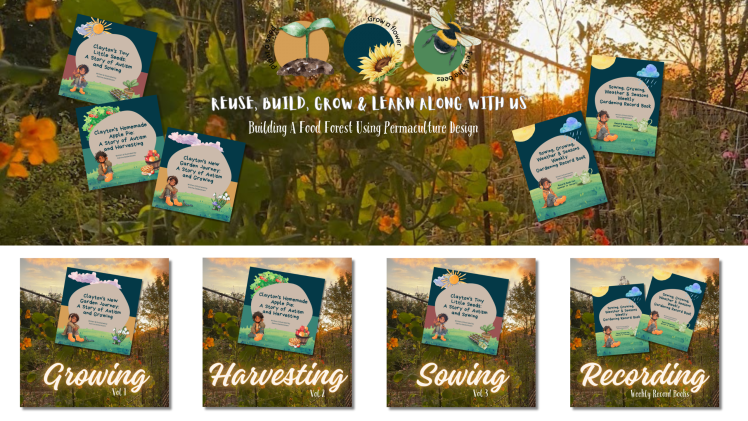

Author of the new children’s book series: Clayton’s Garden Journey: A Story of Autism and Gardening and Sowing, Growing, Weather and Seasons Weekly Gardening Record Book available on Amazon
Discover more from Building a Food Forest -Scotland
Subscribe to get the latest posts sent to your email.
