
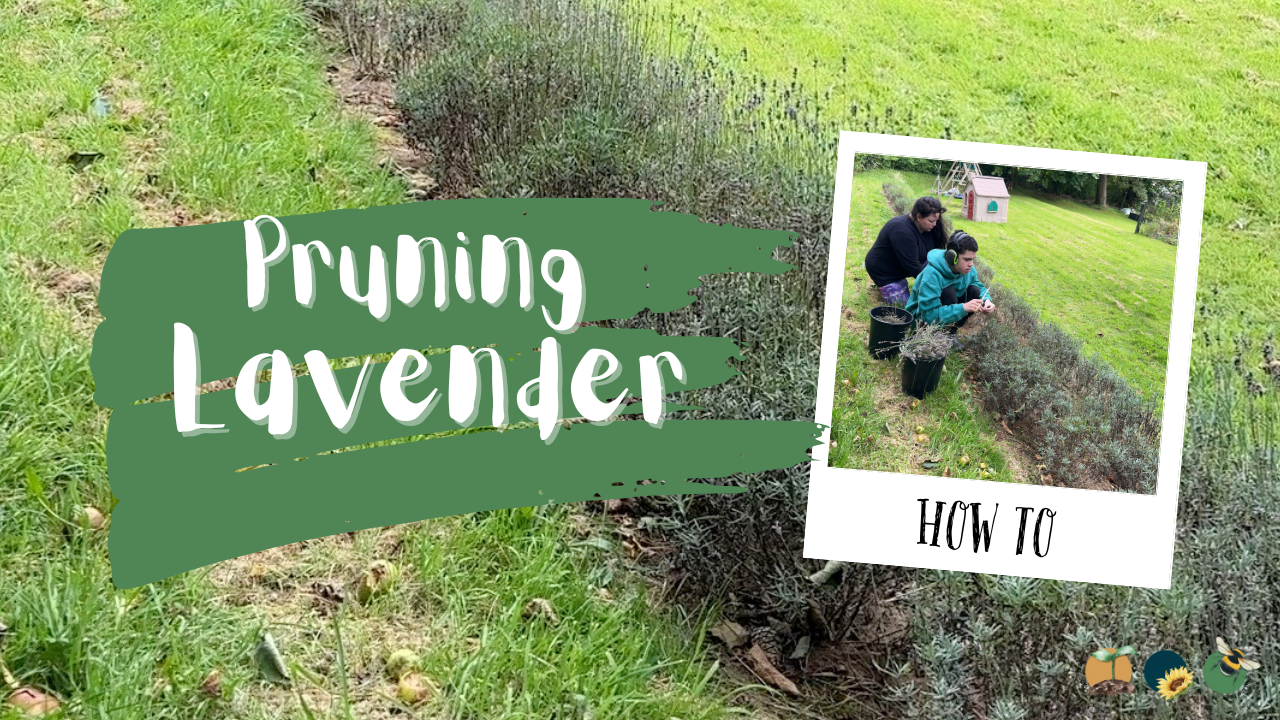
Get Weekly Blogs Straight To Your Inbox

Pruning Lavender: Tips for a Healthier, Bushier Plant
We write about our lavender hedge a lot, from growing from seed, how we keep the ground weed and maintenance free and what we do with the flowers.
Read more in our blog posts about lavender:
GROWING LAVENDER FROM SEED:
Grow Your Own Lavender Hedge From Seed For Pennies
LAVENDER HEDGE EROSION SHEETING:
How We Use Coir Erosion Sheeting
PRUNING LAVENDER:
Pruning Lavender: Tips for a Healthier, Bushier Plant
LAVENDER TOILET BOMBS:
DIY Lavender Toilet Bombs: Freshen Your Bathroom with Just 3 Ingredients
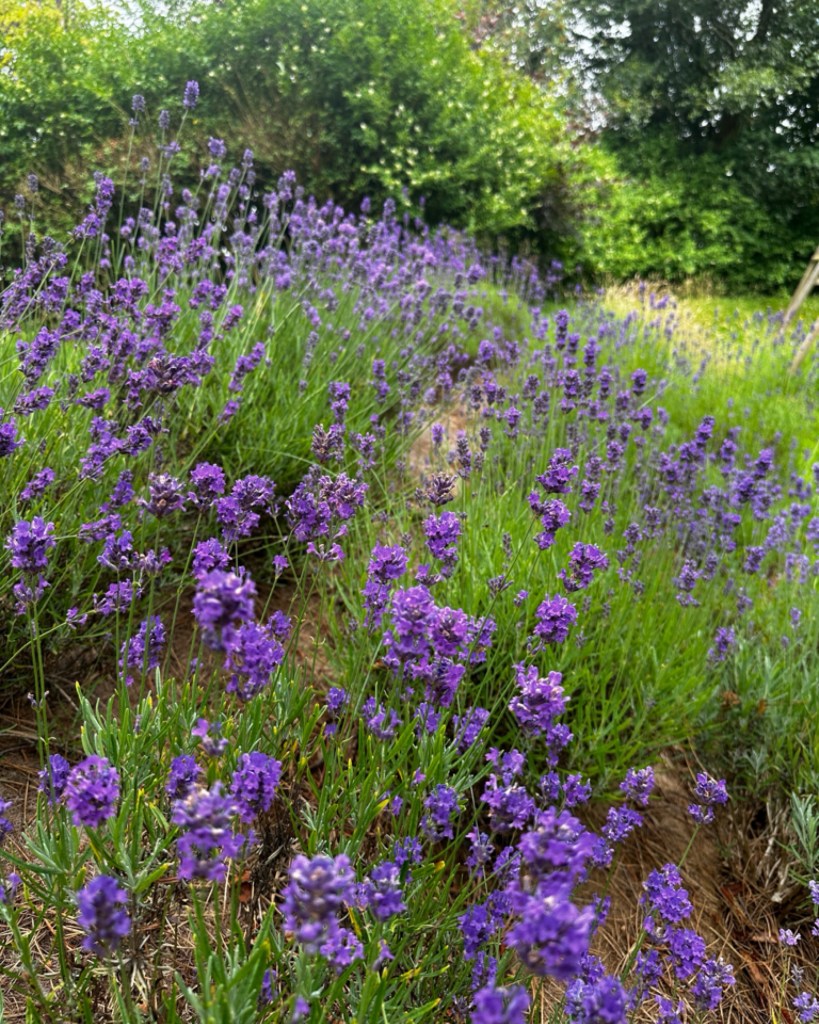
Pruning Our Lavender
Pruning lavender in Scotland during September is an important task to ensure the health and vitality of your plants, particularly because of the region’s cool and damp climate. Proper pruning promotes vigorous growth, helps maintain the shape of the lavender, and encourages more abundant blooms the following season. Lavender thrives in well-drained soil and sunny conditions, and while Scotland’s climate may not always be ideal, pruning helps lavender adapt and flourish even in cooler environments.
Why Prune Lavender in September?
September is an optimal time for pruning lavender in Scotland because it coincides with the end of the flowering season. By this time, most lavender varieties, including English lavender (Lavandula angustifolia), have finished blooming. Pruning now gives the plant time to recover before winter while avoiding the risk of frost damage to new growth. Early autumn pruning is also beneficial because the plant has time to harden off before the colder months set in, helping to prevent damage from Scotland’s frosty winters.
If you wait too long into autumn or prune in winter, the lavender may struggle to recover, and cold weather could harm tender new shoots. Conversely, pruning too early in summer can trigger new growth that may not have time to mature before the cold arrives, leaving it vulnerable to frost.
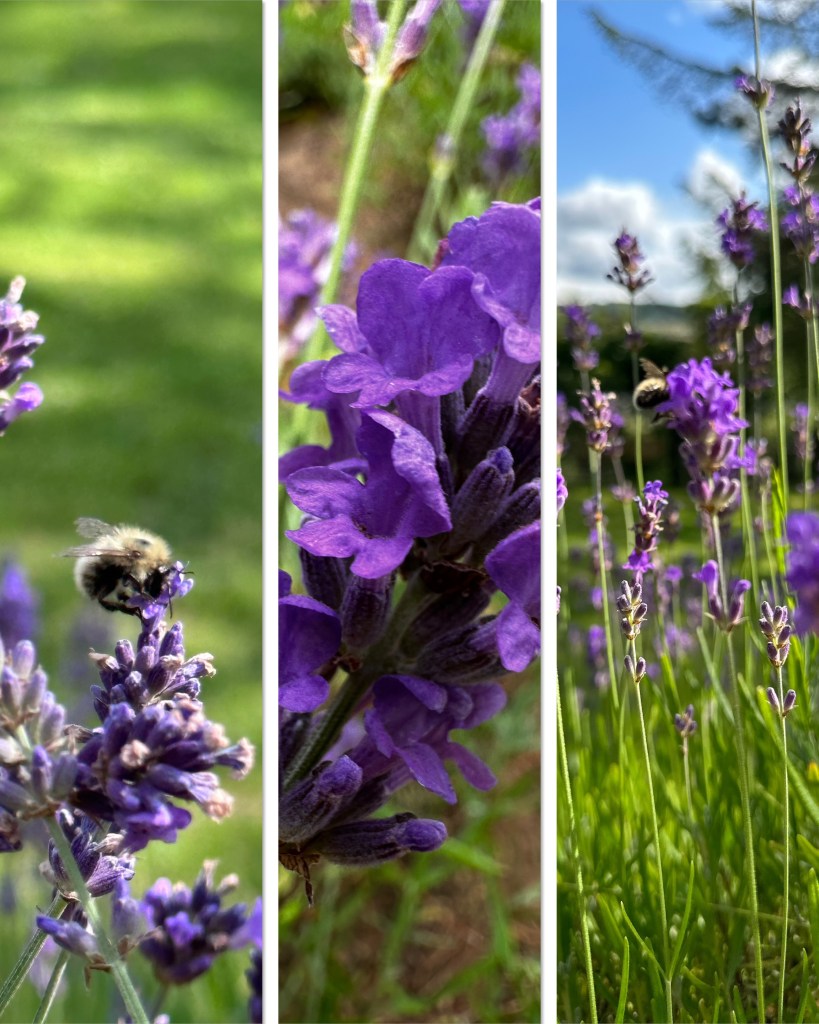
How to Prune Lavender in Scotland in September
When pruning, aim to maintain a neat, rounded shape. Lavender naturally grows in a bushy, compact form, and maintaining this shape helps prevent it from becoming too leggy or spreading too much. This is particularly important in Scotland’s climate, where dampness and poor air circulation can lead to problems with mold or disease in sprawling, untended plants.
Prepare Your Tools:
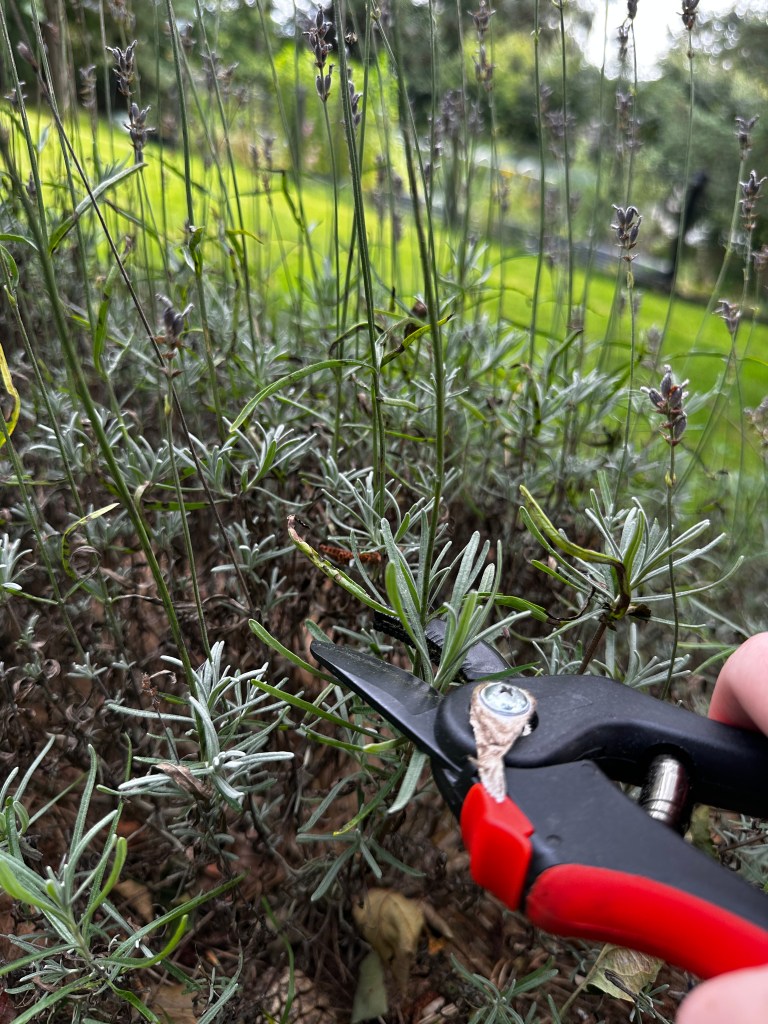
Use clean, sharp pruning shears to ensure clean cuts that will not damage the plant. Dull blades can tear the lavender stems, leading to a higher risk of disease.
Gloves are useful as lavender can be somewhat rough to handle, especially if you are pruning multiple plants.
Identify What to Cut:
Lavender should be pruned to remove the spent flower stalks and any leggy or straggly growth. This helps maintain the plant’s shape and encourages more compact, bushy growth.
Avoid cutting into the woody parts of the plant. Lavender does not regenerate well from old wood, and cutting too deep can stunt the plant’s growth or even kill it.
Cut Back By About One-Third:
For English lavender, it’s generally safe to cut back by about one-third of the plant’s overall height, focusing on the green, leafy parts rather than the woody base.
Ensure you leave some green growth on the plant, as this will be crucial for next season’s growth. Pruning too harshly or cutting into the old wood can prevent regrowth.

Shape the Plant:
When pruning, aim to maintain a neat, rounded shape. Lavender naturally grows in a bushy, compact form, and maintaining this shape helps prevent it from becoming too leggy or spreading too much. This is particularly important in Scotland’s climate, where dampness and poor air circulation can lead to problems with mold or disease in sprawling, untended plants.

Benefits of Pruning Lavender in September/Early October
Regular pruning ensures that the lavender remains vigorous, producing more flowers each season. Unpruned lavender tends to become leggy and woody, with fewer blooms.
Encourages Healthy Growth:
Pruning stimulates new growth, keeping the plant vibrant and productive. If lavender is not pruned regularly, it can become woody and less productive, producing fewer flowers.
Prepares the Plant for Winter:
Proper pruning before winter reduces the plant’s size, minimizing the risk of wind damage during Scotland’s often blustery autumn and winter months. The dense, compact shape helps protect the plant from harsh weather conditions.
Better Air Circulation:
Pruning prevents the lavender from becoming overly dense, which can improve air circulation and reduce the risk of fungal diseases, which are more likely to thrive in Scotland’s moist conditions.
Promotes Abundant Flowers:
Regular pruning ensures that the lavender remains vigorous, producing more flowers each season. Unpruned lavender tends to become leggy and woody, with fewer blooms.

Don’t Waste Your Pruning
Make some Lavender Toilet Bombs with them, diffused some in tea, remove all the flowers and add them into an air tight jar to use throughout the year in your home. They are perfect in little mesh bags hanging in your wardrobe.
or if that is all too much for you, try adding them around the base of your plants for a great mulch, you can see how we do this in the reel below.
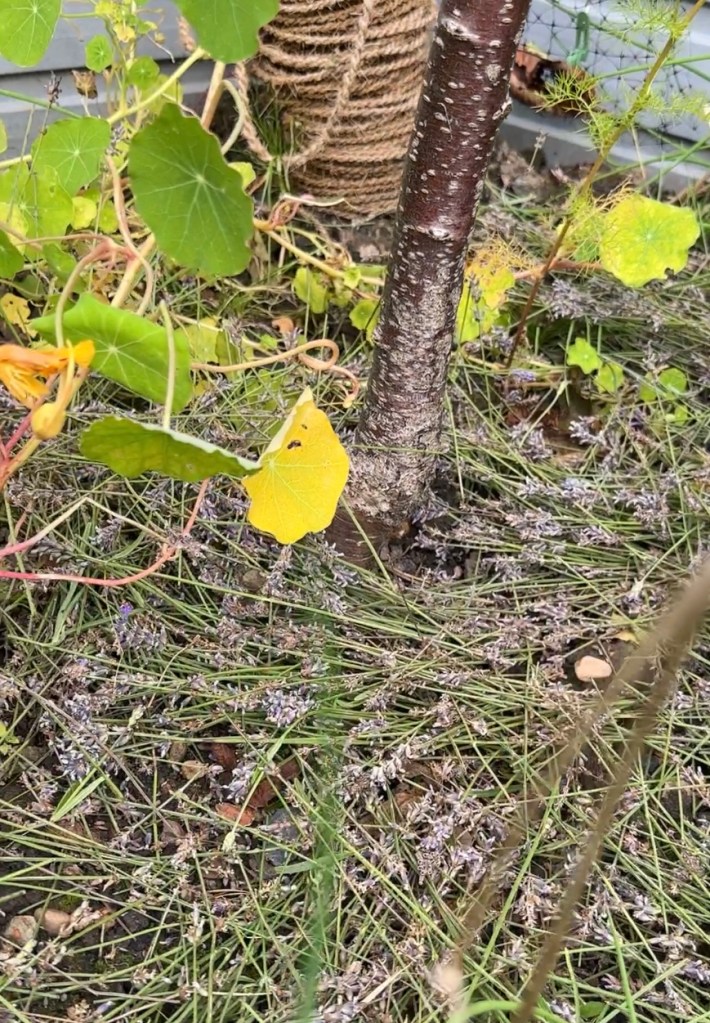
In Scotland, the practice of pruning lavender in September-Early October is a vital part of maintaining healthy and attractive plants. It encourages robust growth, helps shape the plant, and prepares it for the colder months ahead. By following simple pruning techniques, you can enjoy more abundant blooms and keep your lavender looking its best, even in a challenging climate. Lavender plants that are well-pruned tend to live longer and continue producing beautiful, fragrant flowers for years to come.
PRUNING LAVENDER VIDEO REEL
Mulching Our Plants Video Reel
Happy Gardening!


Katrina & Clayton and family live in East Ayrshire and share their daily life in the garden on instagram. They practice permaculture principles in the garden, reducing & repurposing waste whenever they can. Katrina shows how home educating in nature has helped Clayton thrive.
Clayton Completed The 2 Grow and Learn Courses with the Royal Caledonian Horticultural Society. He is Autistic, Non Verbal & has been Home Educated since 2018. Katrina & Peter hold their PDC & PDC PRO Permaculture Design Course from Oregon State University.
They featured on BBC Beechgrove Gardens Ep23 2022 and returned in 2023 for an update, Katrina & Clayton are also columnists for ScotlandGrows Magazine, Guest Blog for Caledonian Horticulture as well as working with Gardeners’ World Magazine and many other brands.
They are also Author of the new Children’s Book Series: Clayton’s Garden Journey: Stories of Autism and Gardening. Topics on Growing, Harvesting, Sowing & Composting and 108 Page Weather and Seasons Weekly Gardening Record Book available on Amazon and Kindle. Listen in on their Guest Podcasts to learn more about them.

Get new content delivered directly to your inbox.
Our Children’s Book Series

Author of the new children’s book series: Clayton’s Garden Journey: Stories of Autism and Gardening and Sowing, Growing, Weather and Seasons Weekly Gardening Record Book available on Amazon and Kindle
Visit Our Print On Demand Stores
REDBUBBLE STORE -WORLDWIDE
Over 175 Garden & Nature Designs. Coasters, Phone Covers, Bags, Mouse Mats & Much More


Discover more from Building a Food Forest -Scotland
Subscribe to get the latest posts sent to your email.

One thought on “Pruning Lavender: Tips for a Healthier, Bushier Plant”