
Get Weekly Blogs Straight To Your Inbox

Creative & Sustainable Ways to Reuse Packing Paper and Cardboard
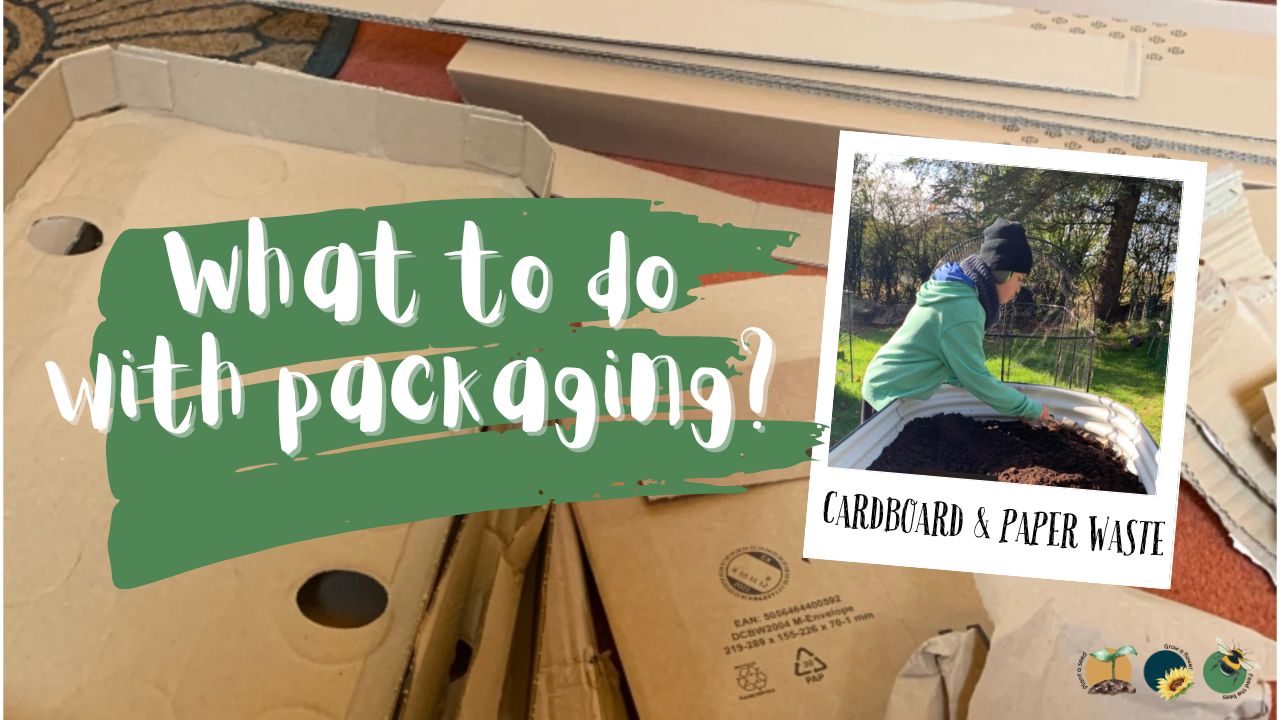
There are so many bits of cardboard and paper that comes through the post nowadays, there’s a bigger box with brown paper packing inside, then a smaller box with the product in. Trays of tins come on brown cardboard, extra strips of packing in furniture boxes, amazon envelopes, the list goes on…..
Of course you can just pop it into the recycling and hope it gets sorted out the other end, but so much of it doesn’t get sorted out and still ends up at the landfill. We try to use everything that we can when it arrives to us.
Before you start make sure you remove any tape or stickers.
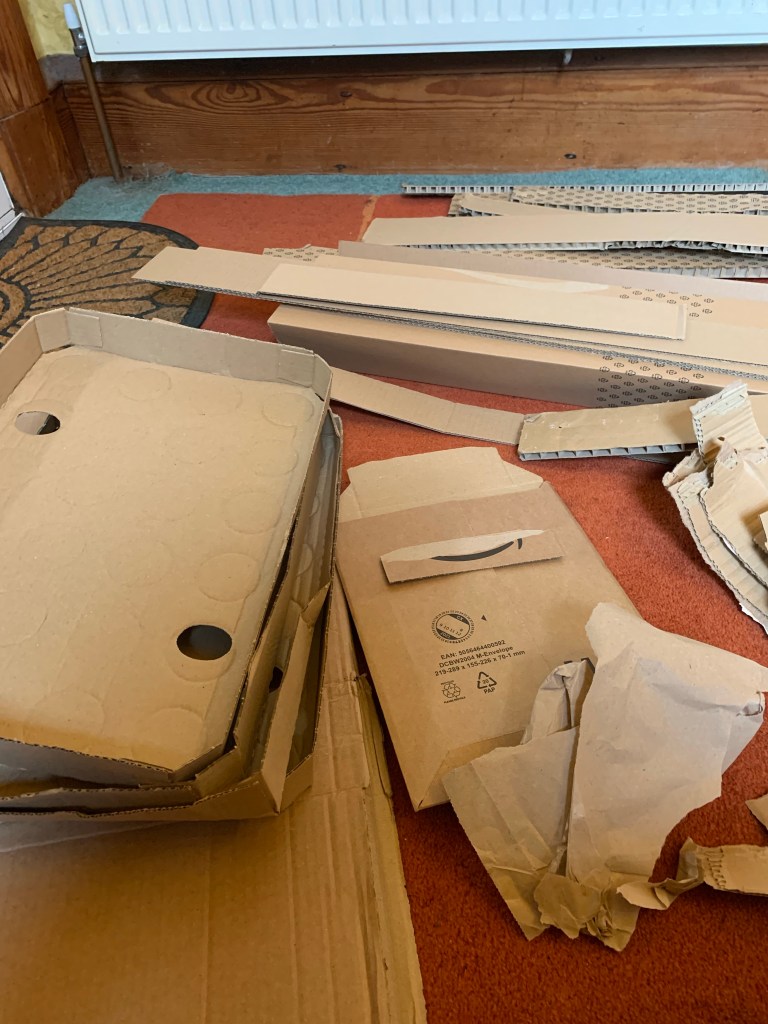
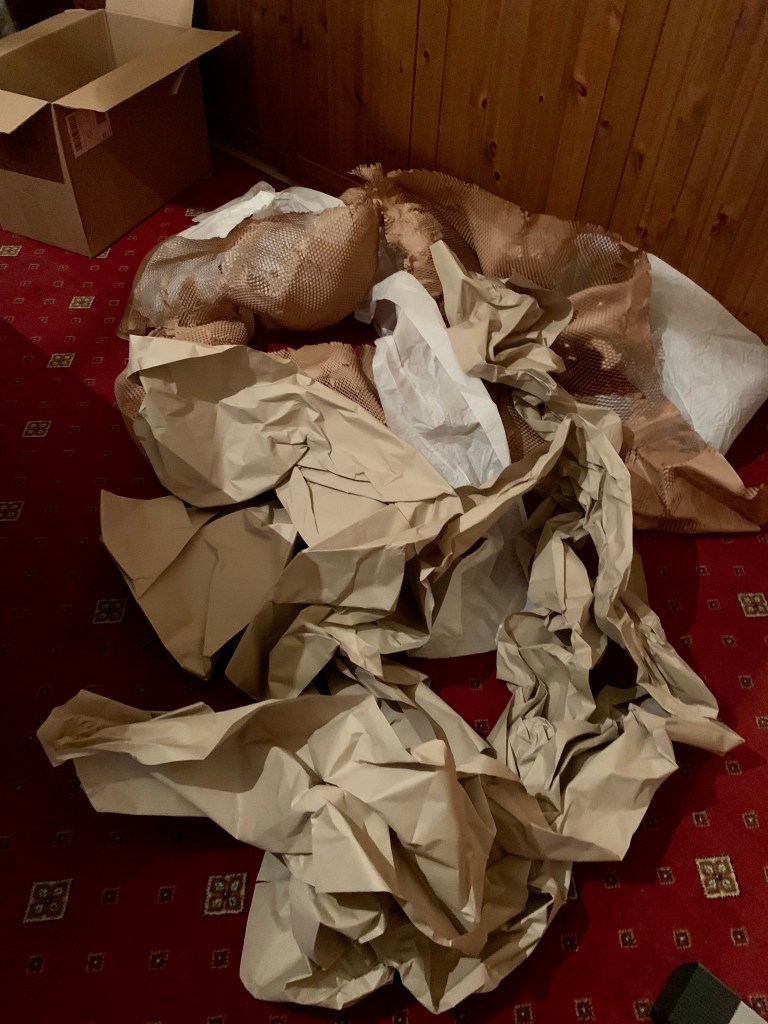
All can be torn up to use
How We Use Them
I have a box by the backdoor for all of the cardboard and paper to be put in for it to be shredded (torn up by hand by the kids and myself). Anything that isn’t glossy or printed with coloured ink goes in here doesn’t matter how small.
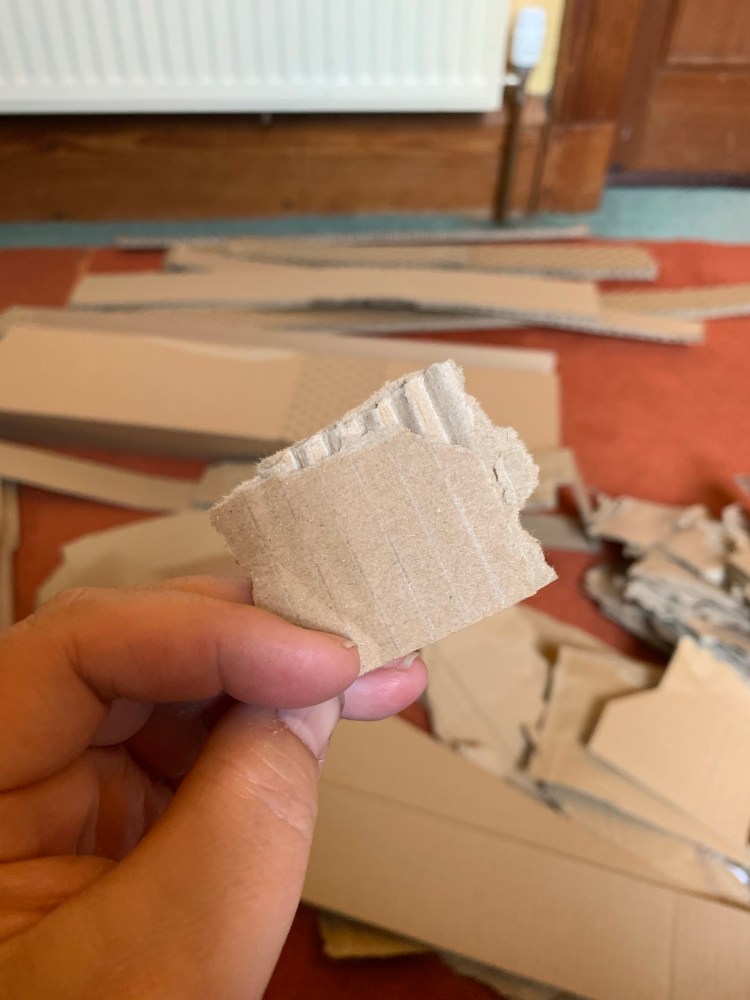
After collecting enough to get a bag full we start doing this, usually every week to clear the box and put it into a bag to take out to the areas of the garden needed. This time of year – Autumn in the UK is perfect for using in the raised beds to add carbon to the soil ready for next year.

This is such a great sensory activity and perfect for building up hand and finger muscles for
fine motor skills
What is Composting?
Composting is the biological process of turning organic waste into organic fertiliser which requires a mixture of
C02 (air)
H20 (water)
N(Nitrogen) -This is the Green Waste
C (Carbon) -This is the Brown Waste
GREEN WASTE (rich in nitrogen)
- Fruit and veggie scraps (except citrus peels & onion)
- Coffee grounds
- Tea bags (if made with natural materials)
- Loose leaf tea
- Soy/rice/almond or coconut milk
- Cooked rice or pasta
- Flowers
- Grass clippings
- Hair (pet or human)
- Leaves trimmed from houseplants
- Pits from fruit (cut up so they don’t sprout)
BROWN WASTE (rich in carbon)
- Garden waste (dead leaves, small branches, etc.)
- Sawdust/wood chips from untreated wood
- Uncoated paper products (ripped up)
- Crushed eggshells
- Dry cereal and breads
- Nut shells
- Oatmeal
- 100% cotton balls
- Dryer lint
- Uncoated cardboard (ripped up)
- Wine corks (chopped up)
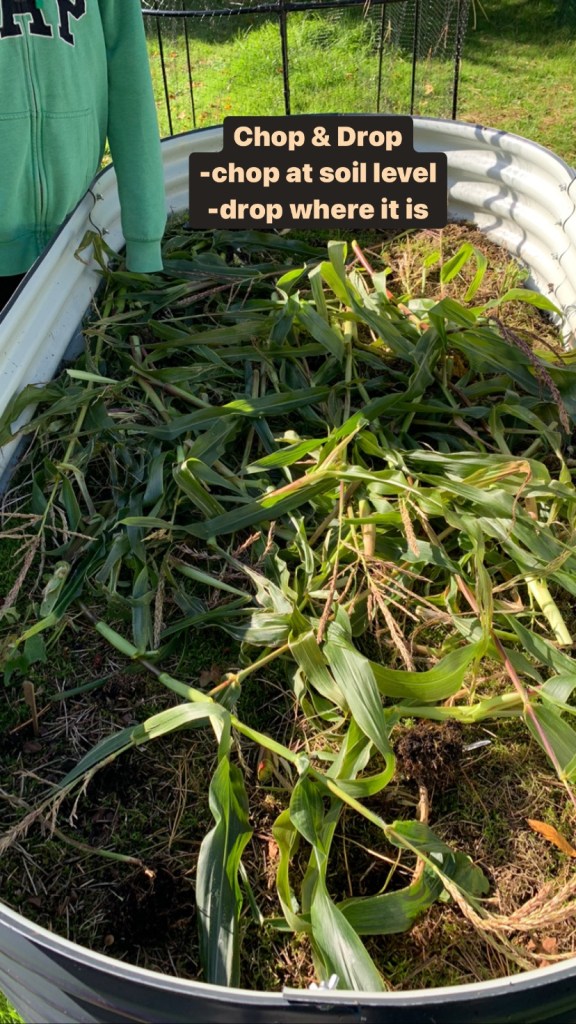
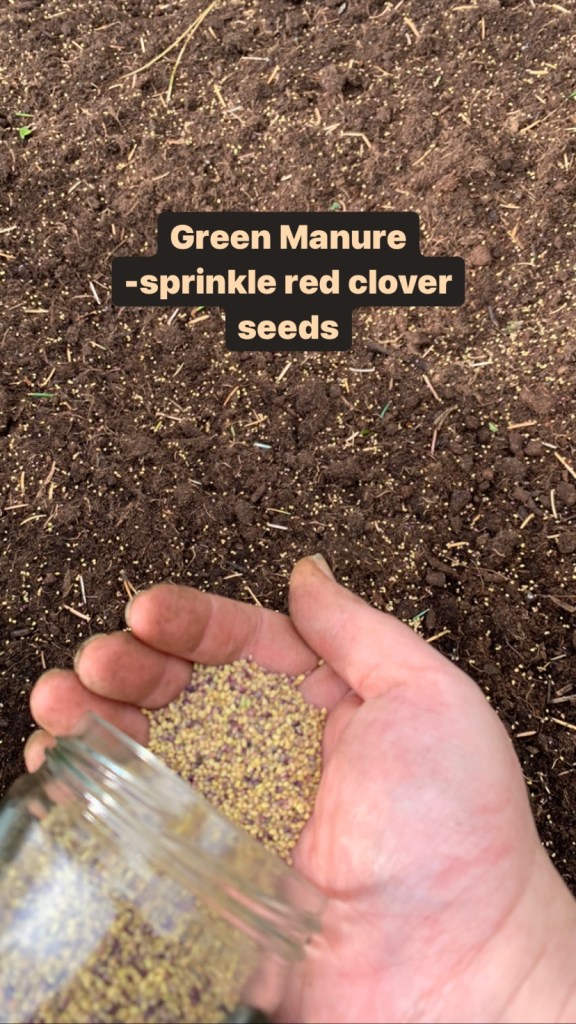
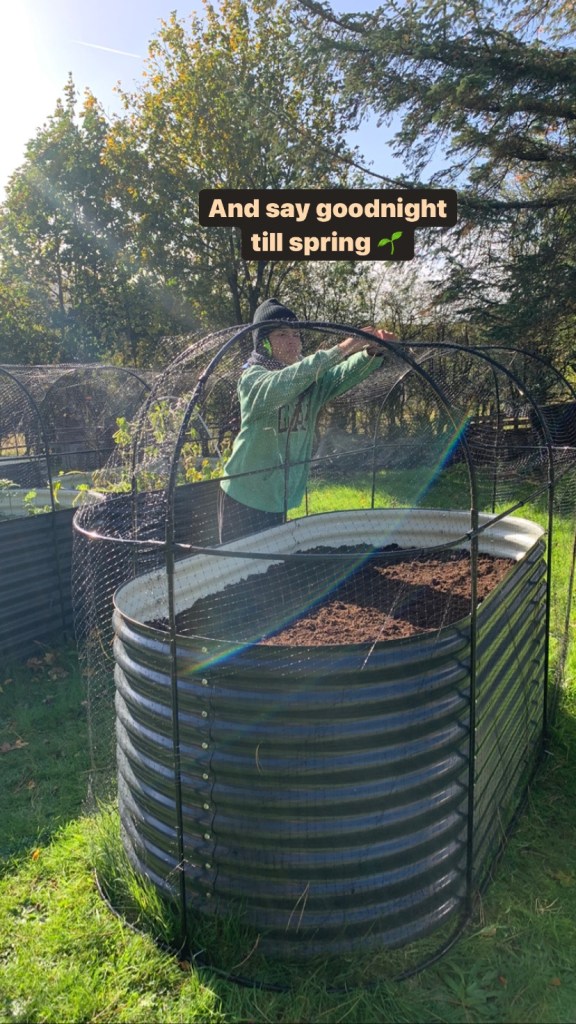
You can use them for your compost bins or like we do, mulch in place giving our raised beds a chance to gain more nutrition over the winter. Having them ready for spring is vital to get a good harvest. Like the compost bin we use layers
1. Chop & Drop -chop at the soil level & drop it in place (Green)
2. Cardboard– all ripped into small pieces (Brown)
3. Compost– from the compost bin from the year before (Brown)
4. Green Manure– red clover seeds added on the top that will be chopped & dropped again in spring ready to plant in (Green). You can read more about Green Manure here



Bigger Pieces Get Used For Sheet Mulching

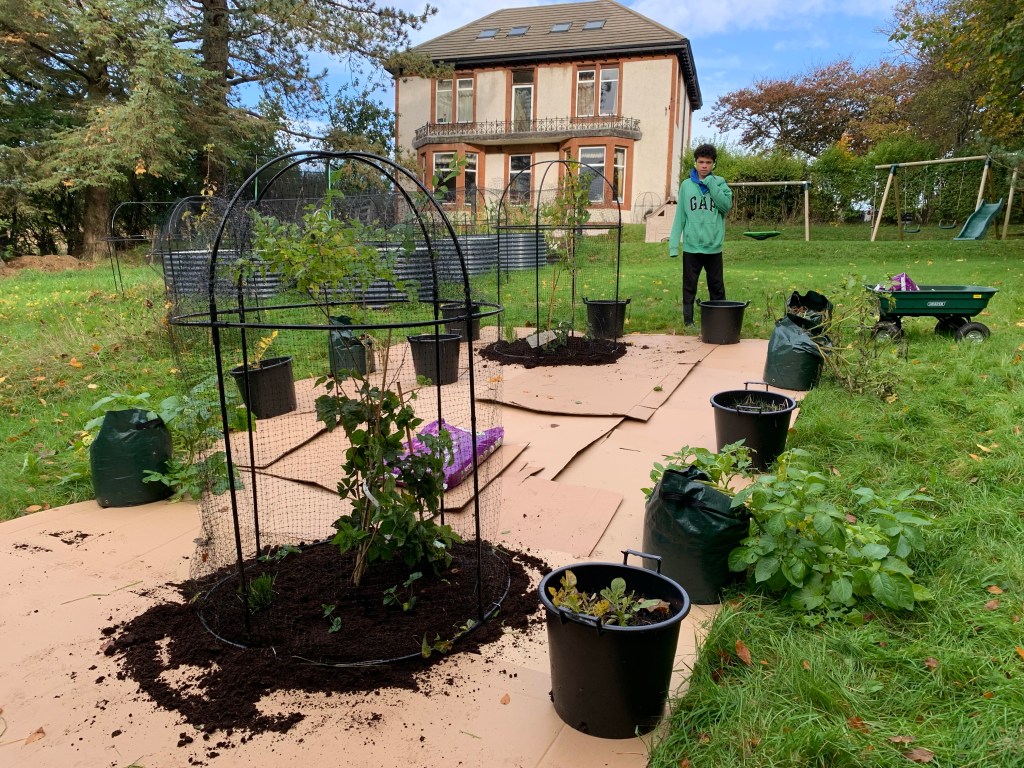
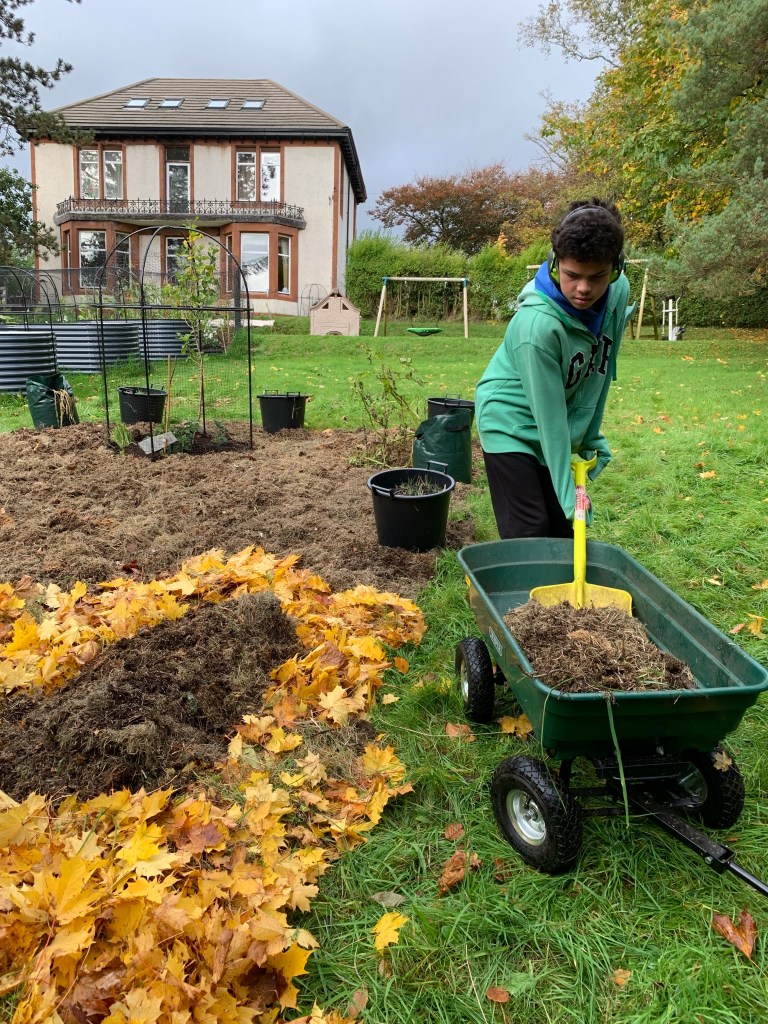
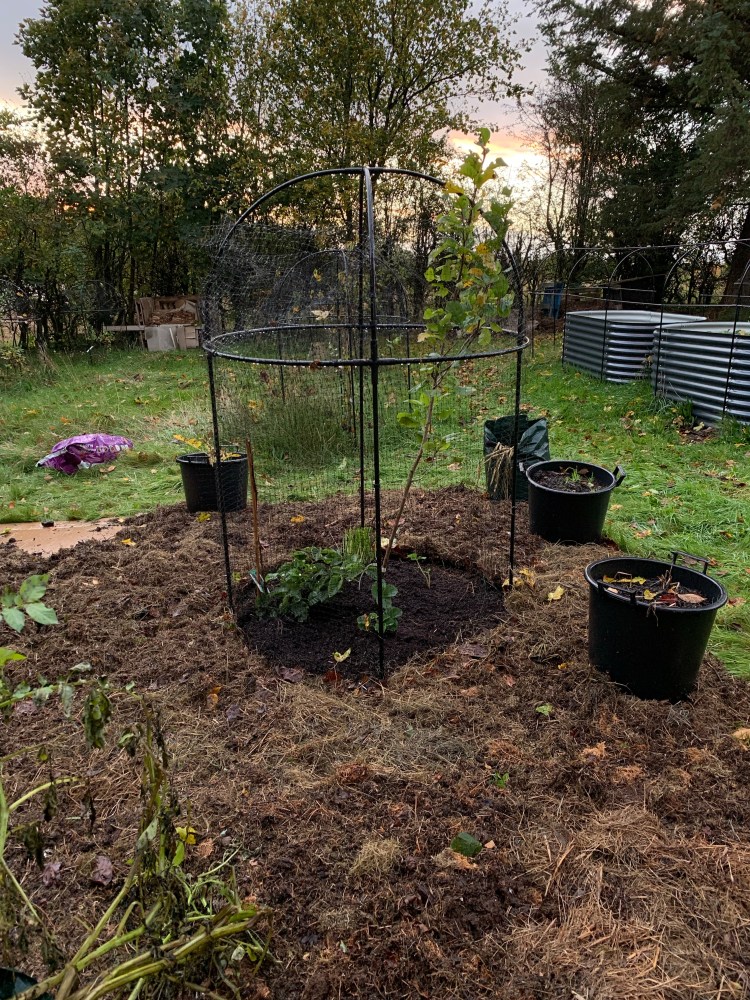
This covers Permaculture Design principle No6. Produce no waste. We aim to reduce as much as we can to produce no waste from what we are consuming. Starting by reducing.
Top 5 Reasons To Try This
1. To reduce waste that goes to the landfill
2. Improve your soil, plant growth and yield
3. Save money on buying store bought compost
4. Use less water. Compost helps with moisture retention.
5. As always the best reason. It’s free. It’s being reused-recycled-repurposed.
Chop & Drop Method Video Reel
Sheet Mulching Video Reel

Katrina & Clayton and family live in East Ayrshire and share their daily life in the garden on instagram. They practice permaculture principles in the garden, reducing & repurposing waste whenever they can. Katrina shows how home educating in nature has helped Clayton thrive.
Clayton Completed The 2 Grow and Learn Courses with the Royal Caledonian Horticultural Society. He is Autistic, Non Verbal & has been Home Educated since 2018. Katrina & Peter hold their PDC & PDC PRO Permaculture Design Course from Oregon State University
They featured on BBC Beechgrove Gardens Ep23 2022 and returned in 2023 for an update,Katrina & Clayton are also columnists for ScotlandGrows Magazine, Guest Blog for Caledonian Horticulture as well as working with Gardeners’ World Magazine and many other brands.
They are also Author of the new children’s book series: Clayton’s Garden Journey: A Story of Autism and Gardening. Topics on Growing, Harvesting, Sowing & Composting and 108 Page Weather and Seasons Weekly Gardening Record Book available on Amazon and Kindle. Listen in on our Guest Podcasts to learn more about us.
Get Weekly Blogs Straight To Your Inbox
Our Children’s Book Series
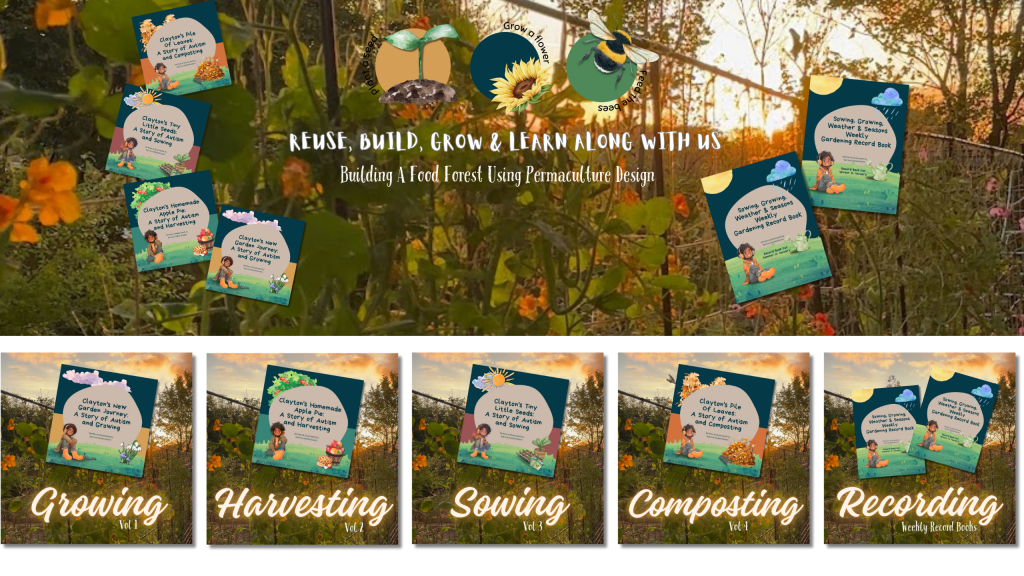
Author of the new children’s book series: Clayton’s Garden Journey: A Story of Autism and Gardening. Topics on Growing, Harvesting, Sowing & Composting and 108 Page Weather and Seasons Weekly Gardening Record Book available on Amazon and Kindle
Visit Our Print On Demand Stores
REDBUBBLE STORE -WORLDWIDE
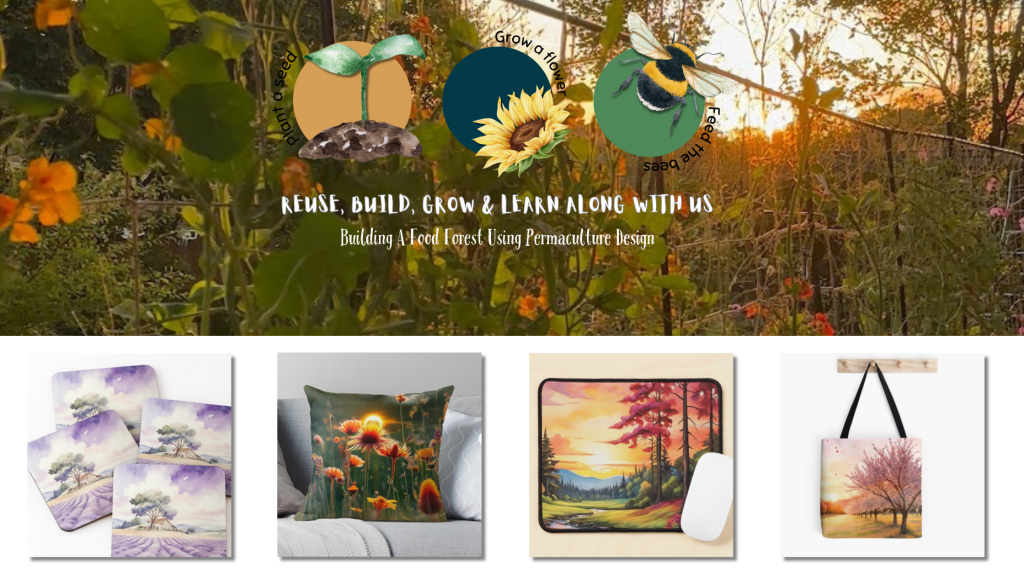
Over 175 Garden & Nature Designs. Coasters, Phone Covers, Bags, Mouse Mats & Much More

Discover more from Building a Food Forest -Scotland
Subscribe to get the latest posts sent to your email.

5 thoughts on “Creative & Sustainable Ways to Reuse Packing Paper and Cardboard”