

Get Weekly Blogs Straight To Your Inbox
Permaculture, in simple terms, is a way of designing and creating systems – like gardens or farms working in harmony with nature.
The word “permaculture” itself comes from combining “permanent” and “agriculture” or “culture,” reflecting a focus on sustainability and long-term thinking.

Permaculture was co-founded by Bill Mollison and David Holmgren in Tasmania, Australia, in the 1970s. Both Mollison and Holmgren played significant roles in developing and popularising permaculture.
Bill Mollison, an Australian ecologist, researcher, and teacher, was a driving force behind the development of permaculture. He observed natural ecosystems and traditional agricultural practices, inspiring the creation of a holistic design system.
David Holmgren, also an Australian ecologist, collaborated with Bill Mollison in refining and expanding permaculture principles. Holmgren’s contributions have been crucial in shaping the design framework and principles of permaculture.

In a nutshell, permaculture is like learning from nature’s playbook to create sustainable, efficient, and harmonious systems that support both the environment and people.
It’s about being smart, observing, and working together with the Earth to create a better way of living.
There are 12 Permaculture Principles and we will be looking at each one every month over the year and how we use it in our garden
Permaculture Principle No. 12:
“Creatively Use and Respond to Change.“
Permaculture Principle No. 12 is “Creatively use and respond to change.” This principle emphasizes the importance of embracing change as an opportunity for innovation and adapting designs to maintain resilience and sustainability. Here’s a breakdown of this principle into explanation, application, and outcome:
Change is a constant factor in natural and human systems, whether it arises from environmental shifts, social evolution, or individual growth. This principle encourages designers to anticipate and work with change proactively, using it as an opportunity to improve systems. Instead of resisting change, this mindset focuses on being flexible and creative, adapting systems to new conditions while maintaining their core functions.
This principle also includes the idea of designing systems that can evolve over time, allowing them to remain functional and productive even as circumstances shift.

In Gardening and Farming:
Seasonal Changes: Plan gardens and farms to respond to seasonal variations. Use crop rotations and successive planting to make the most of each season’s potential.
Climate Adaptation: Choose plants and livestock suited to anticipated climatic conditions, such as drought-tolerant crops in areas experiencing reduced rainfall.
Succession Planning: Design perennial systems that evolve over time, such as transitioning from annual crops to food forests as soil improves and canopy grows.
In Land Design:
Flexible Water Management: Create water management systems (e.g., swales, ponds) that can adapt to fluctuations in rainfall, storing water during wet periods and conserving it during droughts.
Dynamic Zoning: Allow zones in a permaculture design to shift over time as the needs of the system and users change. For instance, as a family’s needs evolve, a Zone 1 garden (area closest to the home) can be adjusted to focus on different types of crops.
In Community and Social Systems:
Crisis Response: Develop community systems that are resilient to unexpected changes, such as food shortages or economic disruptions. This might include creating shared food reserves or alternative trade networks.
Educational Adaptation: Encourage lifelong learning by staying open to new information, techniques, and technologies that can improve permaculture practices and community living.
In Resource Management:
Repurposing Materials: Respond to changes in resource availability by creatively reusing materials. For example, turn fallen trees into hugelkultur beds or old furniture into planters.
Energy Systems: Incorporate renewable energy systems that can be scaled up or adapted as technology advances or energy needs change.

Resilience and Flexibility:
Systems designed with change in mind are better able to withstand disruptions, whether they arise from environmental, economic, or social factors. This ensures long-term sustainability and functionality.
Innovation and Growth:
Embracing change leads to creative solutions and the evolution of systems. For example, responding to a new pest with integrated pest management techniques can improve the overall health of an agricultural system.
Efficient Use of Resources:
Adaptable systems make better use of resources, avoiding waste and inefficiency. For example, rainwater catchment systems that expand during wetter years maximise water availability without overdesigning for rare events.
Empowered Communities:
Communities that plan for and creatively respond to change develop a sense of agency and preparedness, reducing vulnerability to external shocks and fostering collective innovation.
Harmonious Relationship with Nature:
By responding to natural cycles and changes instead of fighting them, systems work more harmoniously with the environment, reducing stress and promoting ecological balance.
By applying the principle of “Creatively use and respond to change,” permaculture practitioners create systems that are adaptable, resilient, and innovative. This approach turns challenges into opportunities and ensures that both ecological and social systems can thrive in an ever changing world.
There are 12 permaculture Principles we will be looking at each one every month
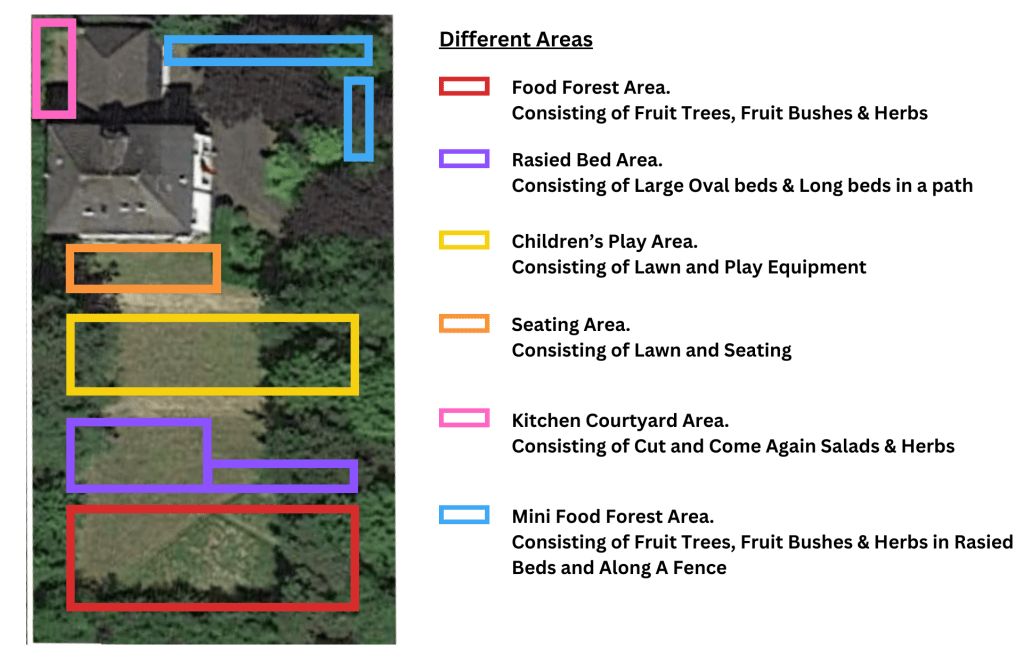
When looking at implementing the design into our garden we looked at setting our sections up into different areas that suited, we have
- Food Forest Area
- Raised Bed Area
- Kitchen Courtyard
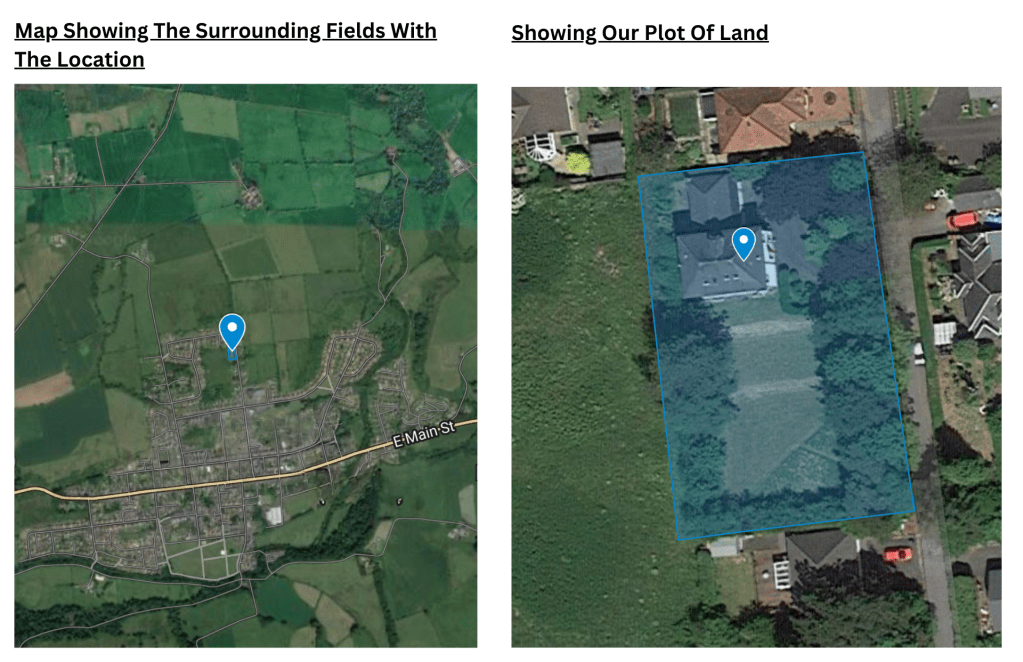
This is a shot of our home showing the surrounding area. We are on a hill, at the top of the hill and behind us the fields you see are an even steeper hill
This is a long term project that will take time to grow and fill out, but we are adding to it each year and still getting harvests from the berries. Last year was our first year getting some apples from the trees. Observing and self regulating as we go along.
Take a look at some of the starting blogs for more details of how we got started and what we have added A Little About Us and Where The Food Forest Has Started From – 2022 Update and Food Forest Area- New Fruit Trees Planted For 2023

We integrate plants, companion planting and guilds throughout our areas from the larger spaces of the food forest down to the smaller raised beds. There is always a mix of crops planted next to each other to support each of them, from pest control companion planting such as chives, nasturtium and calendula to nitrogen fixing plants like lupins, peas and beans. Take a look at our tour to see what we plant up in these areas
PDC Permaculture Design Certificate
Peter received his Permaculture Design Certificate online in 2019 with Oregon State Uni. Certified by the Permaculture Institute of North America. Taught by: World Renowned Permaculturist Andrew Millison
Peter designed our garden using the Permaculture Design processes and the 12 Permaculture Principles.
Katrina finished her Permaculture Design Certificate Professional PDC PRO in 2024 to continue the process and pass all the knowledge onto Clayton and others.


Katrina & Clayton and family live in East Ayrshire and share their daily life in the garden on instagram. They practice permaculture principles in the garden, reducing & repurposing waste whenever they can. Katrina shows how home educating in nature has helped Clayton thrive.
Clayton Completed The 2 Grow and Learn Courses with the Royal Caledonian Horticultural Society This Year. Clayton has just turned 17, Autistic, Non Verbal & has been Home Educated for the last 7yrs. Katrina & Peter both hold their PDC Permaculture Design Course from Oregon State University
They featured on BBC Beechgrove Gardens Ep23 2022 and returned in 2023 for an update, Katrina & Clayton are also columnists for ScotlandGrows Magazine, Guest Blog for Caledonian Horticulture as well as working with Gardeners’ World Magazine and many other brands. They are also Authors of the new children’s book: Clayton’s New Garden Journey: A Story of Autism and Growing available on Amazon

Get Weekly Blogs Straight To Your Inbox
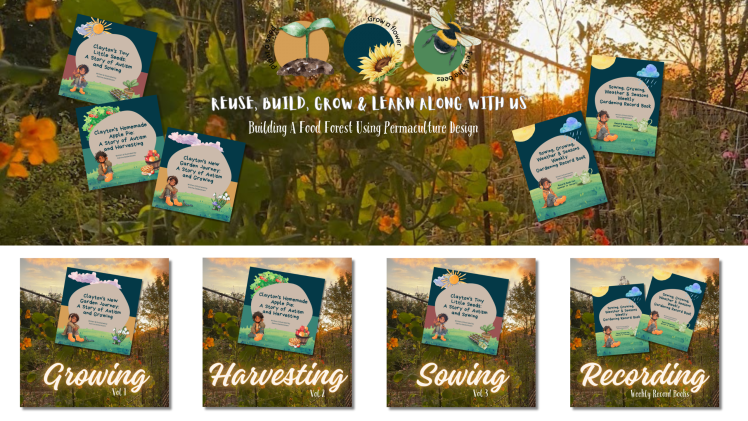

Author of the new children’s book series: Clayton’s Garden Journey: A Story of Autism and Gardening and Sowing, Growing, Weather and Seasons Weekly Gardening Record Book available on Amazon
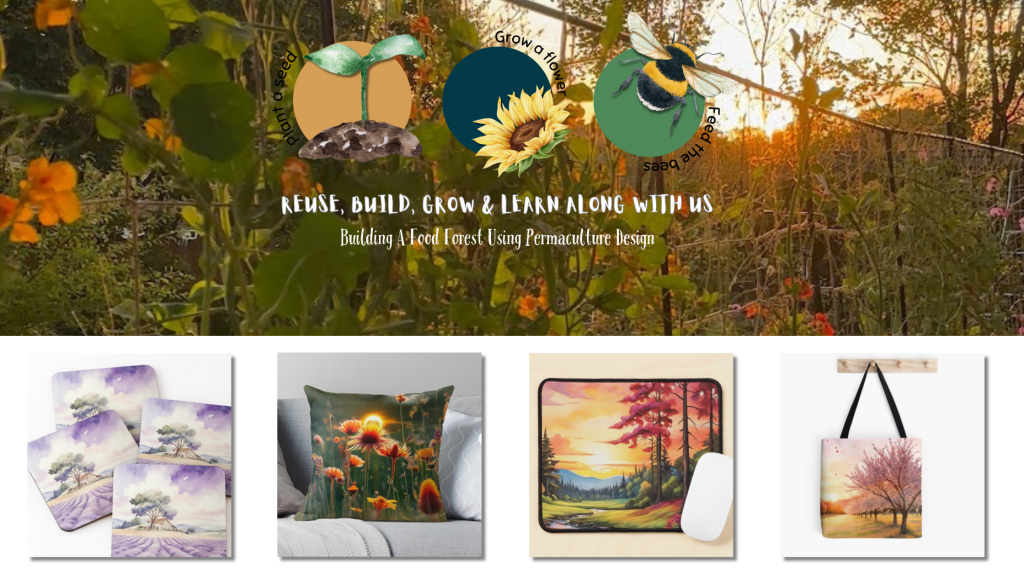
Visit Our Print On Demand Stores
REDBUBBLE STORE -WORLDWIDE
Over 175 Garden & Nature Designs. Coasters, Phone Covers, Bags, Mouse Mats & Much More
ETSY STORE -UK SHIPPING ONLY
Messages of Hope Collection. T-shirts, Tote bags, Mugs


Discover more from Building a Food Forest -Scotland
Subscribe to get the latest posts sent to your email.
