
Get Weekly Blogs Straight To Your Inbox

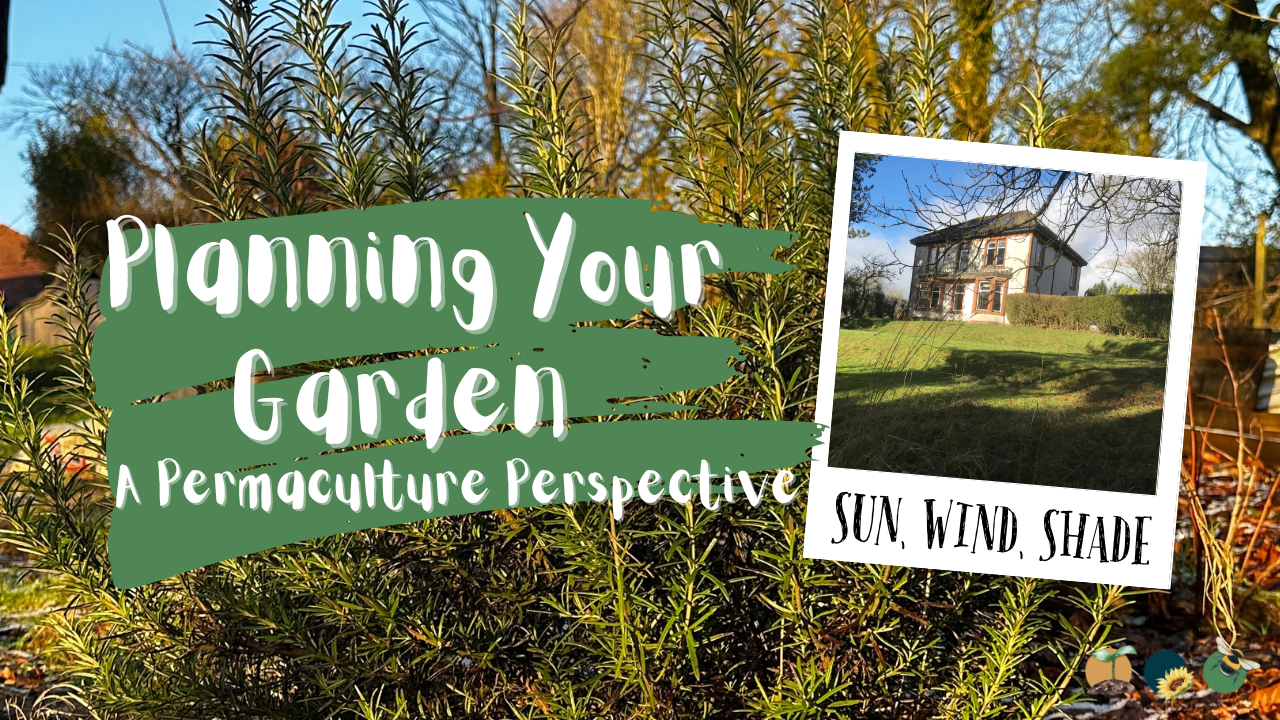
Planning Your Garden Based on Sun, Wind and Shade: A Permaculture Perspective
Gardening is both an art and a science. One of the most critical aspects of successful gardening is planning your space based on environmental factors such as wind, sun, and shade. Incorporating permaculture principles into this planning process ensures that your garden is not only productive but also sustainable and resilient. Permaculture design emphasises working with nature rather than against it, and understanding these elements is fundamental to creating a thriving garden ecosystem.
Permaculture Principles and Their Role in Garden Design
Permaculture is built on three core ethics: care for the earth, care for people, and fair share. Within this framework are twelve design principles that guide gardeners in creating sustainable systems. The principle of observe and interact is particularly relevant when considering wind, sun, and shade in your garden. Observation allows gardeners to understand natural patterns and interactions, leading to more informed design decisions.
The Role of Sun in Garden Planning
Maximising Sunlight for Plant Growth
Sunlight is essential for photosynthesis, the process by which plants produce food. Different plants have varying sunlight requirements:
Full sun plants need at least 6-8 hours of direct sunlight daily.
Partial shade plants thrive with 3-6 hours of sunlight.
Shade tolerant plants require less than 3 hours of direct sunlight.
Planning your garden based on sun patterns in your garden ensures that each plant receives the appropriate amount of light, leading to healthier growth and higher yields.
Seasonal Changes in Sunlight
Observing how sunlight shifts with the seasons is crucial. In summer, the sun is higher in the sky, casting shorter shadows, while in winter, it sits lower, creating longer shadows. Permaculture design takes these seasonal variations into account to optimize plant placement throughout the year.
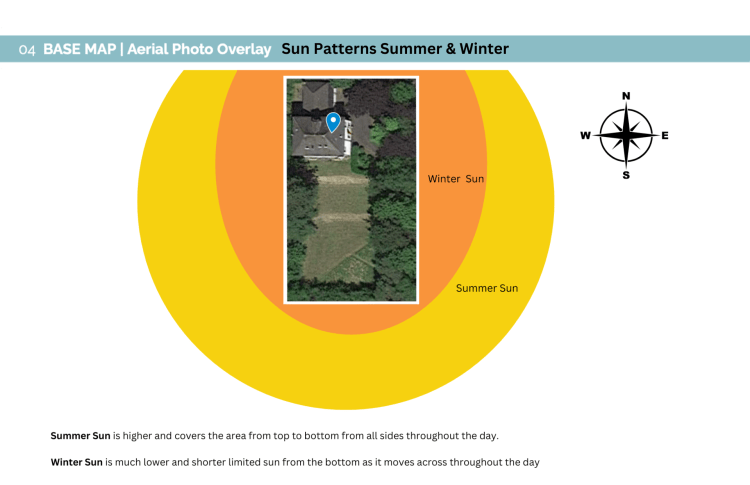
Slide from my 153 Page Permaculture Design Course PDC PRO Course Portfolio with Oregon State University. Showing the Sun Patterns Summer & Winter in our garden.
Microclimates and Sun Exposure
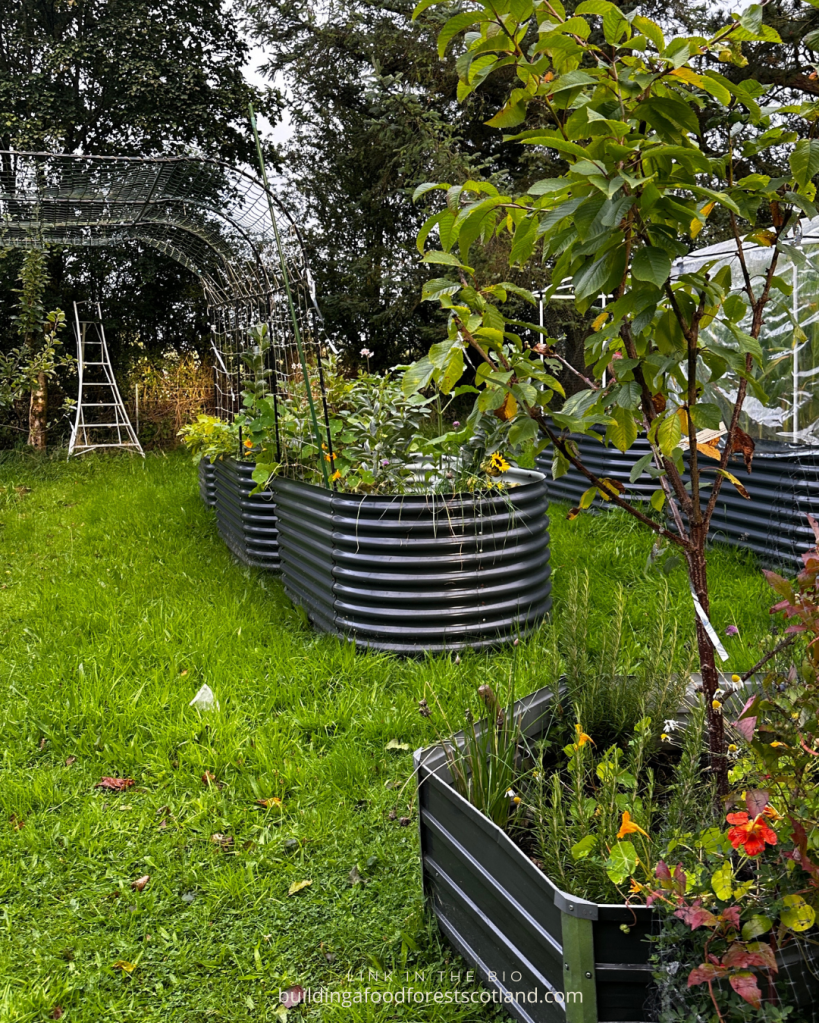
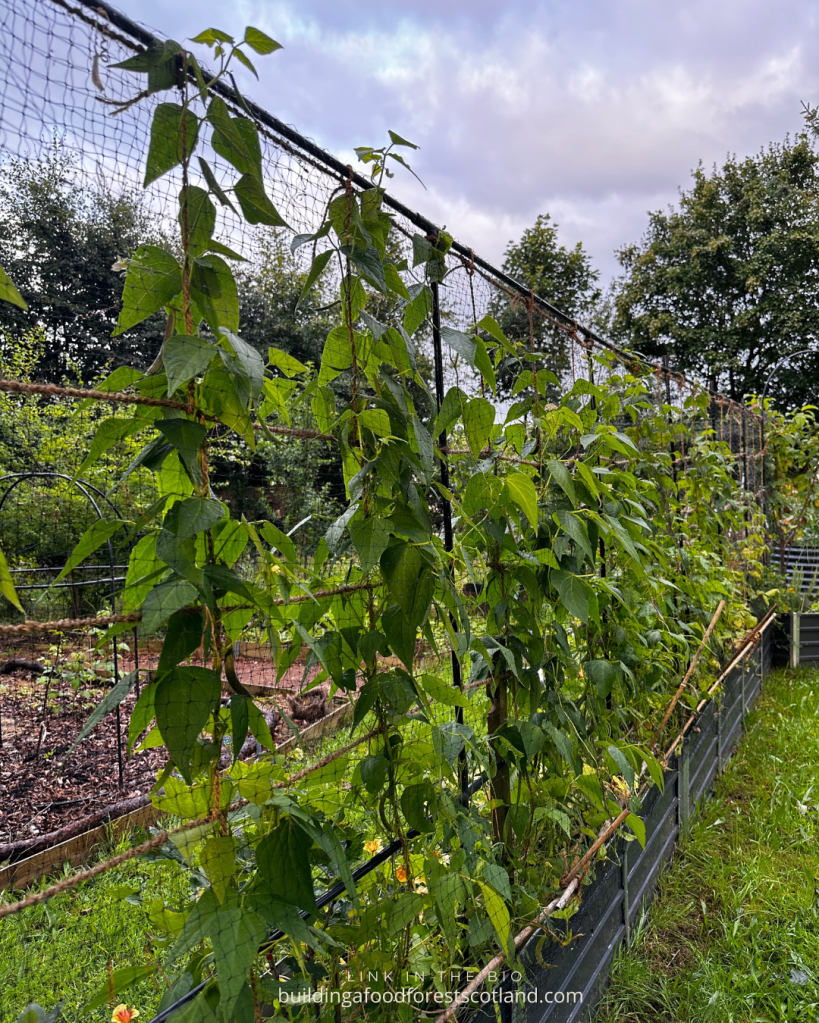
Microclimates are small areas within your garden that have distinct climatic conditions. A south facing wall, for instance, may absorb and radiate heat, creating a warm microclimate ideal for heat loving plants. By recognising and utilising microclimates, gardeners can extend growing seasons and diversify plant selections. We paint all our fences black to absorb the heat and allow it to stay warmer throughout the night, helping any vertical growing plants along.
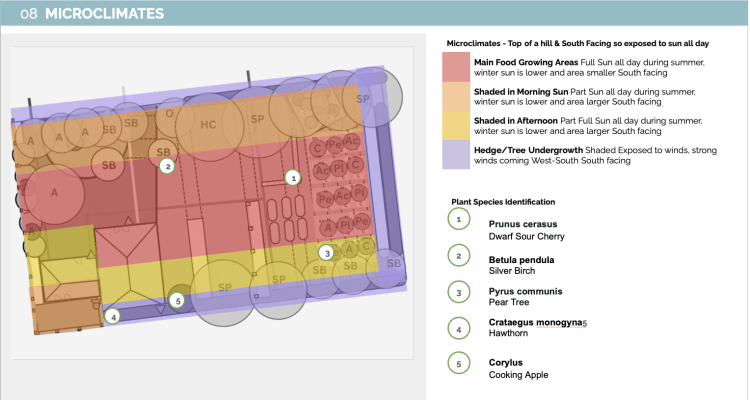
Slide from my 153 Page Permaculture Design Course PDC PRO Course Portfolio with Oregon State University. Showing the Microclimate Zones in our garden.
The Impact of Wind on Garden Design
Protecting Plants from Wind Damage
Wind can have both positive and negative effects on your garden. While gentle breezes promote air circulation and reduce fungal diseases, strong winds can damage plants, dry out soil, and increase water loss through transpiration.
Creating Windbreaks
A fundamental permaculture strategy is to design windbreaks that reduce wind speed and protect vulnerable plants. Windbreaks can be:
Natural, such as hedgerows, trees, or tall shrubs.
Artificial, like fences or walls.
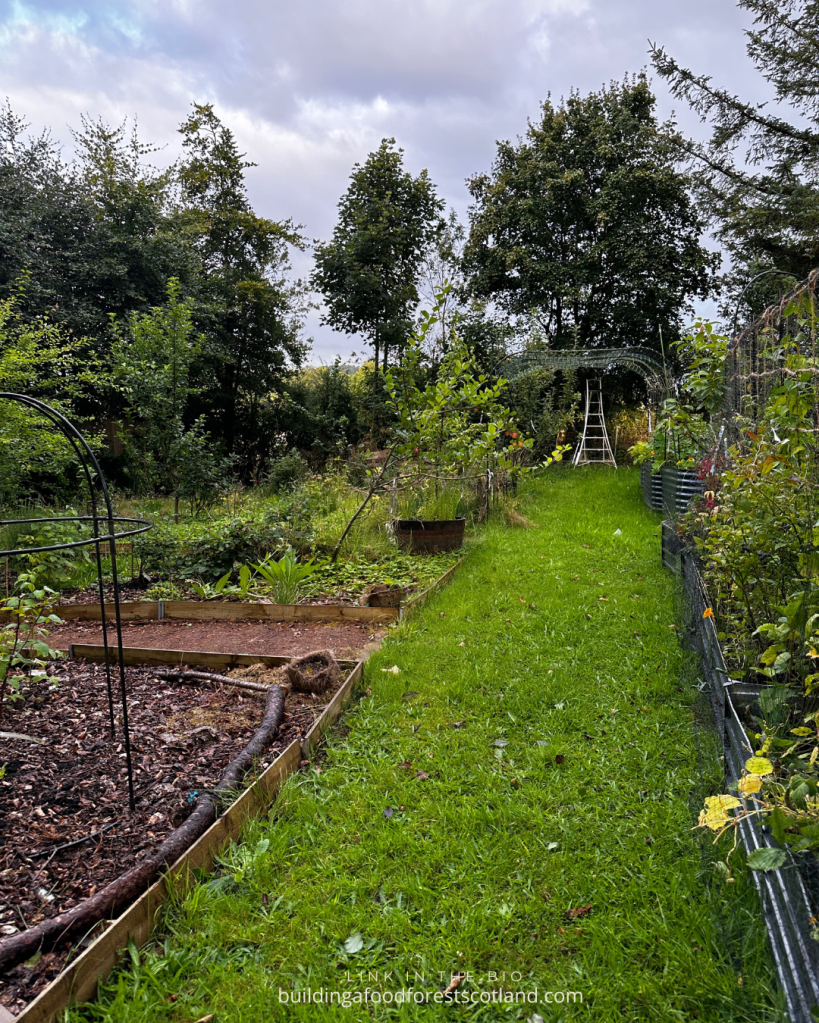
Well designed windbreaks not only protect plants but also create sheltered microclimates that support a wider variety of species. They are also important near structures that break up the landscape like sheds, potting sheds, poly tunnels and greenhouses, by adding a row of hedging next to these structures can slow the wind and reduce the damage that can occur.
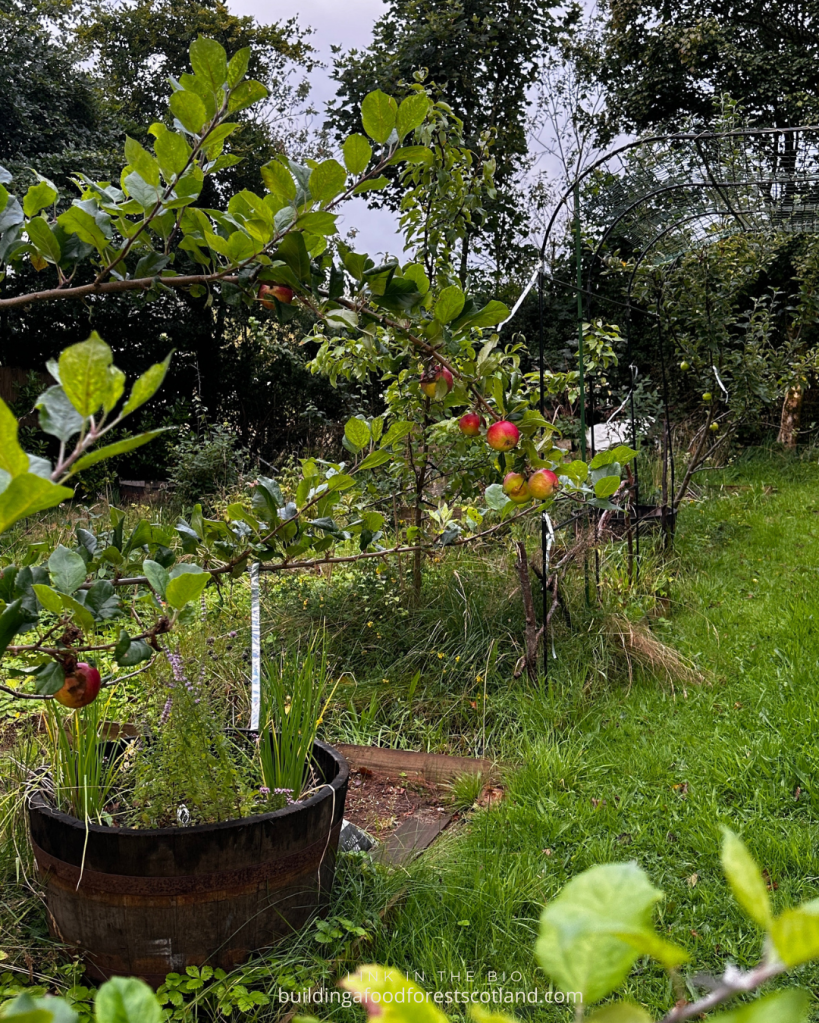
Stacking Functions: Every element in a permaculture design should serve multiple functions. A tree, for example, provides shade, acts as a windbreak, produces fruit, and offers habitat for wildlife.
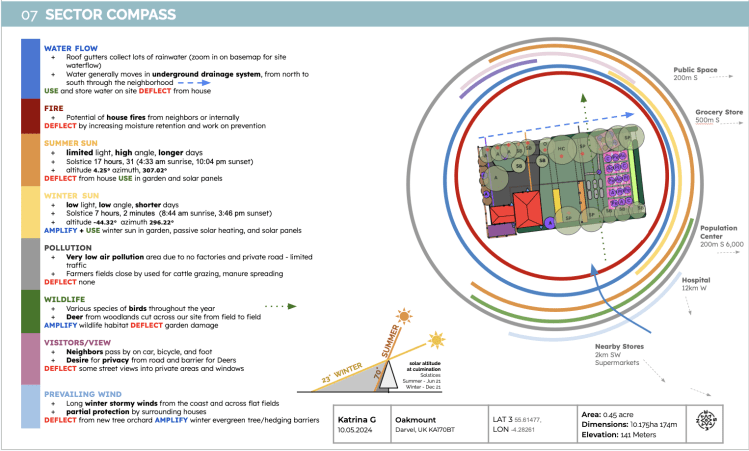
Slide from my 153 Page Permaculture Design Course PDC PRO Course Portfolio with Oregon State University. Showing the Flow of elements in our garden.
The Importance of Shade in Garden Planning
Providing Relief from Heat Stress
In hot climates or during peak summer months, excessive sunlight can cause heat stress, sunburn, and dehydration in plants. Strategically placed shade structures or shade tolerant plants can provide relief, ensuring that sensitive plants remain healthy.
Shade as a Design Element
Shade is a valuable tool in permaculture design. Trees and tall plants can create shade for understory crops, reducing water evaporation and maintaining soil moisture. This layered planting mimics natural forest ecosystems and maximises space efficiency.
Planning for Shade Tolerant Crops
Understanding which areas of your garden receive the least sunlight helps in selecting appropriate crops. Leafy greens, herbs, and certain root vegetables thrive in shaded conditions, allowing gardeners to utilise every part of their garden effectively.
Sun, Wind and Shade In Our Garden Video Reel
Practical Steps for Planning Your Garden
Conduct a Site Analysis: Observe and map the wind, sun, and shade patterns in your garden throughout the year.
Design Windbreaks: Plant trees, shrubs, or install fences to protect sensitive areas.
Maximise Sun Exposure: Place sun loving plants in the brightest spots and shade tolerant ones in shaded areas.
Utilise Shade Wisely: Use trees, pergolas, or shade cloth to protect plants from excessive heat.
Create Microclimates: Leverage existing structures or plant strategically to create varied growing conditions.
Benefits of Thoughtful Garden Planning
Increased Plant Health and Yield: Ensuring optimal growing conditions leads to healthier plants and higher productivity.
Water Conservation: Reducing wind and providing shade minimises water evaporation, conserving this vital resource.
Resilience to Weather Extremes: Well designed gardens are more resilient to storms, droughts, and temperature fluctuations.
Enhanced Biodiversity: Diverse planting based on microclimates supports a wide range of species, promoting ecological balance.
Planning your garden based on wind, sun, and shade is essential for creating a sustainable and productive garden. Permaculture principles guide this planning process, ensuring that each element works in harmony with nature. By observing and interacting with your environment, you can design a garden that is not only beautiful but also resilient and sustainable for years to come.
Happy Gardening!


Katrina & Clayton and family live in East Ayrshire and share their daily life in the garden on instagram. They practice permaculture principles in the garden, reducing & repurposing waste whenever they can. Katrina shows how home educating in nature has helped Clayton thrive.
Clayton Completed The 2 Grow and Learn Courses with the Royal Caledonian Horticultural Society. He is Autistic, Non Verbal & has been Home Educated since 2018. Katrina & Peter hold their PDC & PDC PRO Permaculture Design Course from Oregon State University
They featured on BBC Beechgrove Gardens Ep23 2022 and returned in 2023 for an update, Katrina & Clayton are also columnists for ScotlandGrows Magazine, Guest Blog for Caledonian Horticulture as well as working with Gardeners’ World Magazine and many other brands.
They are also Author of the new Children’s Book Series: Clayton’s Garden Journey: Stories of Autism and Gardening. Topics on Growing, Harvesting, Sowing & Composting and 108 Page Weather and Seasons Weekly Gardening Record Book available on Amazon and Kindle. Listen in on their Guest Podcasts to learn more about them.
Get Weekly Blogs Straight To Your Inbox
Our Children’s Book Series
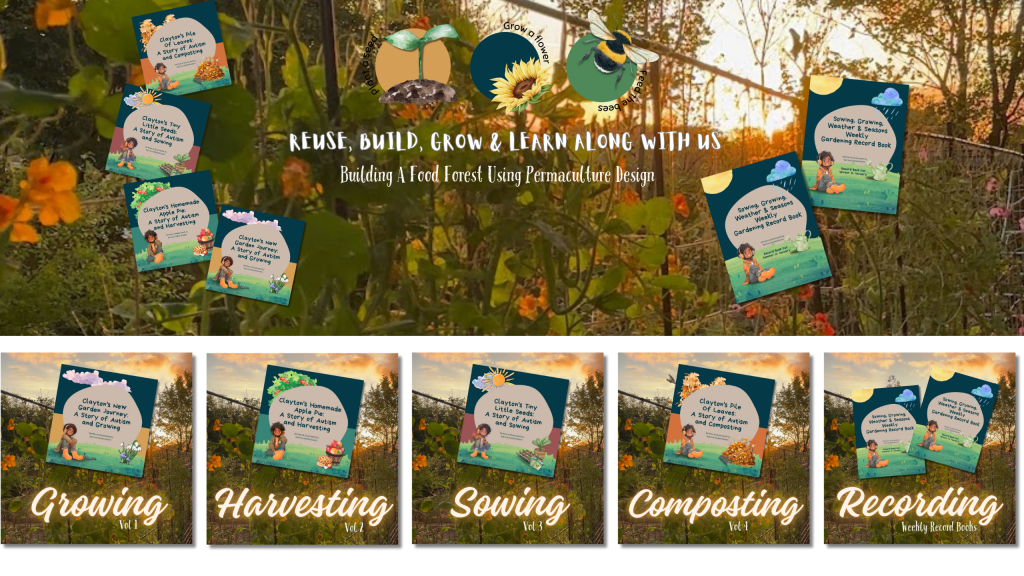
Author of the new children’s book series: Clayton’s Garden Journey: Stories of Autism and Gardening. Topics on Growing, Harvesting, Sowing & Composting and 108 Page Weather and Seasons Weekly Gardening Record Book available on Amazon and Kindle
Visit Our Print On Demand Stores
REDBUBBLE STORE -WORLDWIDE
Over 175 Garden & Nature Designs. Coasters, Phone Covers, Bags, Mouse Mats & Much More


Discover more from Building a Food Forest -Scotland
Subscribe to get the latest posts sent to your email.

2 thoughts on “Planning Your Garden Based on Sun, Wind and Shade: A Permaculture Perspective”