

Get Weekly Blogs Straight To Your Inbox

Building Resilient Soil: Composting and Mulching
Soil is the foundation of any successful garden, and building resilient, nutrient rich soil is essential for sustainable gardening. March is an ideal time to focus on improving your soil in Scotland, as the growing season is just beginning. Incorporating permaculture techniques such as composting and mulching ensures that your soil remains healthy, productive, and sustainable year after year.
Understanding Resilient Soil
Resilient soil is rich in organic matter, teeming with beneficial microbes, and structured to retain moisture while allowing proper drainage. Such soil supports healthy plant growth, resists erosion, and recovers quickly from environmental stresses. Permaculture emphasises working with natural processes to enhance soil health, creating self sustaining ecosystems.
Composting: Turning Waste into Black Gold
Composting is a cornerstone of permaculture and a vital practice for building resilient soil. It involves recycling organic waste into nutrient rich humus that improves soil structure, fertility, and microbial activity. Read more on: Practical & Creative Ways To Use Fallen Leaves Around Your Garden


Getting Started with Composting
Choose Your System: Options include traditional compost bins, tumblers, and open piles or just bury straight into the ground. Select a method that suits your space and needs.
Balance Greens and Browns: Greens (nitrogen rich materials like vegetable scraps and grass clippings) and browns (carbon rich materials like dried leaves and cardboard) should be layered to maintain balance.
Maintain Moisture and Aeration: Regularly turn the compost to provide oxygen and keep it moist but not waterlogged.
Read more: Simple and Effective Composting Methods & Solutions

Permaculture Tips for Effective Composting
Compost in Place: Use the ‘chop and drop’ method by cutting plant material and leaving it to decompose directly in garden beds. Read more on Chop & Drop: Creative & Sustainable Ways to Reuse Packing Paper and Cardboard
Incorporate Diverse Materials: Include a variety of organic materials to promote a broad spectrum of nutrients.
Use Compost Teas: Brew compost tea to provide a liquid boost of nutrients for plants.
Mulching: Nature’s Protective Blanket
Mulching involves covering the soil surface with organic or inorganic materials to retain moisture, suppress weeds, and improve soil health. In permaculture, mulching is seen as mimicking the natural leaf litter found in forests.
Types of Mulch & Ground Covers
Organic Mulches: Straw, wood chips, grass clippings, and shredded leaves add organic matter as they decompose.
Inorganic Mulches: Stones and landscape fabrics can be used for specific areas but do not improve soil fertility.
Sheet Mulching: Also known as lasagna gardening, this method involves layering cardboard, compost, and mulch directly on top of existing soil to build new beds.
Living Mulches: Plant low growing cover crops like clover that protect the soil and add nutrients when turned under.
Mulch Rotation: Rotate mulch types seasonally to provide a variety of nutrients and protect against pests.
Read more on: Summer Garden: Strawberries As Ground Cover and Boost Soil Health with Green Manure As A Cover Crop Over Winter
You Tube Video: Why We Use Strawberries As Ground Cover In Our Food Forest
Integrating Composting and Mulching into Your March Garden
In March, begin by assessing your soil and preparing your beds. Add compost to replenish nutrients lost over winter. Apply mulch to protect the soil from early spring temperature fluctuations and retain moisture as rainfall decreases.
Practical Steps for March Soil Care
Topdress Beds with Compost: Spread a layer of compost over existing beds and gently work it into the topsoil.
Apply Mulch: Cover beds with organic mulch, leaving space around plant stems to prevent rot.
Start a New Compost Pile: Collect early spring garden waste to build a new compost pile for the coming season.

The Benefits of Building Resilient Soil
Enhanced Plant Health: Nutrient rich soil supports vigorous growth and reduces the need for synthetic fertilisers.
Water Conservation: Mulched soil retains moisture, reducing the need for frequent watering.
Reduced Soil Erosion: Mulch and organic matter bind soil particles, preventing erosion from wind and rain.
Biodiversity Support: Healthy soil fosters a diverse ecosystem of microbes, insects, and fungi essential for plant health.
Building resilient soil through composting and mulching is an investment in the long term health and productivity of your garden. By incorporating different techniques, you create a self sustaining system that works in harmony with nature. March is the perfect time to start these practices, setting the stage for a successful growing season.
Happy Gardening!


Katrina & Clayton and family live in East Ayrshire and share their daily life in the garden on instagram. They practice permaculture principles in the garden, reducing & repurposing waste whenever they can. Katrina shows how home educating in nature has helped Clayton thrive.
Clayton Completed The 2 Grow and Learn Courses with the Royal Caledonian Horticultural Society. He is Autistic, Non Verbal & has been Home Educated since 2018. Katrina & Peter hold their PDC & PDC PRO Permaculture Design Course from Oregon State University
They featured on BBC Beechgrove Gardens Ep23 2022 and returned in 2023 for an update, Katrina & Clayton are also columnists for ScotlandGrows Magazine, Guest Blog for Caledonian Horticulture as well as working with Gardeners’ World Magazine and many other brands.
They are also Author of the new Children’s Book Series: Clayton’s Garden Journey: Stories of Autism and Gardening. Topics on Growing, Harvesting, Sowing & Composting and 108 Page Weather and Seasons Weekly Gardening Record Book available on Amazon and Kindle. Listen in on their Guest Podcasts to learn more about them.
Get Weekly Blogs Straight To Your Inbox
Our Children’s Book Series
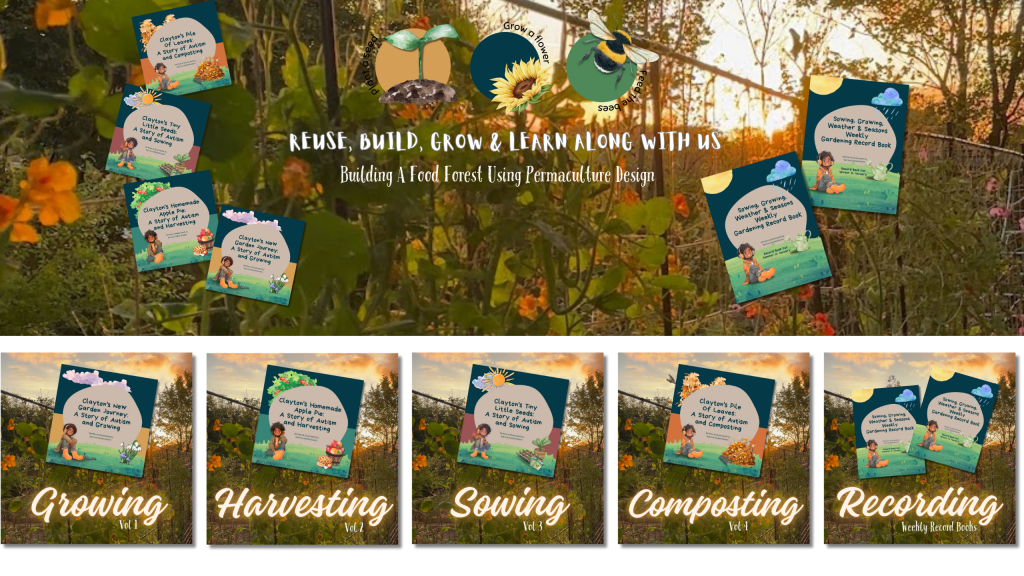
Author of the new children’s book series: Clayton’s Garden Journey: Stories of Autism and Gardening. Topics on Growing, Harvesting, Sowing & Composting and 108 Page Weather and Seasons Weekly Gardening Record Book available on Amazon and Kindle
Visit Our Print On Demand Stores
REDBUBBLE STORE -WORLDWIDE
Over 175 Garden & Nature Designs. Coasters, Phone Covers, Bags, Mouse Mats & Much More


Discover more from Building a Food Forest -Scotland
Subscribe to get the latest posts sent to your email.

4 thoughts on “Building Resilient Soil: Composting and Mulching”