
Get Weekly Blogs Straight To Your Inbox

Why It’s Essential to Harden Off Your Plants Before Planting Out
Whether you’re a seasoned gardener or just dipping your fingers into the soil for the first time, you’ve likely come across the term “hardening off.” At a glance, it might sound like a niche horticultural technique reserved for commercial growers or gardening perfectionists. But the truth is, hardening off is a critical step in plant care that can mean the difference between thriving, healthy plants and stressed, stunted ones or worse, dead seedlings.
What is Hardening Off?
Hardening off is the gradual process of acclimating indoor grown OR greenhouse raised plants to the harsher conditions of the outside world. Think of it as a bootcamp for your seedlings. When you start plants indoors, they grow up in a controlled environment with stable temperatures, minimal wind, consistent humidity and filtered light.
Outdoors, conditions are far more variable and much tougher and they need to adapt.
Plants that haven’t been gradually introduced to sun, wind, and fluctuating temperatures can go into shock when suddenly transplanted into the garden. This shock can cause wilting, leaf scorch, stunted growth or even kill off the plant.
Hardening off allows plants to slowly adjust to these new environmental factors, toughen up their tissues, and transition from a pampered indoor life to that of nature.
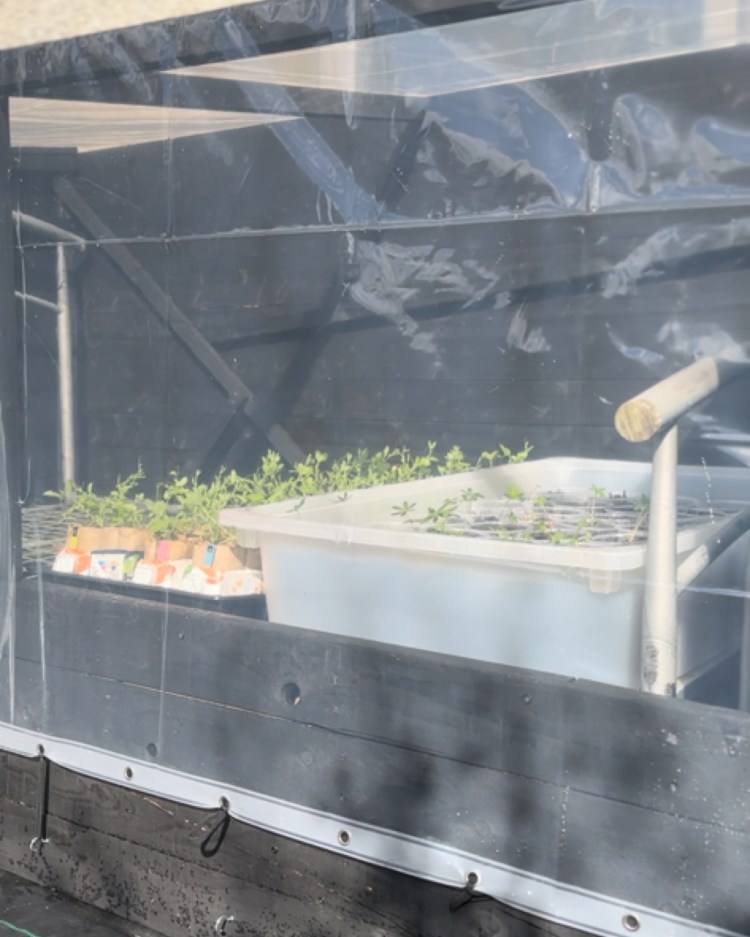
To add extra protection in the first few days they can be put under cover in a cold frame. See our blog on: DIY: Cold Frame From A Bed, Pallets & Shower Curtains
Why Hardening Off Is So Important
Prevents Transplant Shock
Transplant shock is a real and common issue. When young plants are moved directly from their cozy indoor spot to an exposed outdoor bed, they can’t handle the sudden change. Their cells haven’t developed the resilience to withstand UV rays, wind or cold nights. Hardening off gradually builds that resilience, minimising shock and helping plants continue growing without major setbacks.
Improves Survival Rate
Plants that are hardened off properly are more likely to survive the first critical weeks in the garden. They’re better equipped to handle sudden changes in weather, defend against pests and adapt to their new soil environment. Skipping this step puts all the time, effort, and money you’ve spent raising seedlings at risk.
Builds Stronger Plants
As your plants adjust to the elements, they start producing tougher cell walls, thicker leaves and stronger stems. You’ll literally be able to see the difference, plants that have been hardened off look sturdier and more robust than their sheltered counterparts. These structural adaptations help them cope with wind, rain, and direct sunlight far better than plants that are coddled indoors right up until planting time.
Enhances Photosynthesis Efficiency
Sunlight outdoors is much more intense than the artificial or filtered light that seedlings typically receive indoors. If a plant isn’t accustomed to this intensity, its chloroplasts (the parts of the cell responsible for photosynthesis) can become damaged, leading to leaf scorch or sunburn. Hardening off allows the plant to slowly ramp up its photosynthesis machinery, adapting to brighter light without harm.
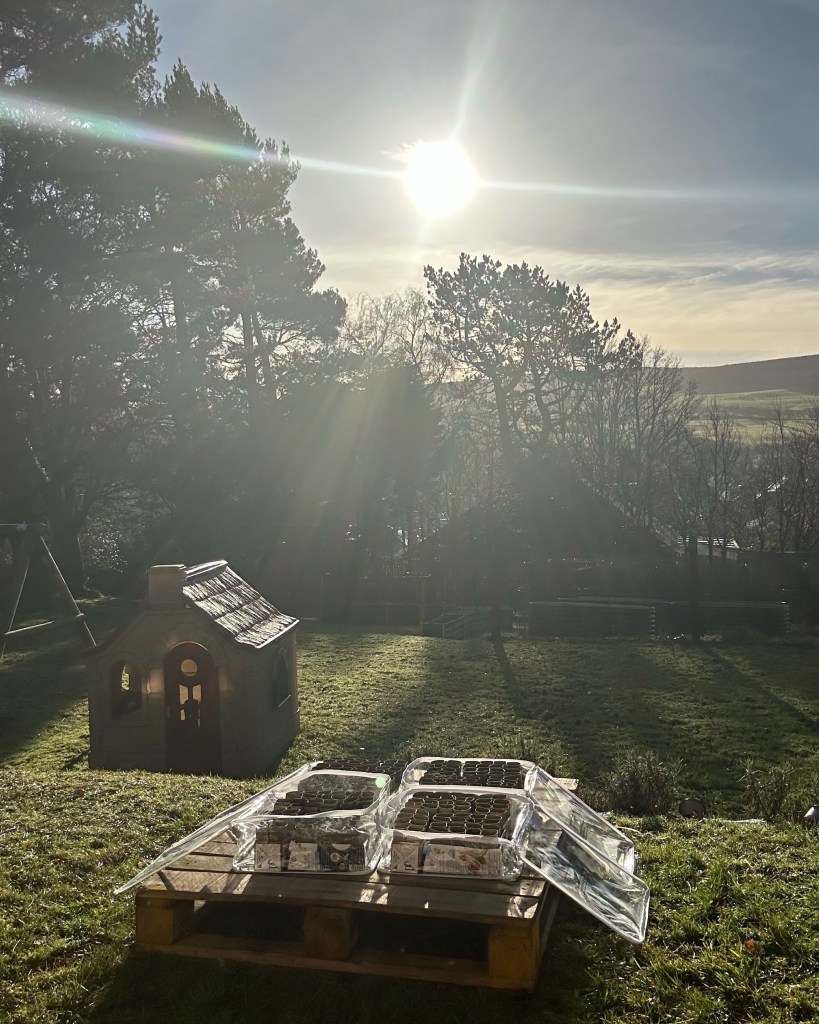
It doesn’t need to be anything fancy, these were just moved outside on top of a pallet on a warm day to enjoy the sun to boost growth before going outside full time.
When to Start Hardening Off
The timing of hardening off depends on both the plant type and your local climate. Generally, you’ll want to begin the process about 1 to 2 weeks before you plan to transplant your seedlings into the ground. The key is to make sure your area is past the last expected frost date and that nighttime temperatures are consistently above the threshold that your specific plants can tolerate.
We do this for our harder plants, like sweet peas, herbs, hardy flowers for 2 weeks before our last frost date so they can be planted out in mid May as our last frost date approaches as they can handle some night time dips under 10ºC.
Warm season crops like tomatoes, peppers, and cucumbers are particularly sensitive and should only be planted out when soil and air temperatures are warm enough. These get weathered/hardened off a few weeks later when the night time temp is staying consistently above 10ºC.

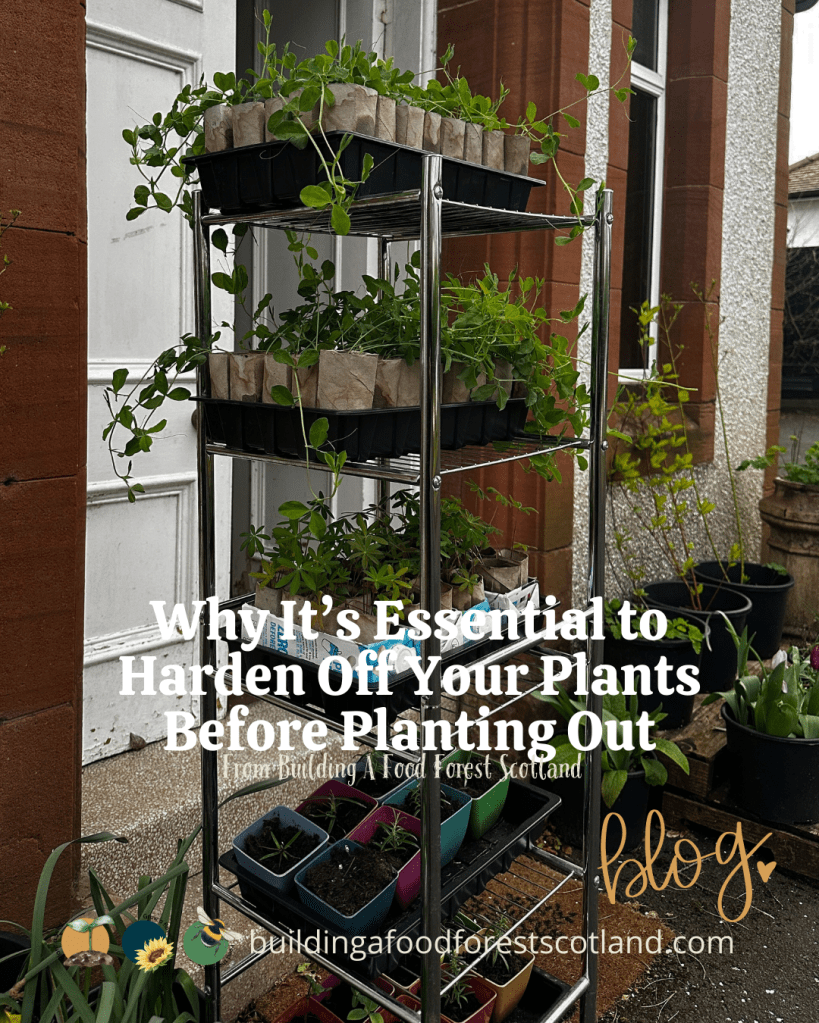
Just outside the front door on the driveway on a bathroom shelve unit we were given for free, easy way to keep them off the ground and easy to bring in and out quickly and move around each day.
How to Harden Off Your Plants
Pick the Right Time of Day
Start hardening off on a mild day with no extreme weather. Late morning or early afternoon is ideal when the sun is not too intense and temperatures are moderate.
Start Small
On the first day, place your plants outdoors in a shaded, sheltered spot for 1–2 hours. Avoid direct sunlight initially.
Gradually Increase Exposure
Over the course of 7–14 days, gradually increase the amount of time your plants spend outside and their exposure to direct sunlight and wind. Move them into brighter areas a little more each day.
Watch the Weather
Be mindful of weather conditions during the hardening off period. Strong winds, heavy rain, or sudden cold snaps can damage tender seedlings. If in doubt, bring them back inside or provide temporary shelter.
Reduce Watering Slightly
Let the plants experience a bit of stress by reducing water just a touch (not to the point of wilting). This encourages root growth and strengthens plant resilience.
Leave Them Out Overnight (Eventually)
Toward the end of the hardening off period, leave your plants out overnight if temperatures allow. This helps them fully adjust before transplanting.
Transplant with Care
After your seedlings have been hardened off, transplant them on a cloudy day or in the late afternoon to minimise transplant shock.

These were placed closer to the location they were to be planted in, in a raised bed
Common Mistakes to Avoid
Rushing the Process: Trying to harden off plants in just a couple of days often results in sunburned leaves or stunted growth. Take your time.
Forgetting to Water: As your plants are exposed to more sun and wind, they may dry out faster. Keep soil moist, but not soggy.
Ignoring the Forecast: A sudden cold snap can undo all your careful acclimation. Keep an eye on the weather and adapt accordingly.
Neglecting Wind Exposure: Gentle breezes are important in the hardening off process. Plants need to get used to wind to avoid broken stems later.
Hardening off may feel like an extra chore during an already busy gardening season, but it’s one of the biggest investments you can make in your garden. By taking just a little extra time to help your seedlings adapt, you’re setting them up for a lifetime of healthy, productive growth.
Hardening Off Video Reel
Usually they just get moved in and out just by the house onto the drive way in the 1st week, where they get morning sun and shaded mid afternoon. They then get moved to the opposite side of the house for the 2nd week for the hotter afternoon sun.
Happy Gardening!


Katrina & Clayton and family live in East Ayrshire and share their daily life in the garden on instagram. They practice permaculture principles in the garden, reducing & repurposing waste whenever they can. Katrina shows how home educating in nature has helped Clayton thrive.
Clayton Completed The 2 Grow and Learn Courses with the Royal Caledonian Horticultural Society. He is Autistic, Non Verbal & has been Home Educated since 2018. Katrina & Peter hold their PDC & PDC PRO Permaculture Design Course from Oregon State University.
They featured on BBC Beechgrove Gardens Ep23 2022 and returned in 2023 for an update, Katrina & Clayton are also columnists for ScotlandGrows Magazine, Guest Blog for Caledonian Horticulture as well as working with Gardeners’ World Magazine and many other brands.
They are also Author of the new Children’s Book Series: Clayton’s Garden Journey: Stories of Autism and Gardening. Topics on Growing, Harvesting, Sowing & Composting and 108 Page Weather and Seasons Weekly Gardening Record Book available on Amazon and Kindle.
Listen in on their Guest Podcasts to learn more about them.

Get Weekly Blogs Straight To Your Inbox
Our Children’s Book Series
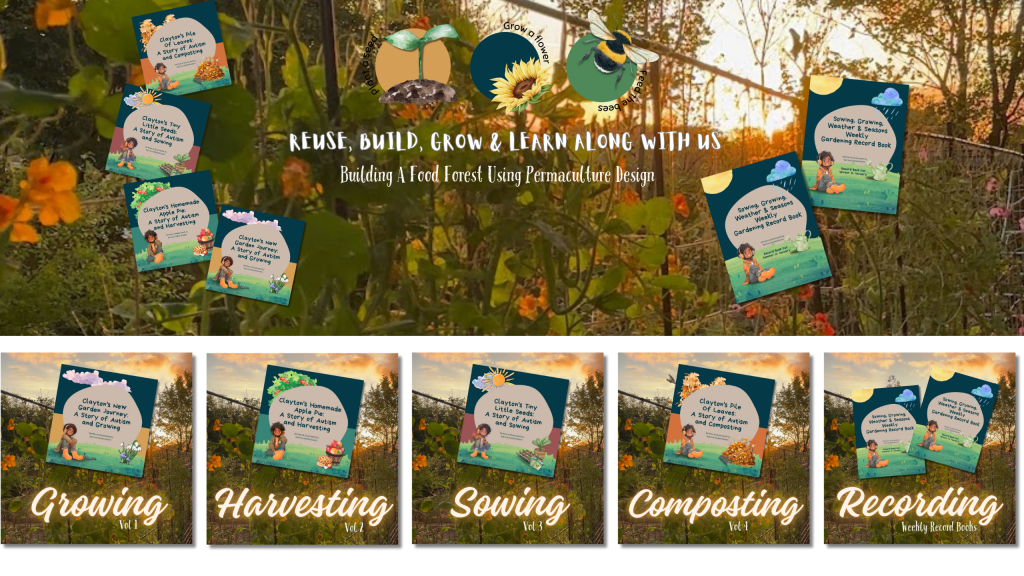
Author of the new children’s book series: Clayton’s Garden Journey: Stories of Autism and Gardening and Sowing, Growing, Weather and Seasons Weekly Gardening Record Book available on Amazon and Kindle
Visit Our Print On Demand Stores
REDBUBBLE STORE -WORLDWIDE
Over 175 Garden & Nature Designs. Coasters, Phone Covers, Bags, Mouse Mats & Much More


Discover more from Building a Food Forest -Scotland
Subscribe to get the latest posts sent to your email.
