

Get Weekly Blogs Straight To Your Inbox

Mulch in Gardening: What It Is, Why It’s Used, and How to Choose the Right Type
Gardening is as much about nurturing soil as it is about growing plants. One of the most effective tools in a gardener’s arsenal is mulch. Though often overlooked by beginners, mulch plays a vital role in maintaining a healthy, productive garden, especially when we are having a very dry season.
What Is Mulch?
Mulch refers to any material organic or inorganic that is spread or laid over the surface of the soil as a covering. Its primary purpose is to conserve soil moisture, improve fertility and health, reduce weed growth, and enhance the visual appeal of the garden.
Mulch can be made of natural organic materials like wood chips, bark, straw, compost, or leaves or synthetic inorganic materials such as plastic sheeting or rubber (mostly used in larger commercial settings to grow). It serves as a protective barrier, buffering the soil from external elements and maintaining a more stable environment for plant roots.

The start of our food forest area in 2021
Why Use Mulch?
There are many reasons why mulch is considered essential in both home and commercial gardening. Here are some of the primary benefits:
Moisture Retention
One of the key advantages of mulch is its ability to help the soil retain water. By reducing evaporation, mulch ensures that plants stay hydrated longer, especially during hot or dry weather. This is particularly useful in water scarce regions or during drought conditions and very helpful in areas such as allotments where there is no mains water source.
Weed Suppression
Mulch blocks sunlight from reaching weed seeds, preventing them from germinating. A well mulched garden bed will have fewer weeds, which means less time spent pulling them and more time enjoying your garden.
Soil Temperature Regulation
Mulch acts as an insulating layer, keeping the soil cooler in the summer and warmer in the winter. This temperature regulation helps protect plant roots and can extend the growing season.
Soil Health Improvement
Organic mulches break down over time, enriching the soil with nutrients and improving its structure. This fosters beneficial microbial activity and earthworm populations, both of which are signs of healthy soil.
Erosion Control
By reducing the impact of rainfall and irrigation, mulch helps prevent soil erosion. It keeps the soil intact and prevents valuable topsoil from washing away.
Aesthetic Appeal
Mulch gives a tidy, uniform look to garden beds, making the landscape appear more polished and professional.

Some shredded leaves decomposing to make leaf mould
How to Use Mulch
Applying mulch correctly is just as important as choosing the right type.
Prepare the Area
Remove existing weeds, rocks, and debris from the soil surface. If necessary, water the soil before applying mulch to ensure it’s adequately moist.
Choose the Right Mulch
Pick a mulch that suits your plant type, climate, and personal preferences.
Apply the Mulch
Spread the mulch evenly around the base of your plants, keeping a few inches of space around stems and trunks to prevent rot and pest issues. Apply 2–4 inches of mulch for most applications. Too little won’t be effective, and too much can suffocate plant roots.
Maintain and Refresh
Over time, mulch breaks down or becomes displaced. Check your garden regularly and replenish mulch as needed, usually once or twice a year.

In this area we have: Erosion blankets on the paths, Cardboard and shredded leaves on the food forest and living mulch: cover crops of strawberries
Types of Mulch: ORGANIC
Mulch is broadly categorised into organic and inorganic types. Each has its advantages and is suited to specific gardening applications.
Organic mulch: is made from natural materials that decompose over time, gradually enriching the soil. Among the most popular types are wood chips and bark, which are excellent for use around trees, shrubs, and perennial beds.
NB: They offer a long lasting, attractive appearance but may tie up nitrogen as they break down, so they should not be mixed directly into the soil.
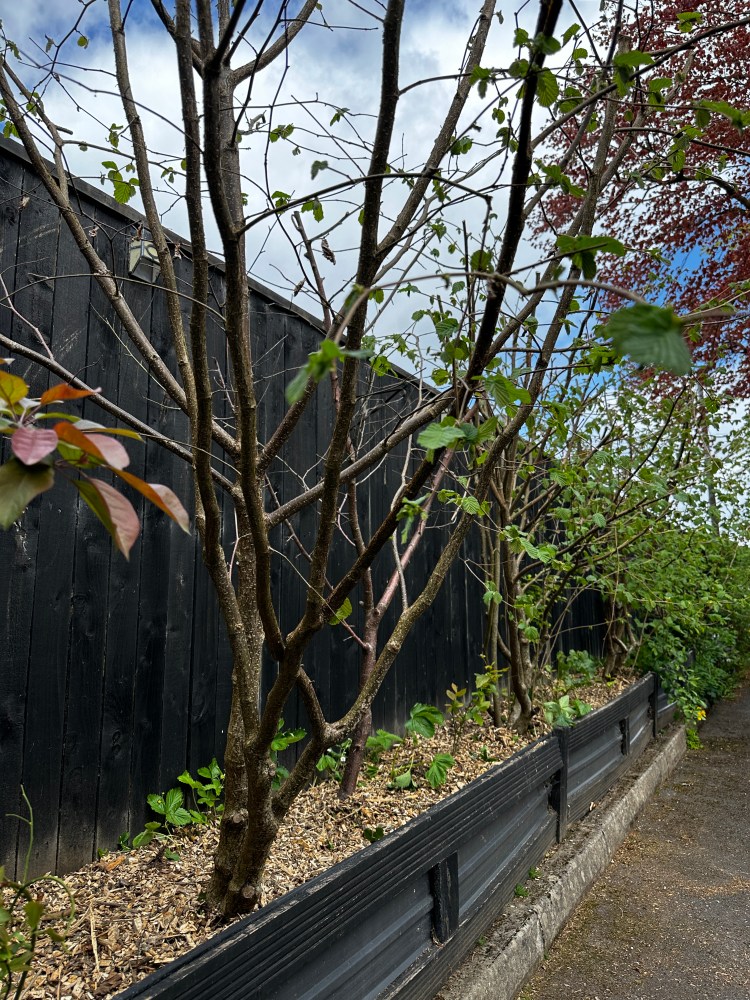

Wood chips used from local trees in our raised beds to help with moisture
Straw and hay: are great choices for vegetable gardens. They retain moisture effectively and help control weeds.
NB: However, it’s important to ensure these materials are free of weed seeds to avoid introducing unwanted plants into your garden.
Compost: is another beneficial organic mulch, rich in nutrients and ideal for enhancing soil fertility. It can be spread alone or beneath another layer of mulch to provide a nutrient dense base.
Grass clippings: are commonly used because they’re readily available. They help conserve moisture.
NB: They should only be applied in thin layers to avoid matting, which can lead to odour and restricted airflow. It’s also important to avoid using clippings from lawns treated with herbicides or pesticides.
Leaves: particularly when shredded, make excellent mulch for flower beds and garden borders. They are free and plentiful during autumn. They can also be left for the year and made into leaf mould before using. Read more on this blog: Practical & Creative Ways To Use Fallen Leaves Around Your Garden
NB: Whole leaves tend to mat and should be shredded to ensure they function effectively.

Sheet Mulching: Also known as lasagna gardening, this method involves layering cardboard, compost, and mulch directly on top of existing soil to build new beds. See how we have used it in this blog post: Transforming a Large Grass Lawn with Sheet Mulching

Living Mulches: Plant low growing cover crops like clover that protect the soil and add nutrients when turned under. We use strawberries as our cover crop, see our You Tube video on how it works or our blog post: Summer Garden: Strawberries As Ground Cover
Read more on the types of mulch we use around our raised beds and food forest in these blogs:
Building Resilient Soil: Composting and Mulching
Practical & Creative Ways To Use Fallen Leaves Around Your Garden
Creative & Sustainable Ways to Reuse Packing Paper and Cardboard
Boost Soil Health with Green Manure As A Cover Crop Over Winter
Types of Mulch: INORGANIC
On the other hand, inorganic mulch does not decompose or enrich the soil, but it can be very useful in certain landscape settings.
Plastic sheeting is often used in vegetable gardening and landscaping. It is highly effective at suppressing weeds and retaining moisture, but if not monitored carefully, it can lead to overheating and reduce soil aeration.
Landscape fabric allows water and air to pass through while still blocking weed growth. It is typically used beneath other mulches like wood chips or decorative stones to combine aesthetics with functionality.
Rubber mulch, made from recycled tyres, is extremely durable and suitable for areas like playgrounds and garden paths. However, it does not improve soil quality and may raise environmental concerns due to its synthetic composition.
Gravel and stone mulches are best for permanent features such as pathways, driveways, and rock gardens. They do not degrade and require little maintenance, but they can reflect heat and retain warmth, which may negatively affect nearby plants in hot climates.
We don’t use inorganic mulching in our garden but we have used some version blankets made from coconut coir for the sloped areas and paths to stop the soil moving during the wet weather. See blog post: How We Use Coir Erosion Sheeting for Sustainable Landscaping


Choosing the Right Mulch
When selecting mulch, consider the following:
Purpose: Is it for moisture retention, weed suppression, or soil enrichment?
Plant Type: Different plants have different needs. For example, vegetables do well with straw, while ornamental beds may benefit from bark mulch.
Aesthetics: Consider how the mulch will look in your landscape.
Cost and Availability: Some mulches are more economical or easier to source locally.
Environmental Impact: Organic mulches are usually more sustainable and beneficial to the ecosystem.
Mulch is much more than a decorative ground cover. It’s a key ingredient in healthy gardening that conserves water, suppresses weeds, enriches soil, and protects your plants. By choosing the right type of mulch and applying it properly, you can significantly improve the productivity and health of your garden.
Happy Gardening!


Katrina & Clayton and family live in East Ayrshire and share their daily life in the garden on instagram. They practice permaculture principles in the garden, reducing & repurposing waste whenever they can. Katrina shows how home educating in nature has helped Clayton thrive.
Clayton Completed The 2 Grow and Learn Courses with the Royal Caledonian Horticultural Society. He is Autistic, Non Verbal & has been Home Educated since 2018. Katrina & Peter hold their PDC & PDC PRO Permaculture Design Course from Oregon State University.
They featured on BBC Beechgrove Gardens Ep23 2022 and returned in 2023 for an update, Katrina & Clayton are also columnists for ScotlandGrows Magazine, Guest Blog for Caledonian Horticulture as well as working with Gardeners’ World Magazine and many other brands.
They are also Author of the new Children’s Book Series: Clayton’s Garden Journey: Stories of Autism and Gardening. Topics on Growing, Harvesting, Sowing & Composting and 108 Page Weather and Seasons Weekly Gardening Record Book available on Amazon and Kindle.
Listen in on their Guest Podcasts to learn more about them.


Get Weekly Blogs Straight To Your Inbox
Our Children’s Book Series
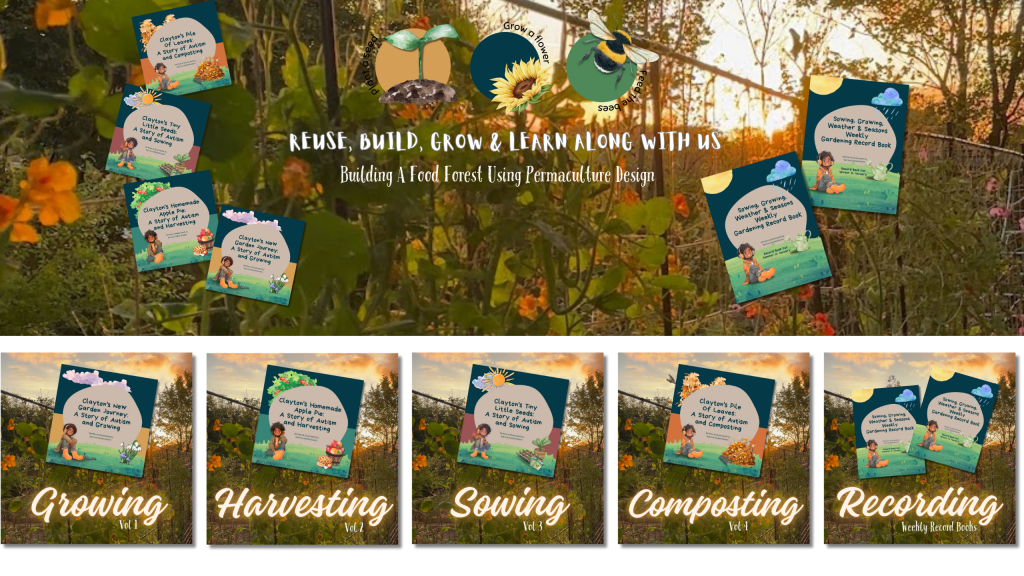
Author of the new children’s book series: Clayton’s Garden Journey: Stories of Autism and Gardening and Sowing, Growing, Weather and Seasons Weekly Gardening Record Book available on Amazon and Kindle
Visit Our Print On Demand Stores
REDBUBBLE STORE -WORLDWIDE
Over 175 Garden & Nature Designs. Coasters, Phone Covers, Bags, Mouse Mats & Much More

Discover more from Building a Food Forest -Scotland
Subscribe to get the latest posts sent to your email.

7 thoughts on “Mulch in Gardening: What It Is, Why It’s Used and How to Choose the Right Type”