

Get Weekly Blogs Straight To Your Inbox

Why Are My Plant Leaves Turning Yellow? Here’s What to Do!
You’re tending your garden or houseplants, enjoying the greenery and healthy vibes, but then you notice something, the leaves are turning yellow. If you’re like most plant lovers, your first thought might be, “Oh no, am I killing my plant?”
Don’t panic! Yellowing leaves, technically called chlorosis, are a common issue for both indoor and outdoor plants, but while they’re often a sign of trouble, they’re also your plant’s way of telling you exactly what it needs.
Why Do Plant Leaves Turn Yellow?
A plant’s green colour comes from chlorophyll, the pigment crucial for photosynthesis. When something disrupts this process, whether it’s stress, disease, or nutrient imbalance the plant stops producing chlorophyll and leaves turn yellow.
Yellowing can happen for a variety of reasons, so it’s important to play detective and figure out which one applies to your plant.
Common Causes of Yellow Leaves and What to Do
Overwatering
The Problem: One of the most common reasons for yellow leaves is too much water. When soil is constantly wet, roots can’t get the oxygen they need. This leads to root rot, which cuts off the plant’s ability to take up nutrients.
What to Look For:
Yellow, drooping leaves
Soggy or smelly soil
In severe cases, mushy roots.
What to Do:
Check the soil: Stick your finger an inch deep. If it’s wet, stop watering until it dries out.
Improve drainage: by using well draining soil and pots with drainage holes, or add stones to the base of the pot before filling with soil or use felt pots like we do to allow the air to still go through the pot and into the soil.
If you suspect root rot, gently remove the plant from its pot, trim off mushy roots, and repot in fresh soil.
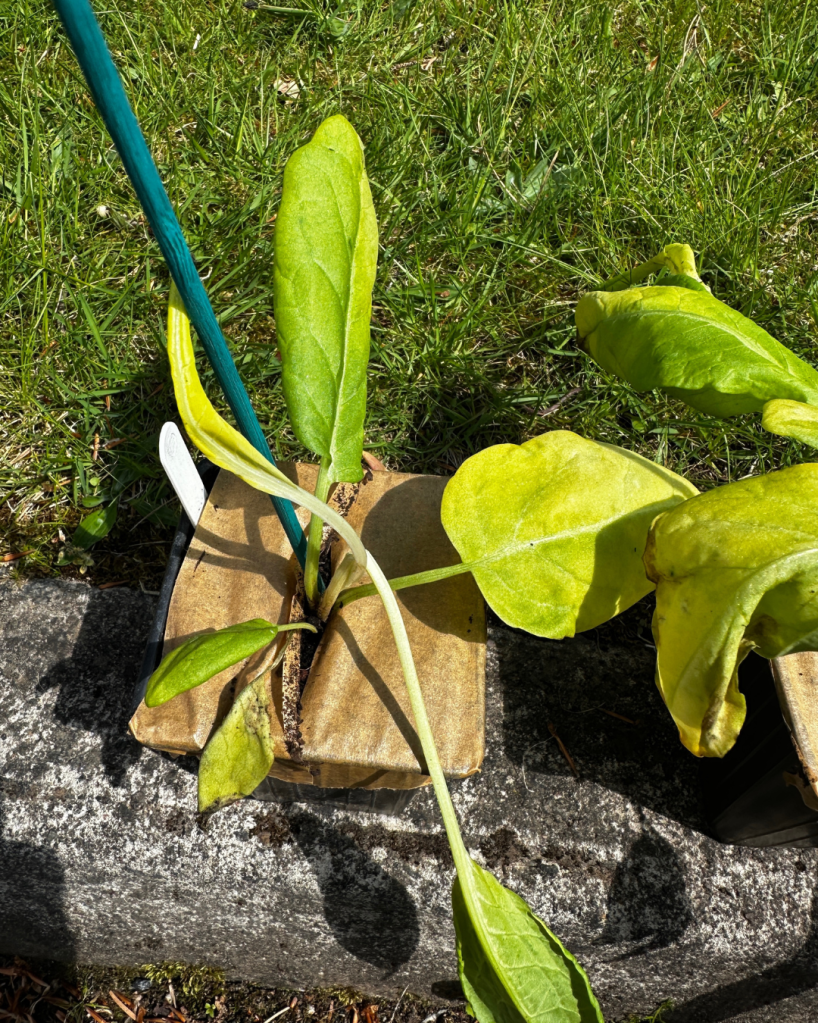
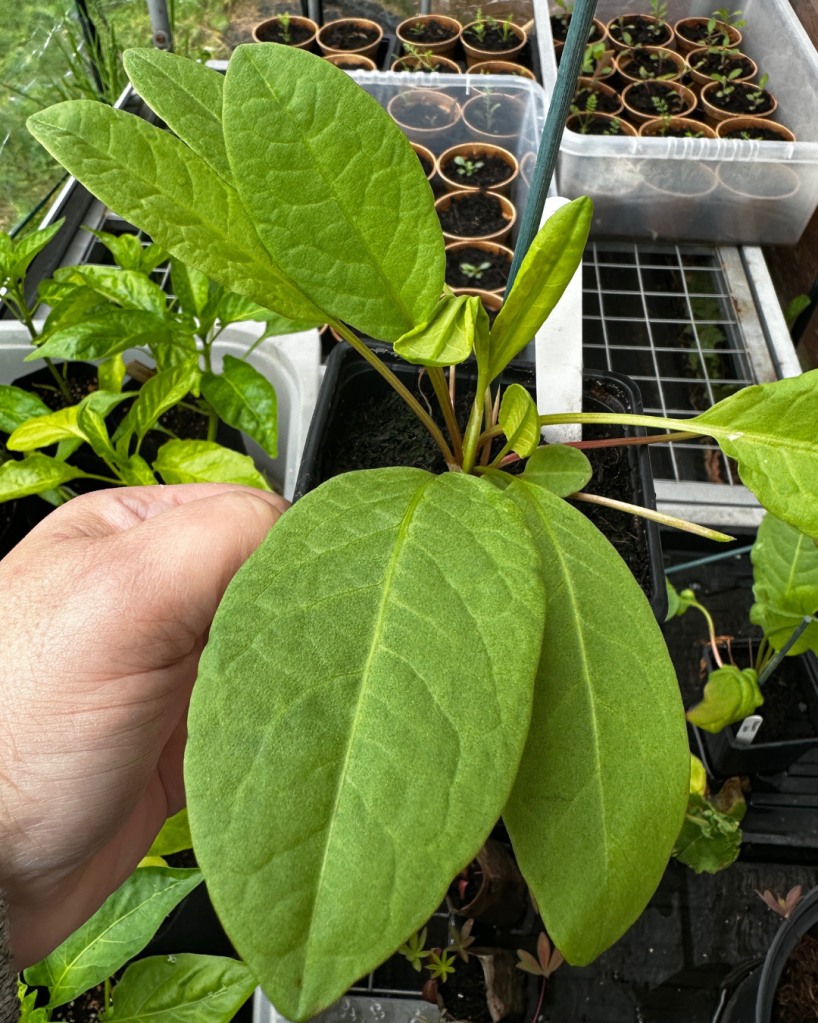
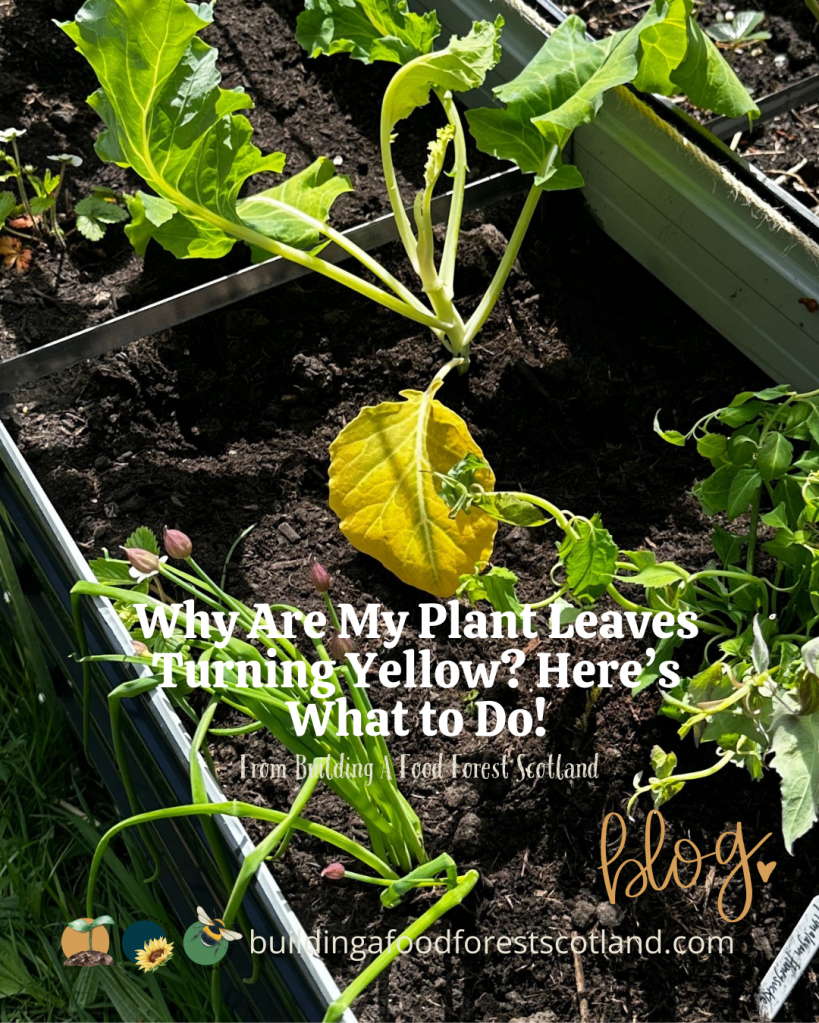
Plants delivered like this so removed the yellowing damaged leaves and then left with no water for a few weeks to dry out the soil and then watered and wilting leaves and plant sorted itself out to continue growing
Underwatering
The Problem: Too little water can also cause yellow leaves. Without enough moisture, plants can’t transport nutrients from roots to leaves.
What to Look For:
Dry, crispy soil.
Wilting or curling leaves that turn yellow and brown.
What to Do:
Water deeply until water drains from the bottom of the pot or if very dry sit the pot in a bowl of water for a few hours until leaves have stoped wilting and soil feels wet.
Set a watering schedule based on your plant’s needs—some need frequent watering, while others prefer to dry out a bit.
Our Willow Wilfred Started Wilting Video Reel
Lack of Nutrients
The Problem: Plants need a balance of nutrients, especially nitrogen, iron, magnesium and potassium. If they’re missing something, leaves can yellow.
What to Look For:
Nitrogen deficiency: Older, lower leaves turn yellow first.
Iron deficiency: Young leaves yellow, but veins stay green.
Magnesium deficiency: Yellowing starts at the leaf edges, moving inward.
What to Do:
Fertilise using a balanced, slow release fertiliser or organic compost. We use comfrey or dandelion tea or tomato feed works well on most plants.
Adjust pH. Sometimes, even if nutrients are present, the soil pH can lock them out. For most plants, a pH of 6-7 is ideal.
If you’re unsure, a simple soil test kit can help identify deficiencies. Check out our blog post on soil testing The Jar Test: A Simple DIY Soil Texture Analysis or Healthy Soil, Thriving Garden: Checking Soil Condition Tips
Doing A pH Soil Test Video Reel
Poor Light
The Problem: Not enough light can stop a plant from photosynthesising, leading to yellow leaves.
What to Look For:
Leggy growth (long, stretched stems).
Leaves turning yellow and dropping off, especially at the base of the plant.
What to Do:
Move the plant to a brighter spot, but be careful of direct sun if the plant prefers indirect light.
For houseplants, consider grow lights if natural light is limited. Check out our blog post on The Importance of Seed Starting with Heat Mats and Grow Lights
Importance Of Light Video Reel
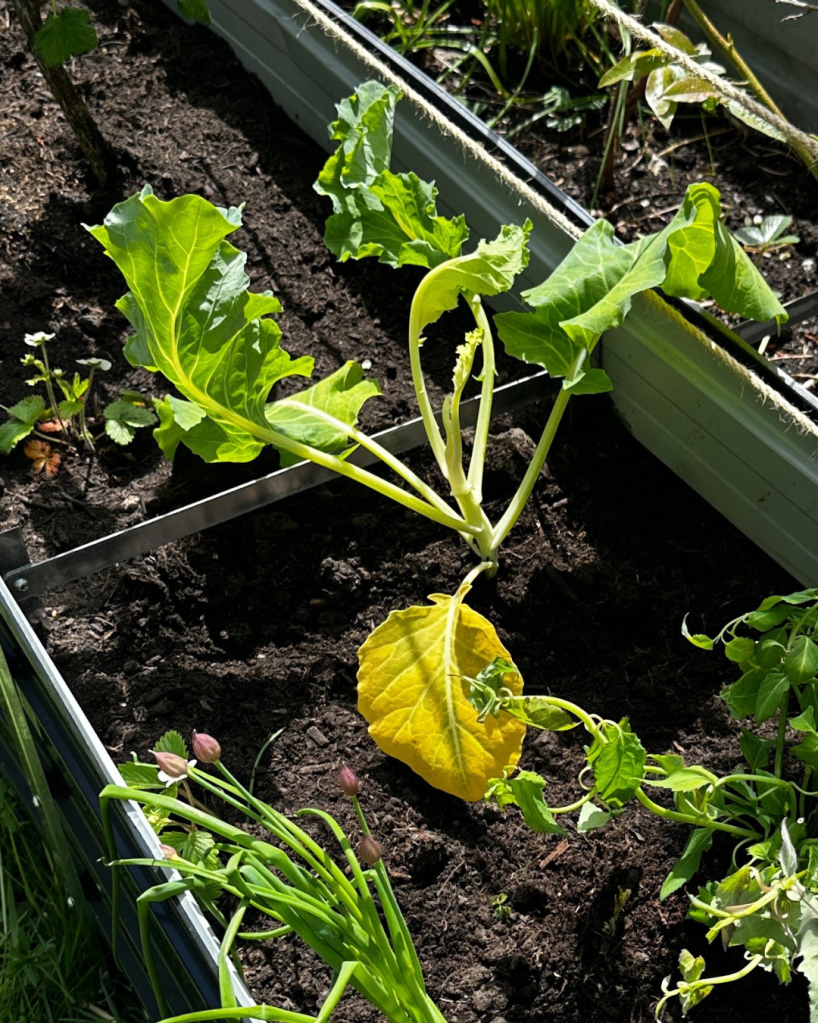
Low light of plants when being in a box for a few days to be delivered. Removed this leaf and plant continue to grow on in it’s new place
Pests and Diseases
The Problem: Certain pests like spider mites, aphids, or whiteflies feed on sap, weakening the plant and causing yellow leaves. Fungal diseases like root rot or leaf spot can also be culprits.
What to Look For:
Pests: Tiny insects on leaves, sticky residue, webbing.
Diseases: Black or brown spots, moldy growth, wilting.
What to Do:
Inspect the plant closely look under leaves and along stems.
Remove pests with a strong spray of water or insecticidal soap.
Treat fungal issues by trimming off affected leaves and improving airflow.
Normal Aging Or Season Changing
The Problem: Plants naturally shed older leaves. If only a few older leaves are yellowing while the rest of the plant looks fine, it may just be natural aging.
What to Look For:
Yellowing limited to older leaves near the bottom.
No other signs of disease or distress.
What to Do:
Simply remove the yellow leaves to keep your plant tidy.
Changing Seasons Video Reel
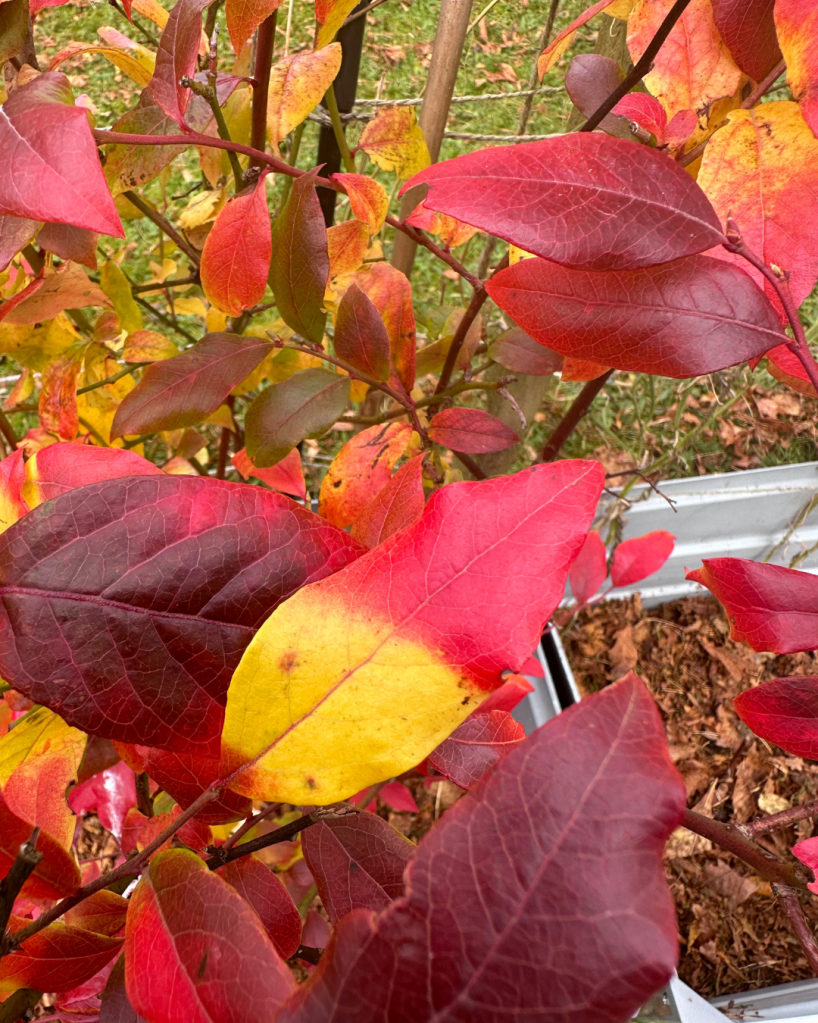
Plants naturally go through this stage in Autumn when the plant’s green colour that comes from chlorophyll, the pigment crucial for photosynthesis starts to end changing the leave from green to red, yellow and orange.
How to Diagnose the Problem
Because yellow leaves can have so many causes, it helps to take a systematic approach:
Check your watering habits. Are you overwatering or under watering?
Look at the light situation. Is your plant getting too little or too much light?
Inspect for pests or disease.
Evaluate nutrition. Have you fertilised recently? What’s the soil pH?
Consider the plant’s age.
By process of elimination, you can narrow down what’s causing the problem.

Preventing Yellow Leaves in the Future
Water wisely: Only water when the top inch of soil is dry and try bottom watering for stronger roots.
Use quality soil: Good potting soil promotes drainage and nutrient availability, making sure the pots you are using have drainage holes for excess water to flow through.
Provide the right light: Match your plant’s needs to its environment, simple tricks from using foil backdrops to lighting if required.
Fertilise appropriately: Follow label instructions on bottles or use natural plant teas for added nutrients.
Keep an eye on pests: Regularly check your plants and act quickly if you see bugs, look at your companion planting if you start to see too many. See our Category Archives: Companion Planting & Cover Crops
Don’t Stress, Just Assess
Seeing yellow leaves on your plant can feel discouraging, but it’s also a helpful clue. Plants don’t talk, but their leaves speak volumes. With a little detective work and some TLC, you can usually reverse the damage and help your plants thrive again.
Happy Gardening!


Katrina & Clayton and family live in East Ayrshire and share their daily life in the garden on instagram. They practice permaculture principles in the garden, reducing & repurposing waste whenever they can. Katrina shows how home educating in nature has helped Clayton thrive.
Clayton Completed The 2 Grow and Learn Courses with the Royal Caledonian Horticultural Society. He is Autistic, Non Verbal & has been Home Educated since 2018. Katrina & Peter hold their PDC & PDC PRO Permaculture Design Course from Oregon State University.
They featured on BBC Beechgrove Gardens Ep23 2022 and returned in 2023 for an update, Katrina & Clayton are also columnists for ScotlandGrows Magazine, Guest Blog for Caledonian Horticulture as well as working with Gardeners’ World Magazine and many other brands.
They are also Author of the new Children’s Book Series: Clayton’s Garden Journey: Stories of Autism and Gardening. Topics on Growing, Harvesting, Sowing & Composting and 108 Page Weather and Seasons Weekly Gardening Record Book available on Amazon and Kindle.
Listen in on their Guest Podcasts to learn more about them.

Get Weekly Blogs Straight To Your Inbox
Our Children’s Book Series
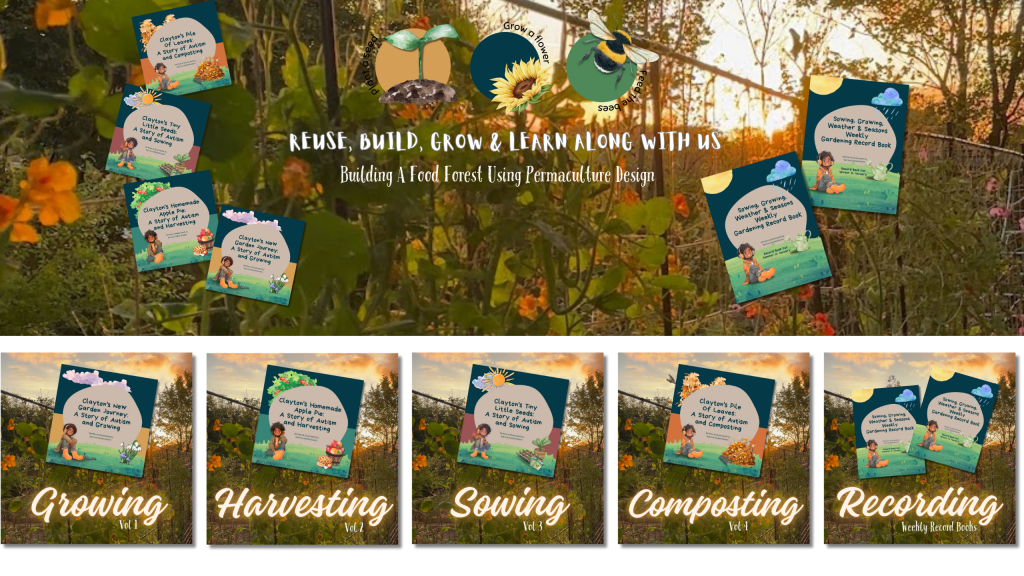
Author of the new children’s book series: Clayton’s Garden Journey: Stories of Autism and Gardening and Sowing, Growing, Weather and Seasons Weekly Gardening Record Book available on Amazon and Kindle
Visit Our Print On Demand Stores
REDBUBBLE STORE -WORLDWIDE
Over 175 Garden & Nature Designs. Coasters, Phone Covers, Bags, Mouse Mats & Much More

Discover more from Building a Food Forest -Scotland
Subscribe to get the latest posts sent to your email.
