

Get Weekly Blogs Straight To Your Inbox

Small Space Gardening: Create a Kitchen Courtyard with Herbs and Salad Greens
In today’s fast-paced, space conscious world, the idea of a sprawling garden might seem like a luxury reserved for those with ample backyards. But what if you could grow a thriving, productive garden in a small courtyard, balcony, or even a sunny corner of your kitchen? Welcome to the world of small space gardening, where limited square footage doesn’t mean limited potential.
If you’ve been with us for a while you’ll know we have a large back garden space that we have developed a food forest & raised bed gardening area, but we also have a small courtyard space right outside of the kitchen door that we grow our everyday salads & herbs to pick fresh everyday. Check out where we started this area back in 2019 in this blog: Building a Kitchen Courtyard Herb Garden in a Small Space in Scotland (Part 1-2019)
Why Small Space Gardening?
Small space gardening is more than a compromise it’s a design philosophy that emphasises efficiency, creativity and sustainability. With careful planning and smart choices, you can pack in a large amount of freshly grown produce steps away from your kitchen.
Key Benefits:
Accessibility: No more last minute grocery runs for fresh basil or lettuce.
Sustainability: Reduce food miles and waste by growing only what you need.
Wellness: Gardening has been shown to lower stress and improve mental health.
Flavour Boost: Freshly picked herbs and greens elevate any dish.
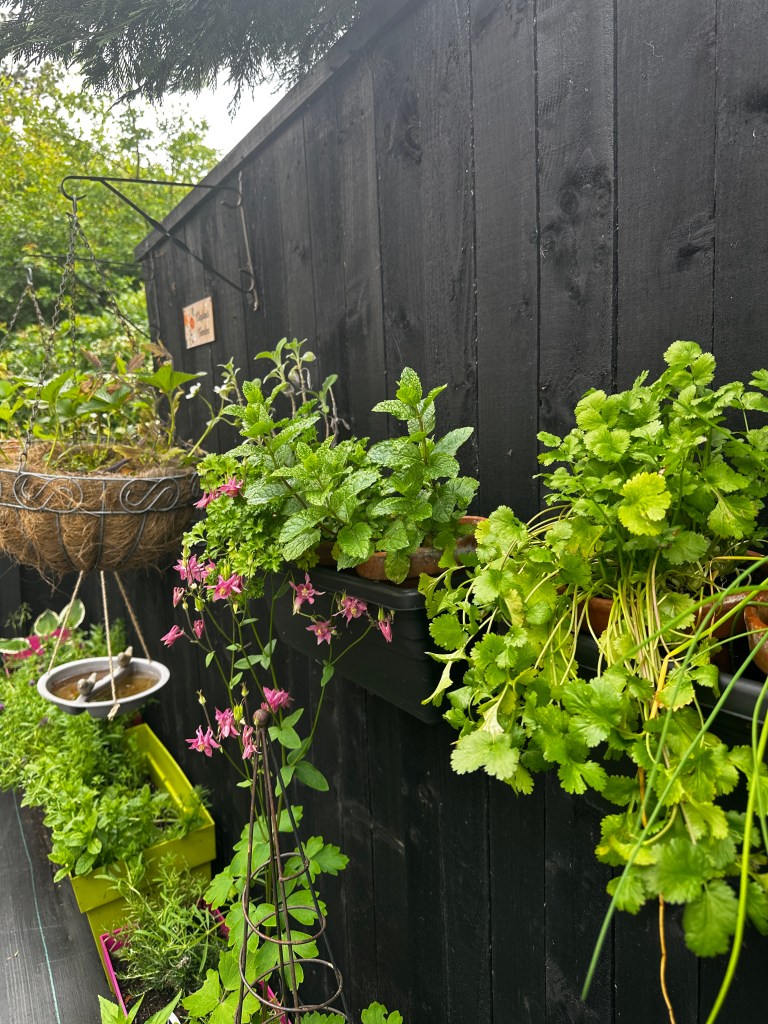
Planning Your Kitchen Courtyard Garden
Before you start planting, it’s essential to assess your available space. Measure the area, note how much sun it receives during the day and consider water availability. Most herbs and salad greens require at least 4–6 hours of sunlight daily, so a south or west facing space is ideal. East facing courtyards may also work, especially if you’re growing partial shade tolerant plants like mint, parsley or lettuce.
Designing your garden starts with setting clear goals. Do you want just herbs, or are you hoping to grow salad greens, cherry tomatoes and edible flowers as well? Are aesthetics important, or is your focus purely functional? Once you know what you want, sketch out a rough plan, marking where containers, vertical supports, or raised beds might go.
Choosing Containers: Form Meets Function
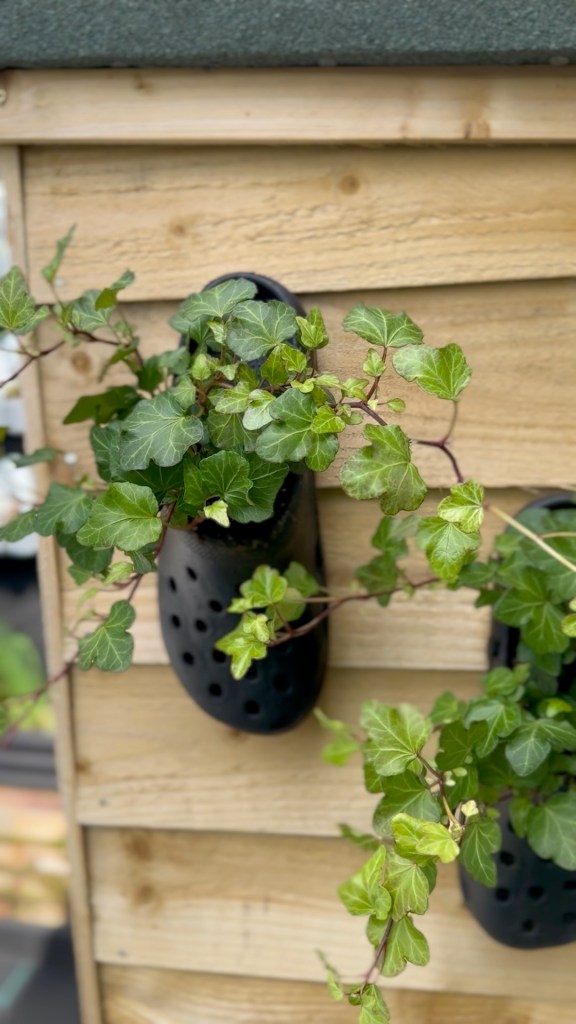
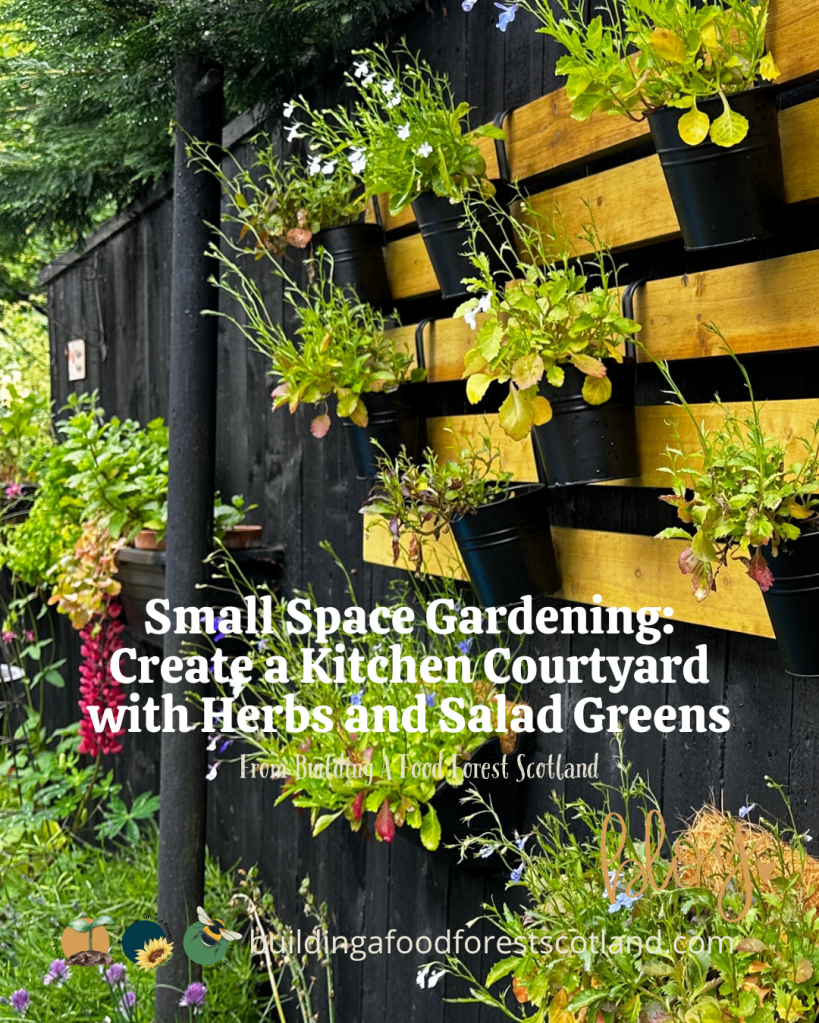
Containers are at the heart of small space gardening. Whether it’s ceramic pots, repurposed wooden crates, hanging baskets or sleek metal troughs, the right container can elevate both the look and utility of your garden. Your garden should be within reach of a water source. Herbs especially don’t like to dry out, so regular watering is key. We use what we have available first, old wood slats, crocs, milk cartons for recycling and working with the No waste Permaculture principle.
Think vertically and creatively, use all the spaces that you have:
- Wall/fence planters
- Hanging baskets
- Window boxes
- Multi tier plant stands

Choosing Your Plants: Herbs and Salad Greens
Herbs are the crown jewels of the kitchen courtyard garden. Not only are they flavourful and fragrant, but they’re also compact, often perennial and relatively easy to grow.
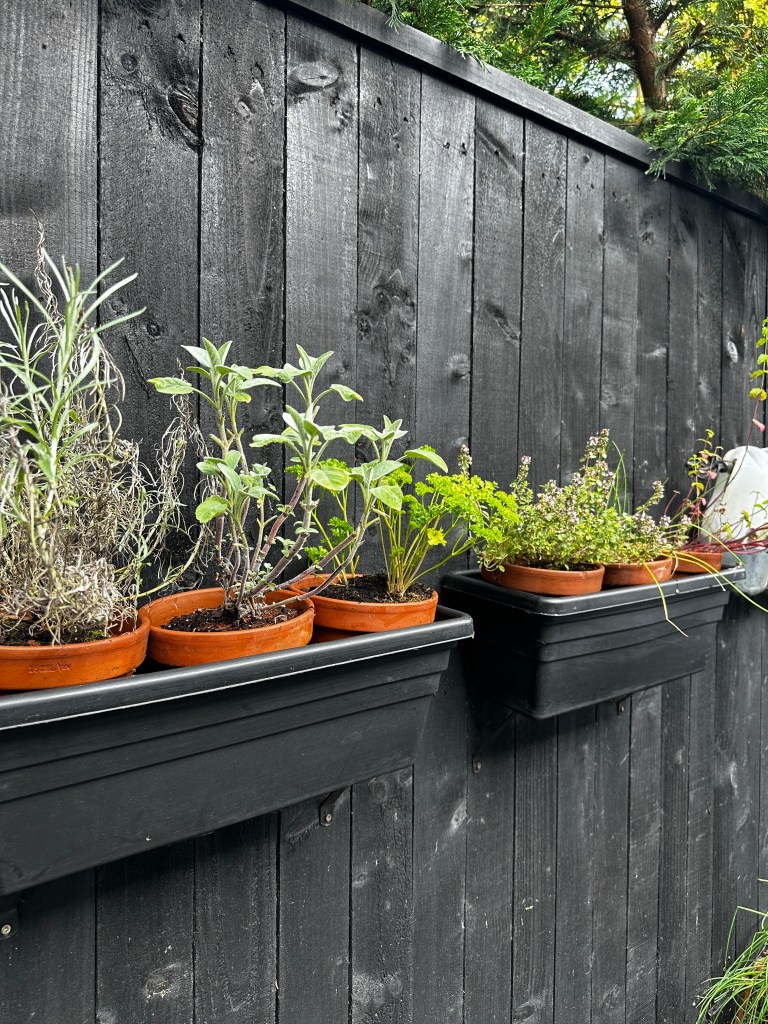
Basil, thyme, oregano, rosemary, parsley, coriander, and chives are staples that offer a wide range of culinary applications. Basil thrives in full sun and warm weather, making it ideal for summer. Rosemary and thyme prefer well drained soil and can be left to grow bushy. Coriander and parsley can handle partial shade and cooler temperatures, making them great for spring and Autumn.
To make the most of your herb garden, place frequently used herbs like basil and chives near the kitchen door for quick harvesting. Use attractive pots and group herbs with similar light and water needs to simplify care. We love the look of terracotta pots for our herbs.
Salad Greens: Fast Growing, Nutrient Rich, and Fresh
Salad greens are some of the easiest edibles to grow in containers, and they offer fast gratification. Many leafy greens mature in as little as 30 days, allowing for continuous harvests throughout the season.
Lettuce, rocket, spinach, mizuna, and mustard greens grow well in shallow containers and thrive in cooler temperatures. You can sow them densely and harvest the outer leaves regularly for a “cut-and-come-again” approach.
Microgreens are another excellent option. These are simply immature greens harvested just after the first leaves develop. They’re packed with nutrients and flavour, and you can grow them indoors or in partial sun with minimal effort.
How to Grow Micro Greens Without Any Soil Video
For year round harvests, consider succession planting sowing a new batch every few weeks so that you always have fresh leaves ready to pick. In hot climates, place containers where they get morning sun and afternoon shade to prevent bolting.
Adding Edible Accents: Tomatoes, Peppers, and More
While herbs and greens form the backbone of most kitchen gardens, there’s room for a few show stoppers too. Cherry tomatoes, sweet peppers, and edible flowers like nasturtiums or violas can add colour, flavour and visual drama to your space.
Tomatoes need more space and sun than most herbs, but dwarf or patio varieties work beautifully in pots. Use a cage or trellis to support their upward growth. Peppers also do well in containers and add a splash of colour even before they’re harvested. We grow these in our DIY: Cold Frame From A Bed, Pallets & Shower Curtains as well as our VegTrug raised beds.
VegTrug Where Our Tomatoes Grow Video Reel
Nasturtiums are dual purpose they’re pretty enough to be ornamental, but both the leaves and flowers are edible, with a peppery zing. Plus, they’re great companion plants that deter pests.
Salad greens grow quickly and can be harvested multiple times a perfect crop for small-space gardeners. Check out what we grow in our garden Guides to the Fruits, Herbs & Edible Flowers We Grow: Cultivation, Care & Harvesting
Designing the Courtyard Garden: Style Meets Function
Container Gardening Basics
- Use pots of varying sizes and materials (terracotta, ceramic, recycled containers).
- Ensure good drainage, add holes if necessary.
- Use high quality, lightweight potting mix enriched with compost.

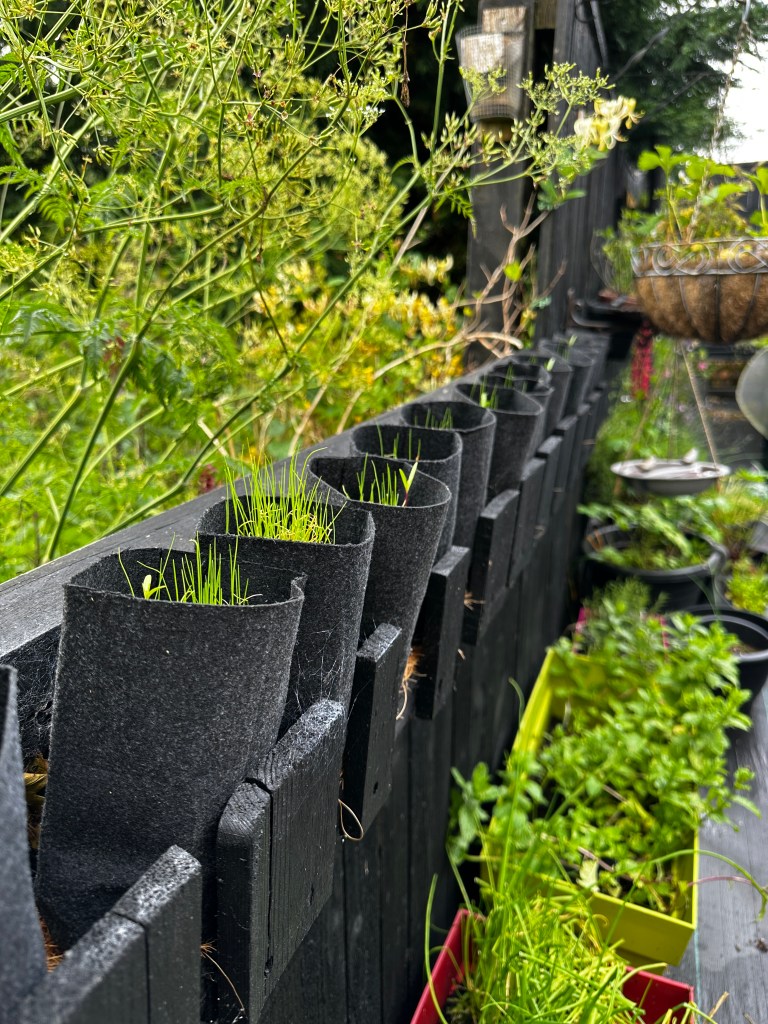
Vertical Solutions
- Wall mounted herb shelves See our blog DIY: Pallet Plant Shelf On The Fence For Vertical Gardening and DIY: How We Grow Food in a Vertical Garden Using Milk Cartons On A Fence – 2022 UPDATE
- Hanging baskets for trailing plants like thyme or oregano
- Trellises for climbing greens or edible flowers like nasturtiums


Watering & Drainage Tips
- Group containers with similar watering needs.
- Add mulch (like straw or fine bark) to retain moisture. Take a look at what mulches to use: Mulch in Gardening: What It Is, Why It’s Used and How to Choose the Right Type
- Self watering containers and drip irrigation systems can save time and water.
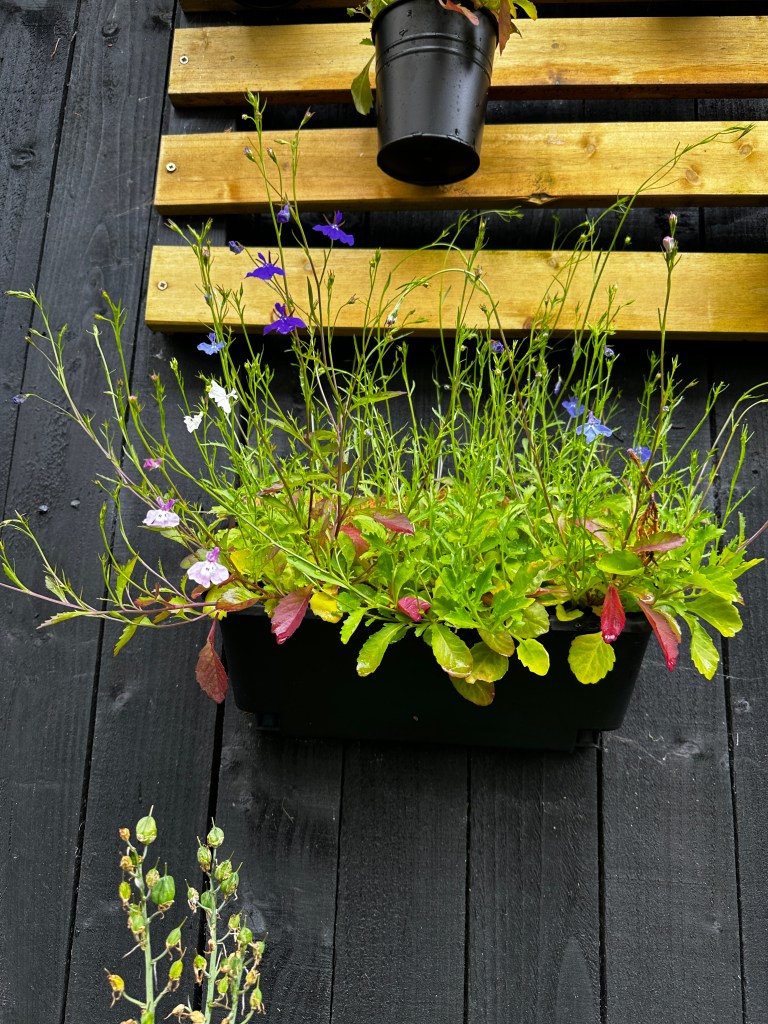
Aesthetic Tips
- Use colour coordinated pots for visual harmony.
- Mix textures (leaf shapes and plant heights) for visual interest.
- Add small seating or a bistro table to enjoy your garden space.
Growing Indoors: Kitchen Windowsills & Indoor Towers
If your courtyard lacks enough light or space, you can still grow a productive mini garden indoors.
Indoor Herb Garden Essentials:
- South facing window or grow lights
- Shallow pots with drainage
- Regular turning of pots for even growth
Best Indoor Herbs:
Basil
Chive
Parsley
Mint
Oregano

Kitchen Courtyard Progress Video Reels 2024-2025
Our Herb Station Video Reel
You don’t need acres of land to grow something beautiful and edible. With a few pots, a sunny spot and a little love, your kitchen courtyard can become a lush retreat full of herbs, greens, and possibility.
Start with a few containers. Choose your favourite herbs. Add a splash of personality with colour and design. Before you know it, your compact courtyard garden will be bursting with life and flavour.
Happy Gardening!


Katrina & Clayton and family live in East Ayrshire and share their daily life in the garden on instagram. They practice permaculture principles in the garden, reducing & repurposing waste whenever they can. Katrina shows how home educating in nature has helped Clayton thrive.
Clayton Completed The 2 Grow and Learn Courses with the Royal Caledonian Horticultural Society. He is Autistic, Non Verbal & has been Home Educated since 2018. Katrina & Peter hold their PDC & PDC PRO Permaculture Design Course from Oregon State University.
They featured on BBC Beechgrove Gardens Ep23 2022 and returned in 2023 for an update, Katrina & Clayton are also columnists for ScotlandGrows Magazine, Guest Blog for Caledonian Horticulture as well as working with Gardeners’ World Magazine and many other brands.
They are also Author of the new Children’s Book Series: Clayton’s Garden Journey: Stories of Autism and Gardening. Topics on Growing, Harvesting, Sowing & Composting and 108 Page Weather and Seasons Weekly Gardening Record Book available on Amazon and Kindle. Listen in on their Guest Podcasts to learn more about them.
Get Weekly Blogs Straight To Your Inbox
Our Children’s Book Series
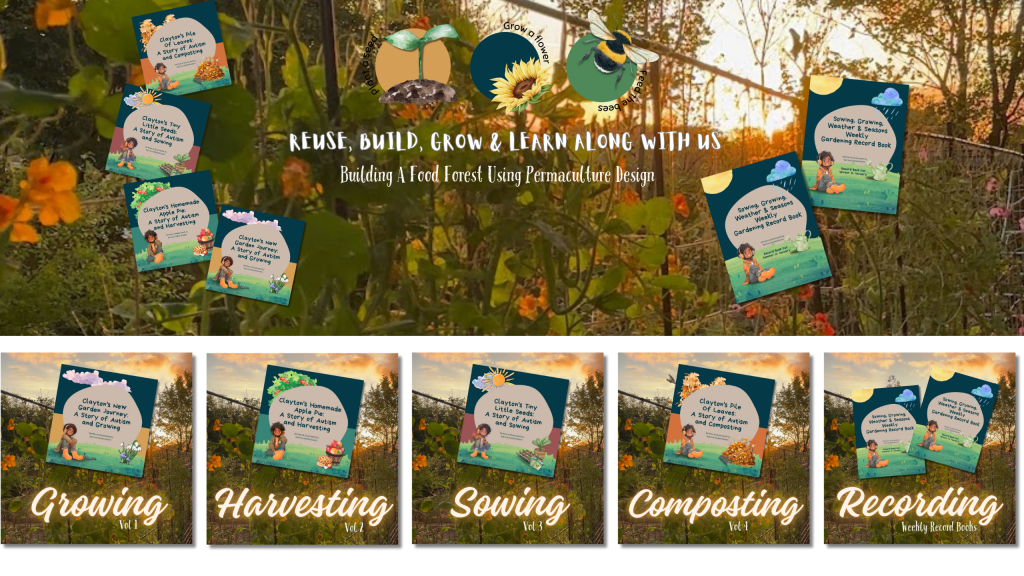
Author of the new children’s book series: Clayton’s Garden Journey: Stories of Autism and Gardening and Sowing, Growing, Weather and Seasons Weekly Gardening Record Book available on Amazon and Kindle
Visit Our Print On Demand Stores
REDBUBBLE STORE -WORLDWIDE
Over 175 Garden & Nature Designs. Coasters, Phone Covers, Bags, Mouse Mats & Much More

Discover more from Building a Food Forest -Scotland
Subscribe to get the latest posts sent to your email.
