

Get Weekly Blogs Straight To Your Inbox

The Misunderstood Dandelion: Why This “Weed” Deserves Our Respect
Few plants spark as much debate as the humble dandelion. For many, the sight of its bright yellow blooms sprinkled across a lawn feels like an invasion, a sign of neglect or failed maintenance. Gardeners wage wars against it with herbicides, pulling tools and endless hours of labour, often considering dandelions nothing more than weeds that ruin the perfect green carpet of grass.
As Autumn rolls in, many gardeners start to let go of their summer lawn battles. The relentless mowing, feeding and weeding that defined the warmer months give way to cooler days and falling leaves. Lawns lose their postcard perfect uniformity, and with them, the endless war on dandelions and other so called weeds begins to fade.
But instead of seeing this as defeat, it can be an opportunity, Autumn is the perfect time to rethink our relationship with those “weeds.” Dandelions, for instance, can be moved from the enemy list to the “hero posts” of our gardens, valued for their role in feeding pollinators, enriching soil and even adding beauty to the fall landscape with their sunny blooms.

Why Dandelions Get a Bad Reputation
The Lawn Obsession
The rise of the “perfect lawn” in the 20th century is one of the main reasons dandelions became public enemy number one. Marketing campaigns by lawn care companies pushed the idea that a pristine, uniform green lawn was a status symbol. Anything that disrupted that perfection, like dandelions was painted as ugly and undesirable. Homeowners, eager to display order and prosperity, bought into the idea. Check out our blog post: The History of British Lawns: From Wealth and Power to Everyday Gardens
The “Weed” Label
The word “weed” itself is loaded with negativity. It’s a term used not for a specific type of plant but for any plant growing where people don’t want it. By definition, dandelions are weeds in many people’s eyes because they thrive in lawns, sidewalks and gardens without being invited. Once labeled a weed, they’re automatically seen as pests rather than plants with potential value.
Rapid Growth and Persistence
Dandelions are hardy. Their seeds can travel far on the wind and their deep taproots make them difficult to eradicate completely. Pulling them out often leaves part of the root behind, which quickly regenerates. This persistence can frustrate gardeners and homeowners, reinforcing the idea that dandelions are “stubborn nuisances.”
Misconceptions About Competition
Many believe that dandelions choke out grass or other plants. While it’s true they compete for resources, their presence isn’t as damaging as often assumed. Still, this belief fuels the hostility toward them.
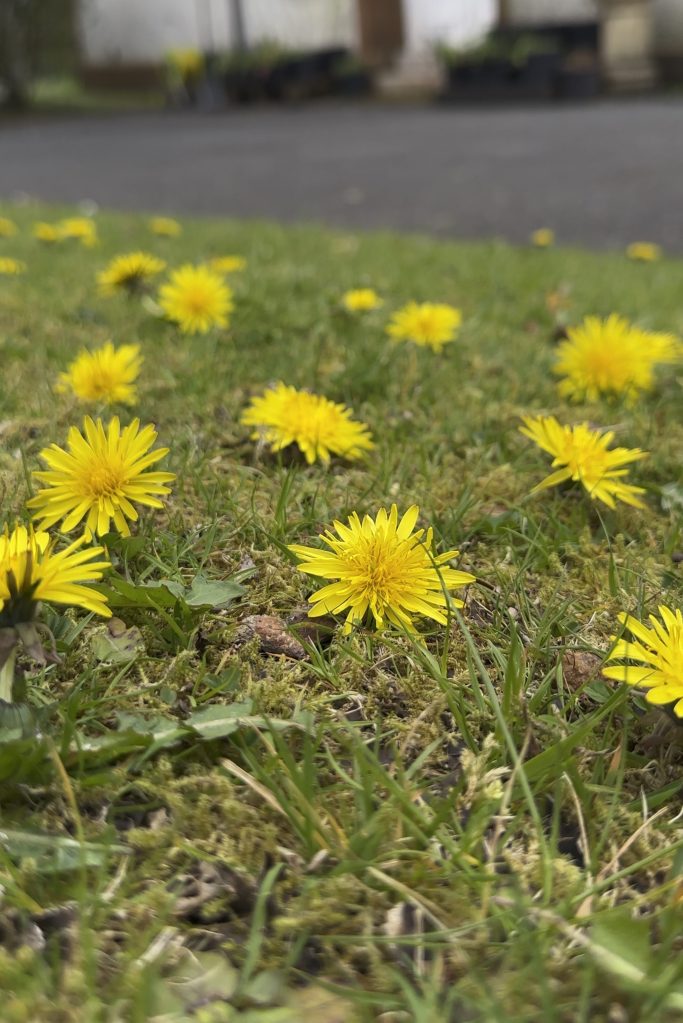
We have whole areas of them where dandelions grow happily
Why Dandelions Deserve Appreciation
Pollinator Powerhouses
Dandelions are one of the earliest flowers to bloom in spring, providing nectar and pollen when few other sources are available. Bees, butterflies, and other pollinators rely on them during this crucial time. Without dandelions, these insects might struggle to survive until other plants flower later in the season.
Soil Health Improvers
Their deep taproots do more than make them hard to remove, they also break up compacted soil, aerate it, and bring nutrients from deeper layers to the surface. Over time, this improves soil health and benefits other plants growing nearby.
Edible and Nutritious
Every part of the dandelion is edible. The leaves can be eaten raw in salads or cooked like spinach. The flowers can be made into teas, wines, or fritters. The roots can be roasted and used as a coffee substitute. Nutritionally, dandelions are packed with vitamins A, C, K, calcium, and iron. Instead of being a pest, they’re a free superfood growing right outside our doors. Check out our blog post: Dandelions in Your Garden: Why You Should Leave Them Be
Traditional and Medicinal Uses
For centuries, dandelions have been valued in herbal medicine. They’ve been used as a digestive aid, diuretic and liver tonic. Modern research suggests they may have antioxidant and anti-inflammatory properties. What many dismiss as weeds were once respected as powerful healing plants.
Cultural Symbolism
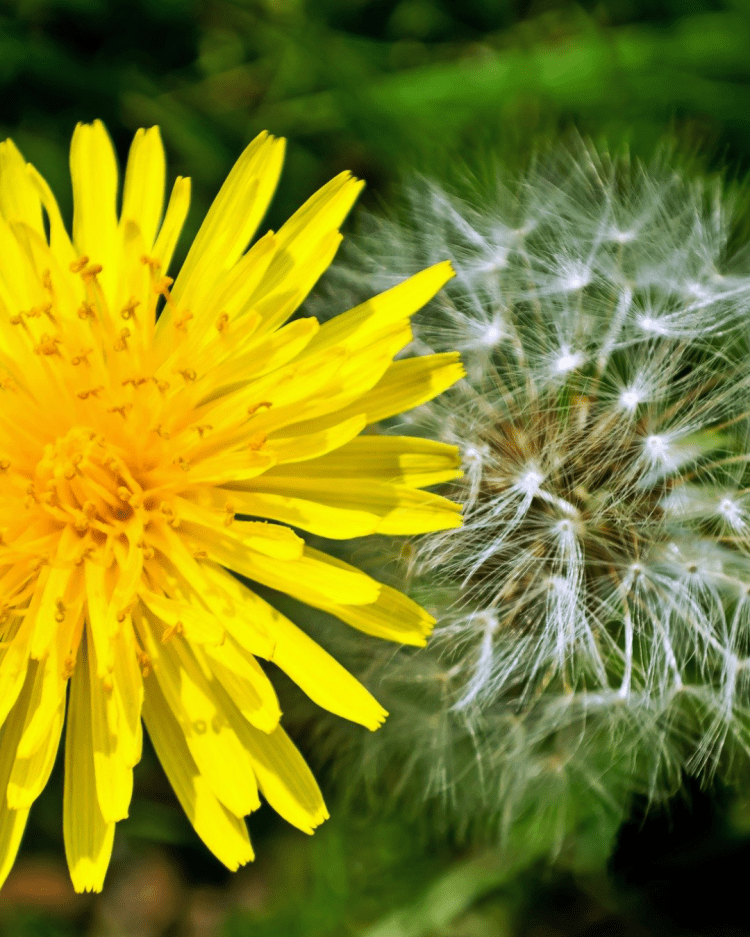
Beyond their practical uses, dandelions carry rich symbolism. Children blow the seed heads to make wishes and in many cultures, dandelions represent resilience, hope, and the cycle of life. Their ability to thrive in tough conditions can serve as an inspiring reminder of adaptability and strength.
Rethinking Our Relationship With Dandelions
Letting Go of Lawn Perfection
Much of the dislike of dandelions comes from cultural conditioning around lawns. If we shift our mindset from viewing lawns as sterile, uniform carpets to vibrant ecosystems, we can begin to see dandelions as part of that beauty rather than a blemish. A few yellow blooms scattered across green grass don’t signal failure, they signal life.
Sustainable Lawn and Garden Practices
By tolerating or even encouraging dandelions, you can reduce reliance on herbicides and chemicals that harm soil, water and wildlife. A more natural approach to lawns not only saves money but also supports biodiversity.
Embracing Wild Foods
Harvesting dandelions for food and drink can reconnect us to nature. Foraging these plants helps us appreciate their presence while reducing wastefulness. Imagine walking past dandelions not with irritation but with gratitude for the fresh, healthy food they provide.
Teaching Kids a Different Perspective
Instead of teaching children to see dandelions as “bad,” we can encourage them to explore their beauty, learn about their role in ecosystems, and enjoy their playfulness. The simple joy of blowing dandelion seeds into the wind is something many adults remember fondly, so why should we class that plant as bad that gave us that memory?
A Shift in Perspective
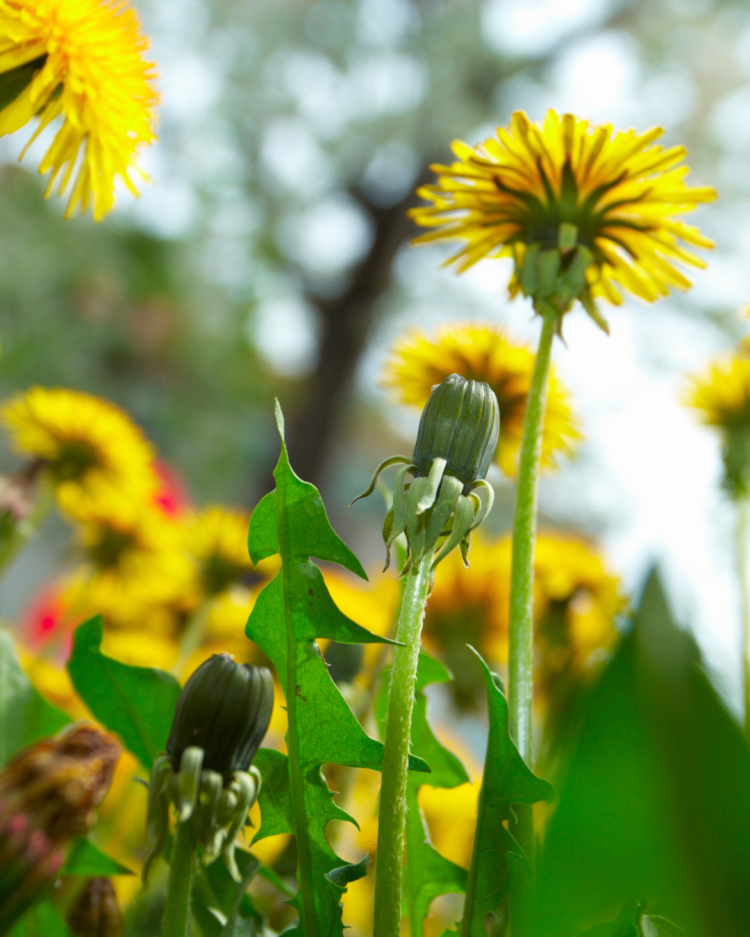
Dandelions get a bad rep not because they are inherently harmful, but because cultural expectations, marketing and aesthetics painted them as undesirable. In reality, they are resilient plants that support pollinators, enrich soil, provide food and medicine and inspire joy.
The next time you see a dandelion, pause before reaching for the weed killer. Consider instead the buzzing bee collecting pollen, the child making a wish, or the potential food or drink hidden in those leaves and roots. Perhaps the greatest weed of all is not the dandelion itself, but the stubborn belief that it doesn’t belong.
By shifting our perspective, we can turn the dandelion from a symbol of imperfection into one of resilience, beauty, and connection to the natural world.
Happy Gardening!


Katrina & Clayton and family live in East Ayrshire and share their daily life in the garden on instagram. They practice permaculture principles in the garden, reducing & repurposing waste whenever they can. Katrina shows how home educating in nature has helped Clayton thrive.
Clayton Completed The 2 Grow and Learn Courses with the Royal Caledonian Horticultural Society. He is Autistic, Non Verbal & has been Home Educated since 2018. Katrina & Peter hold their PDC & PDC PRO Permaculture Design Course from Oregon State University.
They featured on BBC Beechgrove Gardens Ep23 2022 and returned in 2023 for an update, Katrina & Clayton are also columnists for ScotlandGrows Magazine, Guest Blog for Caledonian Horticulture as well as working with Gardeners’ World Magazine and many other brands.
They are also Author of the new Children’s Book Series: Clayton’s Garden Journey: Stories of Autism and Gardening. Topics on Growing, Harvesting, Sowing & Composting and 108 Page Weather and Seasons Weekly Gardening Record Book available on Amazon and Kindle. Listen in on their Guest Podcasts to learn more about them.


Get Weekly Blogs Straight To Your Inbox
Our Children’s Book Series
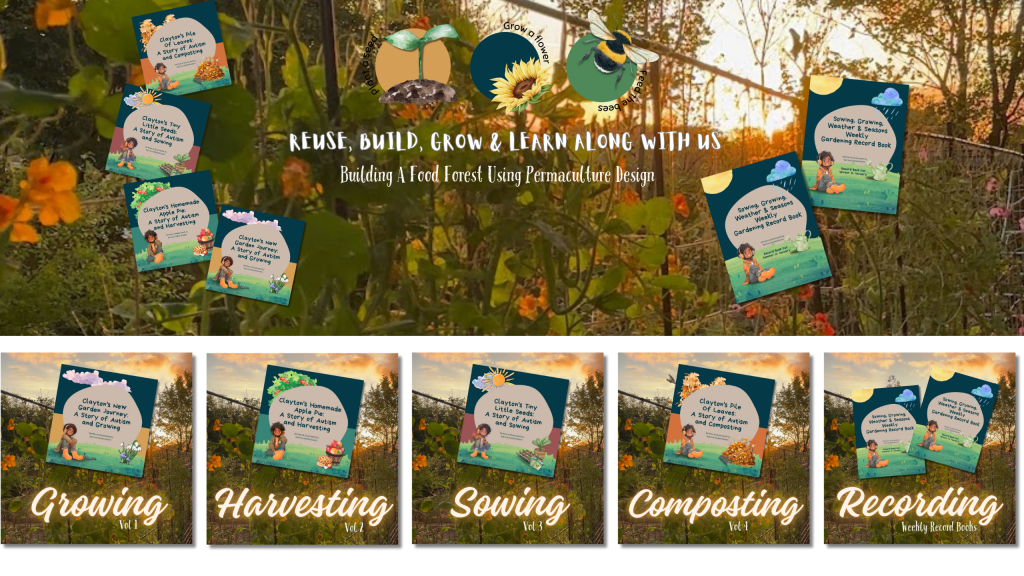
Author of the new children’s book series: Clayton’s Garden Journey: Stories of Autism and Gardening and Sowing, Growing, Weather and Seasons Weekly Gardening Record Book available on Amazon and Kindle
Visit Our Print On Demand Stores
REDBUBBLE STORE -WORLDWIDE
Over 175 Garden & Nature Designs. Coasters, Phone Covers, Bags, Mouse Mats & Much More

Discover more from Building a Food Forest -Scotland
Subscribe to get the latest posts sent to your email.
