

Get Weekly Blogs Straight To Your Inbox

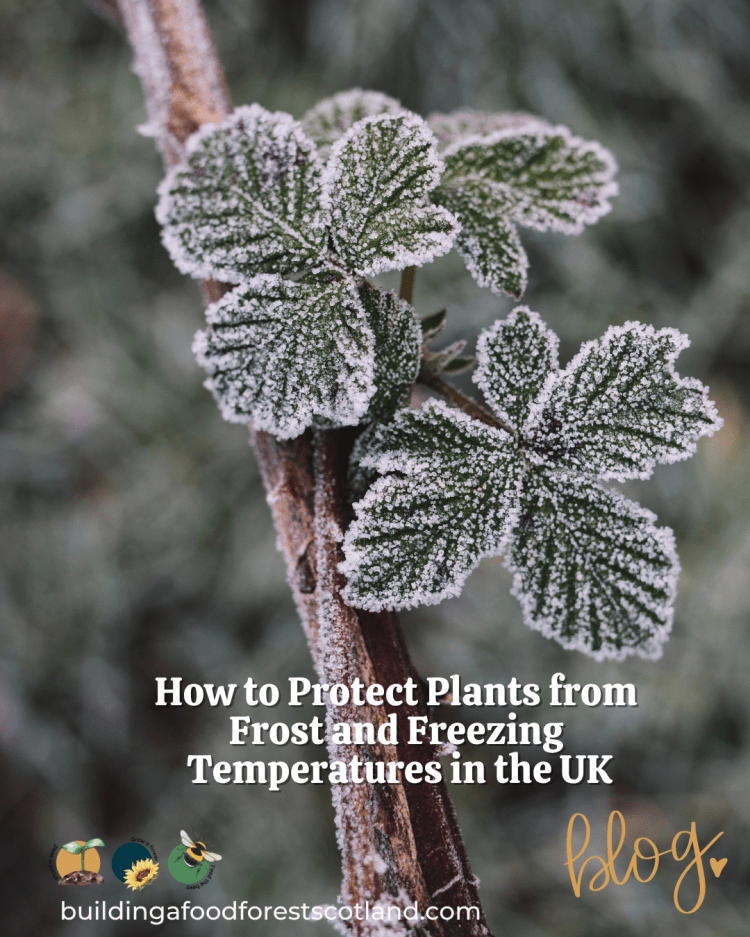
How to Protect Plants from Frost and Freezing Temperatures in the UK
As it starts to turn colder, snow falling in parts of Scotland this week and snow heading to us for next week you can certainly feel the temperature drop and the ice cold air creep in.
Frost is one of the most significant challenges gardeners face during winter in the UK. While some plants slip naturally into dormancy and cope well with the cold, many others are vulnerable to sudden temperature drops, icy winds and prolonged freezing conditions. Even hardy species can suffer when a frost follows a mild spell, as new growth is soft and full of moisture, making it highly susceptible to damage.
Protecting your garden from frost isn’t complicated, but it does require some awareness of how frost harms plants and a set of reliable techniques to minimise that damage throughout the winter months.
Why Frost Damages Plants
Understanding why frost is so harmful is the first step toward effective protection. When temperatures fall below freezing, water inside plant cells turns into ice. Since ice expands, it can rupture the delicate cell walls, leading to blackened foliage, mushy stems and in severe cases, complete dieback of shoots or even entire plants.
Evergreen plants are especially vulnerable because they continue to photosynthesise and lose moisture through winter. Frost and cold wind combined can dehydrate leaves faster than the plant can replace moisture through its roots, resulting in the familiar browning or “scorching” seen on species like camellias or cordylines.
Sudden temperature swings cause additional stress, as plants that have enjoyed mild weather may start producing new growth that is particularly sensitive to freezing conditions. With these risks in mind, gardeners can focus on strategies that stabilise conditions and buffer vulnerable plants against the cold. To protect plants effectively, it helps to understand the science behind frost.
1. Ice Crystals Form Inside Plant Cells
When temperatures drop below freezing, the water inside plant cells turns into ice. As ice expands, it punctures the cell walls, causing:
- Blackened leaves
- Mushy stems
- Collapsed foliage
- Branch dieback
Tender plants with thin cell walls (like fuchsias, pelargoniums, or dahlias) are especially vulnerable.
2. Frost Pulls Moisture Out of Leaves
Cold winds combined with sub zero temperatures draw moisture from foliage faster than the plant can replace it, a problem known as winter burn. Evergreen plants suffer most because they hold leaves through winter.
3. Sudden Temperature Swings Are the Worst
A mild spell followed by a harsh frost can cause plants to break dormancy too early. New growth is soft, full of water and extremely frost sensitive.
What We Can Do To Protect Them?
Use Horticultural Fleece to Shield Tender Plants
One of the most effective and versatile tools for winter plant protection is horticultural fleece. This lightweight, breathable fabric creates a protective barrier between plants and frost, helping to trap warmer air around the foliage without cutting off light or airflow. Draping fleece over young shrubs, tender perennials, or newly planted specimens before nightfall can prevent frost settling directly onto the leaves.
In vegetable gardens, it can be stretched across frames to create miniature polytunnels that shelter winter salads, broad beans, or early potatoes. Because fleece can trap warmth, it’s important to remove or vent it during milder days to prevent plants overheating. Plants such as salvias, penstemons, citrus trees in containers, and Mediterranean shrubs benefit greatly from this simple but effective method.
Horticultural fleece is one of the most versatile and effective tools available to UK gardeners. Lightweight, breathable, and easy to handle, it insulates plants without suffocating them and can be reused over and over again, so a good investment.

If you have your plants in rows or in raised beds adding tubing to form hoops works well

If you are doing individual plants use tubing in a cross and place fleece over
How fleece protects plants
- Traps warm air around foliage
- Reduces heat loss overnight
- Allows light, moisture, and air to pass through
- Prevents frost settling directly on leaves
How to use fleece effectively
Drape it loosely over beds or shrubs before sunset (frost forms overnight).
Peg or weigh down the edges to stop wind lifting it.
Use a frame or canes to create a “fleece tent” for low-growing veg.
Remove or ventilate during warmer days to prevent humidity build-up.
Best Plants To Protect With Fleece
Tender ornamentals and Mediterranean plants
Half-hardy perennials (salvias, penstemons, osteospermum)
Young shrubs and newly planted trees
Early vegetable crops (broad beans, potatoes, winter salads)
Mulching: The Garden’s Natural Insulation
Mulching is another essential practice for Winter protection, acting like natural insulation for soil and roots. A generous layer of organic material, such as compost, bark chips, straw, or leaf mould or just shredded leaves, helps regulate soil temperatures and prevent the freeze thaw cycle that can lift plants out of the ground or damage delicate root systems.
Mulch keeps the soil slightly warmer and stabilises moisture levels, making it ideal for roses, herbaceous perennials, fruit bushes and young ornamental trees. Although mulch helps protect the crown and root ball, it is important to keep it slightly away from the stems of plants, as direct contact can trap moisture and lead to rot during wet weather.
When applied correctly, mulch provides both winter protection and long term soil improvement. Mulching is one of the most important Winter jobs for protecting plant roots from extreme temperature swings. Because soil warms slowly and cools slowly, insulation helps roots stay stable. We talk about this often check out blog posts: Building Resilient Soil: Composting and Mulching and Practical & Creative Ways To Use Fallen Leaves Around Your Garden

Wood Chips added to the base as Mulch

Leaves added as Mulch in the Winter
What Mulch Does:
- Reduces soil temperature fluctuations
- Protects roots from hard frosts
- Helps prevent soil from freezing solid
- Reduces wet-weather root rot
- Encourages soil life even in winter
Best Mulching Materials:
- Bark chips
- Compost
- Well-rotted manure
- Straw
- Leaf mould
- Leaves and better shredded leaves
Apply mulch 5–10 cm deep around the base of plants, but keep it away from direct contact with stems and trunks to avoid rot.
Plants That Benefit Most From Winter Mulching:
- Roses
- Perennials (especially newly planted ones)
- Fruit bushes
- Young trees and shrubs
- Herbaceous borders
Move Potted Plants to Sheltered Areas
Container plants require a different approach because pots expose roots to far more dramatic temperature fluctuations. Unlike plants growing in the ground, which benefit from deep soil insulation, potted plants can freeze through quickly during cold nights.
Moving containers to a sheltered location such as a greenhouse, porch, garage or even an alcove beside a house wall, can make a significant difference. Walls absorb heat during the day and gently radiate it at night, creating a slightly warmer microclimate. Grouping pots together adds further insulation, as does wrapping containers in bubble wrap, jute, hessian or fleece.
Raising pots on feet prevents waterlogging, which is especially harmful during icy weather. Plants such as bay, olive, young shrubs, herbs, and tender perennials often survive winter far better when they are repositioned to safety during the coldest months.
Using cloches, cold frames and mini greenhouses can create valuable microclimates that are several degrees warmer than the surrounding garden. These structures trap heat and protect young or vulnerable plants from frost, wind and excessive rainfall.
Cold frames are particularly useful for overwintering young perennials, hardening off spring seedlings, or growing winter salads. Even DIY cloches made from recycled plastic bottles can give individual plants a small but meaningful boost of protection. These sheltered environments are ideal for gardeners who want to extend the growing season or safeguard borderline hardy species.

Protect Plants from Cold Winter Winds
Cold winter winds can cause just as much harm as frost, often drying out leaves and scorching exposed growth. Creating windbreaks is therefore another key part of winter protection. Temporary solutions like mesh netting, bamboo screens or woven hurdles can dramatically reduce wind speed around tender plants. Planting more delicate shrubs near fences, sheds or established hedges also provides natural shelter.
Even long term planning, such as establishing a hedge of yew, holly or privet, can offer reliable wind protection for years to come. Plants most vulnerable to Winter windburn include cordylines, palms, ferns, rhododendrons and newly planted shrubs whose root systems haven’t yet established.
Staying informed about the weather is one of the most effective frost protection strategies available. Many frost events can be predicted by watching for clear, still nights or sudden drops in temperature after mild weather. When frost is forecast, covering tender plants in advance is far more effective than trying to rescue them after damage occurs. Preventative action makes a remarkable difference in the survival and health of many garden favourites.
Early emerging bulbs can also suffer when temperatures fluctuate. A mild December or January often encourages shoots of daffodils, tulips, crocuses and hyacinths to appear ahead of schedule. While most bulbs are naturally hardy, their young shoots can be damaged by hard frosts. Lightly covering them with fleece, leaves or straw during particularly chilly nights can prevent frost scorch and ensure a healthier display in Spring.
Avoid Overwatering During Cold Spells
Watering practices also need to be adjusted during Winter, as overwatering can be lethal in cold conditions. Plants sitting in waterlogged soil are far more likely to succumb to frost damage and root rot.
During Winter, it’s best to water sparingly and only when the soil is genuinely dry. This is most important for container plants, Mediterranean herbs like lavender and rosemary, and succulents. Watering in the morning gives plants time to absorb moisture before temperatures drop in the evening, reducing the risk of water freezing around the roots overnight.

Avoid drenching the soil over Winter, as it will freeze, only water when necessary
Protecting plants from frost and freezing temperatures requires a combination of planning, observation and practical action. Horticultural fleece, mulching, careful container management, wind protection and thoughtful watering habits all contribute to a garden that can withstand even the toughest British winter. By understanding how frost affects plants and applying these strategies consistently, gardeners can safeguard both tender and hardy varieties, ensuring that when Spring arrives, their plants are strong, healthy, and ready to flourish again.
Happy Gardening!


Katrina & Clayton and family live in East Ayrshire and share their daily life in the garden on instagram. They practice permaculture principles in the garden, reducing & repurposing waste whenever they can. Katrina shows how home educating in nature has helped Clayton thrive.
Clayton Completed The 2 Grow and Learn Courses with the Royal Caledonian Horticultural Society. He is Autistic, Non Verbal & has been Home Educated since 2018. Katrina & Peter hold their PDC & PDC PRO Permaculture Design Course from Oregon State University.
They featured on BBC Beechgrove Gardens Ep23 2022 and returned in 2023 for an update, Katrina & Clayton are also columnists for ScotlandGrows Magazine, Guest Blog for Caledonian Horticulture as well as working with Gardeners’ World Magazine and many other brands.
They are also Author of the new Children’s Book Series: Clayton’s Garden Journey: Stories of Autism and Gardening. Topics on Growing, Harvesting, Sowing & Composting and 108 Page Weather and Seasons Weekly Gardening Record Book available on Amazon and Kindle.
Listen in on their Guest Podcasts to learn more about them.

Get Weekly Blogs Straight To Your Inbox

Our Children’s Book Series
Author of the new children’s book series: Clayton’s Garden Journey: Stories of Autism and Gardening and Sowing, Growing, Weather and Seasons Weekly Gardening Record Book available on Amazon and Kindle

Visit Our Print On Demand Stores
Redbubble Store – Worldwide! 200+ garden & nature-inspired designs on coasters, phone covers, tote bags, mouse mats and so much more. Perfect for plant lovers, gardeners and anyone who wants to bring a touch of the outdoors into everyday life

Discover more from Building a Food Forest -Scotland
Subscribe to get the latest posts sent to your email.

One thought on “How to Protect Plants from Frost and Freezing Temperatures in the UK”