
Get Weekly Blogs Straight To Your Inbox

Why Snow Is Good for the Garden: Nature’s Winter Blanket
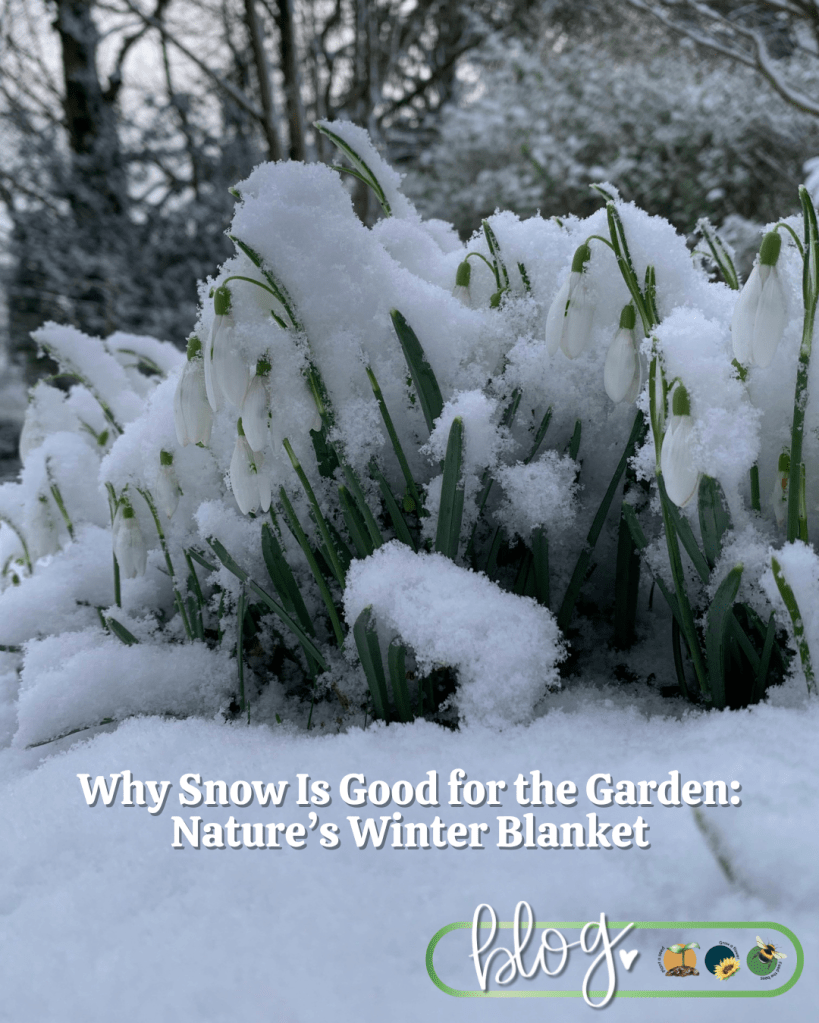
When snow falls, many gardeners look out at their beds with concern, assuming growth has stopped and damage is inevitable. In reality, snow is one of Winter’s most valuable allies. Beneath its white surface, soil is being insulated, moisture conserved and plants quietly protected from harsher conditions. Rather than signalling an end to gardening, snow plays an important role in preparing the garden for the growing season ahead.
Snow acts as a natural mulch, shelters soil life and even allows for Winter sowing of certain plants. Understanding how snow works with your garden, rather than against it, can make Winter a productive and protective part of the gardening year. Unlike frost, snow is kinder to the garden, learn more about frost in your garden here: How to Protect Plants from Frost and Freezing Temperatures in the UK
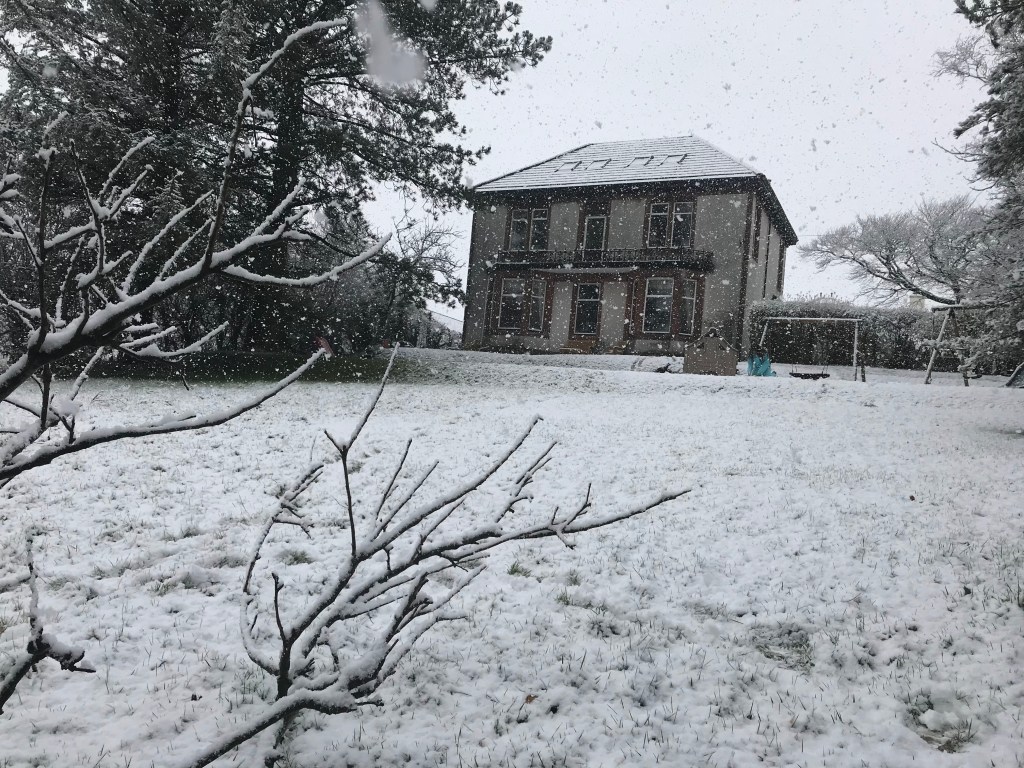
First few weeks we arrived in our home it snowed, kids had a wonderful time as we unpacked
Snow as Nature’s Mulch
Mulch is any material that covers soil to protect it, (we talk about mulch and soil health a lot here, head to the Mulching, Companion & Cover Crops category section to learn more). Snow is one of the most effective mulches available. Fresh snow is full of trapped air, which creates insulation between the cold air above and the soil below. Even during hard frosts, soil under snow often stays at a more stable temperature than exposed ground.
This insulation prevents deep freezing, reduces erosion caused by wind and Winter rain and protects plant roots from drying out. Bare soil, by contrast, can freeze solid, crack and lose structure, leaving roots vulnerable and soil life damaged.
Protection from Freeze–Thaw Damage
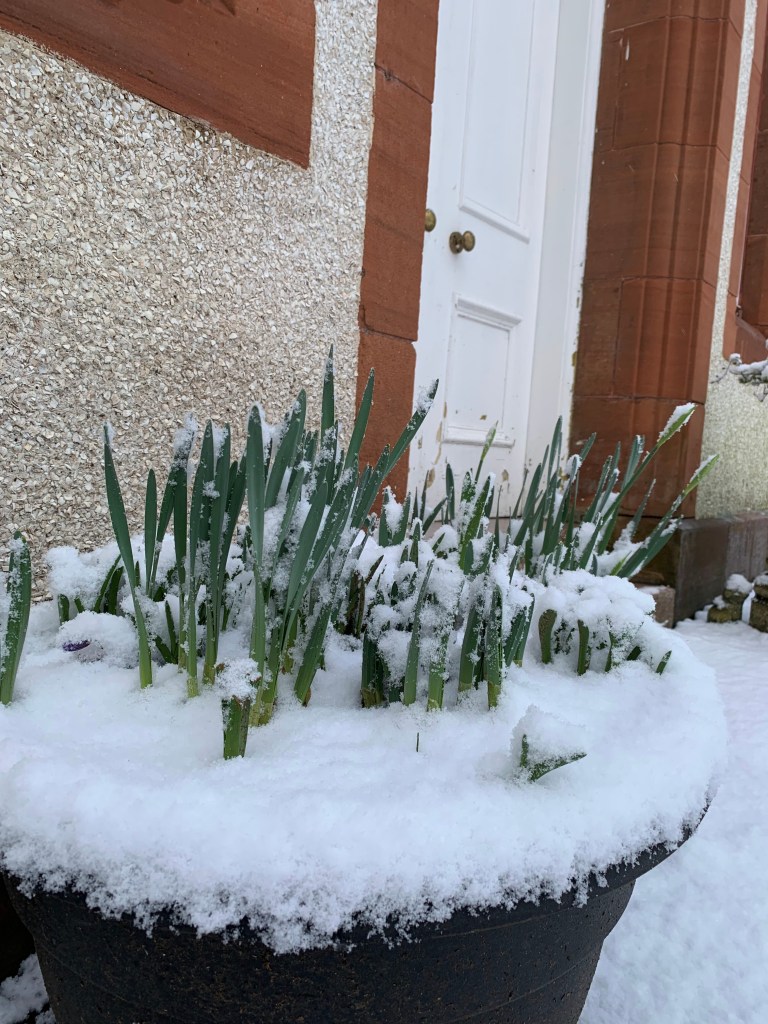
One of the greatest Winter threats to plants is not cold itself but repeated freezing and thawing. As soil freezes and expands, then thaws and contracts, plants can be physically pushed out of the ground in a process known as frost heave. Once exposed, roots are vulnerable to cold air and drying winds.
Snow helps prevent this by keeping soil temperatures steady. A consistently cold environment is far less damaging than fluctuating conditions. Perennials, bulbs, and young plants are far safer under a layer of snow than in bare, exposed beds.
Snow Preserves Soil Moisture
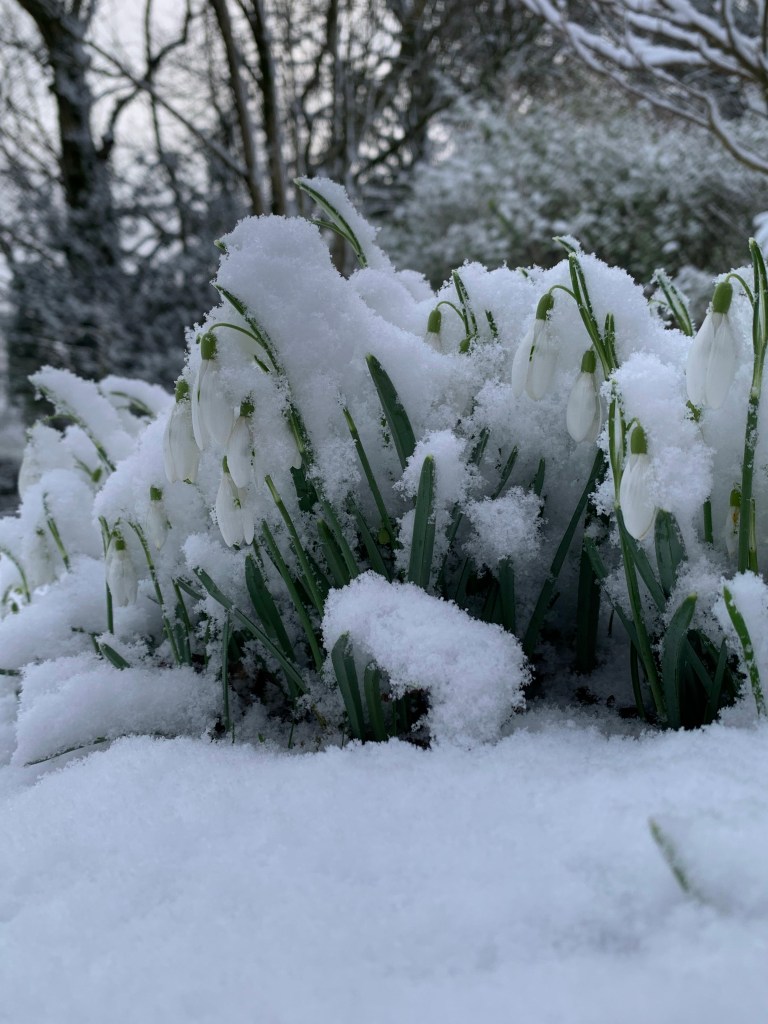
Winter rain often runs straight off frozen or compacted soil, carrying nutrients away with it. Snow behaves very differently. As it melts slowly, water is absorbed evenly into the soil, rehydrating it without washing nutrients away.
By Spring, gardens that retained snow cover often have better moisture levels and healthier soil structure. This slow release of water supports early growth and reduces stress on plants as the growing season begins.
Snow Protects Soil Life
Healthy soil is alive with bacteria, fungi, insects and earthworms that support plant growth year round. Snow protects this underground ecosystem by preventing soil from freezing too deeply. Without snow, beneficial organisms are forced deeper into the soil or killed by extreme cold.
Soils protected by snow tend to warm more evenly in Spring, allowing microbial activity to resume sooner. This means nutrients become available earlier, roots establish more quickly, and plants benefit from healthier soil overall.
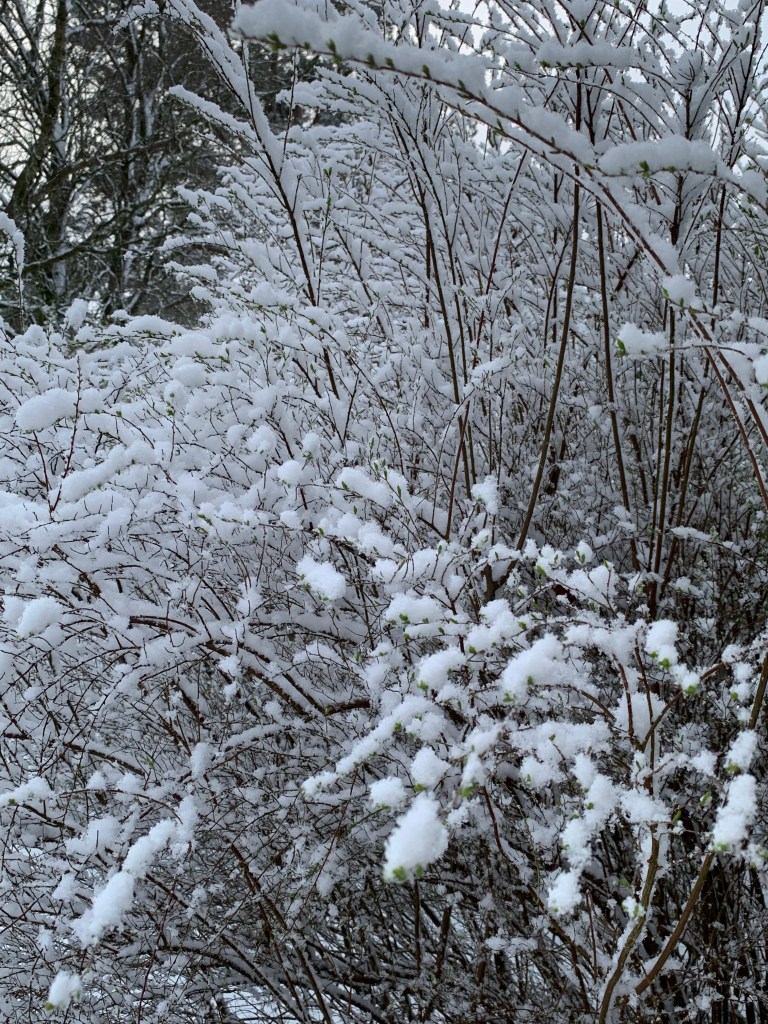
Snow and Plants: A Surprisingly Good Relationship
Many garden plants evolved in climates where snow cover was normal. Bulbs, alpine plants, woodland perennials, meadow flowers, shrubs and even seedlings often survive Winter better under snow than exposed to cold winds and temperature swings.
Snow acts as a shield against dehydration, particularly in Winter when frozen ground prevents plants from taking up water. Even plants that look delicate often cope better under snow than in open, wind scoured beds.
Snow Mulching: Working With What You Have
Snow mulching simply means allowing snow to accumulate naturally over garden beds rather than clearing it away. Leaving plant stems standing helps trap snow, while organic mulches such as leaves or compost beneath snow add an extra layer of insulation.
In vegetable gardens, undisturbed, snow covered beds are protected from compaction and erosion. Come Spring, these beds are often easier to work and more fertile than those left exposed all winter.
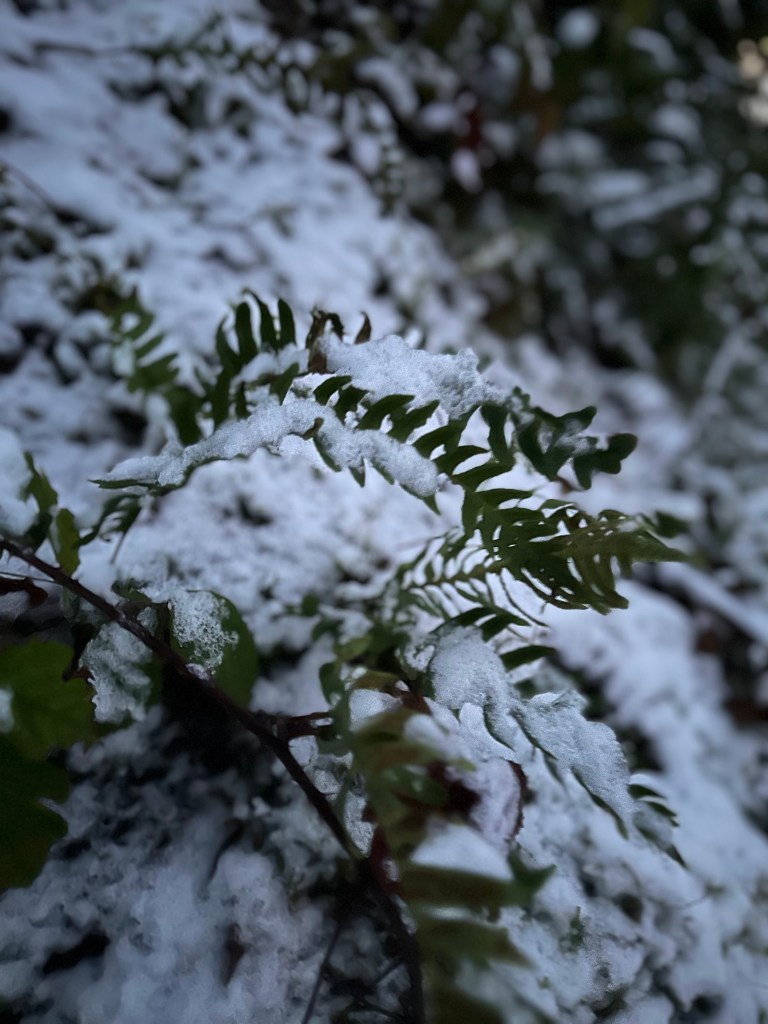
Can You Plant in the Snow? Yes—And It Works
Snow creates a unique opportunity for winter sowing. Many plants naturally drop seed in Autumn or Winter and rely on cold conditions to trigger germination. Snow sowing mimics this natural process.
Seeds sown onto snow do not germinate immediately. Instead, they remain dormant until temperature, moisture and light conditions are right in Spring. The snow simply positions them perfectly in the soil.
Poppies: A Perfect Plant for Snow Sowing
Poppies are among the best plants to sow directly onto snow. They need cold to germinate, dislike transplanting, and require light for successful sprouting. Sprinkling poppy seeds over a light layer of snow allows melting snow to draw them gently into the soil without burying them too deeply.
In Spring, poppies emerge naturally and often perform better than those sown later or started indoors.
Other Plants You Can Snow Sow
Many hardy annuals, perennials and wildflowers respond well to snow sowing, including calendula, nigella, cornflowers, larkspur, foxglove, lupins, yarrow, echinacea, and native wildflowers. In milder Winters, vegetables such as spinach, kale, lettuce, peas, and parsnips can also be sown this way.
Plants grown through Winter sowing often develop stronger roots, greater resilience and improved tolerance to dry conditions.
When Snow Causes Problems in the Garden
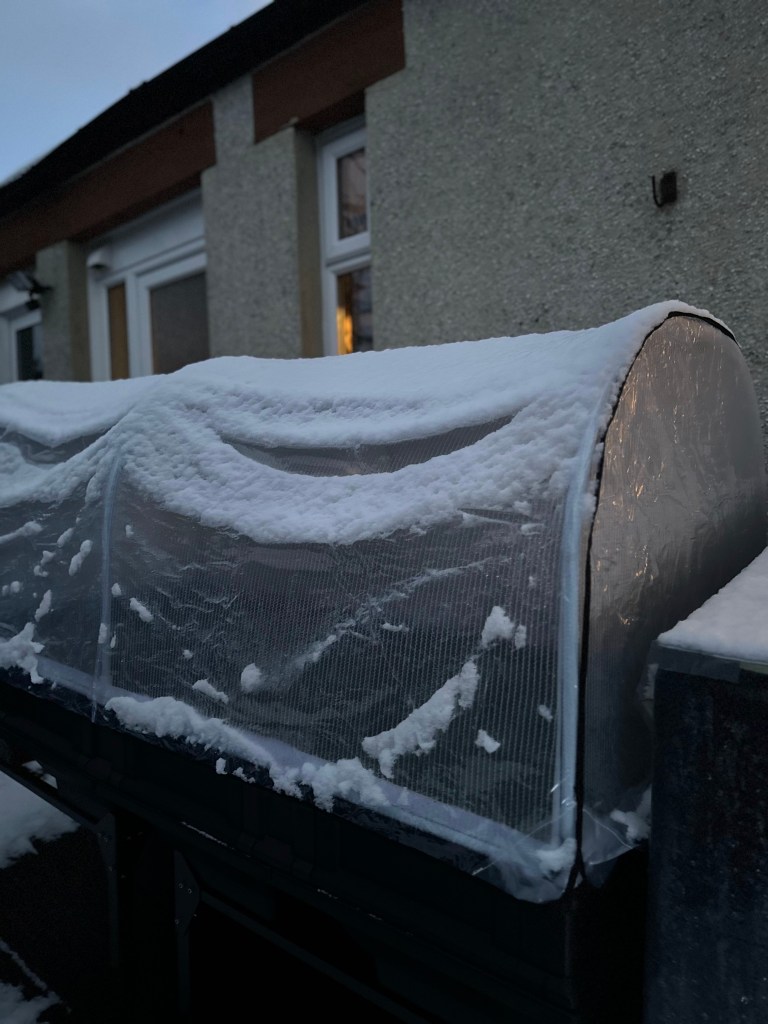
While snow is mostly beneficial, problems arise when it becomes heavy or icy. Wet snow can strain netting, bend hoops and damage polytunnels or greenhouses causing them to collapse and break. Regularly brushing snow off structures with a soft broom and ensuring covers are tight helps prevent collapse.
Trees and shrubs may need snow gently brushed away to prevent broken branches, particularly evergreens. Water butts and outdoor pipes can freeze and crack if not insulated or drained, so Winter preparation is essential.
Light snow on beds should usually be left in place to protect soil and plants. Intervention is only needed when snow becomes heavy on structures or ice creates safety hazards. Knowing when to step in—and when to leave nature alone—allows you to keep snow’s benefits while avoiding damage.
Preparing for Snow Before It Falls
Most snow related problems are easy to avoid with simple preparation. Securing netting, insulating water systems, tightening polytunnel covers and planning Winter access routes all reduce risk. Keeping tools handy for gentle snow removal makes Winter maintenance quick and safe.
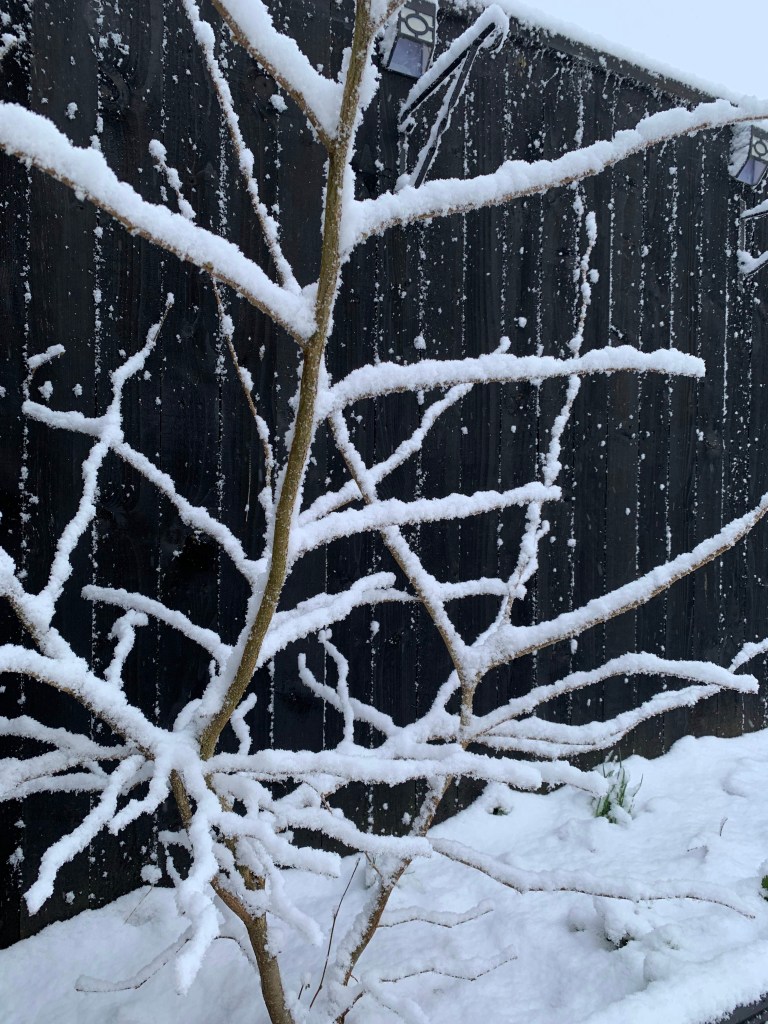
Embracing the Winter Garden
Snow is not a pause in gardening but part of the process. It feeds the soil, shelters plants, and quietly prepares the garden for the season ahead. When snow falls, let it lie where it helps, intervene only where necessary, and trust that beneath that Winter blanket, your garden is already working towards Spring.
Happy gardening.


Follow Us Across Our Socials
Katrina & Clayton and family live in East Ayrshire and share their daily life in the garden on instagram. They practice permaculture principles in the garden, reducing & repurposing waste whenever they can. Katrina shows how home educating in nature has helped Clayton thrive.
Clayton Completed The 2 Grow and Learn Courses with the Royal Caledonian Horticultural Society. He is Autistic, Non Verbal & has been Home Educated since 2018. Katrina & Peter hold their PDC & PDC PRO Permaculture Design Course from Oregon State University.
They featured on BBC Beechgrove Gardens Ep23 2022 and returned in 2023 for an update, Katrina & Clayton are also columnists for ScotlandGrows Magazine, Guest Blog for Caledonian Horticulture as well as working with Gardeners’ World Magazine and many other brands.
They are also Author of the new Children’s Book Series: Clayton’s Garden Journey: Stories of Autism and Gardening. Topics on Growing, Harvesting, Sowing & Composting and 108 Page Weather and Seasons Weekly Gardening Record Book available on Amazon and Kindle.
Listen in on their Guest Podcasts to learn more about them.
Get Weekly Blogs Straight To Your Inbox
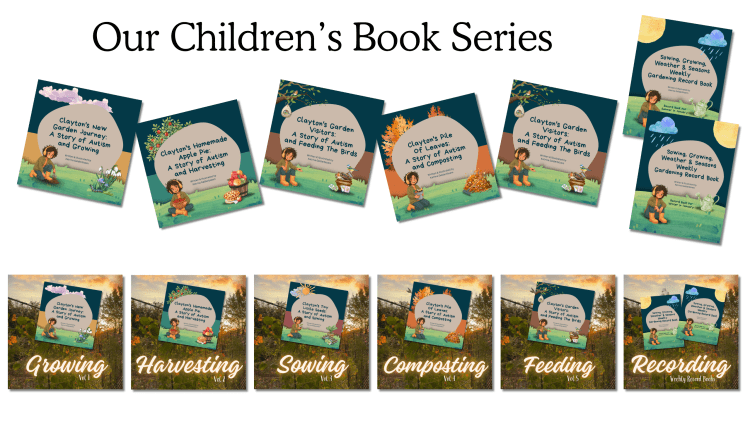
Our Children’s Book Series
Author of the new children’s book series: Clayton’s Garden Journey: Stories of Autism and Gardening. Including Stories on Growing, Harvesting, Sowing, Composting, Feeding The Birds and A Sowing, Growing, Weather and Seasons Weekly Gardening Record Book available on Amazon and Kindle

Visit Our Print On Demand Stores
Redbubble Store – Worldwide! 200+ garden & nature-inspired designs on coasters, phone covers, tote bags, mouse mats and so much more. Perfect for plant lovers, gardeners and anyone who wants to bring a touch of the outdoors into everyday life

Discover more from Building a Food Forest -Scotland
Subscribe to get the latest posts sent to your email.
