
Get Weekly Blogs Straight To Your Inbox
Perennials & Long Term Plants to Plant: Fruit, Vegetables & Edible Flowers for a Productive Garden
While many people focus on sowing annual crops at this time of year, March is also ideal for establishing perennials and long term plants. These are the backbone of a resilient, lower maintenance and highly productive garden. By planting fruit bushes, perennial vegetables and edible flowers now, you’re making an investment that will pay off for years to come.
FRUIT BUSHES
Fruit bushes planted in early Spring have time to establish strong root systems before Summer growth begins in earnest. March is particularly well suited to planting bare root varieties across Scotland.
Strawberries & Alpine Strawberries although technically short lived perennials, crop reliably for three to five years before needing replacement. They thrive in cooler Summers, tolerate light frosts and perform well in raised beds or containers. Good drainage is essential, especially in wet Springs, so incorporating compost and ensuring the soil doesn’t become waterlogged will help prevent rot.

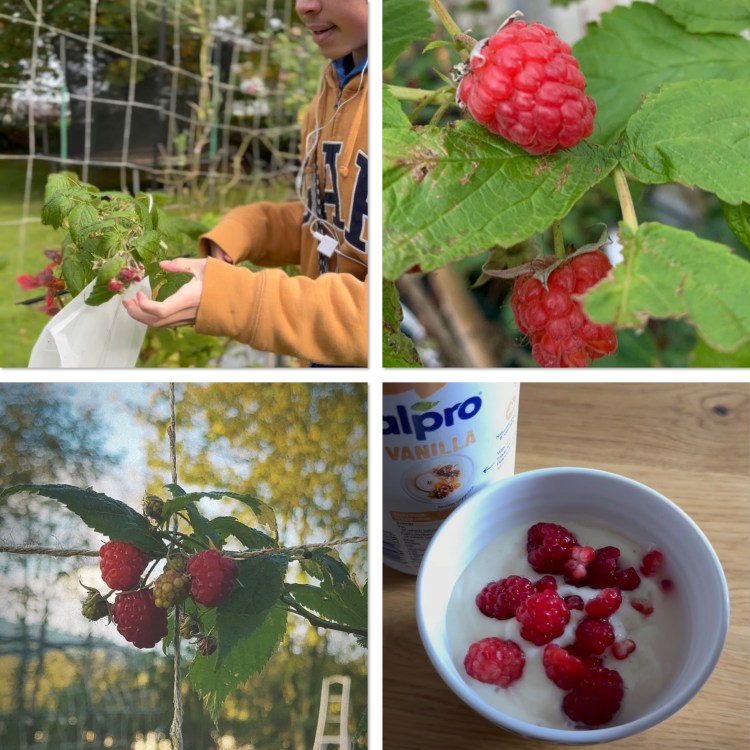
Raspberries are exceptionally well suited to Scotland’s climate. Both Summer fruiting and Autumn fruiting varieties perform reliably, producing generous harvests once established. Planting bare root canes in March while they are still dormant allows them to settle quickly. We’ve added so many varieties to our garden over the years, but only a few come out strong, so we replaced the ones that didn’t do well with these.
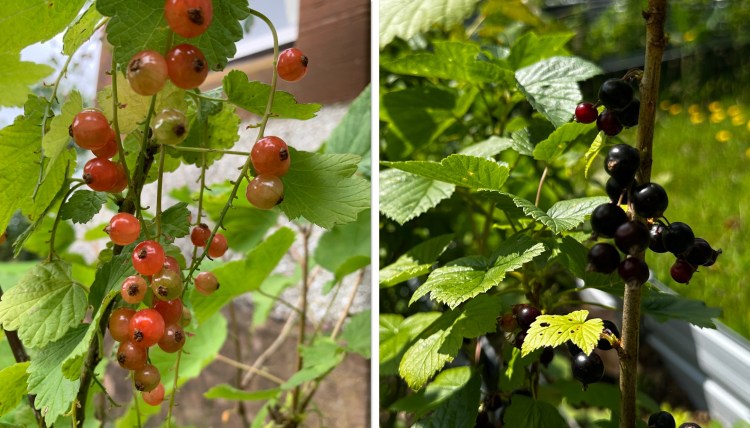
Blackcurrants & Redcurrants are another excellent choice for gardens. They thrive in cooler climates and are among the easiest fruit bushes to grow. March planting ensures they establish before new growth begins. They tolerate partial shade and slightly wetter soils better than many other fruits, making them particularly suitable for typical Scottish conditions. Once mature, they are highly productive and rich in vitamin C, perfect for jams, cordials, and freezing.
Gooseberries, often overlooked, are incredibly productive and well adapted to cooler temperatures. They cope well with heavier soils and reward minimal care with abundant crops. Plant bare root bushes in March and prune thoughtfully to encourage good airflow and healthy growth.
Perennial Vegetables
Perennial vegetables are often under appreciated, yet they provide dependable harvests year after year with far less effort than annual crops.
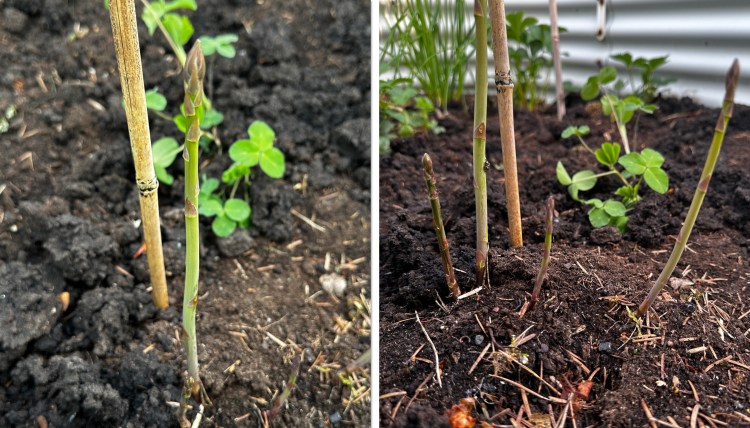
Asparagus is perhaps the ultimate long term investment. Planting crowns in March can yield harvests for twenty years or more. While patience is required, with only light picking recommended from the third year the reward is a reliable Spring delicacy. Well drained soil and a sunny site are important, and choosing early varieties helps maximise Scotland’s shorter growing season.
Rhubarb thrives in cool climates and often performs better than in warmer regions. Plant crowns into rich, moisture retentive soil in March and allow them to establish without harvesting in the first year. Once mature, rhubarb plants are extremely hardy and can remain productive for a decade or more with minimal care. Their bold foliage also adds structure and visual interest to the garden.

Perennial kale, such as Daubenton’s variety, offers leafy greens year round without the need for re-sowing. Hardy and resistant to bolting, it can be planted in once the harshest frosts have passed. Unlike annual kale, these plants continue producing for years, making them a valuable addition to any low maintenance edible garden.
Globe artichokes can also thrive in milder or sheltered parts of Scotland, particularly in coastal areas. Plant them in March in well drained soil and consider Winter protection in colder inland regions. Even in years when cropping is lighter, their architectural presence and striking flowers make them worthwhile additions to the garden.
Edible Perennial Flowers
Edible perennial flowers bring both colour and biodiversity while offering culinary possibilities.
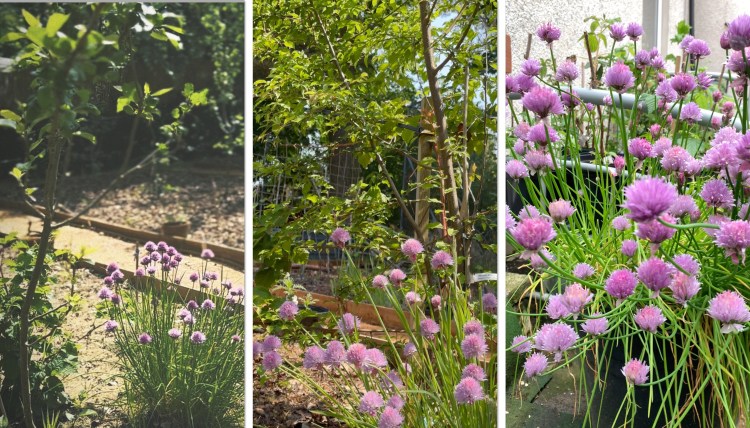
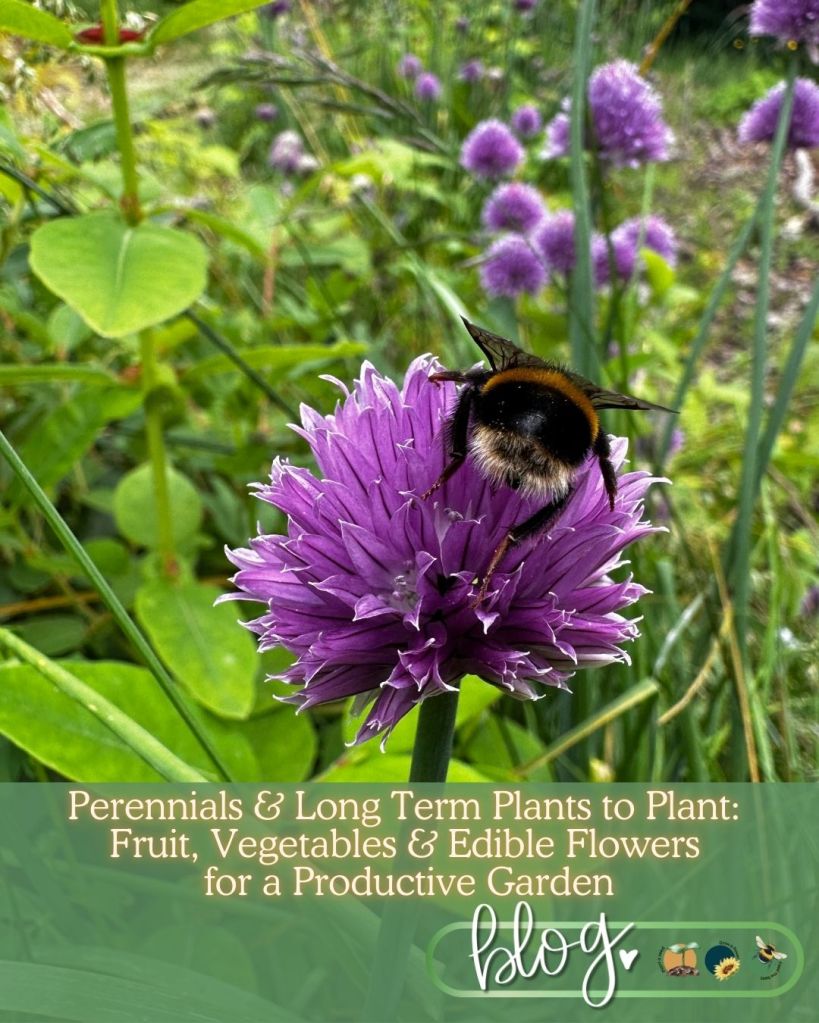
Chives & Garlic Chives are among the most reliable choices, returning year after year with minimal effort. Plant them in March in open ground or containers. Their purple and white flowers attract pollinators and add a delicate onion flavour to salads and savoury dishes.
Sorrel is another underused perennial, its tangy, lemon flavoured leaves appear early in the season and require very little attention. Once established, it provides fresh greens at a time when little else is ready to harvest.
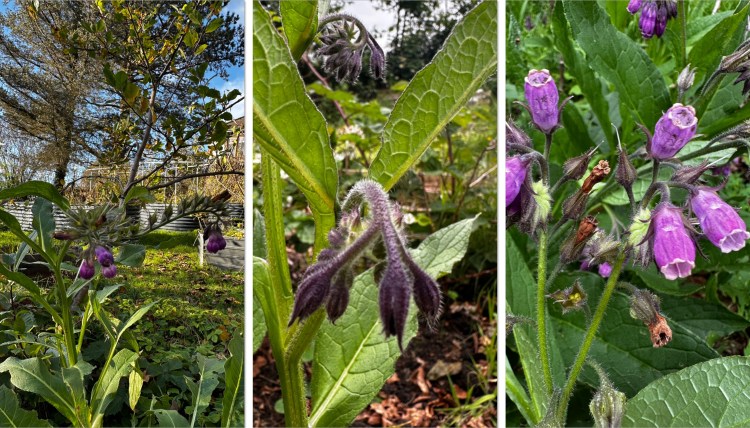
Comfrey is a hardy, fast growing plant with big leafy foliage that returns reliably year after year. While it isn’t usually eaten, comfrey earns its place in the garden in other ways. Its deep roots pull nutrients up from the soil, making the leaves perfect for homemade fertiliser or mulch around fruit and vegetable plants. The pretty purple flowers are also loved by bees and other pollinators, bringing life and movement to the garden throughout the growing season. Once established, comfrey needs very little attention and quietly becomes one of the most helpful plants you can grow.
Right now, the soil is workable yet moist, reducing transplant shock and encouraging strong root development before peak growth begins. Improving drainage in heavy clay soils, incorporating generous organic matter, mulching well and protecting young plants from late frosts will all increase your chances of success.
Over time, perennials transform a garden from a constant cycle of sowing and replanting into a maturing ecosystem. They reduce yearly workload, improve soil structure, provide earlier harvests, and create greater resilience against unpredictable weather. As the years pass, the garden becomes more productive with less effort.
March is your opportunity to build that foundation. By stepping outside now and investing in fruit bushes, perennial vegetables and edible flowers, you’re creating a garden that will reward you not just this season, but for many seasons to come. Perennials are not only practical, they are transformational.
Happy Gardening!

Follow Us Across Our Socials
Katrina & Clayton and family live in East Ayrshire and share their daily life in the garden on instagram. They practice permaculture principles in the garden, reducing & repurposing waste whenever they can. Katrina shows how home educating in nature has helped Clayton thrive.
Clayton Completed The 2 Grow and Learn Courses with the Royal Caledonian Horticultural Society. He is Autistic, Non Verbal & has been Home Educated since 2018. Katrina & Peter hold their PDC & PDC PRO Permaculture Design Course from Oregon State University.
They featured on BBC Beechgrove Gardens Ep23 2022 and returned in 2023 for an update, Katrina & Clayton are also columnists for ScotlandGrows Magazine, Guest Blog for Caledonian Horticulture as well as working with Gardeners’ World Magazine and many other brands.
They are also Author of the new Children’s Book Series: Clayton’s Garden Journey: Stories of Autism and Gardening. Topics on Growing, Harvesting, Sowing & Composting and 108 Page Weather and Seasons Weekly Gardening Record Book available on Amazon and Kindle.
Listen in on their Guest Podcasts to learn more about them.
Get Weekly Blogs Straight To Your Inbox
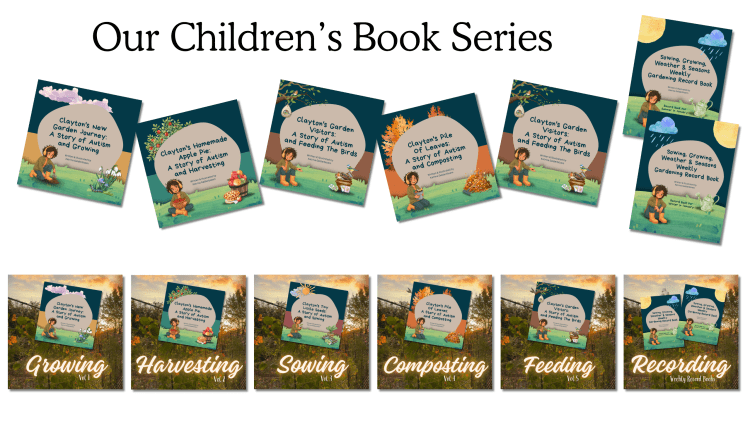
Our Children’s Book Series
Author of the new children’s book series: Clayton’s Garden Journey: Stories of Autism and Gardening. Including Stories on Growing, Harvesting, Sowing, Composting, Feeding The Birds and A Sowing, Growing, Weather and Seasons Weekly Gardening Record Book available on Amazon and Kindle
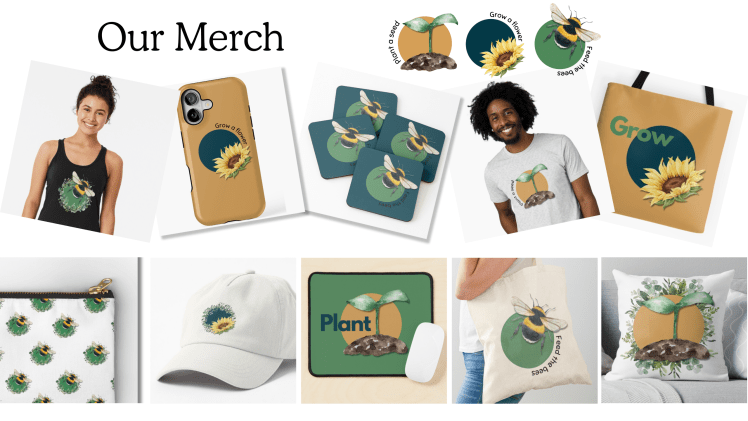
Visit Our Print On Demand Stores
Redbubble Store – Worldwide! 200+ garden & nature-inspired designs on coasters, phone covers, tote bags, mouse mats and so much more. Perfect for plant lovers, gardeners and anyone who wants to bring a touch of the outdoors into everyday life

Discover more from Building a Food Forest -Scotland
Subscribe to get the latest posts sent to your email.
