
Get Weekly Blogs Straight To Your Inbox

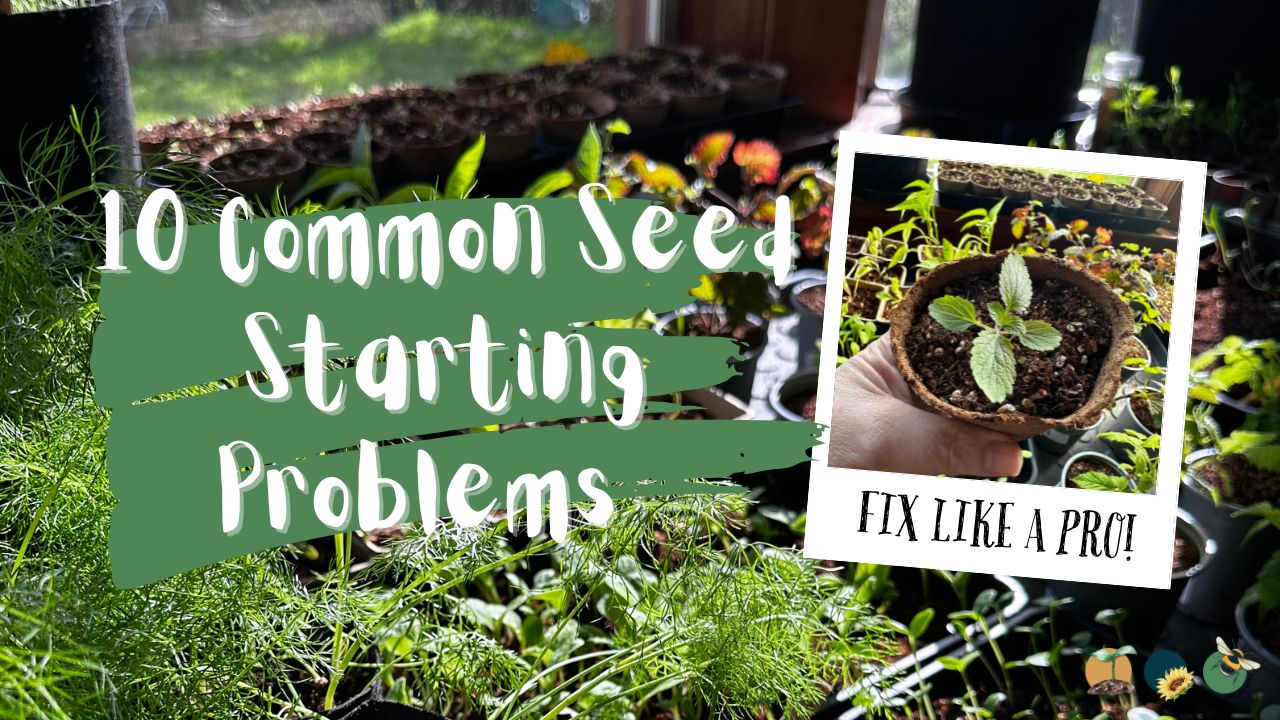
10 Common Seed Starting Problems (and How to Fix Them Like a Pro)
Starting seeds is one of the biggest parts of gardening. There’s something deeply satisfying about watching life emerge from something so small and seemingly lifeless. But if you’ve ever tried growing from seed, you’ll know it’s not always smooth sailing. Seeds fail to germinate, seedlings collapse overnight or you end up with weak, spindly plants that never quite thrive.
The truth is, most seed starting problems come down to a handful of common mistakes. The good news? Once you understand what’s going wrong, they’re all fixable.
Here are the 10 most common seed starting problems and how to solve them so you can grow strong, healthy plants from the very beginning.
1. Weak Seedlings
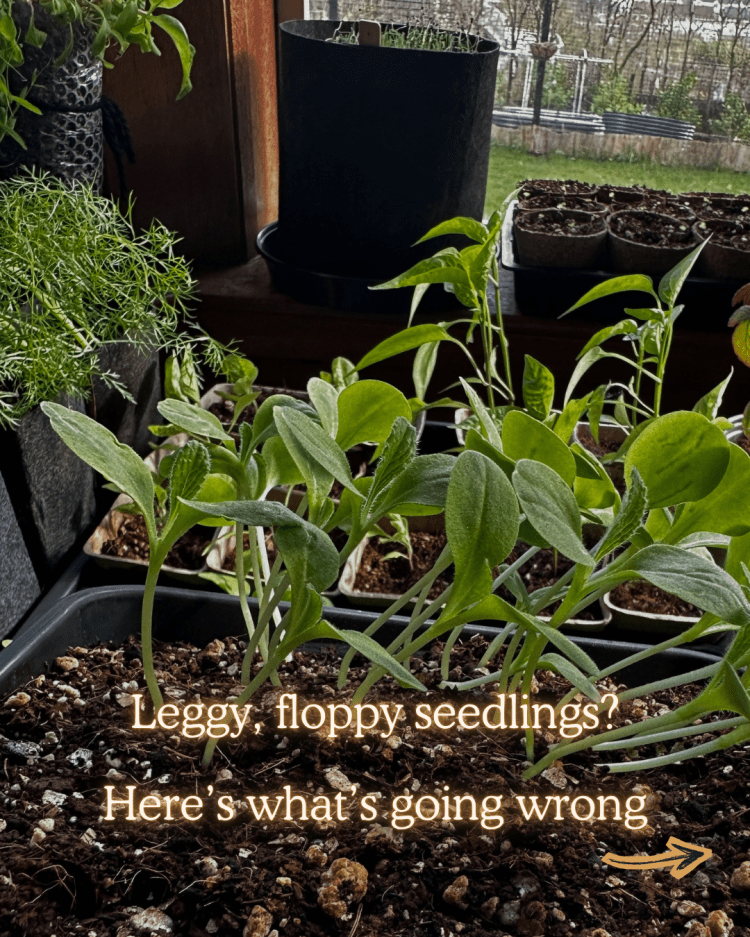
“Is your seedling army flopping over? Too deep sowing.”
One of the most frequent beginner mistakes is sowing seeds too deeply. It feels intuitive to bury them well, but in reality, most seeds need very little soil covering them. When planted too deep, seedlings struggle to reach the surface, exhausting their energy reserves before they ever see light.
The result? Weak, floppy seedlings that collapse under their own weight.
Why It Happens
Seeds contain just enough stored energy to germinate and push upward. If they’re buried too far, they run out of fuel before they can establish themselves.
How You Can Fix It
Follow a simple rule: sow seeds at a depth of about twice their width. Tiny seeds should often be sown on the surface with just a light dusting of compost.
After sowing, gently firm the soil, not compact it to ensure good seed-to-soil contact without suffocating the seed.
2. No Germination
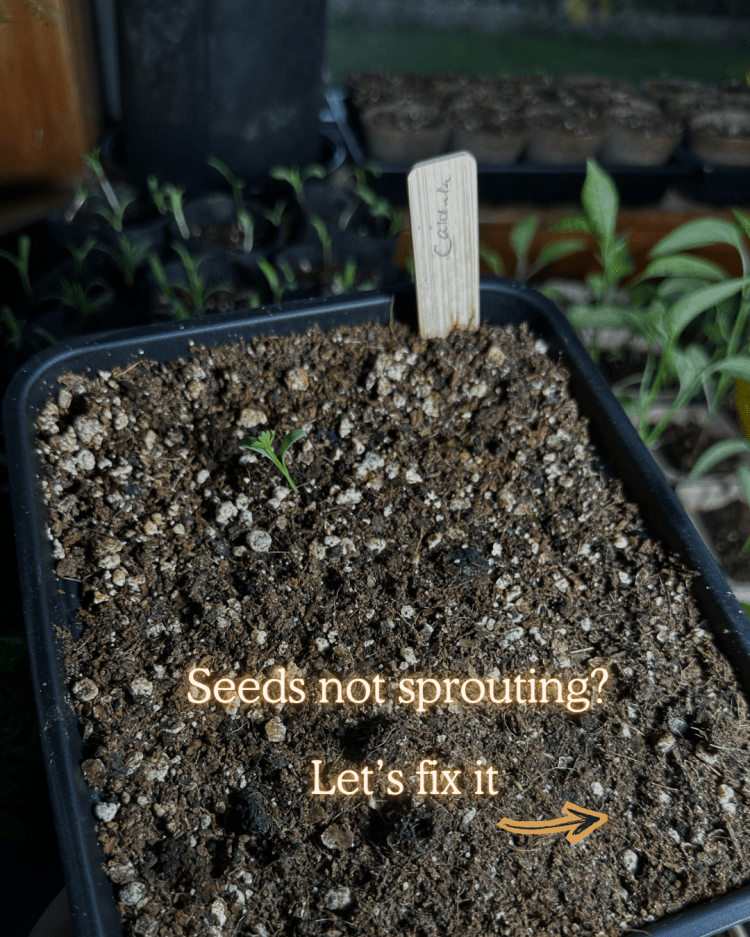
“Seeds vanishing? Old seeds or soggy soil”
Few things are more frustrating than waiting… and waiting… and seeing nothing happen.
When seeds fail to germinate, the issue is usually either poor seed quality or incorrect moisture levels.
Why It Happens
Old seeds lose viability over time
Over watering causes seeds to rot before they sprout
Under watering prevents the germination process entirely
Too deep seeds buried too deep, some need light to germinate
How You Can Fix It
Start by testing seed viability. Place a few seeds between damp paper towels and see if they sprout within the expected timeframe.
Use fresh, sterile compost and aim for soil that is moist but not wet, think of a wrung out sponge. Avoid water logging at all costs and check light germination needs.
3. Damping Off
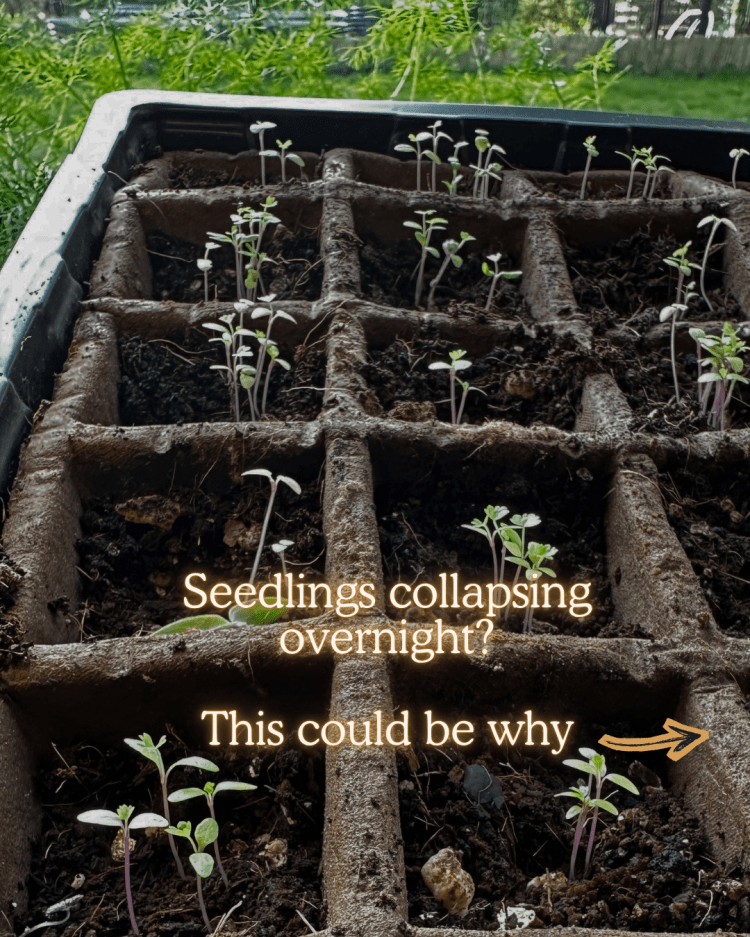
“Seedlings rotting at base? Fungus strikes.”
Damping off is the silent killer of seedlings. One day your plants look fine; the next, they’ve collapsed at the base, as if cut down overnight.
Why It Happens
This is caused by soil borne fungi thriving in damp, stagnant conditions. Once it appears, it spreads quickly.
How You Can Fix It
Prevention is everything:
Ensure good airflow around seedlings
Avoid overcrowding
Bottom water instead of watering from above
Always sterilise trays and tools before use
Once damping off starts, affected seedlings rarely recover, so focus on stopping it before it begins. Check our our You Tube video: How To Stop Mould In Your Toilet Roll Tubes When Growing Seeds In Them
4. Leggy Growth
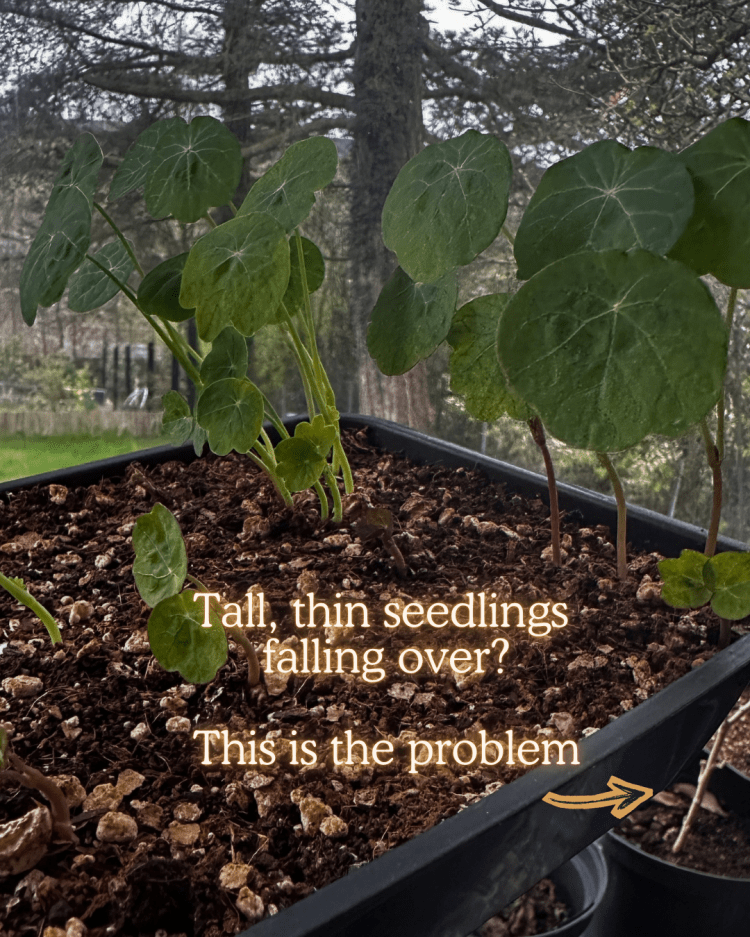
“Tall, spindly babies? Light starvation.”
If your seedlings are stretching upward, thin and fragile, they’re not thriving, they’re desperate.
Why It Happens
Seedlings stretch toward light when they don’t get enough of it. This rapid vertical growth results in weak stems that can’t support the plant.
How You Can Fix It
Provide 12–16 hours of bright light daily. A sunny windowsill may not be enough, especially in early spring, consider using grow lights. More details in this blog: The Importance of Seed Starting with Heat Mats and Grow Lights
Also, rotate trays daily so plants grow evenly instead of leaning in one direction. Our You Tube Video: How To Stop Leggy Seedlings With A DIY Foil Seedling Backdrop On The Windowsill
5. Uneven Sprouts
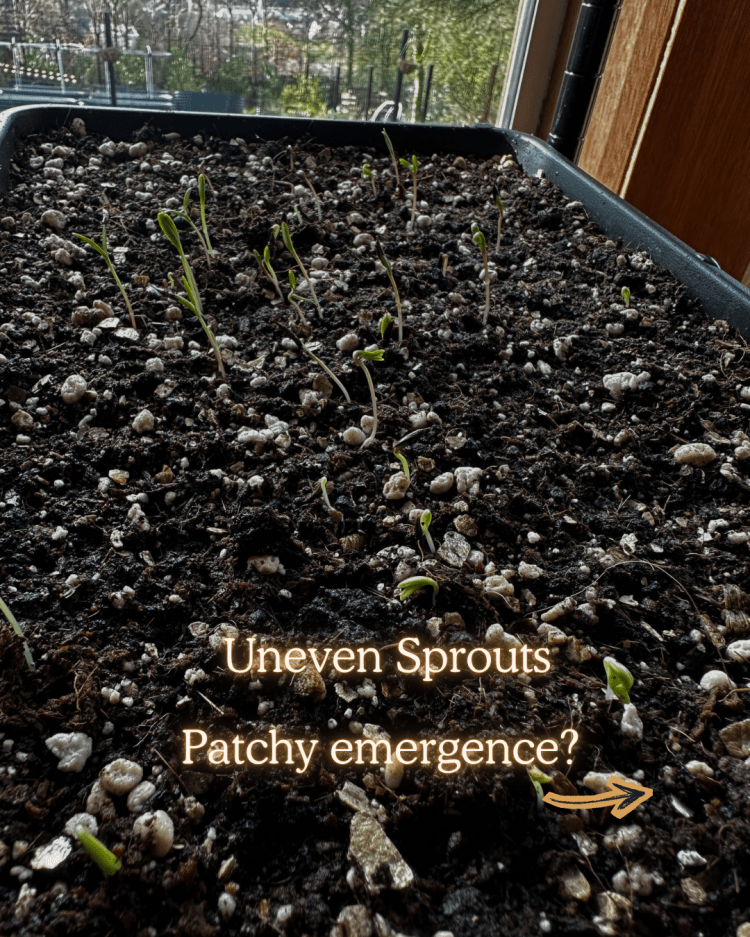
“Patchy emergence? Temperature swings.”
Some seeds sprout quickly, others lag behind…or never show up at all. Uneven germination can leave you with inconsistent plants that are hard to manage.
Why It Happens
Temperature fluctuations disrupt the germination process. Seeds prefer stable conditions, and swings between warm and cold slow or prevent sprouting.
How You Can Fix It
Maintain a steady temperature between 18–24°C for most seeds.
If your environment is cool, a heat mat can make a dramatic difference. Consistency is key, avoid placing trays near drafts or radiators. More details in this blog: The Importance of Seed Starting with Heat Mats and Grow Lights
6. Poor Rooting
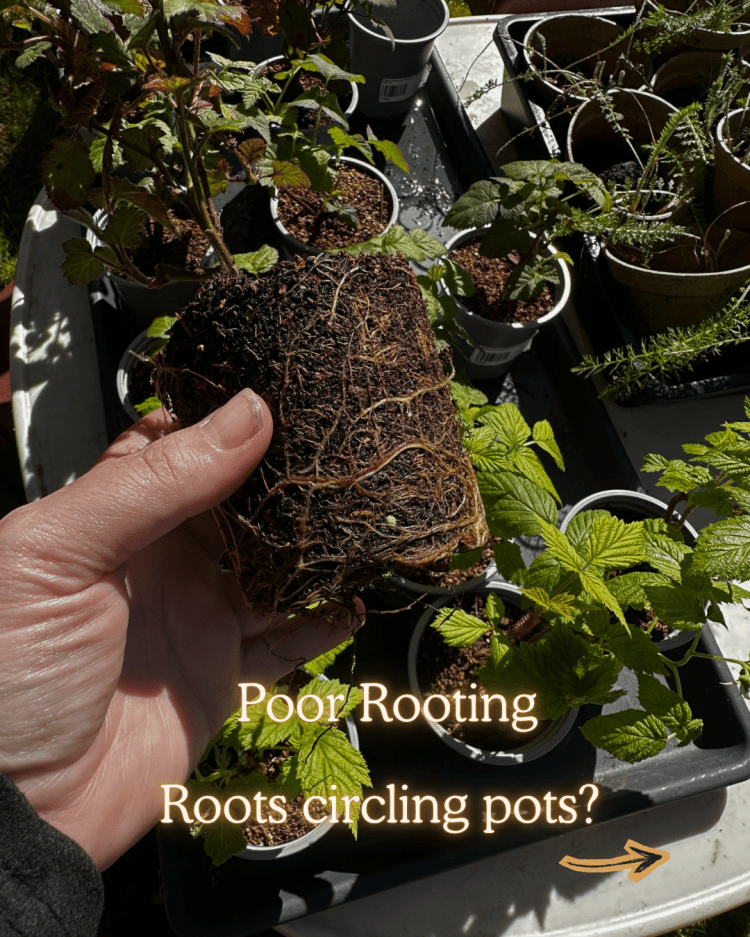
“Roots circling pots? Wrong mix.”
Healthy roots are the foundation of strong plants. If roots are weak, tangled or circling the pot, the plant’s growth will be stunted.
Why It Happens
Heavy or compacted soil restricts root development. Roots need air as much as they need water.
How You Can Fix It
Use a light, finely sieved, peat free seed compost. It should be loose enough for roots to spread easily.
Avoid reusing garden soil for seed trays, it’s often too dense and can harbour pests and diseases and make sure you pot up when roots get too much.
7. Pest Invasion
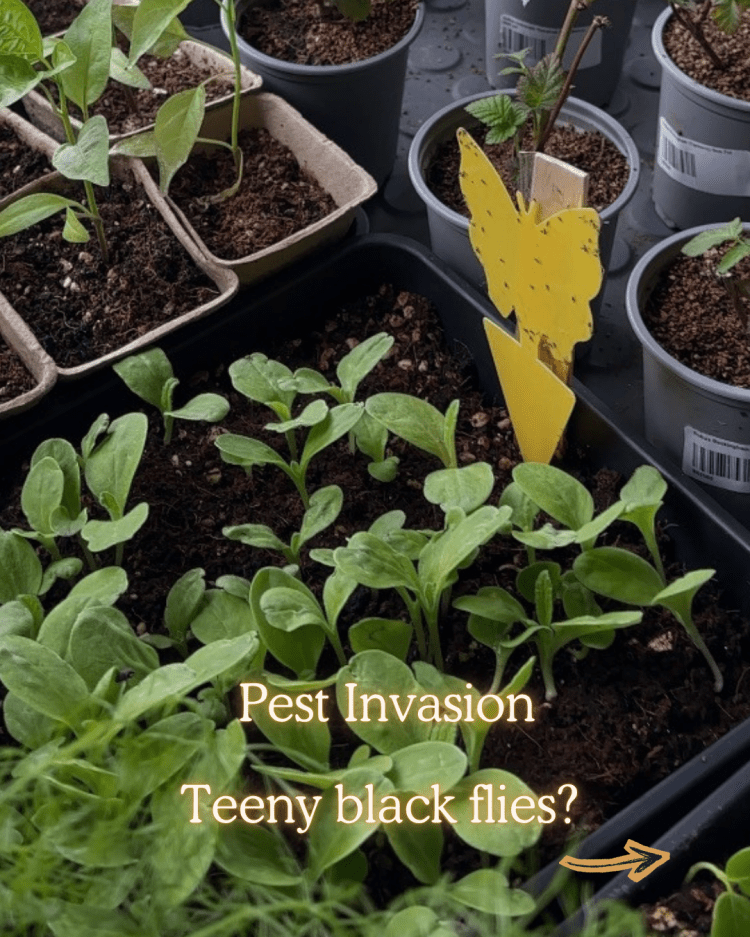
“Teeny black flies trays? Fungus gnats alert.”
Those tiny black flies hovering around your seedlings? They’re more than just annoying their fungus gnats, and their larvae can damage roots.
Why It Happens
Fungus gnats thrive in damp soil rich in organic matter. Overwatering creates the perfect breeding ground.
How You Can Fix It
Use sticky traps to catch adult flies
Introduce beneficial nematodes to control larvae
Let the top layer of soil dry out slightly between watering
Breaking their life cycle is the key to eliminating them.
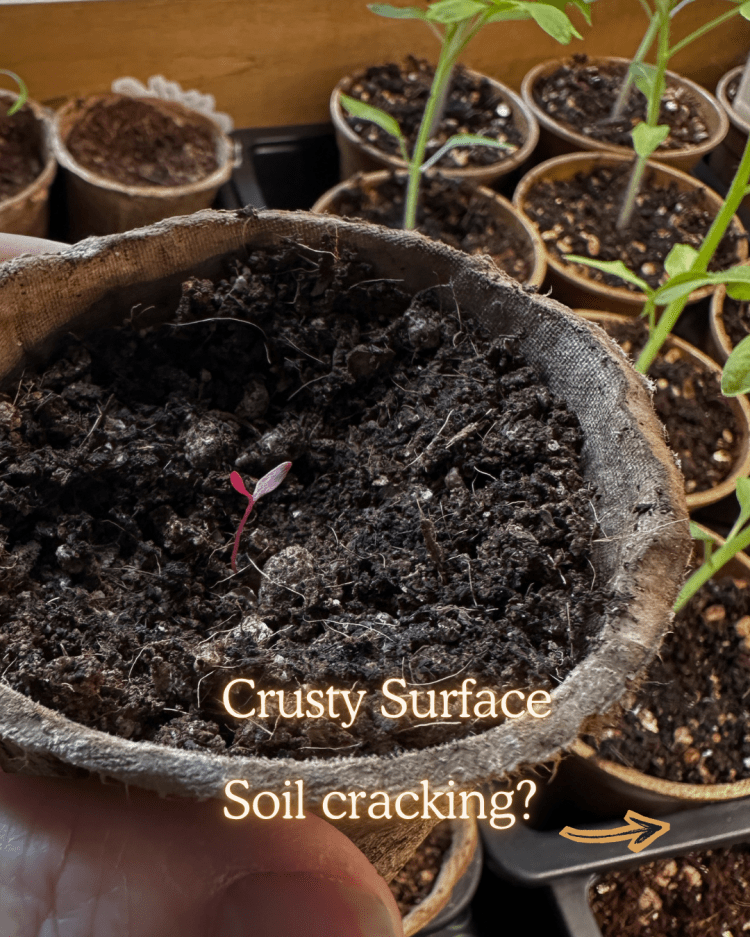
8. Crusty Surface
“Soil cracking? Over dry starts.”
A hard, crusty soil surface can block delicate seedlings from emerging.
Why It Happens
When soil dries out too much during germination, it forms a tough crust that seedlings struggle to penetrate.
How You Can Fix It
After sowing, cover trays with clingfilm or clear cover to retain moisture until sprouts appear.
Mist lightly rather than pouring water on top, which can compact the surface further.
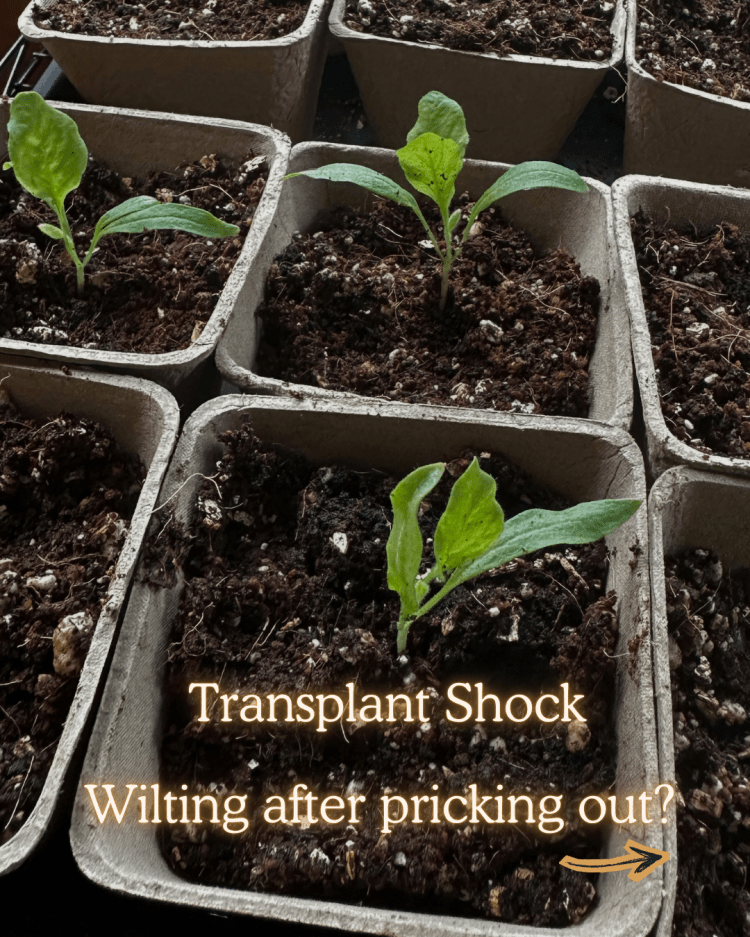
9. Transplant Shock
“Wilting after pricking out? Rough handling.”
You’ve carefully nurtured your seedlings, then they wilt dramatically after transplanting. What went wrong?
Why It Happens
Seedlings are fragile. Rough handling damages roots and stems, while sudden environmental changes stress the plant.
How You Can Fix It
Always handle seedlings by their leaves, not stems
Transplant into deep pots to encourage strong root systems
Harden off gradually before moving plants outdoors
Think of transplanting as a transition, not a sudden move.
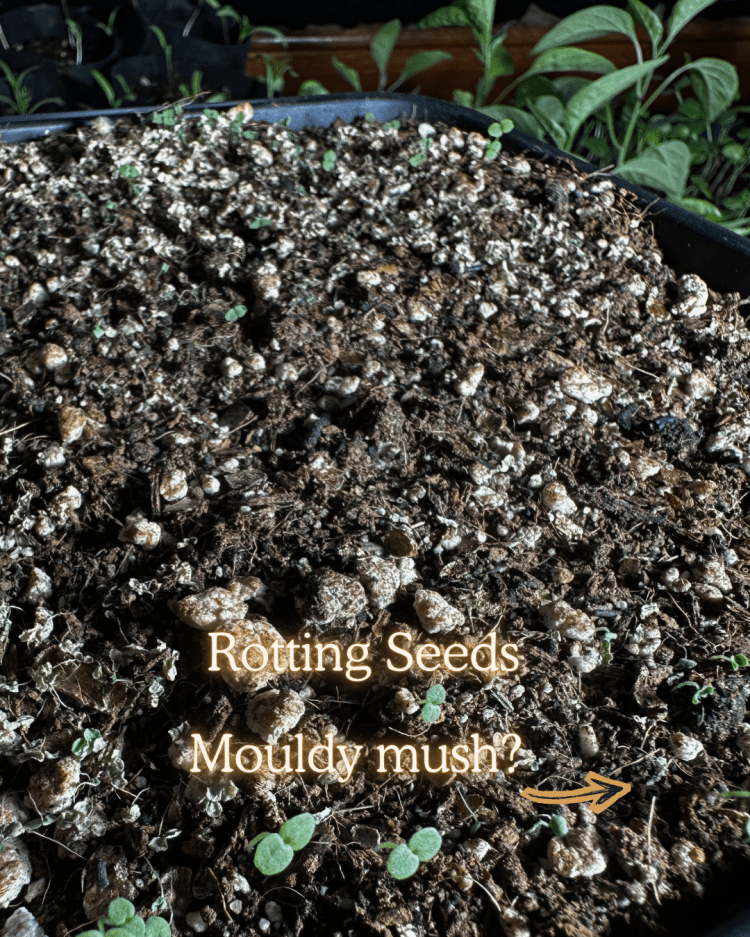
10. Rotting Seeds
“Mouldy mush? Excess water doom”
If your seeds turn into a soggy, mouldy mess, overwatering is almost certainly the culprit.
Why It Happens
Seeds need oxygen to germinate. When soil is waterlogged, oxygen levels drop and seeds suffocate, leading to rot.
How You Can Fix It
Use pots with proper drainage holes
Always water from below to avoid saturating the surface
Let excess water drain completely
Moist, not wet is the golden rule.
Bringing It All Together
Seed starting isn’t about perfection, it’s about balance. Every stage of early plant life is a delicate interplay of moisture, light, temperature and care.
The encouraging part is that these problems are not random. Once you recognise the signs, you can quickly adjust your approach and get back on track.
If you’ve struggled with seeds before, you’re not alone. Even experienced gardeners run into these issues from time to time. The difference is that they know what to look for and how to respond.
Start simple. Pay attention. Adjust as you go.
Soon enough, instead of wondering why your seedlings are failing, you’ll be confidently raising strong, healthy plants from scratch.
And there’s nothing quite like that moment when your once tiny seedlings are thriving in the garden because you got the start right.
Happy Gardening!

Katrina & Clayton and family live in East Ayrshire and share their daily life in the garden on instagram. They practice permaculture principles in the garden, reducing & repurposing waste whenever they can. Katrina shows how home educating in nature has helped Clayton thrive.
Clayton Completed The 2 Grow and Learn Courses with the Royal Caledonian Horticultural Society. He is Autistic, Non Verbal & has been Home Educated since 2018. Katrina & Peter hold their PDC & PDC PRO Permaculture Design Course from Oregon State University.
They featured on BBC Beechgrove Gardens Ep23 2022 and returned in 2023 for an update, Katrina & Clayton are also columnists for ScotlandGrows Magazine, Guest Blog for Caledonian Horticulture as well as working with Gardeners’ World Magazine and many other brands.
They are also Author of the new Children’s Book Series: Clayton’s Garden Journey: Stories of Autism and Gardening. Topics on Growing, Harvesting, Sowing & Composting and 108 Page Weather and Seasons Weekly Gardening Record Book available on Amazon and Kindle.
Listen in on their Guest Podcasts to learn more about them.
Get Weekly Blogs Straight To Your Inbox

Our Children’s Book Series
Author of the new children’s book series: Clayton’s Garden Journey: Stories of Autism and Gardening. Including Stories on Growing, Harvesting, Sowing, Composting, Feeding The Birds and A Sowing, Growing, Weather and Seasons Weekly Gardening Record Book available on Amazon and Kindle
Visit Our Print On Demand Stores
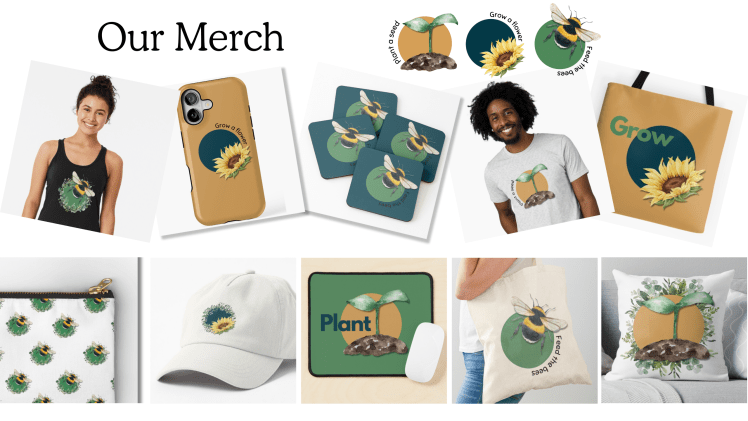
Redbubble Store – Worldwide! 200+ garden & nature-inspired designs on coasters, phone covers, tote bags, mouse mats and so much more. Perfect for plant lovers, gardeners and anyone who wants to bring a touch of the outdoors into everyday life

Discover more from Building a Food Forest -Scotland
Subscribe to get the latest posts sent to your email.
