
Get Weekly Blogs Straight To Your Inbox

10 Leaf Problems That Reveal Exactly What Your Plant Needs
If you want to become a better gardener, stop looking at your harvest and start looking at your leaves.
Long before plants fail, stop producing or collapse completely, they begin sending quiet signals through their foliage. Leaves are the first place problems show up, and they’re incredibly precise in what they reveal. Colour changes, texture shifts, curling, spotting none of it is random.
The difference between struggling gardeners and confident ones often comes down to this single skill: reading leaves early and responding correctly.
In the rapid growth phase of May, plants are putting on speed. They’re pulling nutrients, demanding water and reacting quickly to their environment. That means small imbalances show up fast, but it also means they’re easy to fix if you catch them early.
Here are ten of the most common leaf problems you’ll see in your garden, what they’re really telling you, and how to respond in a way that actually solves the issue.
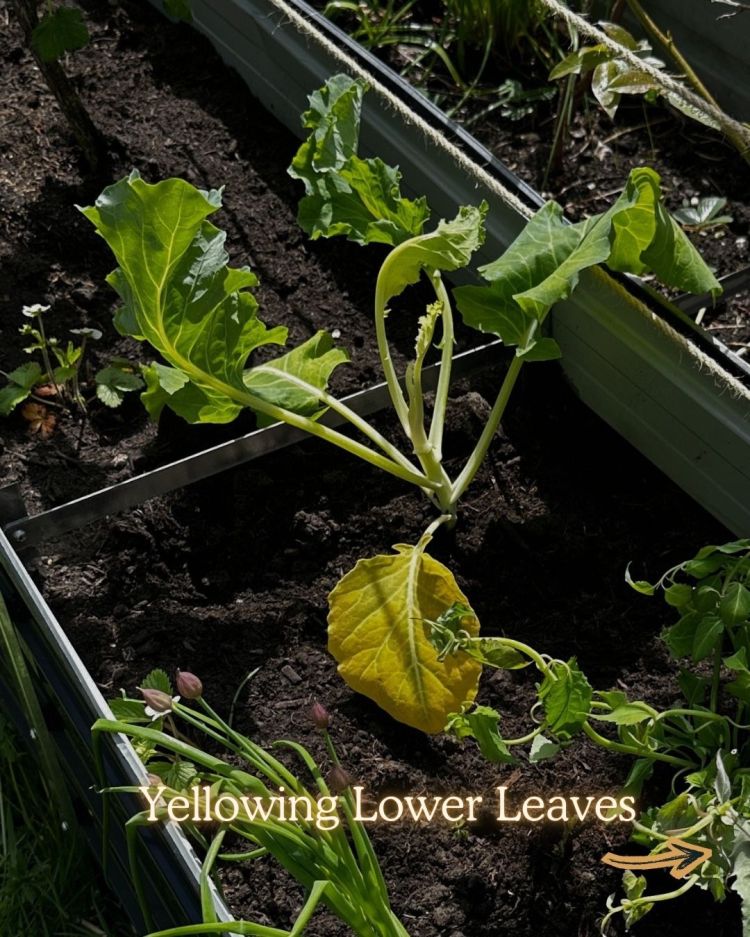
1. Yellowing Lower Leaves
One of the most common and misunderstood issues in the garden is yellowing leaves at the base of the plant. It often starts subtly, with older leaves fading from green to pale yellow before eventually dying off.
Why It Happens
This usually happens because the plant is lacking nitrogen. Nitrogen is a mobile nutrient, meaning when supplies are low, the plant redirects it from older leaves to support new growth. As a result, the lower leaves are sacrificed first.
It can also be triggered by heavy rain washing nutrients out of the soil, or by soil that lacks organic matter. This plant was delivered to us like this, it had got stuck in transit for several more days than expected so was struggling.
How You Can Fix It
To fix this, focus on rebuilding nitrogen levels in a steady, natural way. Adding compost is one of the best solutions, as it improves both fertility and soil structure. A balanced organic feed can also help, but avoid overcorrecting with high-nitrogen products, as this can create new problems later.
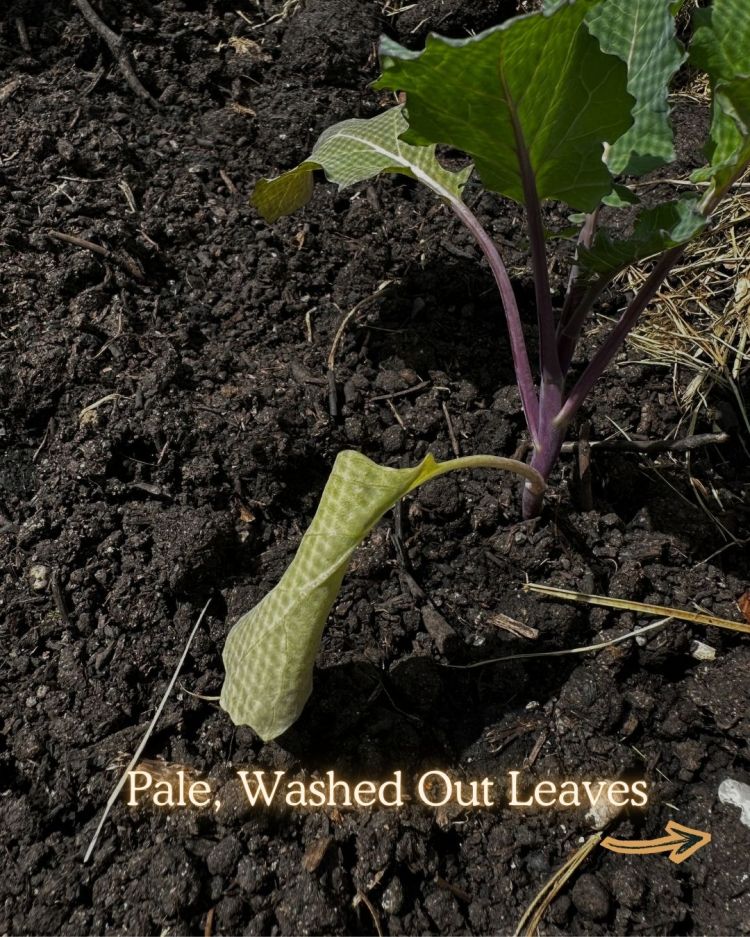
2. Pale, Washed Out Leaves
When leaves lose their rich green colour and appear pale or faded, it’s often a sign that the plant isn’t producing enough chlorophyll. This can be caused by a general nutrient deficiency, poor soil quality or lack of sunlight.
Why It Happens
Unlike more specific symptoms, this one points to an overall imbalance rather than a single issue. These broccoli plants are sitting under a net that’s made a shadow they are not checkered ◡̈ which has indeed caused this issue, as they need more sunlight.
How You Can Fix It
Improving soil with compost or organic matter is the most effective long term solution. It provides a broad range of nutrients and supports microbial life, which helps plants access what they need.
Also consider whether nearby plants are creating too much shade. Sometimes a simple adjustment in spacing can make a noticeable difference, for these the net is giving too much shade, even though protecting from pests laying eggs on them.
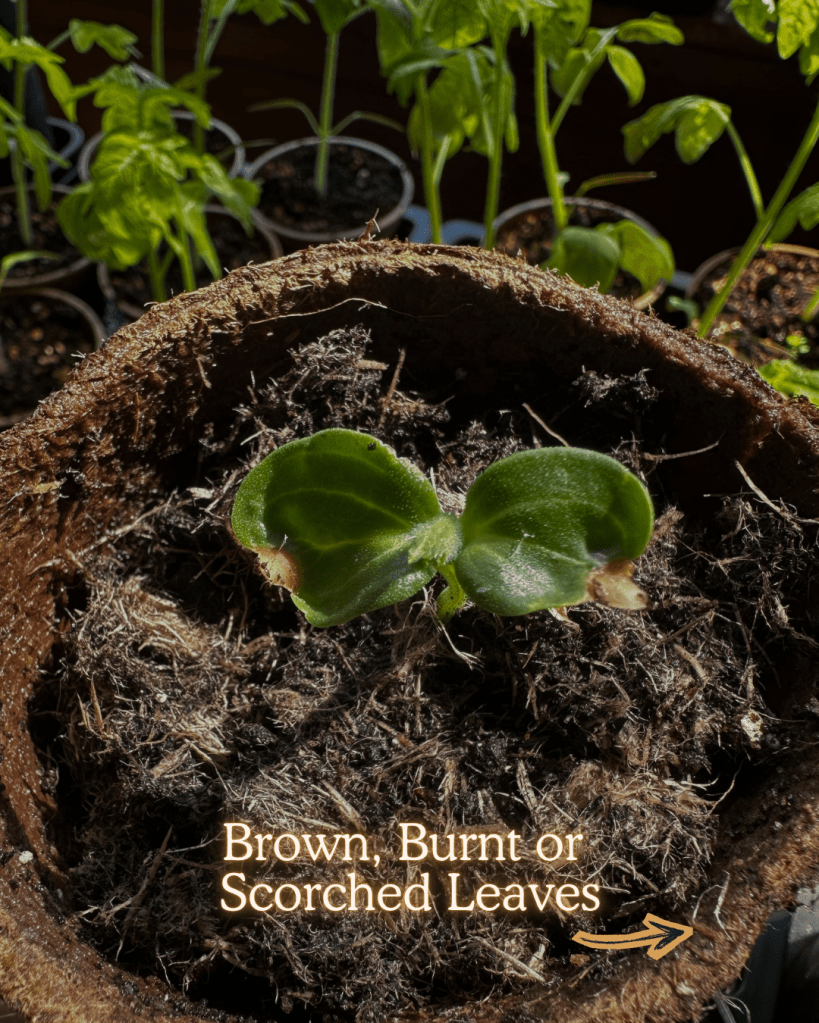
3. Burnt or Scorched Leaves
Leaves that appear scorched, with bleached or brown patches, are often reacting to excessive sun exposure or fertiliser burn or inconsistent watering
Why It Happens
Sudden exposure to intense sunlight, especially after a period of cloudy weather or indoor growth, can overwhelm plants. Similarly, applying too much fertiliser can damage roots and lead to visible leaf burn. When your watering is inconsistent, too dry, then suddenly soaked your plant can’t regulate moisture properly. The first place it shows up is on the edges of the leaves, which dry out and turn brown, especially on young seedlings. This one was certainly over watered causing this.
How You Can Fix It
The fix depends on the cause. For sun scorch, gradually acclimate plants to stronger light and provide temporary shade if needed. For fertiliser burn, flush the soil with water to dilute excess nutrients and avoid overfeeding in the future. What your plants actually need is deep, consistent watering and protection at the soil level. Adding mulch helps lock in moisture and keeps roots stable.
Moderation and gradual changes are key to preventing this issue.
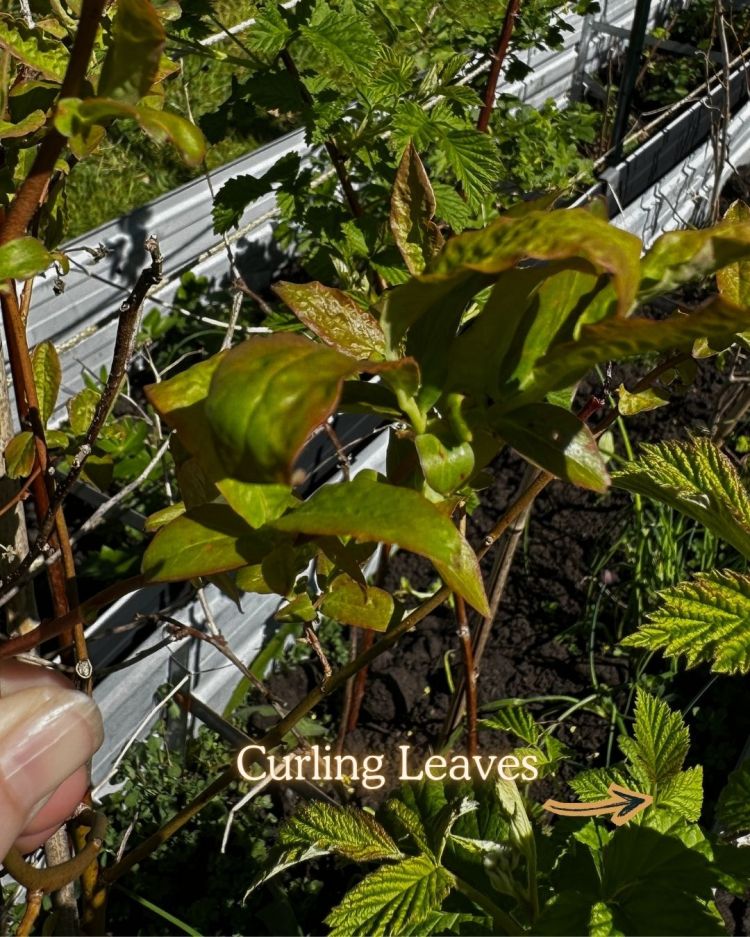
4. Curling Leaves
Leaf curling can be alarming because it often looks like a disease, but in many cases, it’s a response to environmental stress.
Why It Happens
Heat, wind, and irregular watering are common causes. Plants curl their leaves to reduce surface area and conserve moisture, essentially going into a protective mode.
Pests such as aphids can also cause curling by feeding on the underside of leaves, distorting growth as they go. These blueberries started curling due to the heat for 3 days in a row, in Scotland, 18ºC is hot.
How You Can Fix It
The first step is to check for pests. If none are present, look at environmental conditions. Providing shade during the hottest part of the day, improving watering consistency and reducing exposure to harsh winds can all help.
Healthy plants will usually correct themselves once the stress is removed.
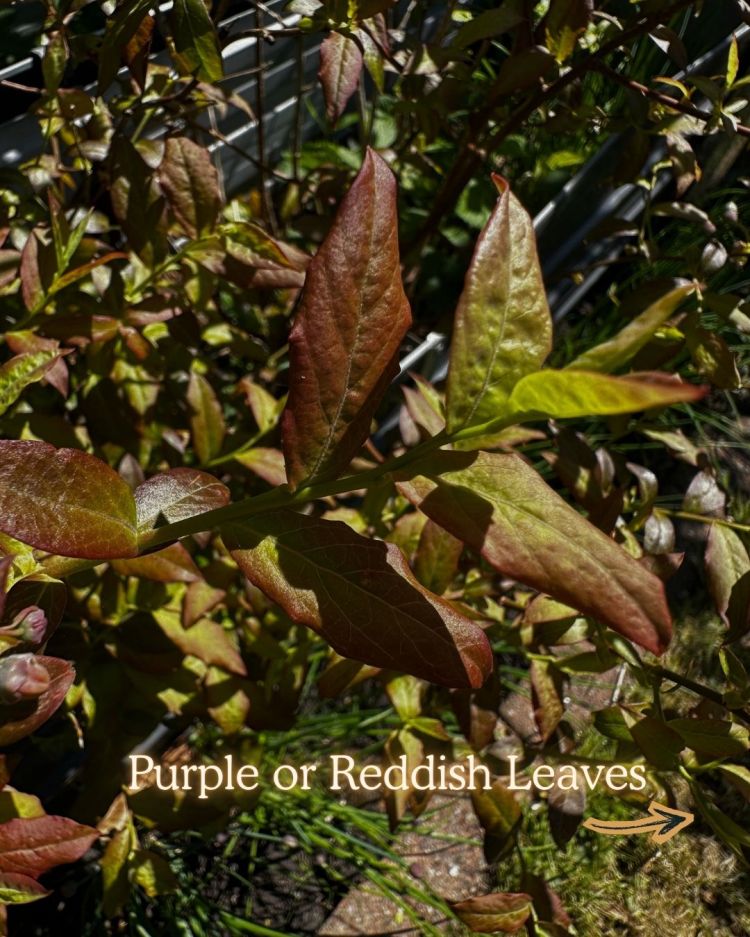
5. Purple or Reddish Leaves
When leaves develop a purple or reddish tint, it’s often a sign of phosphorus deficiency. This nutrient is essential for energy transfer and root development, so when it’s lacking, plants struggle to grow properly.
Why It Happens
The issue is not always a lack of phosphorus in the soil. Cold temperatures can prevent plants from absorbing it effectively, even when it’s present.
In early growth stages, this is particularly common when soil hasn’t warmed up enough. This plant looked like this the start of the season, it was new to our garden and corrected it’s self after a few weeks.
How You Can Fix It
The best fix is patience combined with support. As temperatures rise, uptake usually improves naturally. In the meantime, ensuring good soil health and adding compost can help make nutrients more available.
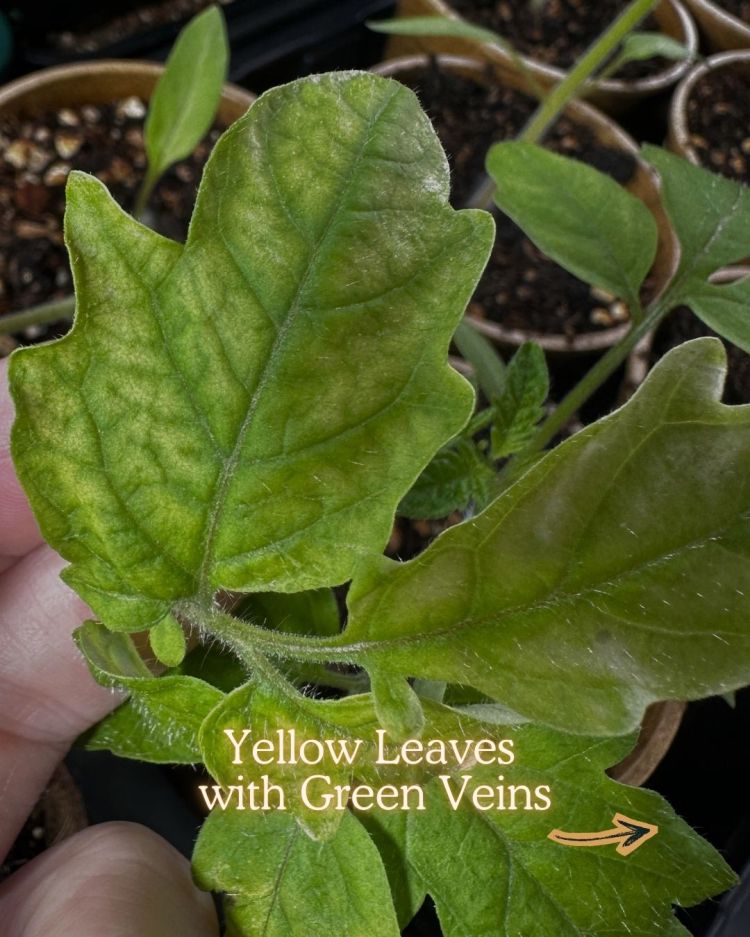
6. Yellow Leaves with Green Veins
When leaves turn yellow but the veins remain green, you’re looking at a classic case of chlorosis. This condition is usually linked to iron deficiency, but the underlying issue is often not a lack of iron in the soil, it’s the plant’s inability to access it.
Why It Happens
This commonly happens in alkaline soils, where nutrients become locked up and unavailable. Overwatering or poor drainage can also contribute by stressing the roots and limiting nutrient uptake. These tomatoes plants started struggling, they needed potting on and a suitable tomato feed to rebalance.
How You Can Fix It
The solution starts with improving soil conditions rather than simply adding more nutrients. Incorporating organic matter helps regulate pH and improve availability. If needed, a targeted iron supplement can provide a quicker fix, but long term health depends on balanced soil.
Ensuring proper drainage and avoiding waterlogged conditions will also make a significant difference.
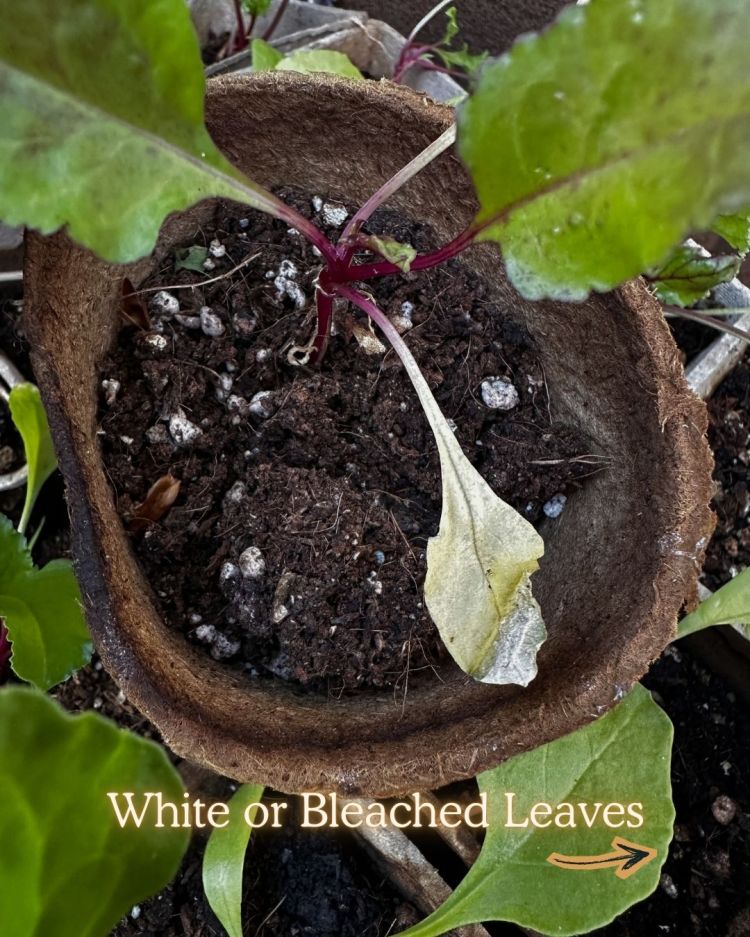
7. White or Bleached Leaves
When leaves lose their green colour and turn pale, almost white or bleached looking, it’s a clear sign that something is disrupting chlorophyll production. Unlike simple yellowing, this tends to look more extreme, leaves can appear faded, washed out, or even scorched in patches.
Why It Happens
This problem is most commonly caused by sudden exposure to intense sunlight, especially if plants were previously grown indoors or in shaded conditions. The leaves haven’t had time to adapt, so the chlorophyll breaks down under the stress of strong UV light. We moved these outside to weather them before going outside, but they were clearly stressed in the hot sun.
It can also happen due to severe nutrient deficiencies, particularly a lack of nitrogen or iron, which are both essential for maintaining healthy green growth. In some cases, chemical damage from over fertilising or spraying in direct sun can produce a similar bleached effect.
How You Can Fix It
To fix this, start by identifying whether the issue is environmental or nutritional. If plants were recently moved outdoors or into stronger light, give them time to adjust gradually. Providing temporary shade during the hottest part of the day can prevent further damage while new, adapted leaves develop.
If nutrients are the issue, improve soil health with compost or a balanced feed to restore proper growth. Avoid applying fertilisers or sprays during peak sunlight hours, as this can worsen the problem.
While damaged leaves won’t return to their original colour, healthy new growth is a good sign that the plant has recovered and conditions are back in balance.
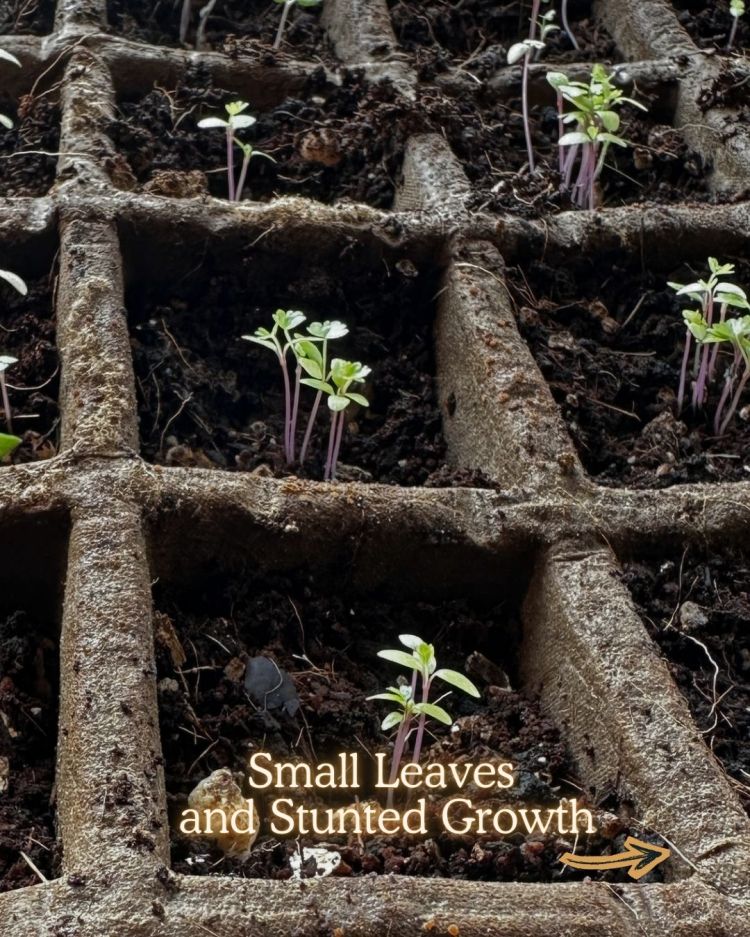
8. Small Leaves and Stunted Growth
When plants produce leaves that are noticeably smaller than expected, it’s a clear sign that something is limiting growth.
Why It Happens
This is often due to nutrient deficiencies, compacted soil or restricted root space. Without access to sufficient nutrients and oxygen, the plant simply can’t develop properly. These seedlings had too many per cell, in a small space, they stopped growing for a week but when thinned out and repotted on continued to grow on perfectly.
How You Can Fix It
To fix this, start by loosening the soil and improving its structure. Adding compost not only provides nutrients but also creates space for roots to expand.
If plants are overcrowded, thinning them out can also make a big difference. Giving each plant enough room allows it to access the resources it needs.
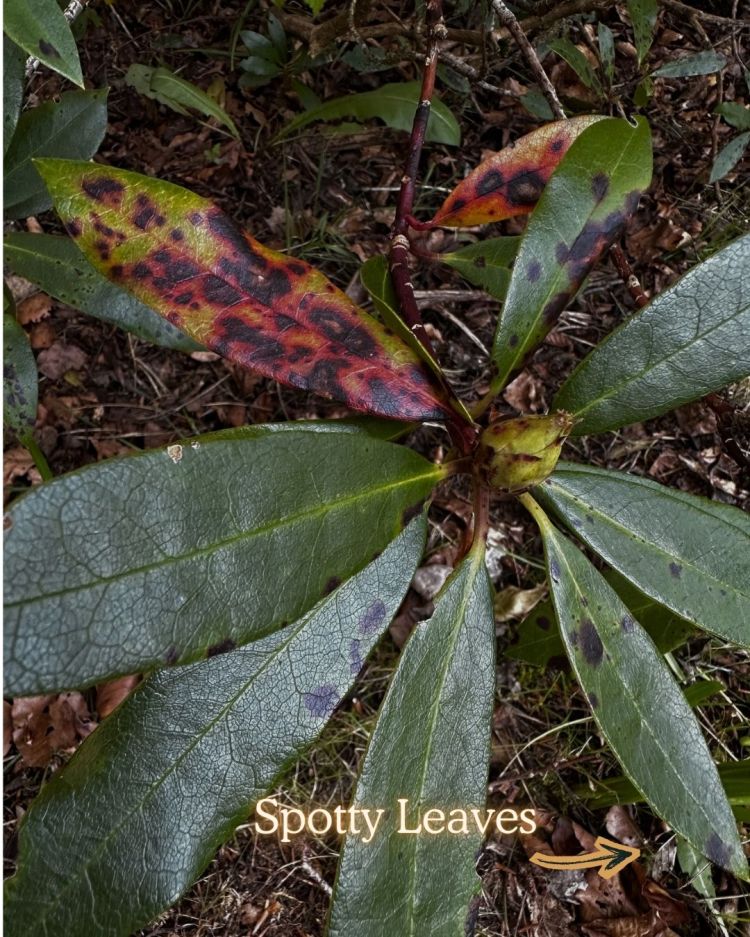
9. Leaves with Brown Spots
Brown spots on leaves can have several causes, but they often indicate fungal or bacterial issues, especially during periods of warm, wet weather.
Poor air circulation and overhead watering can create the perfect conditions for these problems to develop and spread.
Why It Happens
In some cases, nutrient deficiencies particularly potassium can also contribute to spotting. These leaves were removed before spreading and placed in the council bins rather than composting or using in our garden to stop the spread, council usually heat treat garden waste. These rhododendrons have never been pruned, they are very dense and sit in a damp part of the garden, they need pruning to allow more air flow to them and more care to stop the spread of these leaves.
How You Can Fix It
To manage this, remove affected leaves to prevent further spread and improve airflow around your plants. Water at the base rather than over the leaves and space plants appropriately to allow air to move freely.
Strengthening the plant through balanced feeding will also help it resist future issues.
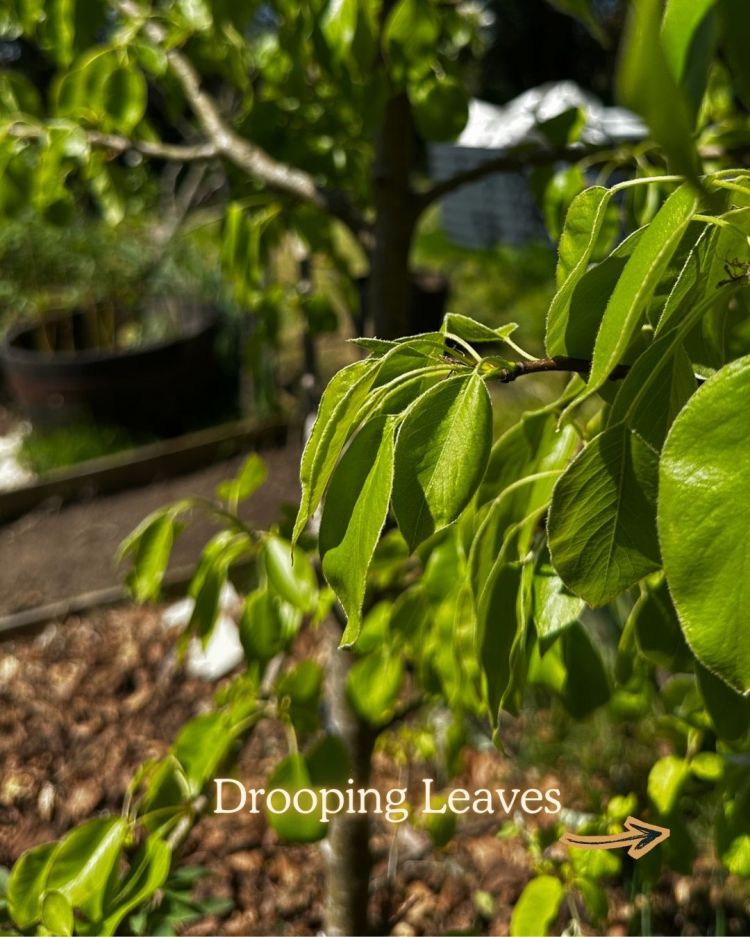
10. Wilting Despite Moist Soil
Wilting is usually associated with dry conditions, but when it happens even though the soil is moist, it signals a deeper problem.
Overwatering is a common cause. When soil stays too wet, roots are deprived of oxygen and begin to struggle or rot. As a result, the plant can’t take up water properly, even though it’s surrounded by it.
Why It Happens
Root damage from pests or disease can also produce similar symptoms. This tree base had got smothered with leaves that had collected there by the wind. We moved the mulch from around the base of the tree to allow more flow and not excessively moist soil.
How You Can Fix It
The solution is to reassess your watering habits and soil structure. Allow the soil to dry slightly between waterings and make sure it drains well. If drainage is poor, adding organic matter can help improve it over time.
Healthy roots are essential and once they recover, the plant will regain its ability to regulate water.
Read the Signals, Not Just the Symptoms
Leaf problems aren’t random and they’re rarely the real issue. They’re signals.
Every yellowing leaf, curled edge or faded patch is your plant responding to something happening below the surface. The mistake most gardeners make is treating the symptom instead of understanding the cause.
The real skill is learning to pause and read what your plant is telling you. Is it struggling to access nutrients? Is the soil too wet or too dry? Is the environment too harsh?
When you start thinking this way, you stop reacting with guesswork and start making clear, effective decisions.
Because a healthy garden isn’t about perfect leaves, it’s about understanding the story behind them and responding before small problems become bigger ones.
Happy Gardening!

Katrina & Clayton and family live in East Ayrshire and share their daily life in the garden on instagram. They practice permaculture principles in the garden, reducing & repurposing waste whenever they can. Katrina shows how home educating in nature has helped Clayton thrive.
Clayton Completed The 2 Grow and Learn Courses with the Royal Caledonian Horticultural Society. He is Autistic, Non Verbal & has been Home Educated since 2018. Katrina & Peter hold their PDC & PDC PRO Permaculture Design Course from Oregon State University.
They featured on BBC Beechgrove Gardens Ep23 2022 and returned in 2023 for an update, Katrina & Clayton are also columnists for ScotlandGrows Magazine, Guest Blog for Caledonian Horticulture as well as working with Gardeners’ World Magazine and many other brands.
They are also Author of the new Children’s Book Series: Clayton’s Garden Journey: Stories of Autism and Gardening. Topics on Growing, Harvesting, Sowing & Composting and 108 Page Weather and Seasons Weekly Gardening Record Book available on Amazon and Kindle.
Listen in on their Guest Podcasts to learn more about them.
Get Weekly Blogs Straight To Your Inbox

Our Children’s Book Series
Author of the new children’s book series: Clayton’s Garden Journey: Stories of Autism and Gardening. Including Stories on Growing, Harvesting, Sowing, Composting, Feeding The Birds and A Sowing, Growing, Weather and Seasons Weekly Gardening Record Book available on Amazon and Kindle

Visit Our Print On Demand Stores
Redbubble Store – Worldwide! 200+ garden & nature-inspired designs on coasters, phone covers, tote bags, mouse mats and so much more. Perfect for plant lovers, gardeners and anyone who wants to bring a touch of the outdoors into everyday life

Discover more from Building a Food Forest -Scotland
Subscribe to get the latest posts sent to your email.

One thought on “10 Leaf Problems That Reveal Exactly What Your Plant Needs”