
Get Weekly Blogs Straight To Your Inbox

10 Companion Planting Combos That Actually Work (and Why)
Companion planting has a reputation that swings between folk wisdom and science backed strategy. Some combinations are passed down like heirloom seeds “plant basil with tomatoes,” “marigolds repel everything”, while others are rooted in observable ecological relationships, pest deterrence, nutrient sharing, shade creation and even chemical signaling between plants. In reality, the most reliable companion planting pairings are the ones that combine practical garden observations with a clear biological “why.”
Companion planting combinations are ones that consistently deliver results not just because tradition says so, but because their interactions make sense, this is how each pairing works in the soil and above it, so you can adapt the principles to your own garden.
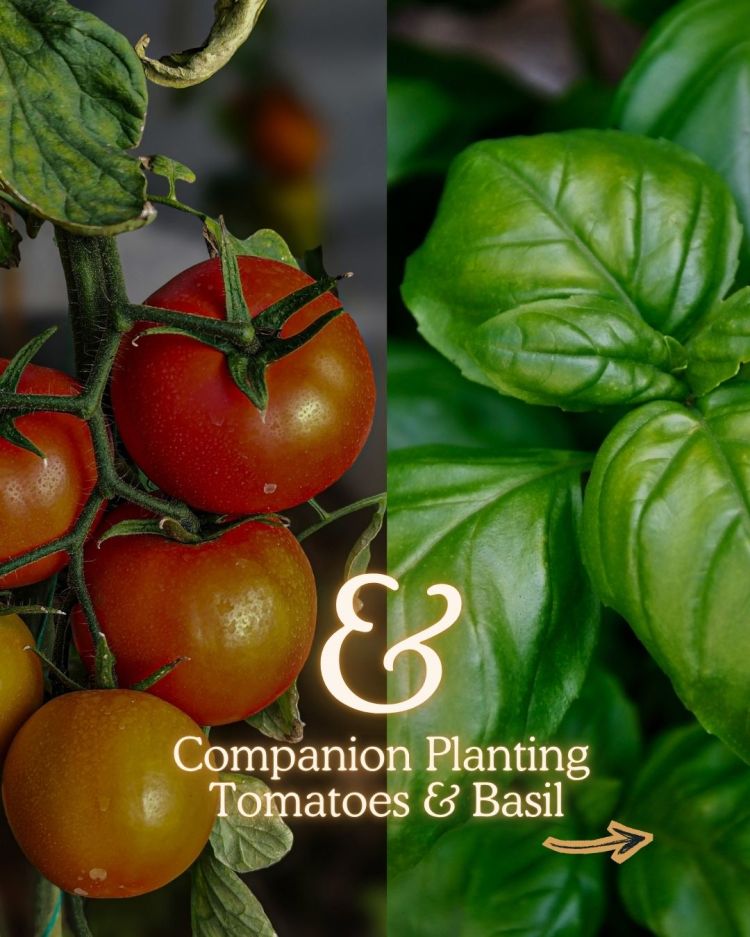
1. Tomatoes and Basil: More Than Just a Culinary Pair
The tomato and basil duo is often the first companion planting combination gardeners learn and for good reason, it actually works. Basil appears to help repel pests like whiteflies, aphids and tomato hornworms, though the exact mechanism is still debated. Its strong aromatic oils may mask the scent of tomato plants, making it harder for pests to locate them.
Beyond pest control, basil can also improve growing conditions around tomatoes. Its dense foliage helps shade the soil slightly, reducing moisture loss and stabilising soil temperature, something tomatoes appreciate, especially during hot spells.
There’s also anecdotal evidence that basil may improve tomato flavour. While this hasn’t been conclusively proven in controlled studies, many gardeners swear by it, and the pairing certainly doesn’t hurt.
The real takeaway here is synergy, basil occupies a different niche than tomatoes, doesn’t compete heavily for nutrients and contributes to a healthier microclimate.
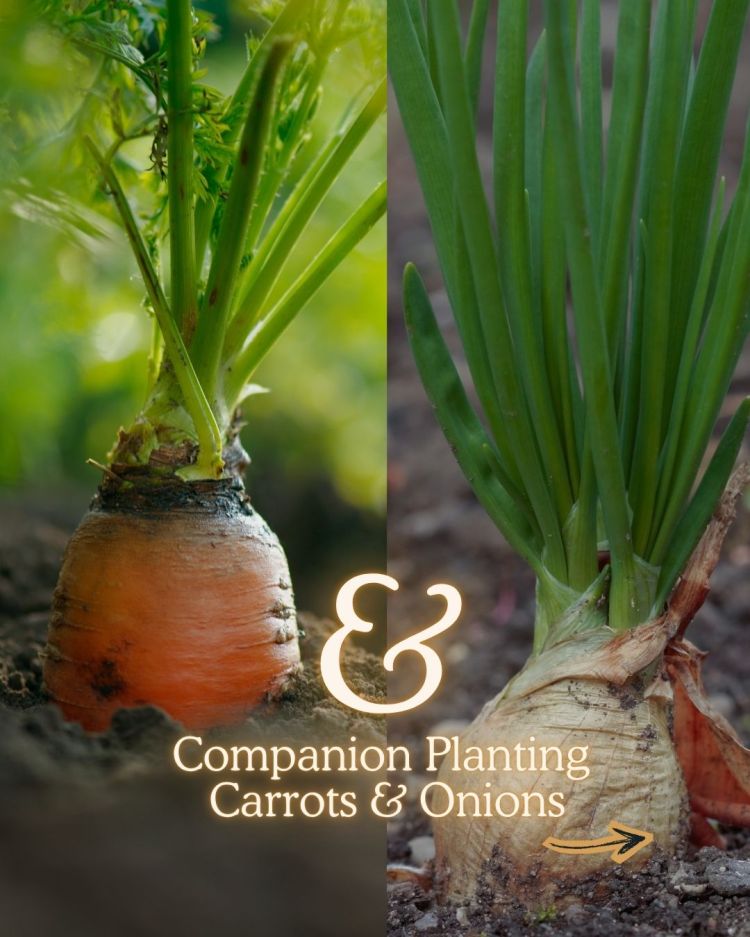
2. Carrots and Onions: A Mutual Defence System
Carrots and onions form a classic example of companion planting based on scent confusion. Carrot flies are attracted to the smell of carrots, while onion flies target alliums like onions and garlic. When planted together, each plant helps mask the scent of the other, reducing the likelihood of infestation.
This works because many insect pests rely heavily on smell to locate their host plants. By mixing crops with strong and contrasting scents, you essentially create a more complex “signal environment” that pests struggle to navigate.
There’s also a spatial advantage. Carrots grow deep and slender underground, while onions have shallow root systems. This means they don’t compete heavily for nutrients or space, allowing both to thrive in close quarters.
If you’re working with limited garden space, this is one of the most efficient and reliable pairings you can use.
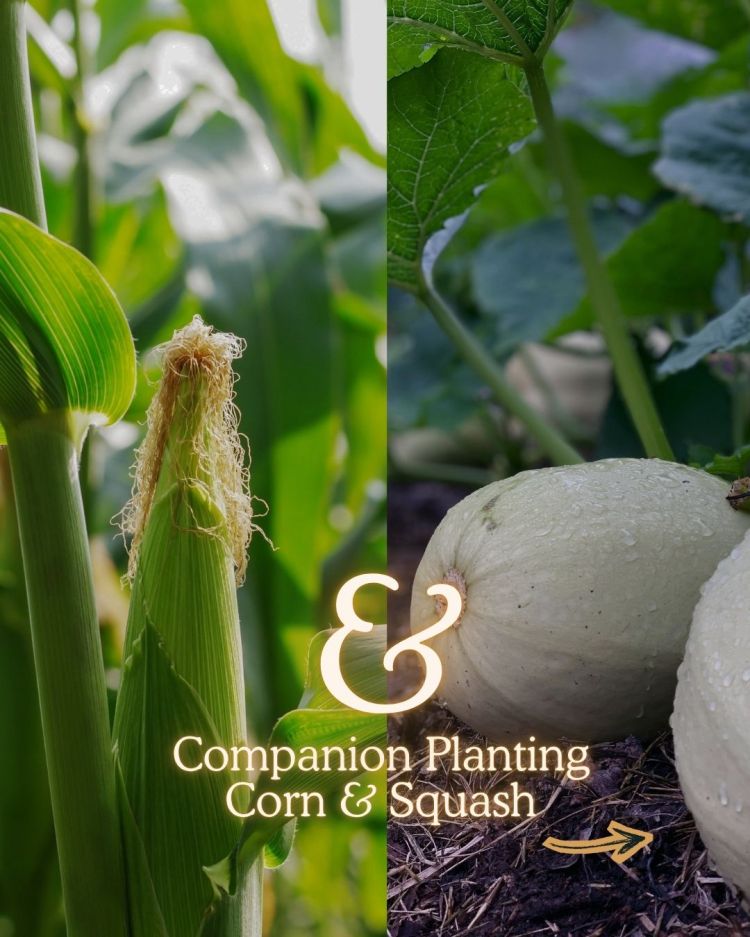
3. Corn and Squash: Structure Meets Ground Cover
Corn and squash make a surprisingly effective companion planting team because each plant supports the other in a different way. Corn grows tall and upright, creating a natural structure that helps protect sprawling squash vines from excessive sun and wind exposure. In return, squash spreads across the ground with large, broad leaves that act like a living mulch.
This dense ground cover helps suppress weeds, retain soil moisture and regulate soil temperature around the corn’s shallow roots. During hot summer weather, that extra moisture retention can make a noticeable difference in plant health and productivity.
The pairing also improves how garden space is used. Corn occupies the vertical layer while squash expands horizontally, allowing both plants to grow together without competing heavily for room.
What makes this combination successful is the balance between height and coverage. Corn provides the framework, while squash protects the soil below, creating a more stable and lower-maintenance growing environment.
Corn, Beans, and Squash: The “Three Sisters” System
You can also add beans into the mix with this traditional planting method, developed by Indigenous agricultural systems, is one of the most elegant examples of companion planting as a complete ecosystem.
Corn provides a natural trellis for climbing beans. Beans, in turn, fix nitrogen in the soil through a symbiotic relationship with bacteria, enriching the soil for the corn and squash. Squash spreads along the ground, its large leaves shading the soil to suppress weeds and retain moisture.
Each plant plays a distinct role: vertical structure, nutrient enrichment and ground cover. Together, they create a self supporting system that reduces the need for external inputs.
The success of this trio lies in complementary growth habits and mutual benefit. It’s not just about pairing plants, it’s about designing a small, functional ecosystem.
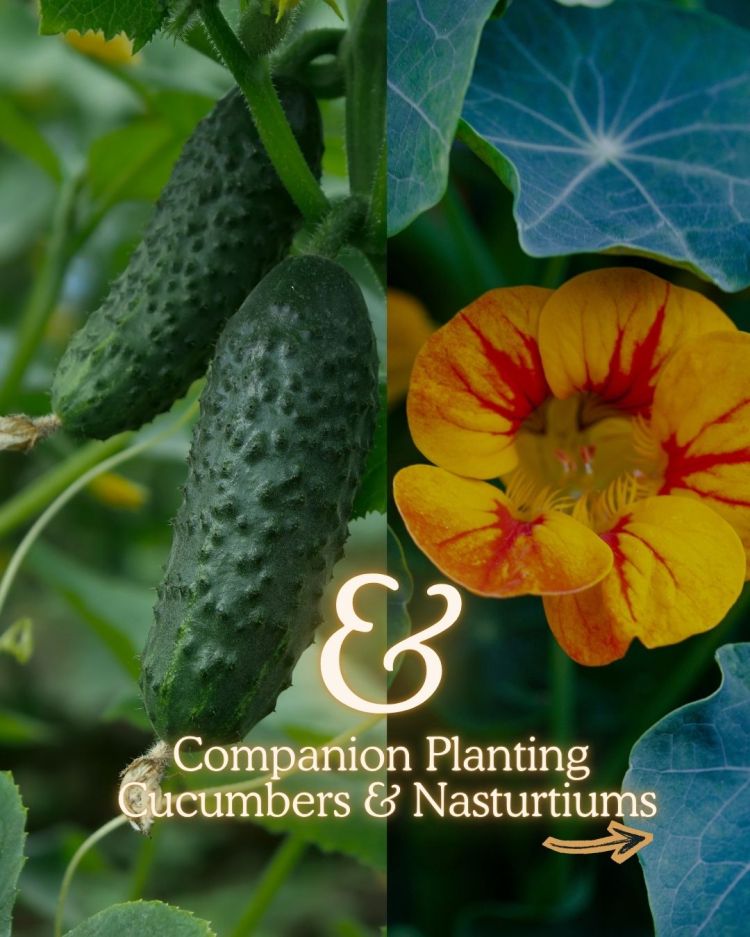
4. Cucumbers and Nasturtiums: Trap Cropping in Action
Nasturtiums are often used as a “trap crop,” meaning they attract pests away from more valuable plants. Aphids, cucumber beetles and other insects are drawn to nasturtiums, which can help protect nearby cucumbers.
This works because pests often prefer certain plants over others. By giving them an easier or more appealing target, you can reduce damage to your main crop.
Nasturtiums also have a sprawling growth habit that can act as a living mulch, helping to suppress weeds and retain soil moisture around cucumbers. On top of that, they attract pollinators, which cucumbers rely on for fruit production.
This pairing is particularly useful in organic gardens where chemical pest control isn’t an option.
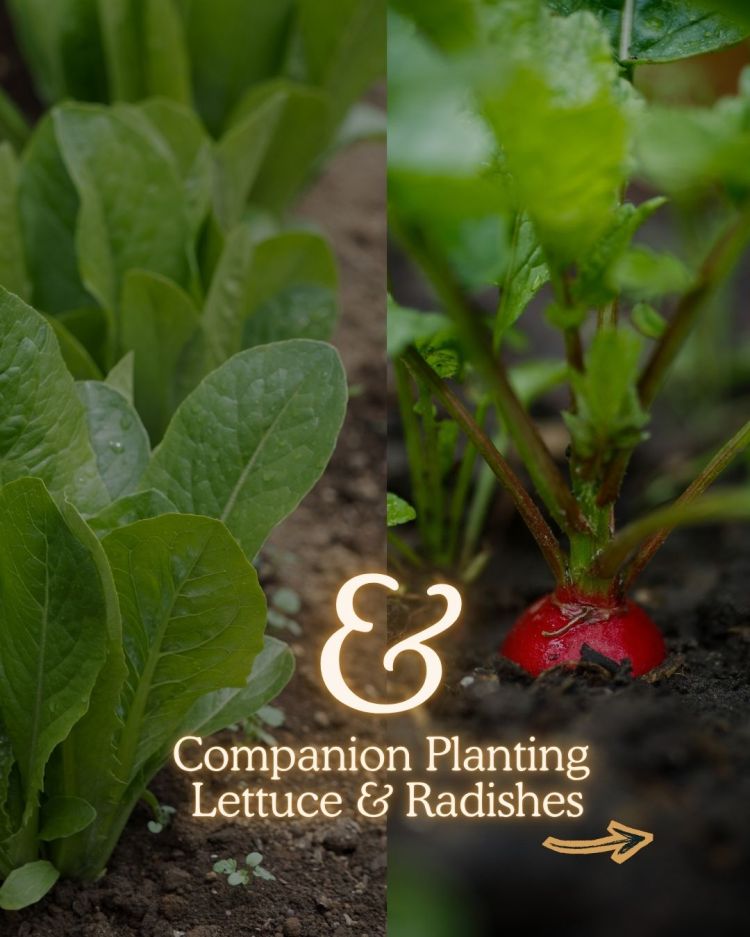
5. Lettuce and Radishes: Fast and Slow in Harmony
Lettuce and radishes are a great example of companion planting based on growth timing. Radishes germinate and mature quickly, often ready to harvest within a few weeks. Lettuce, while still relatively fast growing, takes longer to develop.
By planting them together, you maximise space and efficiency. Radishes break up the soil as they grow, which can improve aeration and make it easier for lettuce roots to establish. Once the radishes are harvested, they leave behind space for the lettuce to expand.
There’s also a pest management angle. Radishes can act as a decoy for flea beetles, drawing them away from more delicate lettuce leaves.
This combination is ideal for succession planting and small gardens where every square foot matters.
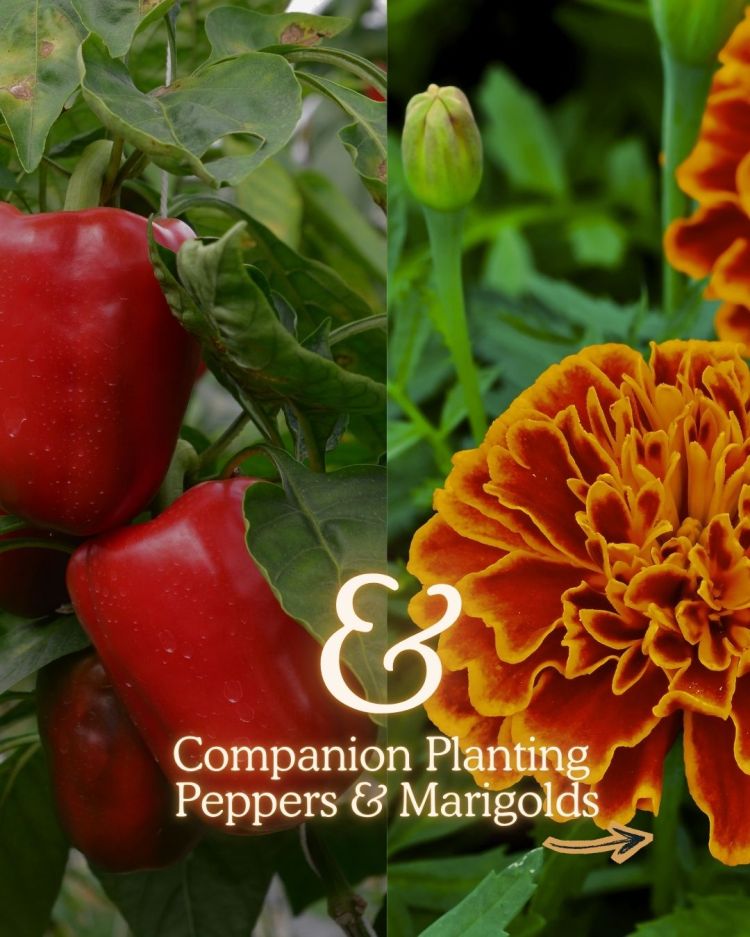
6. Peppers and Marigolds: Pest Control with Limits
Marigolds are often promoted as a universal pest repellent, but the reality is more nuanced. Certain varieties, particularly French marigolds, produce compounds in their roots that can suppress nematodes in the soil.
When planted near peppers, marigolds can help reduce root damage caused by these microscopic pests. Above ground, their scent may deter some insects, though this effect varies depending on the pest species.
Marigolds also attract beneficial insects like ladybugs and parasitic wasps, which can help control aphid populations on pepper plants.
While marigolds aren’t a cure all, they do contribute to a healthier garden ecosystem, especially when combined with other strategies.
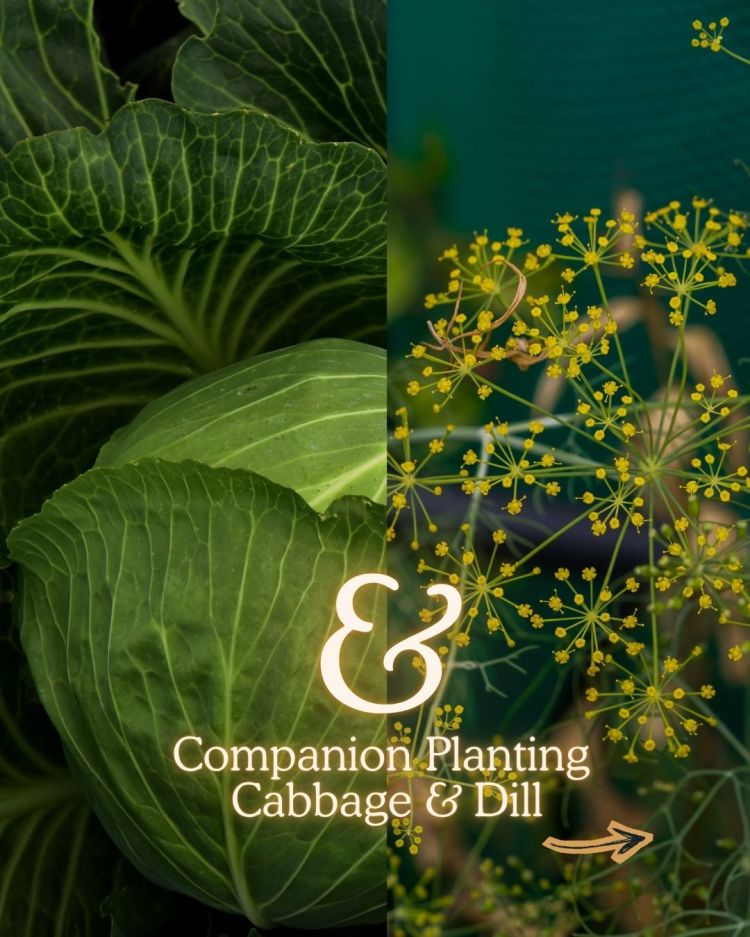
7. Cabbage and Dill: Attracting the Right Allies
Cabbage and other brassicas are frequent targets for pests like cabbage worms and aphids. Dill can help by attracting beneficial insects such as parasitic wasps, which lay their eggs inside pest larvae, effectively controlling their populations.
This is an example of companion planting that focuses on supporting the “good” insects rather than directly repelling the bad ones.
Dill’s feathery foliage also doesn’t compete heavily with cabbage for light or nutrients, making it a good neighbour in tight planting arrangements.
One thing to keep in mind is timing dill should be allowed to flower to attract beneficial insects, so plan your planting schedule accordingly.
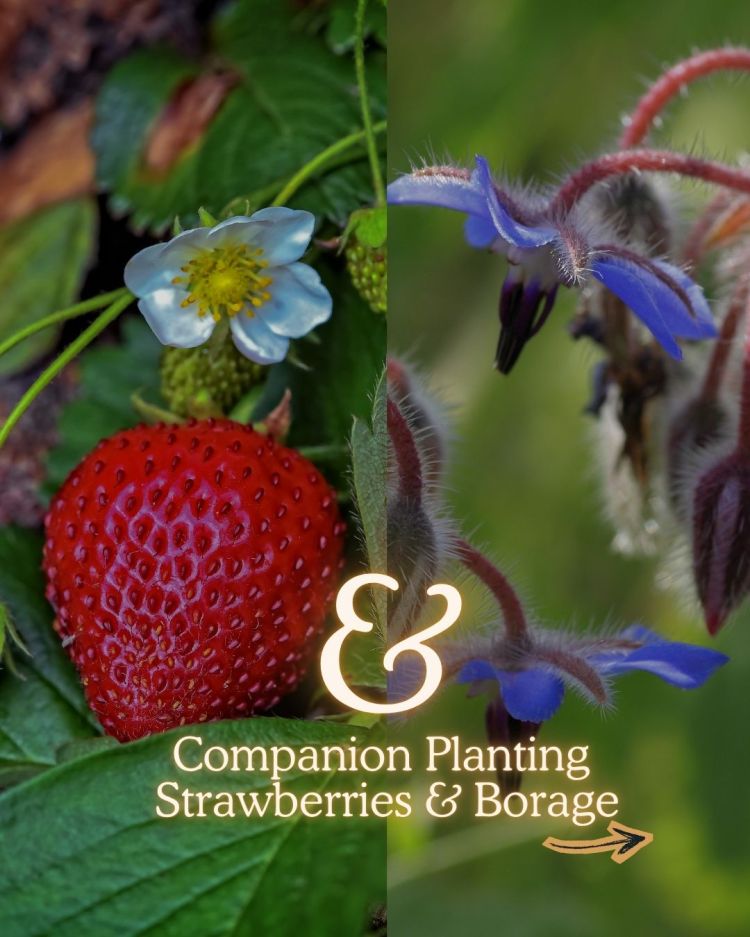
8. Strawberries and Borage: Boosting Pollination and Growth
Borage is a powerhouse companion plant for strawberries. Its bright blue flowers attract pollinators like bees, which can significantly improve strawberry yields.
There’s also evidence that borage may enhance soil health by accumulating trace minerals and adding organic matter when its leaves decompose. Some gardeners believe it improves the flavour of strawberries, though this is more anecdotal than proven.
Borage grows quickly and can spread, so it’s best used strategically rather than planted everywhere, when placed near strawberries, it consistently contributes to better pollination and overall plant vigour.
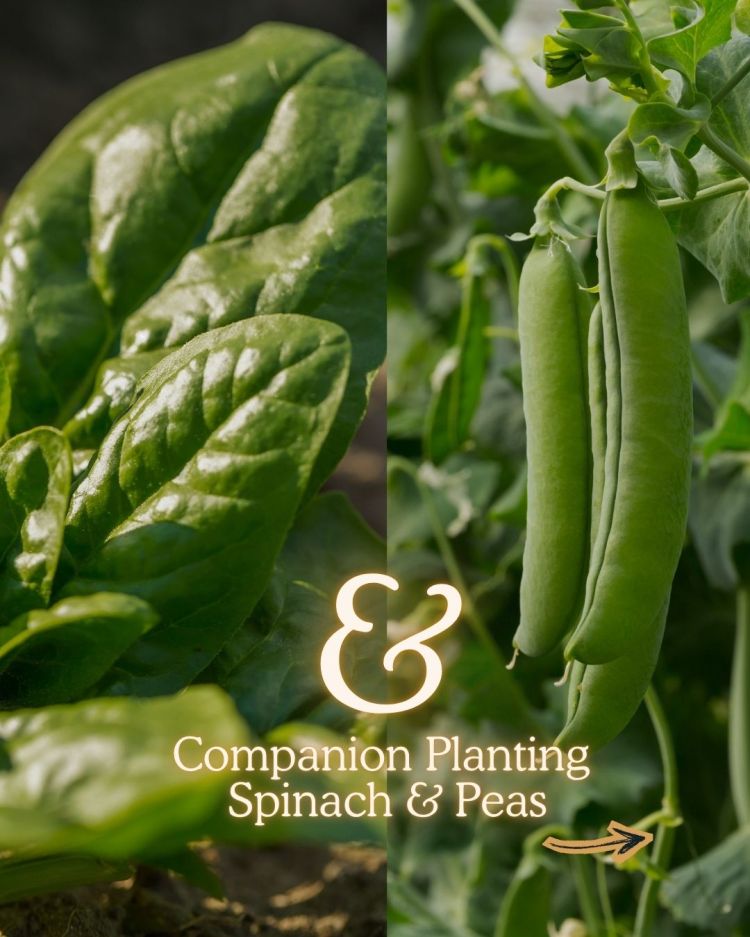
9. Spinach and Peas: Sharing Space Efficiently
Spinach and peas work well together because of their differing growth habits and seasonal preferences. Peas grow vertically and can provide partial shade, which helps spinach avoid bolting (going to seed too quickly) in warmer weather.
Peas also fix nitrogen in the soil, which benefits leafy greens like spinach that require a steady supply of nutrients.
This pairing is particularly effective in early Spring gardens, where both crops thrive in cooler temperatures. As the peas climb upward, spinach fills in the lower space, making efficient use of both vertical and horizontal growing areas.
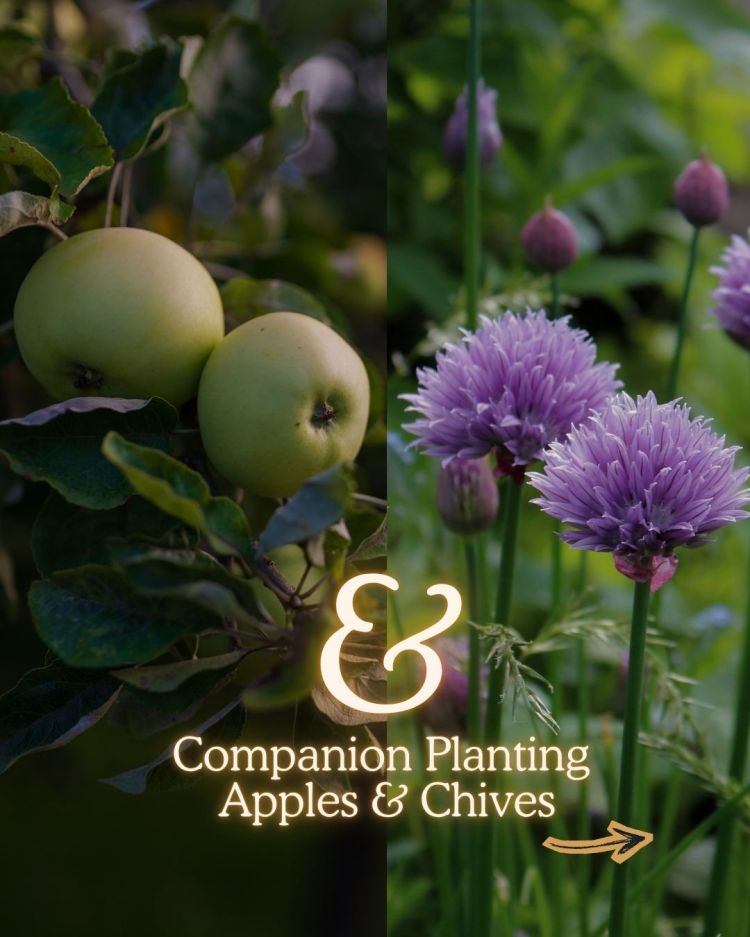
10. Apples and Chives: Subtle but Effective Protection
Chives are often planted near fruit trees like apples because they may help deter pests such as aphids and apple scab. Their sulphur containing compounds are thought to have mild anti fungal properties, which can contribute to healthier trees.
Chives also attract pollinators when they flower, supporting fruit production. Because they grow in compact clumps, they don’t compete heavily with the tree’s root system.
This is a quieter form of companion planting less dramatic than some combinations, but still beneficial over time, especially in perennial systems.
What Makes Companion Planting Actually Work?
Looking across these combinations, a few patterns emerge. The most successful pairings tend to rely on one or more of the following principles:
Plants that confuse or repel pests through scent.
Plants that attract beneficial insects to control pests naturally.
Plants that improve soil health, either by fixing nitrogen or adding organic matter.
Plants that use space differently, vertically, horizontally or temporally, so they don’t compete.
Plants that create microclimates, offering shade, moisture retention or wind protection.
When companion planting fails, it’s often because the pairing is based on myth rather than function. Not every traditional combination holds up in every environment and results can vary depending on climate, soil and pest pressure.
The key is to think less in terms of rigid “rules” and more in terms of relationships. Ask what each plant contributes and what it needs. If those factors align, you’re likely to have a successful pairing, even if it’s not on a traditional list.
That’s the real goal, not just copying what works elsewhere, but understanding why it works and using that knowledge to create a more resilient, productive garden, in your garden.
Happy Gardening!

Katrina & Clayton and family live in East Ayrshire and share their daily life in the garden on instagram. They practice permaculture principles in the garden, reducing & repurposing waste whenever they can. Katrina shows how home educating in nature has helped Clayton thrive.
Clayton Completed The 2 Grow and Learn Courses with the Royal Caledonian Horticultural Society. He is Autistic, Non Verbal & has been Home Educated since 2018. Katrina & Peter hold their PDC & PDC PRO Permaculture Design Course from Oregon State University.
They featured on BBC Beechgrove Gardens Ep23 2022 and returned in 2023 for an update, Katrina & Clayton are also columnists for ScotlandGrows Magazine, Guest Blog for Caledonian Horticulture as well as working with Gardeners’ World Magazine and many other brands.
They are also Author of the new Children’s Book Series: Clayton’s Garden Journey: Stories of Autism and Gardening. Topics on Growing, Harvesting, Sowing & Composting and 108 Page Weather and Seasons Weekly Gardening Record Book available on Amazon and Kindle.
Listen in on their Guest Podcasts to learn more about them.
Get Weekly Blogs Straight To Your Inbox
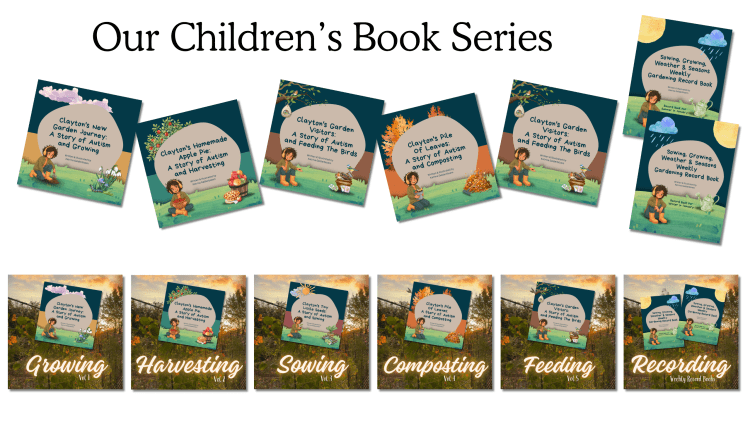
Our Children’s Book Series
Author of the new children’s book series: Clayton’s Garden Journey: Stories of Autism and Gardening. Including Stories on Growing, Harvesting, Sowing, Composting, Feeding The Birds and A Sowing, Growing, Weather and Seasons Weekly Gardening Record Book available on Amazon and Kindle
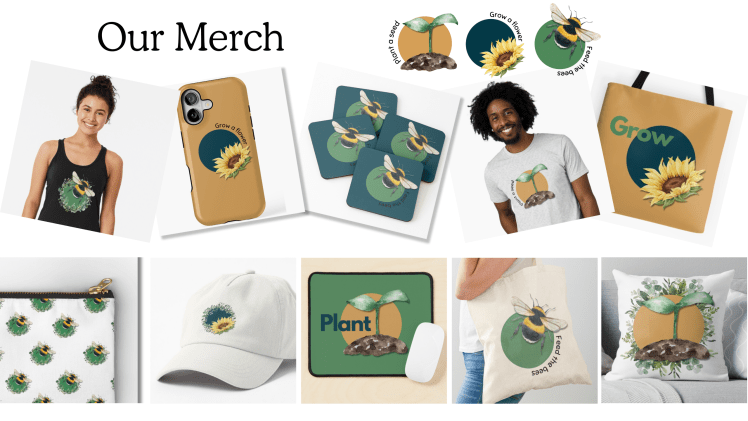
Visit Our Print On Demand Stores
Redbubble Store – Worldwide! 200+ garden & nature-inspired designs on coasters, phone covers, tote bags, mouse mats and so much more. Perfect for plant lovers, gardeners and anyone who wants to bring a touch of the outdoors into everyday life

Discover more from Building a Food Forest -Scotland
Subscribe to get the latest posts sent to your email.
