

Get Weekly Blogs Straight To Your Inbox

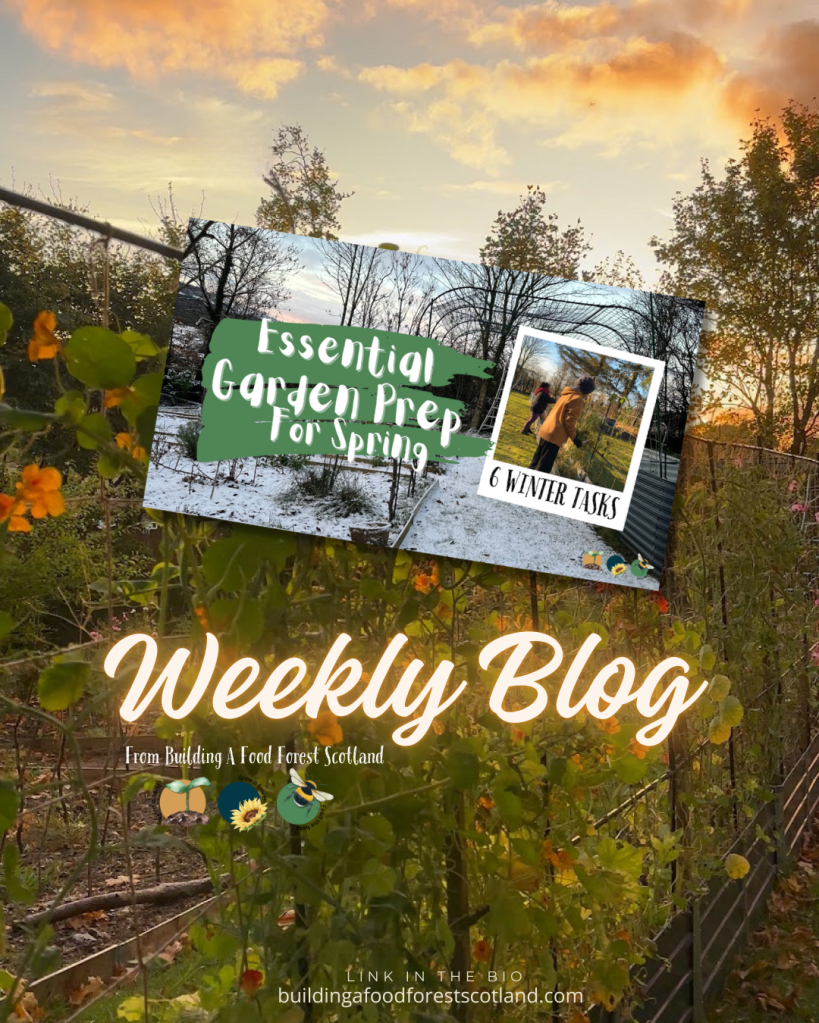
Winter Garden Prep: 6 Essential Clean Up Activities for a Thriving Spring
1. Have You Removed Your Spent Plants Yet?
As the growing season winds down and winter takes hold, it’s time to address the remnants of your summer garden. Spent plants those that have completed their life cycle or stopped producing can impact the health and productivity of your garden if left unchecked.
Removing spent plants isn’t just about tidiness; it’s about preparing your garden for success in the next season. Old plants can harbour pests, diseases, and fungal spores, which can overwinter and create problems come spring. By clearing them out now, you reduce the chances of these issues taking hold in your soil or spreading to your new plants.
That said, not all spent plants need to be removed entirely. In a permaculture inspired garden, some can serve a purpose. Sturdy stems from plants like sunflowers or corn can act as natural trellises for vining plants next spring. Others, like beans and peas, can be cut at the base, leaving their nitrogen rich roots in the soil to decompose and enrich it.
For spent plants that must go, consider composting them unless they show signs of disease. Composting turns plant waste into nutrient rich material to feed your garden in the future, closing the loop in a sustainable way. We use the chop and drop method, chop at the soil level and drop in place allowing the plants to compost into the soil over Winter, also allows for insects to nest in for the colder months.
Removing Spent Plants Video Reel
2. Have You Tidied & Mulched Your Borders Yet?
Tidying Your Borders
Start by removing dead or decaying plant material. Spent flowers, fallen leaves, and weeds can harbour pests and diseases, so it’s essential to clear them out. However, you don’t have to strip your borders completely bare. Leave some seed heads from plants like echinacea or teasel to provide food for birds and visual interest through the winter.
Trim back perennials that have died back, but consider leaving a few stems for beneficial insects like ladybugs or solitary bees, which may use them for shelter. Removing weeds at this stage is crucial to prevent them from establishing over the dormant months.
Mulching for Protection
Once your borders are tidy, it’s time to mulch. Mulching serves several purposes: it suppresses weeds, insulates plant roots from temperature extremes, and improves soil structure as it breaks down. Use organic materials like bark chips, compost, or shredded leaves. Spread a layer 2-3 inches thick, keeping it away from the base of plants to prevent rot.
Winter mulching also protects beneficial microorganisms in the soil, which continue to work even in colder months. Over time, this improves soil fertility and drainage, setting the stage for vibrant spring growth. A layer of mulch helps slow down evaporation, keeping the soil consistently moist and warm.
By tidying and mulching your borders now, you’re not only giving your garden a good health check, but also nurturing it for the seasons ahead.
Mulching Our Raised Beds Video Reel
3. Have You Cleaned & Organised Yours Tools Yet?
Cleaning your gardening tools during the winter is a task that pays off in both the short and long term. While it’s easy to overlook, proper maintenance now ensures your tools are ready to perform their best when spring arrives.
Prevent Rust and Extend Lifespan: Gardening tools, especially those made of metal, are prone to rust if not cleaned and stored properly. Dirt, sap, and moisture left on tools can corrode their surfaces, weakening them over time. Cleaning off soil and debris, followed by drying and applying a light coat of oil, can significantly extend their lifespan. A small investment of time now can save you the cost and hassle of replacing tools later.
Improve Efficiency: Sharp, clean tools make your gardening tasks easier and more effective. Dirty or dull pruners, shears, and spades can damage plants, making cuts less precise and increasing the risk of disease. Taking time to clean and sharpen blades ensures they’ll glide through tasks smoothly, reducing strain on both you and your plants.
Prevent Disease Spread: Soil and plant debris can carry pathogens that spread diseases to your garden. By cleaning and disinfecting your tools, you minimise the risk of transferring harmful bacteria, fungi, or pests to your new plants in spring. A simple solution of diluted vinegar and or bi carb works well for sanitising.
Stay Organised: Cleaning your tools also offers an opportunity to assess your inventory, repair any broken items, and organise your shed or storage area. Knowing everything is ready to go eliminates stress when the growing season begins.
By caring for your gardening tools now, you’re not only preserving their quality but also setting yourself up for a productive and enjoyable spring.
Organising Our Tools Video Reel
4. Have You Inspected Your Garden Structures Yet?
As the dormant season continues, now is the perfect time to inspect your garden structures. Taking a closer look at fences, trellises, greenhouses, and raised beds ensures they’re ready to support your spring gardening efforts, saving you time and trouble later.
Prevent Damage from Escalating: Winter weather can take a toll on garden structures, causing issues like rotting wood, rusting metal, or loosened joints. Ignoring small problems now can lead to bigger, more costly repairs once the growing season starts. Inspecting and addressing damage during winter helps maintain the integrity of your structures and prevents further deterioration, especially when you have plants growing up those structures.
Ensure Safety: Compromised garden structures can pose safety risks to you and your plants. A wobbly trellis might collapse under the weight of climbing vegetables, while unstable greenhouse panels can break in strong winds. Conducting a thorough check ensures everything is secure and stable, giving you peace of mind when spring arrives.
Improve Functionality: Inspecting your garden structures allows you to make adjustments or upgrades to improve their functionality. For example, you might reinforce a fence to deter wildlife, add new supports to raised beds, or repair broken gates to ensure smooth access.
Get Ahead for Spring: Spring is a busy time for gardeners, so tackling structural repairs in winter ensures you can focus on planting and tending to your garden when the growing season begins. Simple fixes like replacing a broken latch or painting a weather worn trellis can make a big difference when the garden is in full swing.
By inspecting your garden structures now, you’re not just maintaining your space but actively preparing it for success. A little effort during winter will pay off in a smoother, more productive spring season!
Inspecting Our Garden Structures Video Reel
5. Have You Cleaned Your Pots Yet?
Cleaning your gardening pots might not be the most glamorous task, but it’s a vital step for maintaining plant health and ensuring a successful growing season. Dirty pots can harbour pests, diseases, and salt buildup that could harm your plants, so giving them a thorough clean before reuse is time well spent.
Why You Should Clean Your Pots
Prevent Disease Spread: Old soil and plant residue can contain harmful bacteria, fungi, or pests. Reusing dirty pots without cleaning increases the risk of transferring these problems to new plants.
Improve Plant Health: Salt and mineral deposits from fertilisers and water can accumulate on pots, leading to an unhealthy growing environment. Cleaning removes these deposits, giving your plants a fresh start.
Prolong Pot Lifespan: Regular cleaning helps prevent deterioration, especially for pots made of materials like terracotta, which can crack if not properly maintained.
How to Clean Your Pots
Empty and Scrape: Remove old soil and any plant debris from the pots. Use a stiff brush to loosen any stuck-on residue.
Wash: Wash pots in warm, soapy water. For stubborn stains, add a small amount of white vinegar to the water which will also kill bacteria or fungal spores, soak the pots in a solution for 10-15mins.
Rinse and Dry: Rinse thoroughly with clean water to remove any soap or residue, then allow the pots to air dry completely before storing or reusing.
Taking time to clean your gardening pots not only keeps them looking fresh but also creates a healthier environment for your plants, setting the stage for a successful growing season.
Cleaning Our Pots & Tools Video Reel
6. Have You Cleaned Your Greenhouse/Cold Frame Yet?
Cleaning your greenhouse or cold frame is an essential part of preparing for the upcoming growing season. A well maintained environment promotes healthy plants, prevents pests and diseases, and maximises the efficiency of your growing space.
Why You Should Clean Your Greenhouse or Cold Frame
Prevent Disease and Pests: Over winter, debris, soil, and plant residues can harbour pests and pathogens. Cleaning eliminates these threats, reducing the risk of infestations and diseases affecting your seedlings and plants.
Maximise Light Levels: Dirt, algae, and grime can accumulate on glass or plastic panels, reducing the amount of sunlight that reaches your plants. Cleaning these surfaces ensures maximum light penetration for healthy growth.
Create a Healthy Growing Environment: A clean and organised space reduces clutter, improves air circulation, and makes it easier to manage your plants during the busy spring season.
Check for Repairs: Inspect seals, hinges, and frames for damage, and make any necessary repairs.
How to Clean Your Greenhouse or Cold Frame
Clear the Space: Remove all plants, pots, tools, and debris from the greenhouse or cold frame. This gives you a clear area to work and ensures thorough cleaning.
Wash Surfaces: Use warm, soapy water or a mixture of water and white vinegar and/or bicarb soda/bicarbonate of soda to clean glass, plastic panels, and frames. A soft brush or sponge works well for scrubbing without causing scratches.
By taking time to clean your greenhouse or cold frame now, you’ll create an ideal environment for your plants to thrive, ensuring a productive and successful spring season.
Prepping To Clean Video Reel
Watch On You Tube: Winter Garden: Winter Clean Up Activities. Washing Pots & Tools With Katrina & Clayton
Happy Gardening!


Katrina & Clayton and family live in East Ayrshire and share their daily life in the garden on instagram. They practice permaculture principles in the garden, reducing & repurposing waste whenever they can. Katrina shows how home educating in nature has helped Clayton thrive.
Clayton Completed The 2 Grow and Learn Courses with the Royal Caledonian Horticultural Society This Year. Clayton has just turned 17, Autistic, Non Verbal & has been Home Educated for the last 7yrs. Katrina & Peter both hold their PDC Permaculture Design Course from Oregon State University
They featured on BBC Beechgrove Gardens Ep23 2022 and returned in 2023 for an update, Katrina & Clayton are also columnists for ScotlandGrows Magazine, Guest Blog for Caledonian Horticulture as well as working with Gardeners’ World Magazine and many other brands.
They are also Author of the new Children’s Book Series: Clayton’s Garden Journey: Stories of Autism and Gardening. Topics on Growing, Harvesting, Sowing & Composting and 108 Page Weather and Seasons Weekly Gardening Record Book available on Amazon and Kindle. Listen in on their Guest Podcasts to learn more about them.
Get Weekly Blogs Straight To Your Inbox
Our Children’s Book Series
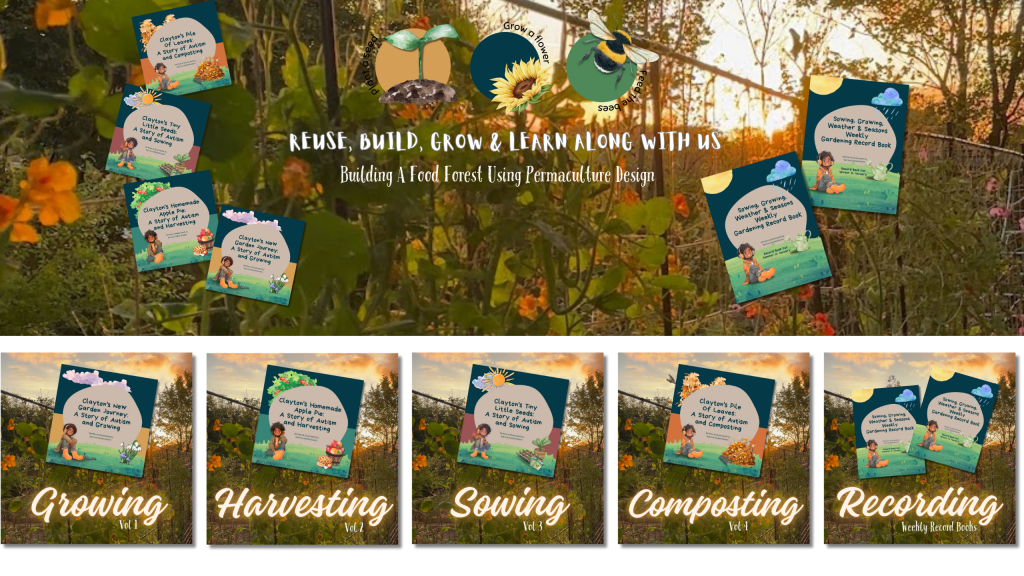
Author of the new children’s book series: Clayton’s Garden Journey: Stories of Autism and Gardening and Sowing, Growing, Weather and Seasons Weekly Gardening Record Book available on Amazon and Kindle
Visit Our Print On Demand Stores
REDBUBBLE STORE -WORLDWIDE
Over 175 Garden & Nature Designs. Coasters, Phone Covers, Bags, Mouse Mats & Much More


Discover more from Building a Food Forest -Scotland
Subscribe to get the latest posts sent to your email.

This was so helpful! My husband and I recently redesigned our backyard to make room for a big garden and flower area, so we are pretty new to everything we need to do to have it thrive this spring. I took lots of notes so hopefully we have a good starting point and can start the year off right. I look forward to reading your other blogs! Thanks so much for sharing!
LikeLike
Thank you for your comment, enjoy your new garden space, getting started is always the fun bit!
LikeLike