
Get Weekly Blogs Straight To Your Inbox

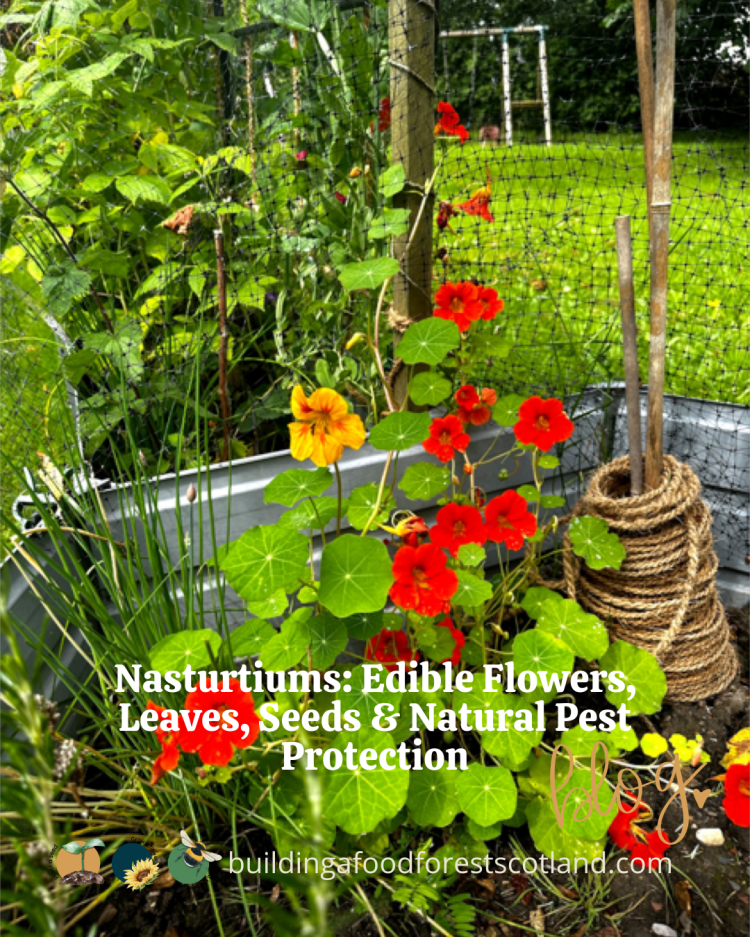
Nasturtiums: Edible Flowers, Leaves, Seeds & Natural Pest Protection
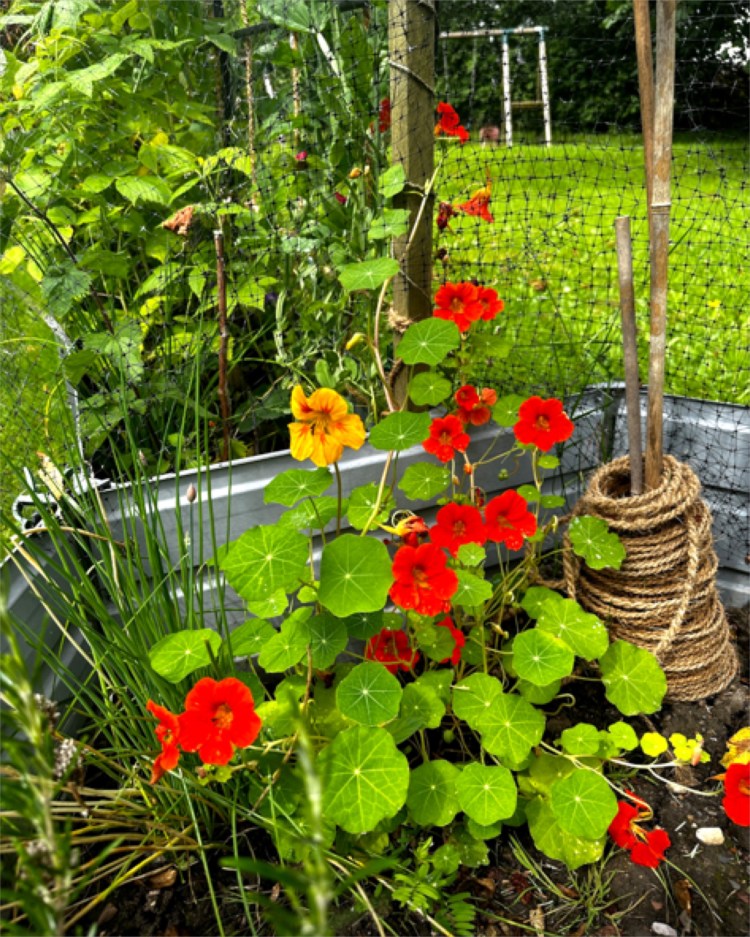
When most people think of nasturtiums, they picture cheerful, trailing flowers spilling out of hanging baskets or brightening the edges of vegetable beds. With beautiful flowers of orange, yellow and red and big green leaves, nasturtiums are undeniably beautiful. But these plants are far more than just ornamental.
Nasturtiums are edible, practical and even protective, making them a true multitasker in the garden. From being a natural trap crop that safeguards your vegetables, to providing flavourful leaves, flowers and seeds for the kitchen, to offering an easy way to save seeds for next year, nasturtiums are a win win in all directions.
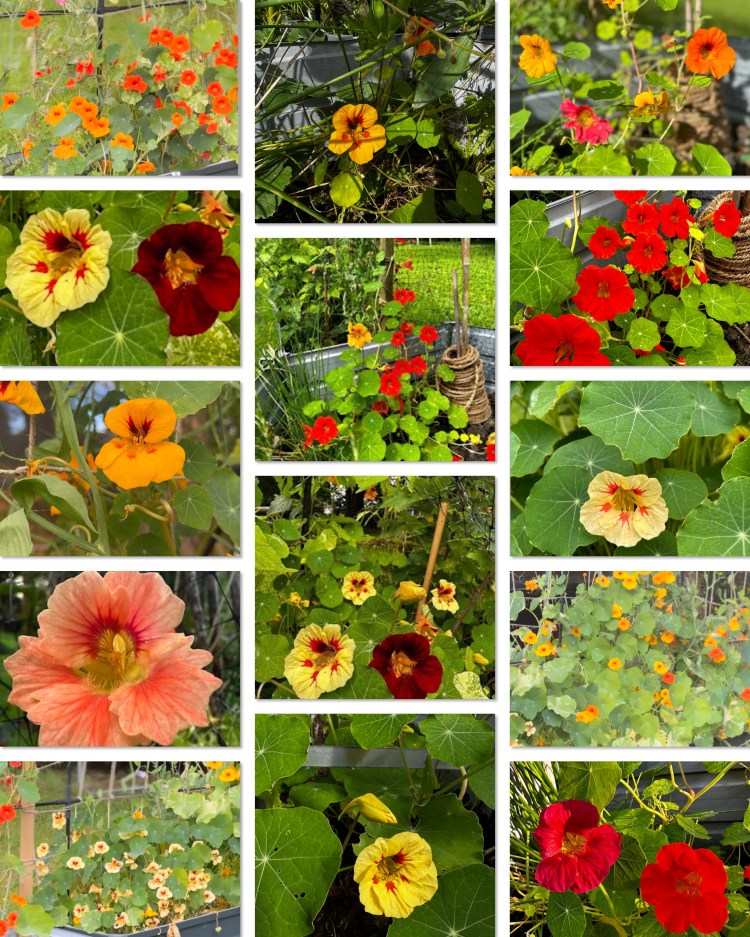
We grow so many in and around our plants, up trellises, baskets, pots and food forest floor
Nasturtiums as a Trap Crop
One of the most useful roles nasturtiums play in the garden is that of a trap crop. A trap crop is a plant that attracts pests away from more valuable crops, keeping your vegetables healthier and reducing the need for chemical sprays.
Nasturtiums are especially attractive to aphids, particularly the black bean aphid. Instead of infesting your beans, cucumbers or brassicas, the aphids gather on the nasturtium’s leaves and stems. While it may look alarming to see so many insects on one plant, this actually benefits your garden overall. You can simply prune off the infested parts or remove the heavily affected plant and compost it (hot composting works best). This method allows your vegetables to thrive without the same level of pest pressure.
In addition to aphids, nasturtiums also deter whiteflies, squash bugs and even some beetles. We find in our garden it also attracts the caterpillars away from all our other veg. Their sprawling nature makes them easy to interplant around crops that need extra protection as they just intertwine between them all. A border of nasturtiums can serve as both a vibrant edging and a natural line of defence.
Edible Leaves, Flowers, and Seeds
Nasturtiums aren’t just hardworking protectors in the garden, they also offer edible parts for the kitchen.
Leaves: Nasturtium leaves are round, with a distinct peppery flavour similar to watercress or arugula. They can be added to salads, sandwiches and pestos for a spicy kick. Younger leaves are milder, while larger leaves pack a stronger punch.
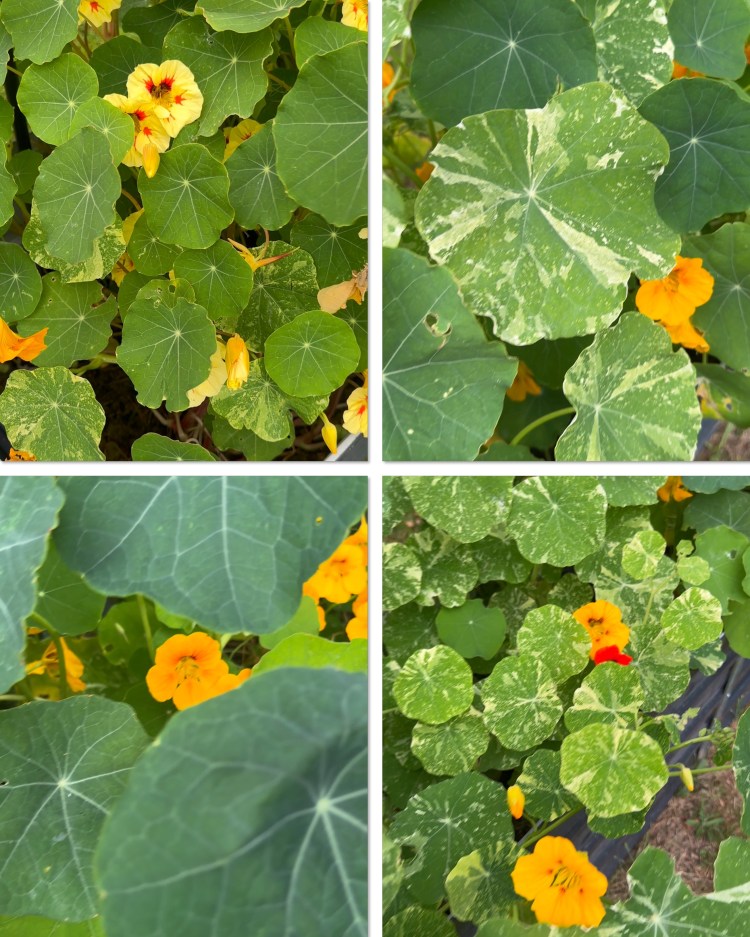
Flowers: The blooms are not only gorgeous but also edible. Their flavour is slightly milder than the leaves, with a sweet spicy balance. Flowers make excellent garnishes, can be stuffed with soft cheese, or tossed into summer salads for a colourful, gourmet touch.

Seeds: Perhaps the most surprising edible part of nasturtiums are the seeds. Fresh, green seeds can be pickled and used as a substitute for capers. Their briny, peppery taste adds zing to pasta dishes, sauces, and charcuterie boards. Mature, dried seeds can even be ground into a spice or used as a pepper substitute in a pinch.
Seed Saving: Free Nasturtiums for Next Year
Another reason nasturtiums are beloved by gardeners is how easy they are to propagate year after year. Seed saving with nasturtiums is straightforward, making them an excellent choice for beginners interested in sustainability.
Here’s how to save nasturtium seeds:
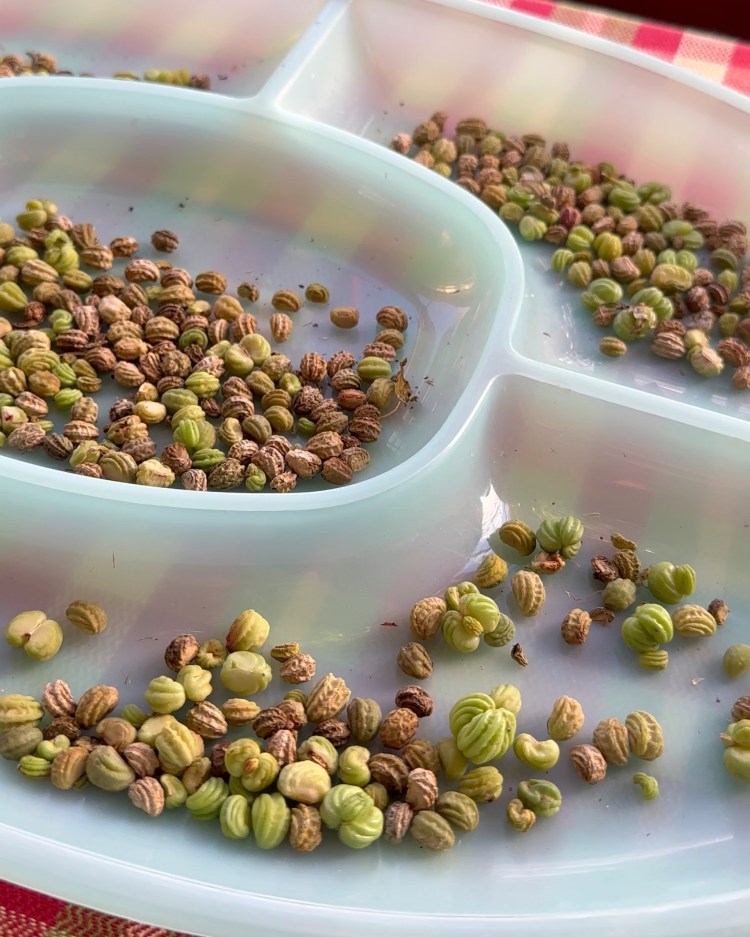
Let them mature: As the season winds down, allow some flowers to go to seed. The plant produces large, rounded seeds in groups of two or three.
Collect when dry: Wait until the seeds have fallen naturally to the soil or are just beginning to drop. They should be firm and turning brown or beige.
Dry thoroughly: Spread the seeds out on a tray in a cool, dry location for about two weeks. Proper drying is key to preventing mold.
Store: Once dry, store the seeds in an envelope, paper bag or glass jar. Keep them in a cool, dark place until the next planting season. Properly saved nasturtium seeds remain viable for at least two to three years.
Nasturtiums self seed easily, you may even find volunteers popping up in your garden the following spring without any effort on your part. We drop so many when we are collecting them as they fall off very easily, they are easy to just use your finger to poke into the soil where they have landed ready to grow for next year without any effort at all.
Growing Tips for Healthy Nasturtiums
To get the most out of your nasturtiums, keep these tips in mind:
Soil: Nasturtiums thrive in poor to average soil. Rich soil leads to more leaves than flowers, so resist the temptation to over fertilise.
Water: Water regularly, especially during dry spells, but avoid overwatering. Nasturtiums prefer slightly drier conditions once established.
Sunlight: They grow best in full sun but will tolerate partial shade.
Varieties: Choose trailing nasturtiums for hanging baskets, containers, or as a living mulch. Compact varieties work well in borders and beds.
Their adaptability means you can grow them almost anywhere, containers, garden edges, vegetable patches or as companion plants. You can start them indoors to get a head start in the Spring or just pop the seeds into the ground where you want them at any time for the following growing season.
Why Every Gardener Should Grow Nasturtiums
Nasturtiums are a rare combination of beautiful, edible and useful. They act as natural pest control, reducing the need for chemical sprays. They offer unique flavours and edible garnishes that elevate meals. And with their easy seed saving process, they’re a cost effective and sustainable plant to keep in your garden year after year. Once you buy a packet of seeds you’ll never need to buy them again.
Whether you’re a beginner gardener looking for a low maintenance plant, a cook eager to explore new flavours or an organic grower searching for natural pest solutions, nasturtiums are a perfect choice.
Nasturtium Vegan Recipes: Leaves, Flowers & Seeds
Every part of the nasturtium plant can be eaten, the peppery leaves, the sweet and spicy flowers, and the seeds, which can be pickled and enjoyed like capers.
A small selection of Vegan recipes using nasturtium leaves, flowers, and seeds, showing how to make the most of this remarkable garden plant, that not only is the best trap crop for your garden but enjoyed in many different ways.

Leaves
Nasturtium Pesto
Nasturtium Stuffed Leaves
Peppery Nasturtium Salad
Flowers
Stuffed Nasturtium Blossoms
Nasturtium Flower Salad Wraps
Nasturtium Flower Infused Vinegar
Seeds
Pickled Nasturtium Seeds (Poor Man’s Capers)
Nasturtium Seeds Mustard
Roasted Nasturtium Seeds
On Sale Here: Download Straight To Your Email
Picking Nasturtium Seed Pods Video Reel
Happy Gardening!

Katrina & Clayton and family live in East Ayrshire and share their daily life in the garden on instagram. They practice permaculture principles in the garden, reducing & repurposing waste whenever they can. Katrina shows how home educating in nature has helped Clayton thrive.
Clayton Completed The 2 Grow and Learn Courses with the Royal Caledonian Horticultural Society. He is Autistic, Non Verbal & has been Home Educated since 2018. Katrina & Peter hold their PDC & PDC PRO Permaculture Design Course from Oregon State University.
They featured on BBC Beechgrove Gardens Ep23 2022 and returned in 2023 for an update, Katrina & Clayton are also columnists for ScotlandGrows Magazine, Guest Blog for Caledonian Horticulture as well as working with Gardeners’ World Magazine and many other brands.
They are also Author of the new Children’s Book Series: Clayton’s Garden Journey: Stories of Autism and Gardening. Topics on Growing, Harvesting, Sowing & Composting and 108 Page Weather and Seasons Weekly Gardening Record Book available on Amazon and Kindle.
Listen in on their Guest Podcasts to learn more about them.
Get Weekly Blogs Straight To Your Inbox
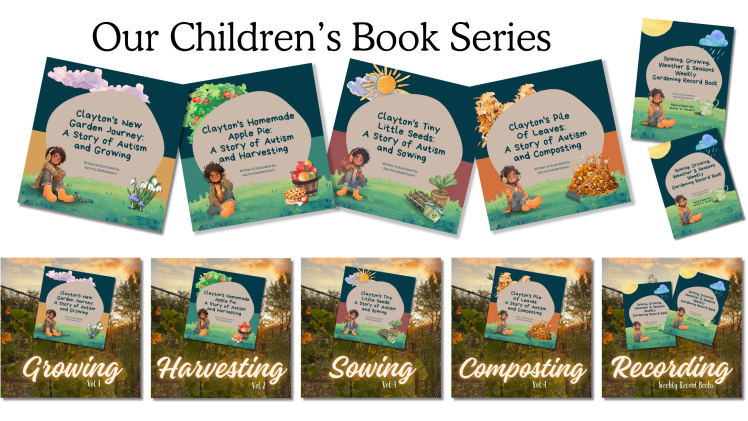
Our Children’s Book Series
Author of the new children’s book series: Clayton’s Garden Journey: Stories of Autism and Gardening and Sowing, Growing, Weather and Seasons Weekly Gardening Record Book available on Amazon and Kindle
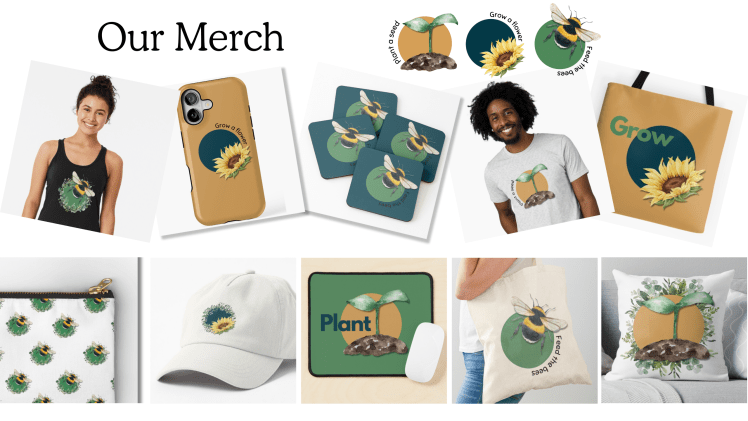
Visit Our Print On Demand Stores
Redbubble Store – Worldwide! 200+ garden & nature-inspired designs on coasters, phone covers, tote bags, mouse mats and so much more. Perfect for plant lovers, gardeners and anyone who wants to bring a touch of the outdoors into everyday life

Discover more from Building a Food Forest -Scotland
Subscribe to get the latest posts sent to your email.

I love nasturtiums. I somehow never manage to get an abundance of them though. I hope that one day, I will have so many that I can collect the fresh seed pods and pickle them like capers.
LikeLike
try planting in clusters of 3-5 seeds in the same place they seem to do really well next to each other
LikeLiked by 1 person
I’ll keep this in mind for next year
LikeLike