
Get Weekly Blogs Straight To Your Inbox

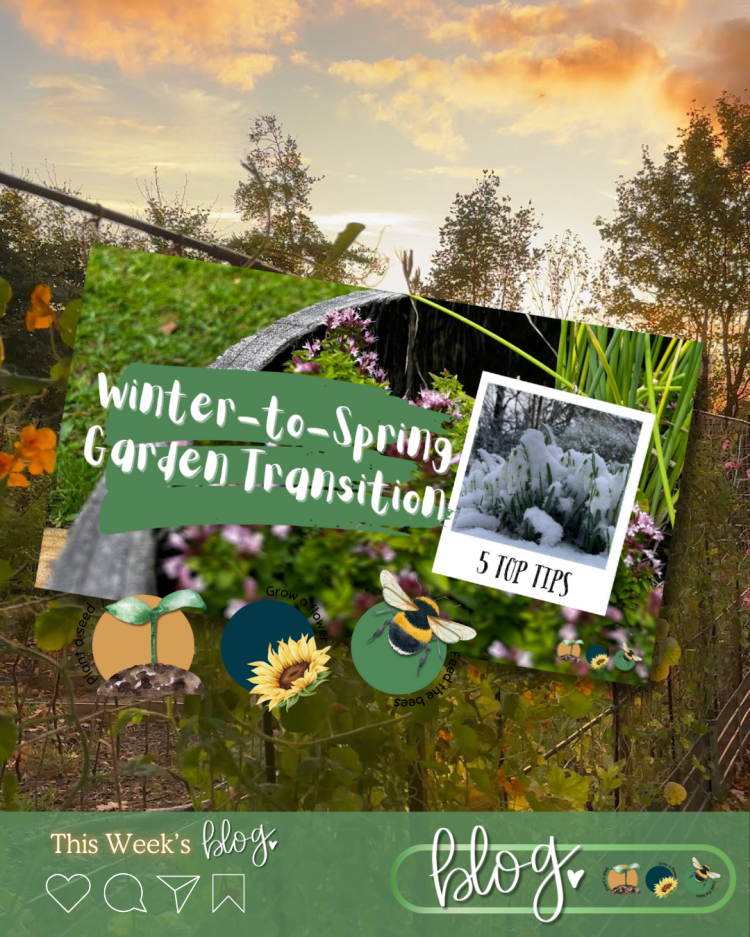
5 Top Tips for the Winter-to-Spring Garden Transition
Preparing Your Garden, Food Forest or Growing Spaces for the Season Ahead
Late Winter is a strange, hopeful time in the garden. The land still looks dormant, yet beneath the surface everything is quietly shifting. Sap begins to rise, soil organisms wake up and the days stretch just enough to remind us that Spring is coming even if the weather hasn’t quite caught up.
For gardeners and food forest growers, this Winter-to-Spring transition is less about rushing into planting and more about setting the conditions for success.
The choices you make now: what you prune, what you sow early, how you protect soil ripple through the entire growing season.
1. Planting Advice: What to Plant Now (Indoors and Outdoors)
One of the most common questions gardeners ask at this time of year is: “What can I plant now?” The answer depends on your local climate and available protection, but there’s plenty you can do, especially with a bit of shelter.
This is the time to think in layers and timelines, not just beds and rows. In a food forest mindset, you’re balancing long-term structure with short-term harvests.
Start Indoors for a Head Start
Many crops simply cannot wait for Spring to finally arrive outdoors. Using heat mats and grow lights can massively expand what you can sow in late Winter. These tools create a warm, consistent environment ideal for seeds that need higher temperatures to germinate, think tomatoes, peppers and other warm season crops that otherwise wouldn’t mature in shorter seasons like in Scotland.
Growing microgreens on your windowsill is another great Winter practice. Quick to harvest and packed with nutrients, microgreens like radish, pea shoots, kale and mustard greens thrive indoors in Winter conditions and keep your kitchen supplied with fresh greens.
Indoors
In cooler climates, February and early March are ideal for starting slow growing crops indoors.
- Tomatoes
- Chillies and peppers
- Aubergines
- Leeks and onions
- Brassicas like kale or calabrese
Use bright windowsills or grow lights to prevent leggy growth. Keep temperatures steady rather than hot, steady warmth produces stronger seedlings than quick, forced growth.
A useful principle here is succession thinking: you’re not just growing plants, you’re building momentum for the season ahead. Read our blogs on: What to Plant in Scotland Each Month: Veg, Fruits, Herbs & Edible Flowers. Planting in January and February
Outdoor and Protected Sowing
When the soil isn’t frozen or waterlogged, there are hardy vegetables you can sow outdoors, but with a little help. Using cloches or cold frames warms the soil and shields tender seedlings from frost, giving them a better chance of sprouting early. You can sow things like radishes, carrots, peas, spinach and lettuces under protective cloches for early harvests.
Bare root fruit trees and bushes are also best planted in late winter while fully dormant if conditions allow. Planting them now helps their roots settle and take advantage of warmer soil before top growth begins.
Outdoors: Only What Can Cope
Outdoors, restraint is key. If the soil is workable and not waterlogged, you can:
- Plant bare-root fruit trees and shrubs
- Sow hardy crops under protection (fleece, cloches, cold frames)
- Plant garlic (if you didn’t in autumn) in milder spells
Perennials such as fruit bushes, herbs and nitrogen fixing plants and cover crops (read more on our blog: Nitrogen Fixing Plants: Nature’s Soil Builders in Permaculture) benefit from being planted while still dormant. Their roots establish quietly before Spring growth begins exactly the kind of slow, resilient start a food forest values.
2. Pruning & Garden Prep: Seasonal Maintenance Tasks
Transitioning from Winter means shifting from simply protecting your garden to actively preparing it for growth. There are several maintenance tasks you shouldn’t overlook.
Dormant Pruning
Now is a great time to finish Winter pruning tasks. Removing dead, damaged or diseased wood from shrubs, fruit trees and perennials. This activates airflow and encourages healthier future growth. Fruit trees in particular benefit from this, especially before sap rises rapidly in spring. Check out our Raspberries: Monitoring, Recording, Pruning & Planting blog post
Clean and Sterilise
Clear away old plant material to reduce the chance of pests and disease carrying through into Spring. Clean, sharp tools matter too, wiping blades with rubbing alcohol between plants helps prevent problems spreading and keeps cuts clean and precise. Winter pruning isn’t about making things look neat; it’s about directing the plant’s stored energy where you want growth to happen next.
Pruning with Purpose
Late Winter is the last chance to prune many plants before sap flow accelerates. Focus on:
- Fruit trees (apples, pears)
- Soft fruit bushes (currants, gooseberries, raspberries)
- Climbers like wisteria or grapevines
- Dead, damaged or crossing branches
In a food forest system, pruning isn’t about forcing shapes, it’s about light access, airflow, and long-term health. Think of it as gentle editing, not control.
Leave some woody debris on site if possible. Chipped branches or stacked sticks provide habitat and can later become mulch.
Clearing Without Stripping
Resist the urge to “clean up” everything:
- Leave seed heads for birds
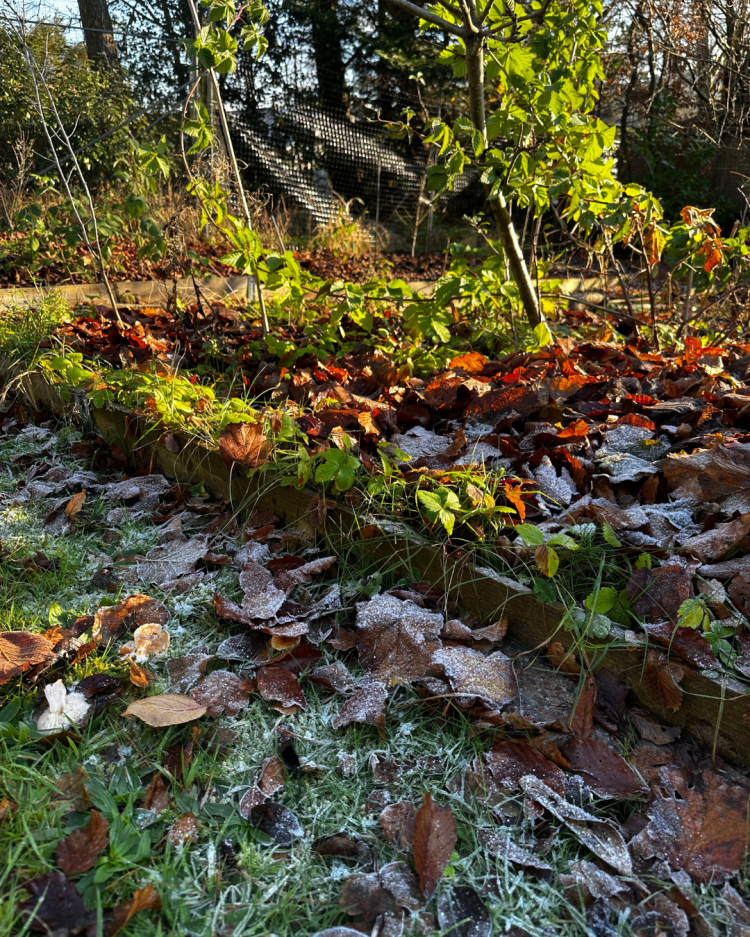
- Allow leaf litter to remain under trees and shrubs
- Avoid digging unless absolutely necessary
This protective layer shelters beneficial insects and soil life the very foundation of Spring growth.
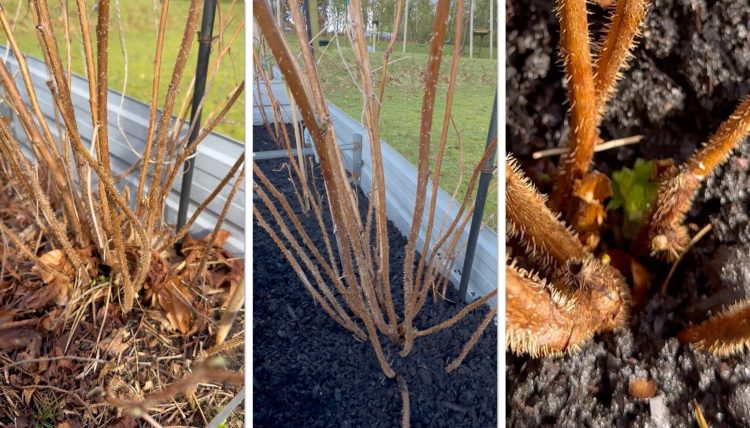
Clearing the older growth of raspberries, adding fresh with soil with nutrients on top of the leaf mould, ready to see the new growth coming up through.
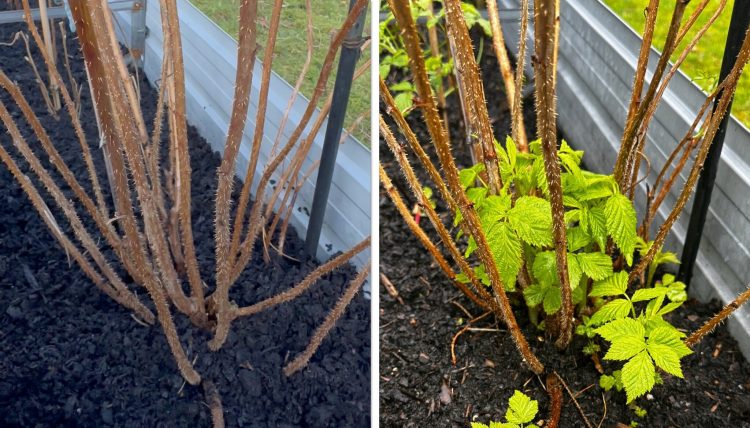
Growth 2 months on
3. Seed Starting Guides: Indoors, Under Lights, or Cloches
Starting seeds indoors is one of the best ways to extend your growing season. For regions with shorter Spring and Summer windows (like Scotland), early sowing of certain crops is a game changer.
Why Start Seeds Indoors?
Many warm season crops require soil temperatures that aren’t reached outdoors until well into Spring, if then. Heat mats help maintain consistent warmth for germination, while grow lights provide the light intensity seedlings need to develop strong roots and stems. Take a look at The Importance of Seed Starting with Heat Mats and Grow Lights blog post for more info
Even if you don’t have a greenhouse, windowsills with supplemental lighting whether dedicated grow lights or DIY setups can produce robust seedlings well before the outdoor season truly begins.
Indoors: Grow Lights & Heat Mats
If you’re using grow lights:
- Keep lights close to seedlings (5–10 cm)
- Run lights 12–14 hours per day
- Ensure good air circulation
Harden seedlings gradually before moving them outside. Sudden exposure to cold, wind, or direct sun can undo weeks of careful nurturing.
Outdoors: Cloches and Cold Frames
For cold tolerant crops, sowing outdoors under cloches or Winter fabrics creates a small, protected microclimate. These covers hold warmth and moisture in the soil, helping seeds germinate while shielding young plants from late frosts. It’s an approach that suits early peas, carrots, radishes and other hardy greens. Starting seeds early isn’t about beating the season it’s about aligning growth with the conditions that are already there.
Cold frames and cloches are powerful tools in transitional seasons. They:
- Warm soil slightly
- Protect seedlings from wind and frost
- Extend the growing season without artificial heat
Early sowing candidates include:
- Spinach
- Broad beans
- Lettuce
- Radishes
- Early peas
Think of these structures as microclimates, small, intentional disruptions that help plants thrive without fighting the wider ecosystem.

4. Soil, Mulch & Weed Control: Preparing for Spring Growth
Healthy soil is the backbone of any productive garden. Winter and early Spring are ideal times to improve its structure, nutrition and weed suppression. We write a lot about how and why we mulch you can find lots of different blog post here on mulching
Mulching for Soil Health
Applying a thick layer of organic mulch like straw, leaf mould, compost or wood chips provides multiple benefits:
- Insulates soil and preserves moisture
- Stabilises temperature fluctuations
- Minimises weed growth
- Feeds soil microbial life as it breaks down
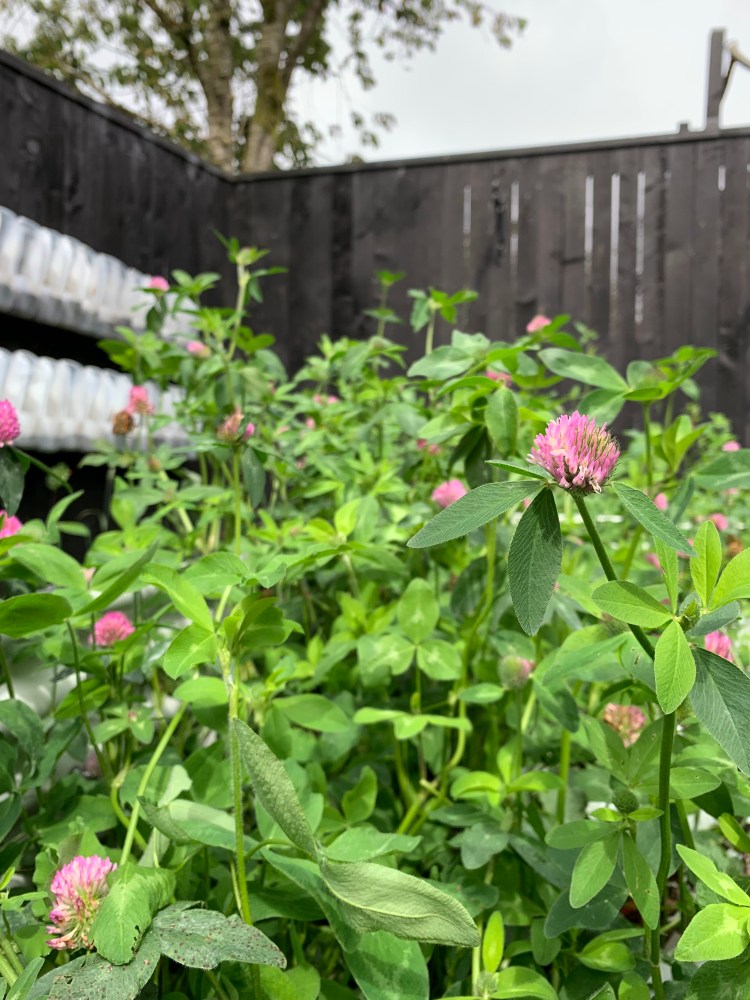
Incorporating green manures (cover crops) such as crimson clover or forage peas over Winter into Spring adds organic matter and enhances soil fertility naturally
Weed Control
Weeds compete fiercely with young seedlings for nutrients and space. Early action, whether removing them by hand or smothering them with mulch and cardboard before Spring, gives cultivated plants a major advantage.
If there’s one thing to prioritise now, it’s soil.
Healthy soil doesn’t need digging, it needs cover, food, and time.
Remember: weeds are indicators. They tell you where soil is disturbed, compacted or exposed. Treat the cause, not just the symptom.

Winter months V Spring going into Summer
5. Early Harvest Vegetables: Sowing Under Protection
For gardeners eager to enjoy fresh produce sooner rather than later, protected sowing is key.
Vegetables That Thrive Early
Using cloches, cold frames, and greenhouse conditions, you can get an early start on vegetables such as:
Carrots: Early varieties thrive under cloches for fast sprouting.
Peas: Hardy peas planted under cover establish quickly and are ready for early harvests.
Spinach, Lettuce & Radishes: Leafy greens grow well in protected conditions and mature quickly for salad crops.
Even in climates with shorter seasons, this kind of early sowing extends harvest windows dramatically.
One of the joys of Winter-to-Spring gardening is those first small harvests, proof that the season is turning.
Reliable Early Crops
Under protection, you can aim for:
- Spring onions
- Spinach
- Asian greens
- Rocket
- Baby carrots (in deeper containers or beds)
These crops thrive in cooler temperatures and don’t demand long daylight hours.
In food forest spaces, tuck them into:
- Young tree guilds
- Path edges
- Raised beds near the house
They act as living ground cover, filling gaps while larger plants are still waking up.
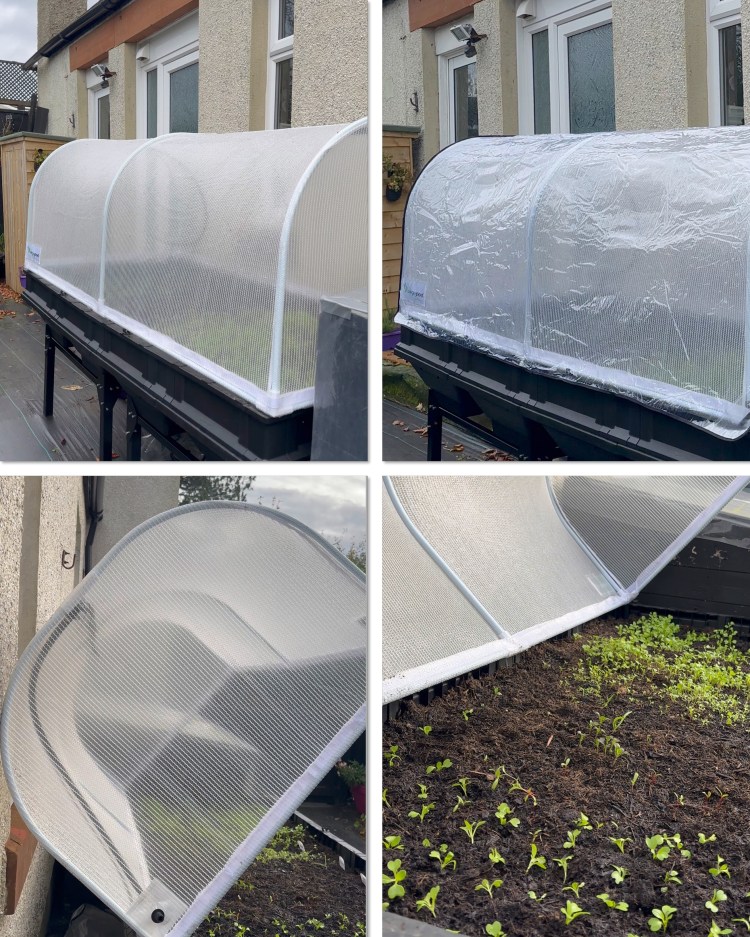
We use our Vegepod (we were gifted back in 2023) just outside in out Kitchen Courtyard to get started it has a mesh cover and also a waterproof plastic over we add onto for Winter to keep the warmth in and frost out.
Thinking Beyond the Season
This transition period isn’t just about the next few weeks, it’s about setting patterns for the entire year.
Ask yourself:
- Where did the garden struggle last season?
- Which areas dried out too quickly?
- Where did weeds dominate?
- Which plants thrived with minimal input?
Gardening is as much about observation as action. Winter-to-Spring is the perfect time to adjust designs, add diversity, and strengthen resilience.
It’s tempting to rush into Spring, especially after months of cold and darkness. But gardens, especially regenerative ones, reward patience.Spring doesn’t arrive all at once. It arrives in layers, quietly, just like a food forest itself.
From Winter Stillness to Spring Growth
The transition from Winter to Spring is one of the most important phases of the gardening year. It’s a time of preparation, planning and early action, whether that’s sowing seeds indoors under lights, pruning tired wood away, enriching soil with mulch and cover crops, or encouraging early harvests with cloches and frames.
By investing effort now, you’re laying the groundwork for growth, healthy plants and a productive garden, enjoy the transition.
Happy gardening!


Follow Us Across Our Socials
Katrina & Clayton and family live in East Ayrshire and share their daily life in the garden on instagram. They practice permaculture principles in the garden, reducing & repurposing waste whenever they can. Katrina shows how home educating in nature has helped Clayton thrive.
Clayton Completed The 2 Grow and Learn Courses with the Royal Caledonian Horticultural Society. He is Autistic, Non Verbal & has been Home Educated since 2018. Katrina & Peter hold their PDC & PDC PRO Permaculture Design Course from Oregon State University.
They featured on BBC Beechgrove Gardens Ep23 2022 and returned in 2023 for an update, Katrina & Clayton are also columnists for ScotlandGrows Magazine, Guest Blog for Caledonian Horticulture as well as working with Gardeners’ World Magazine and many other brands.
They are also Author of the new Children’s Book Series: Clayton’s Garden Journey: Stories of Autism and Gardening. Topics on Growing, Harvesting, Sowing & Composting and 108 Page Weather and Seasons Weekly Gardening Record Book available on Amazon and Kindle.
Listen in on their Guest Podcasts to learn more about them.
Get Weekly Blogs Straight To Your Inbox

Our Children’s Book Series
Author of the new children’s book series: Clayton’s Garden Journey: Stories of Autism and Gardening. Including Stories on Growing, Harvesting, Sowing, Composting, Feeding The Birds and A Sowing, Growing, Weather and Seasons Weekly Gardening Record Book available on Amazon and Kindle

Visit Our Print On Demand Stores
Redbubble Store – Worldwide! 200+ garden & nature-inspired designs on coasters, phone covers, tote bags, mouse mats and so much more. Perfect for plant lovers, gardeners and anyone who wants to bring a touch of the outdoors into everyday life

Discover more from Building a Food Forest -Scotland
Subscribe to get the latest posts sent to your email.

Hi All,
There’s quite a lot that’s useful in this write-up. Good Sunday reading.
Cheers Steph
Sent from my iPad
LikeLike
Thank you so much for saying Steph have a great rest of your day
LikeLike