

Get Weekly Blogs Straight To Your Inbox

Simple Way to Support Earth Day & National Gardening Week in 2026
Earth Day on 22nd April 2026 and National Gardening Week 27th April to 3rd May 2026 These come together as a timely reminder of the deep connections that sustain life on our planet. Beneath our feet, around us and among the flowers, essential natural systems are constantly at work, quietly supporting the balance of life. This week is an opportunity to pause, reflect and reconnect with three of the most vital elements of our environment: the soil, the air and the bees.
Each of these plays a unique and irreplaceable role. The soil forms the foundation of all growth, nurturing plants and storing the nutrients that feed ecosystems. The air surrounds and sustains us, carrying the oxygen we breathe and linking all living things in a shared atmosphere. Meanwhile, bees and other pollinators ensure the continuation of plant life, enabling gardens, crops and wild landscapes to flourish. Together, they create a delicate, interdependent system that supports biodiversity and human life alike.
Yet, these natural resources are increasingly under pressure. Soil degradation, air pollution and declining bee populations highlight the urgent need for care and restoration. Earth Day encourages us to recognise these challenges, while National Gardening Week empowers us to take action starting in our own outdoor spaces.
Whether it’s enriching the soil, planting greenery to improve air quality or creating habitats for pollinators, even small efforts can make a meaningful difference. Gardening becomes more than an activity, it becomes a way to give back to the earth and protect the systems that sustain us.
Let us celebrate and nurture the soil, the air and the bees, three pillars of life that remind us of our responsibility to care for the natural world, today and for generations to come.
The Soil
Healthy soil is the cornerstone of sustainable gardening. It stores carbon, filters water and provides plants with the minerals they need to grow strong and resilient. Yet, across the world, soil is under threat from erosion, pollution and overuse. Earth Day reminds us that caring for the soil is not optional, it is essential. By composting, reducing chemical use and planting thoughtfully, we can rebuild and protect this precious resource.
During National Gardening Week, tending to the soil becomes an act of restoration. Turning compost, planting seeds and enriching the earth are small but meaningful ways to give back. When we nurture the soil, we are not just growing plants, we are cultivating life, resilience, and hope for future generations.
By respecting and replenishing it, we take a step toward a healthier planet, one garden at a time.
The soil is more than just dirt, it’s a complex ecosystem teeming with life. From microscopic bacteria to earthworms, a web of organisms work tirelessly to break down organic matter, recycle nutrients, and maintain soil structure. Yet, modern agricultural practices and urban development have taken a toll on this precious resource, leading to soil degradation and erosion at an alarming rate.
As stewards of the earth, it’s our responsibility to replenish and protect the soil for future generations. One way to give back to the earth is by practicing sustainable gardening techniques such as composting, mulching, and crop rotation. Composting kitchen scraps and garden waste not only reduces landfill waste but also enriches the soil with essential nutrients, improving its fertility and water retention capacity.
What you can do:
Lay some cardboard on your borders.
Mulch with leaves and grass cuttings.
Dig your garden scraps into the soil.
Work with nature at replenishing not removing.
Give Back To The Soil.
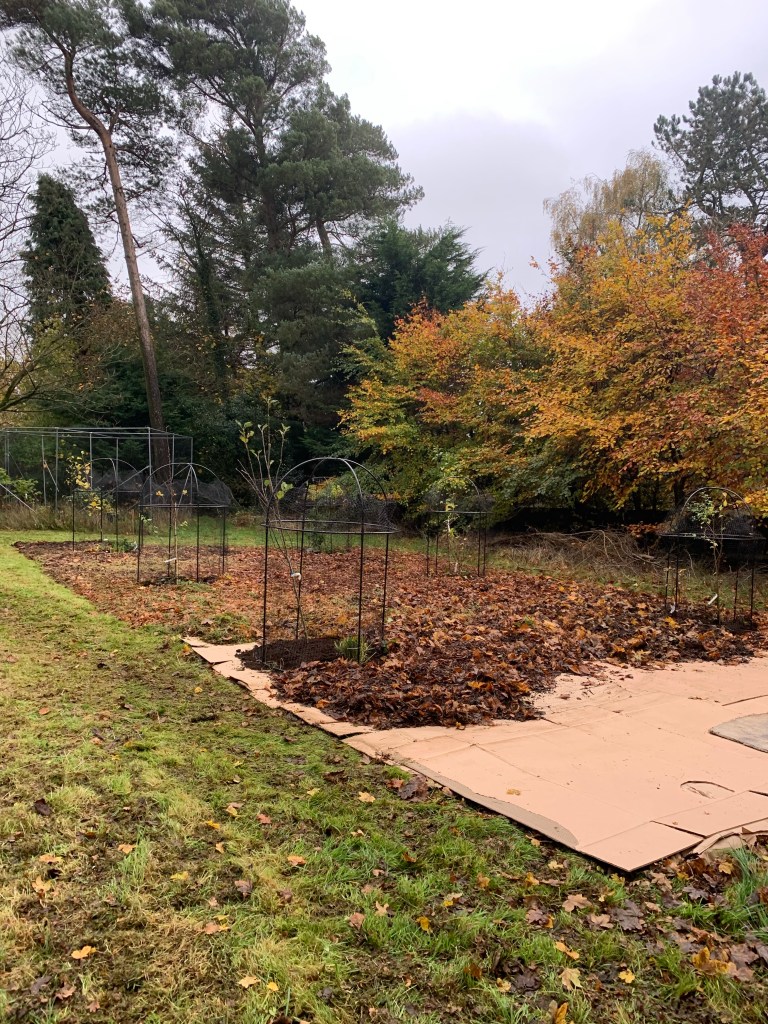


Sheet Mulching & Enriching The Soil: Video Reel – Sheet Mulching
The Air
Clean air is fundamental to life, yet it is something we often take for granted until it is compromised. The health of our air is deeply connected to the choices we make and the environments we cultivate.
Gardens play a quiet but powerful role in improving air quality. Plants absorb carbon dioxide, release oxygen and filter pollutants, helping to create healthier, more breathable spaces. Even the smallest garden or balcony filled with greenery can contribute to cleaner air and a more balanced ecosystem. In this way, gardening becomes more than a hobby, it becomes a meaningful act of environmental care.
By nurturing plants, we nurture the air itself. Each leaf, each stem and each tree contributes to a cycle that supports life across the planet. This week, let us celebrate the power of plants not just to beautify our spaces, but to sustain the very air we depend on reminding us that even small actions can have a lasting impact.
Plant a tree. Dwarf trees you can grow in large pots, in borders or as features. We take so much from the air everyday. Plant some flowers, add in a pot or create a new space. Think about those bulbs you could plant for that huge winter gap they have. Without the work of the bees we wouldn’t exist.
Embracing organic gardening methods and avoiding the use of synthetic pesticides and fertilisers can help preserve the delicate balance of soil ecosystems. These chemicals not only harm beneficial soil organisms but also leach into waterways, causing pollution and ecological damage.
What you can do:
Use natural pest control like companion planting
Plant more trees
Don’t use fertilisers that will be in the air
Give Back to the air.

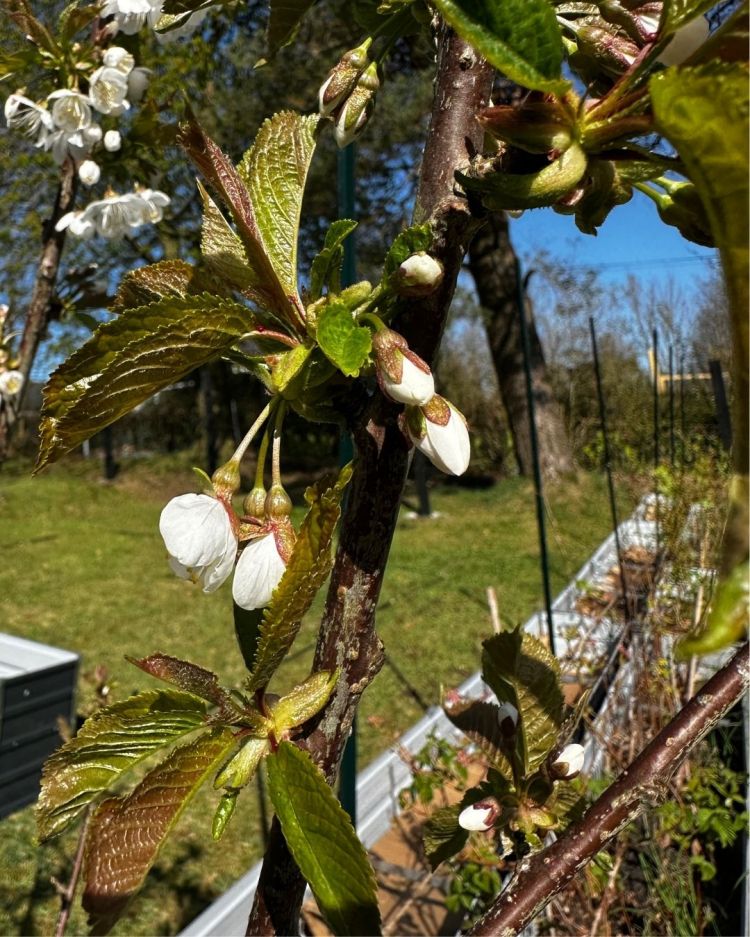

Planting Fruit Trees To Support The Air: Video Reel – Planting Trees
The Bees
Bees are responsible for pollinating a vast range of fruits, vegetables and wild plants, making them indispensable to biodiversity and food security. Yet, they face growing threats from habitat loss, pesticides, climate change and disease. Their decline is a clear signal that our natural systems are under strain and it calls for urgent attention and care.
By planting pollinator friendly flowers, avoiding harmful chemicals and creating safe habitats, gardeners can provide essential resources for these vital insects. Even a small patch of bee friendly plants can become a refuge, helping to sustain local populations.
By working with nature rather than against it, we can ensure that bees continue to thrive and that our gardens remain vibrant, productive and full of life and let’s take a moment to recognise the invaluable contributions of bees to our ecosystems and commit to giving back to the earth by safeguarding these essential pollinators.
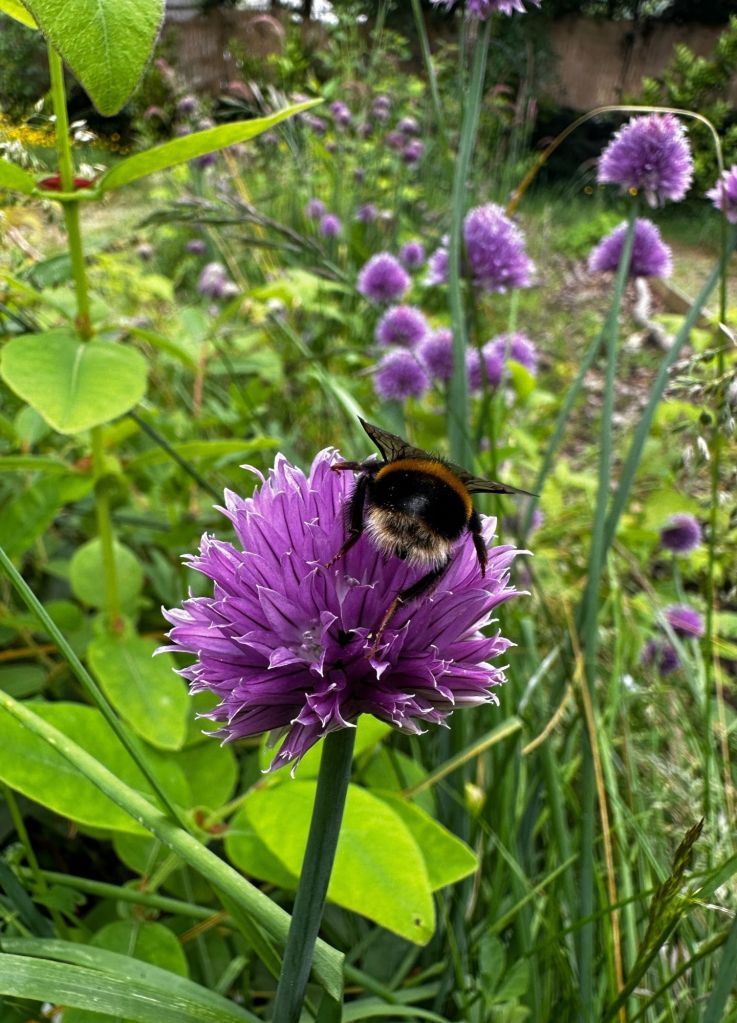
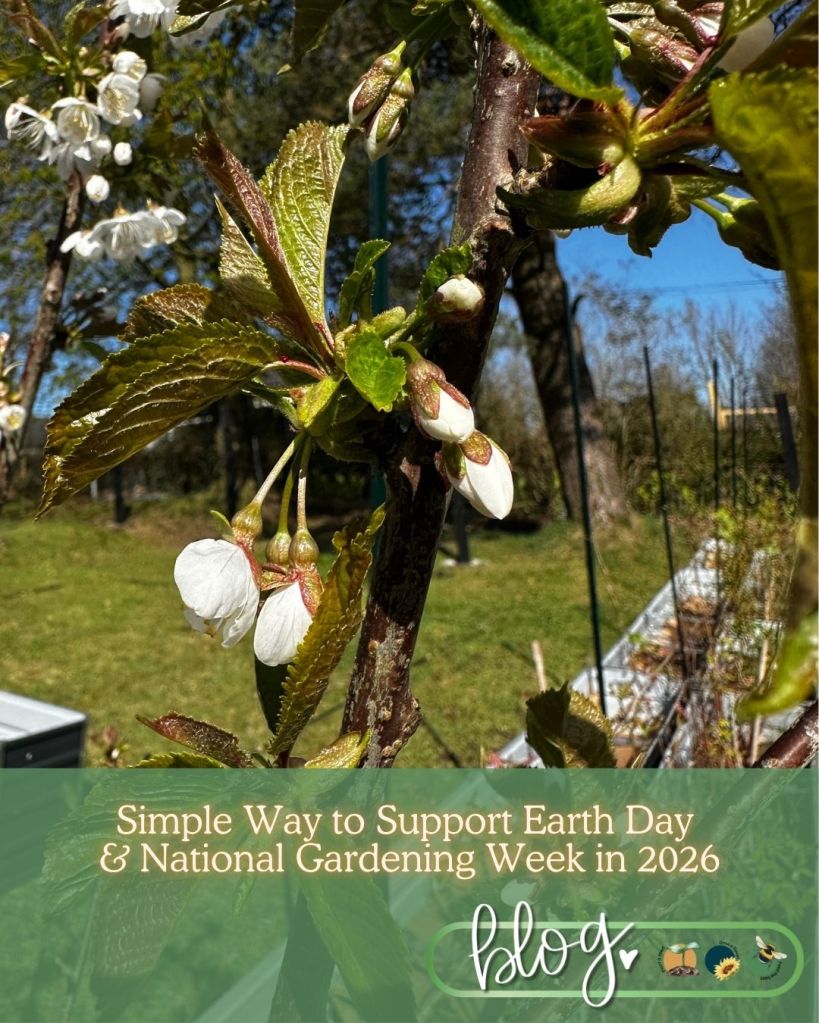
Bees, with their delicate wings and diligent work ethic, play a crucial role in pollinating flowering plants, including many of the fruits, vegetables, and wildflowers that sustain both humans and wildlife. However, bees worldwide face numerous threats, including habitat loss, pesticide exposure, climate change, and diseases. Below a photo of a bee on our cherry tree blossom.
What you can do to help:
Planting bee-friendly gardens filled with a diverse array of flowering plants
Add in a bee hotel/ space for bees to rest somewhere in your garden
Watering stations for them to stop and refuel
Give Back to the bees.
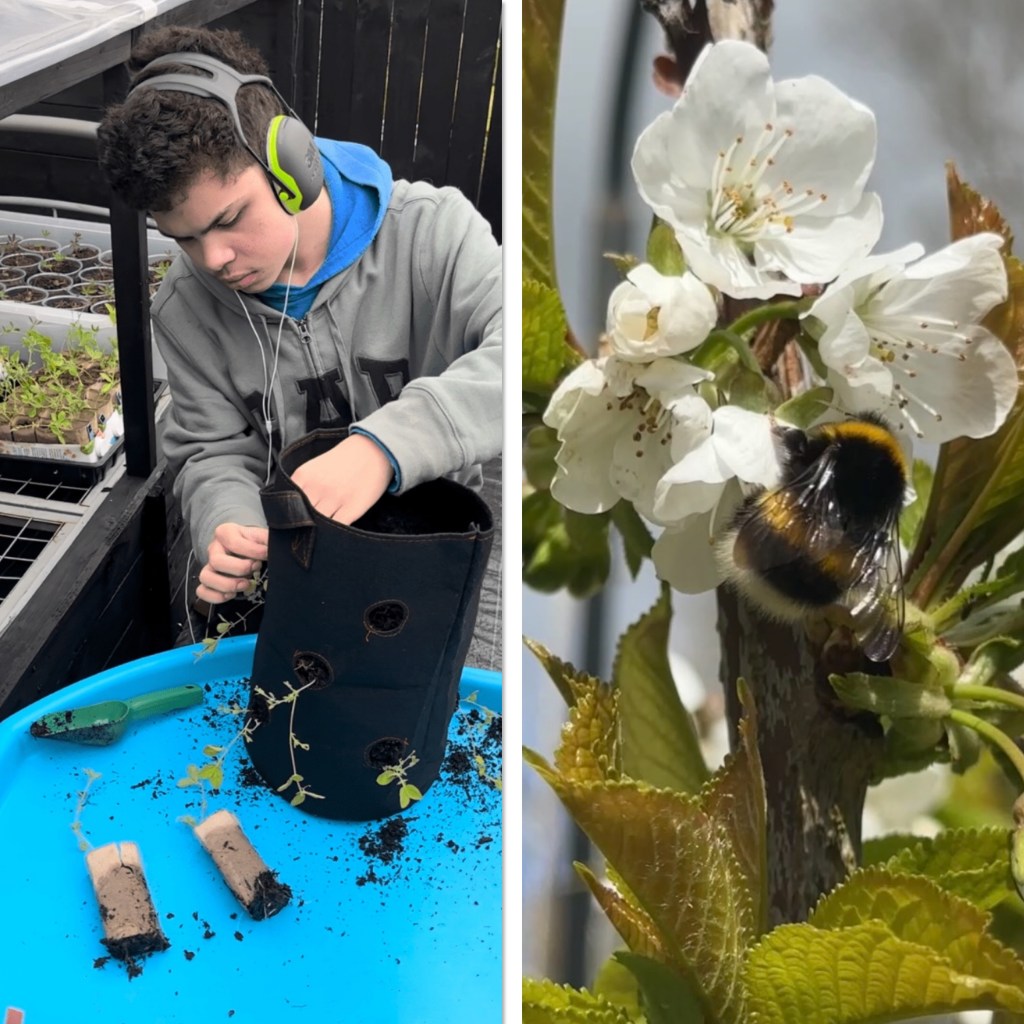
Patio Sweet Peas In Strawberry Baskets To Help The Bees: Video Reel – Feeding The Bees
We have a collection of print on demand Messages of Hope items that embrace the messages that we try and inspire.
Messages of Hope
Plant A Seed
Grow A Flower
Feed The Bees

Happy Gardening!


Katrina & Clayton and family live in East Ayrshire and share their daily life in the garden on instagram. They practice permaculture principles in the garden, reducing & repurposing waste whenever they can. Katrina shows how home educating in nature has helped Clayton thrive.
Clayton Completed The 2 Grow and Learn Courses with the Royal Caledonian Horticultural Society. He is Autistic, Non Verbal & has been Home Educated since 2018. Katrina & Peter hold their PDC & PDC PRO Permaculture Design Course from Oregon State University.
They featured on BBC Beechgrove Gardens Ep23 2022 and returned in 2023 for an update,Katrina & Clayton are also columnists for ScotlandGrows Magazine, Guest Blog for Caledonian Horticulture as well as working with Gardeners’ World Magazine and many other brands.
They are also Author of the new Children’s Book Series: Clayton’s Garden Journey: Stories of Autism and Gardening. Topics on Growing, Harvesting, Sowing & Composting and 108 Page Weather and Seasons Weekly Gardening Record Book available on Amazon and Kindle.
Listen in on their Guest Podcasts to learn more about them.
Get new content delivered directly to your inbox.
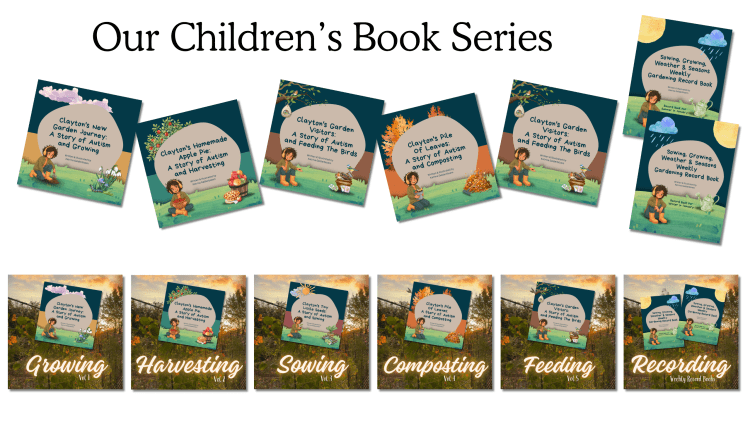
Our Children’s Book Series
Author of the new children’s book series: Clayton’s Garden Journey: Stories of Autism and Gardening. Including Stories on Growing, Harvesting, Sowing, Composting, Feeding The Birds and A Sowing, Growing, Weather and Seasons Weekly Gardening Record Book available on Amazon and Kindle
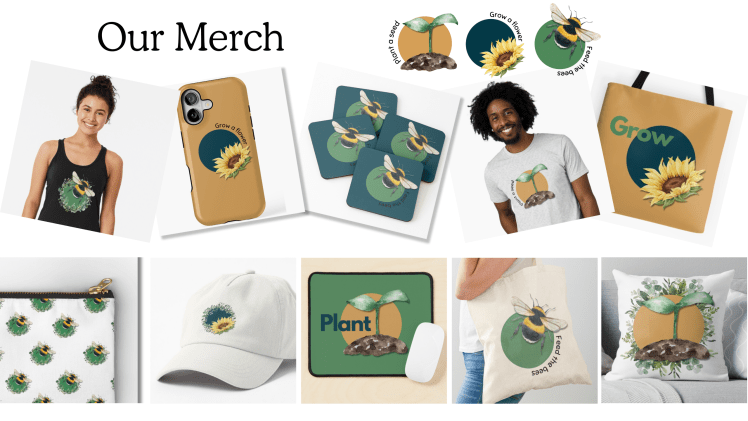
Visit Our Print On Demand Stores
Redbubble Store – Worldwide! 200+ garden & nature-inspired designs on coasters, phone covers, tote bags, mouse mats and so much more. Perfect for plant lovers, gardeners and anyone who wants to bring a touch of the outdoors into everyday life

Discover more from Building a Food Forest -Scotland
Subscribe to get the latest posts sent to your email.
