
Get Weekly Blogs Straight To Your Inbox

10 Common UK Garden Pests and What Their Presence Means
Spotting pests in your garden can feel frustrating, especially after weeks of nurturing healthy plants. But pests are often more than just unwanted visitors. Their presence can reveal important clues about the health of your soil, the condition of your plants and even imbalances in your garden ecosystem.
In many cases, pests appear because plants are stressed, the weather has shifted or natural predators are missing. Instead of seeing every insect as an enemy, it helps to understand what they are trying to tell you.
1. Aphids
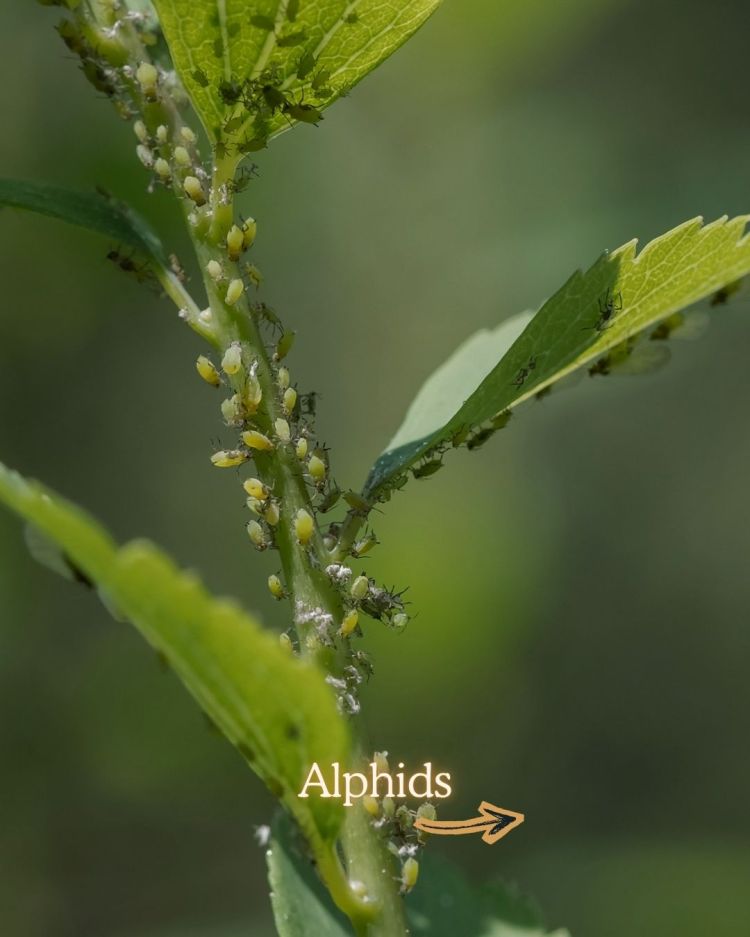
Aphids are one of the most common pests in UK gardens. These tiny green, black, white, or pink insects gather on soft new growth, flower buds and stems, sucking sap from plants.
Signs of Aphids
- Curled or distorted leaves
- Sticky residue called honeydew
- Ants crawling around plants
- Weak or stunted growth
What Their Presence Means
Aphids are often a sign of overly soft, nitrogen rich growth. This usually happens when plants receive too much high nitrogen fertiliser or are growing very quickly during warm, wet weather. They also target stressed plants, a plant struggling with poor watering, lack of airflow or overcrowding is far more vulnerable to aphid infestations. Interestingly, aphids can also indicate that your garden lacks predator insects such as ladybirds, lacewings, and hover flies.
What to Do
- Encourage beneficial insects with pollinator friendly flowers
- Avoid overfeeding plants
- Spray with water to dislodge colonies
- Pinch out heavily infested tips
2. Slugs and Snails
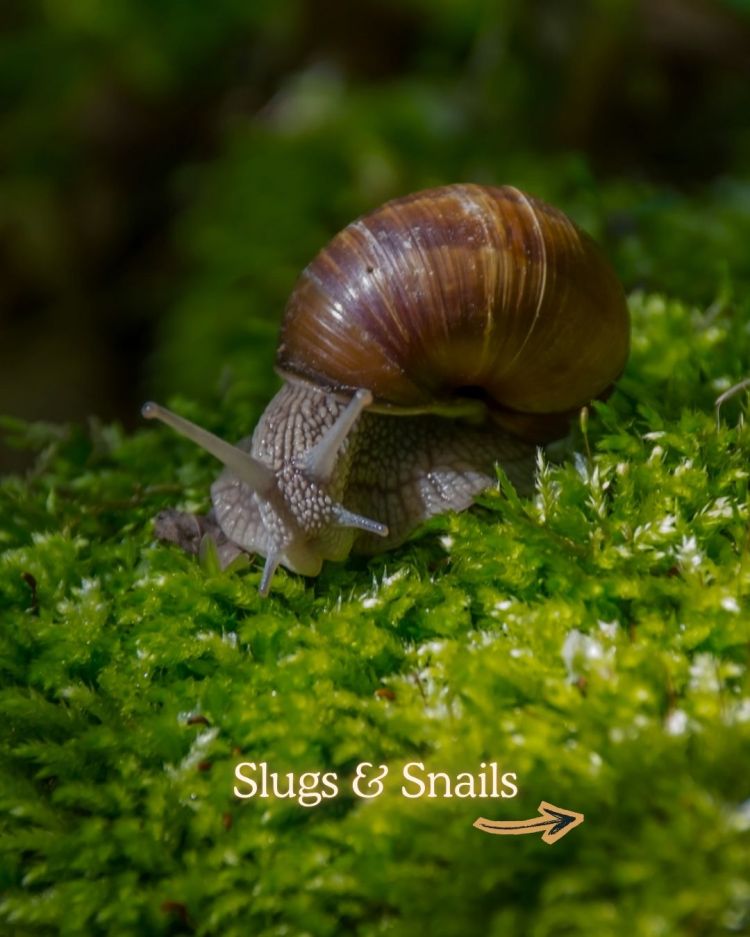
Slugs and snails are infamous in UK gardens, especially during damp Spring and Summer weather. They feed at night and leave irregular holes in leaves.
Signs of Slugs and Snails
- Slimy trails
- Ragged holes in leaves
- Seedlings disappearing overnight
- Damage near soil level
What Their Presence Means
Large slug populations often point to excess moisture, heavy mulch layers, poor airflow or too many hiding places. While they are frustrating, slugs also play an important role in breaking down decaying organic matter. An explosion in numbers may indicate that your garden contains plenty of decomposing material or consistently damp conditions. Severe slug damage can also signal weak young plants struggling to establish themselves.
What to Do
- Water in the morning rather than evening
- Create barriers using copper tape or rough materials
- Encourage frogs, hedgehogs and birds
- Remove hiding spots like old pots and debris
3. Whitefly
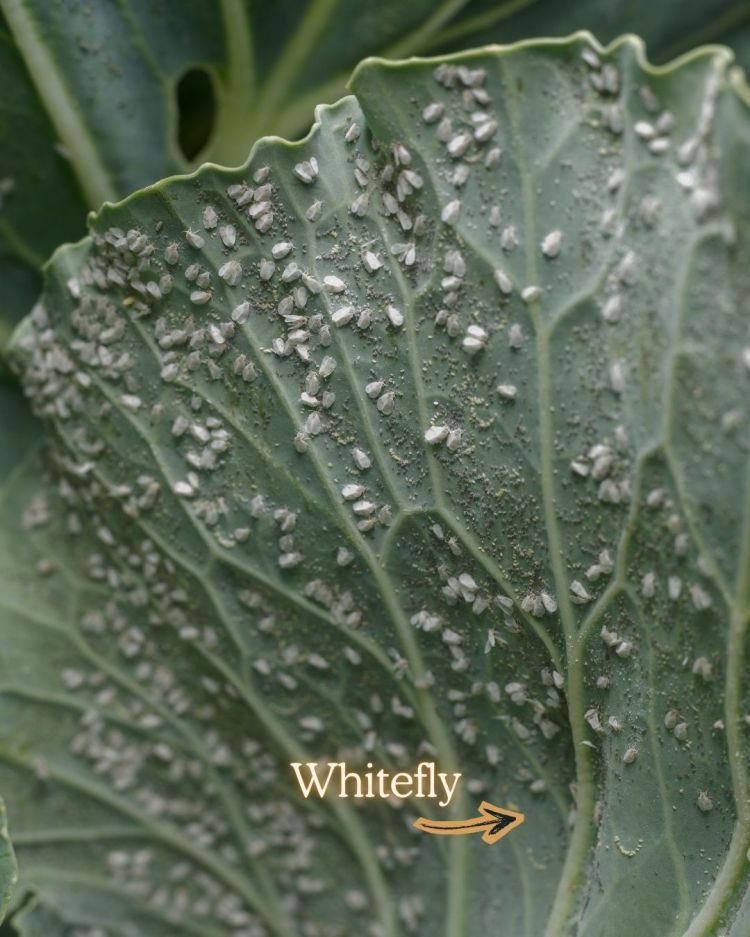
Whiteflies are tiny white insects that flutter up in clouds when disturbed. They are especially common in greenhouses but also affect outdoor plants during warmer months.
Signs of Whitefly
- Sticky leaves
- Yellowing foliage
- Weak plant growth
- Tiny white insects under leaves
What Their Presence Means
Whiteflies thrive in warm, still environments with poor ventilation. Their appearance often suggests overcrowded planting or stagnant air circulation. They are also drawn to stressed plants, particularly those growing in containers or greenhouses where temperatures fluctuate dramatically.
What to Do
- Improve airflow around plants
- Avoid overcrowding
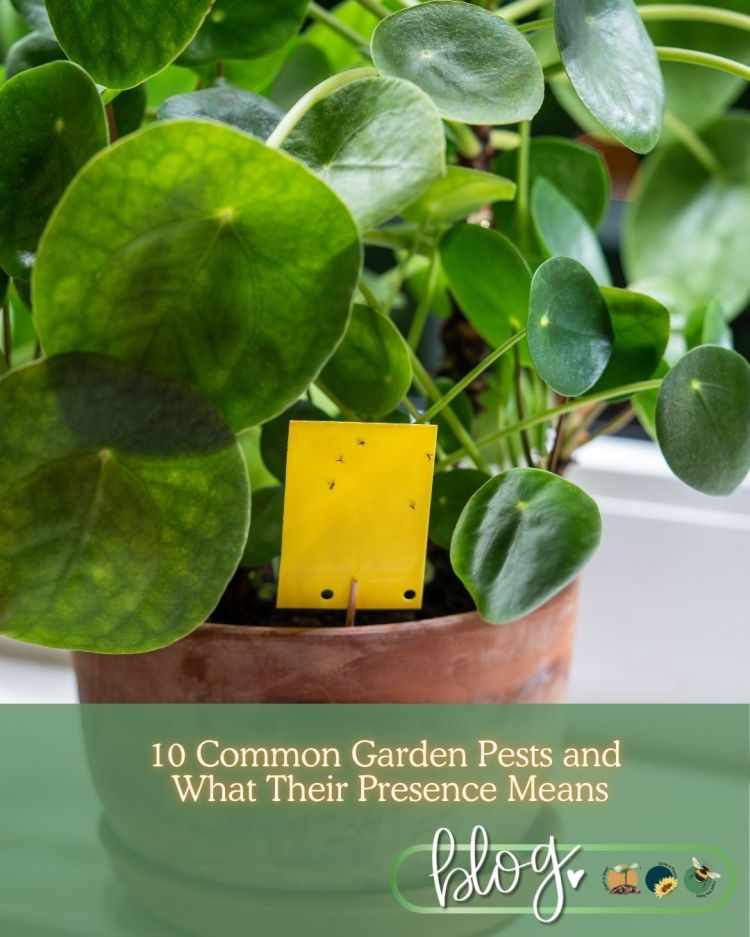
- Use yellow sticky traps
- Regularly inspect the undersides of leaves
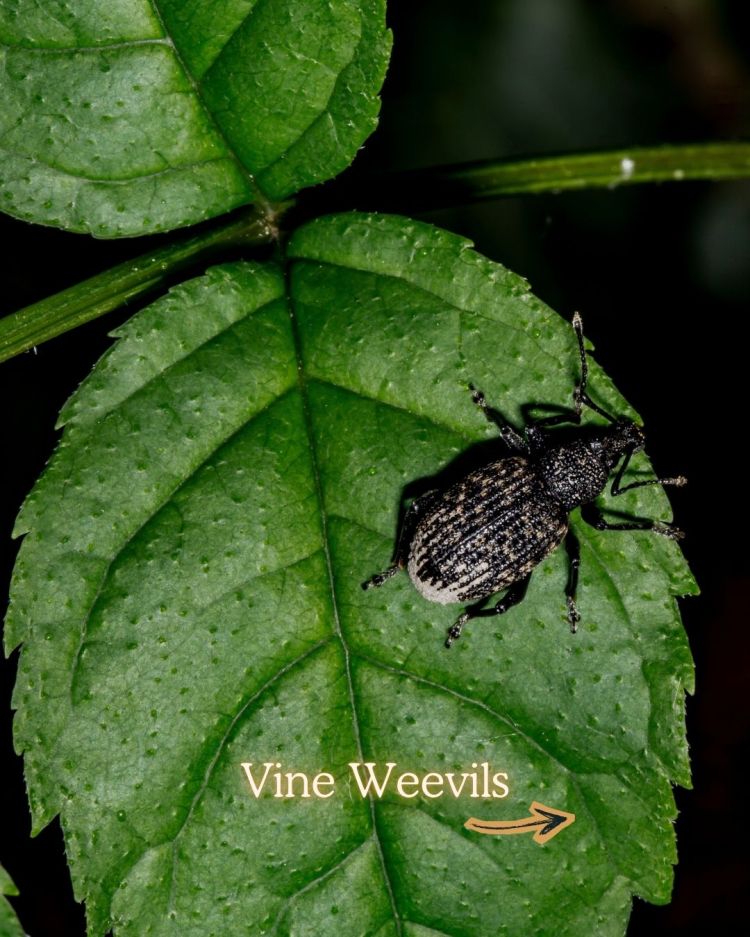
4. Vine Weevil
Vine weevils are a major problem in UK container gardens. The adult beetles chew notches into leaves, but the real damage comes from their grubs, which eat plant roots underground.
Signs of Vine Weevil
- Notched leaf edges
- Wilting despite watering
- Plants collapsing suddenly
- Cream coloured grubs in compost
What Their Presence Means
Vine weevils often indicate consistently moist compost and sheltered growing conditions. Container plants are especially vulnerable because the pests can multiply unnoticed. Their presence may also reveal poor crop rotation in pots or reused compost where larvae remain hidden.
What to Do
- Check compost regularly
- Use biological controls like nematodes
- Avoid overwatering containers
- Replace heavily infested compost
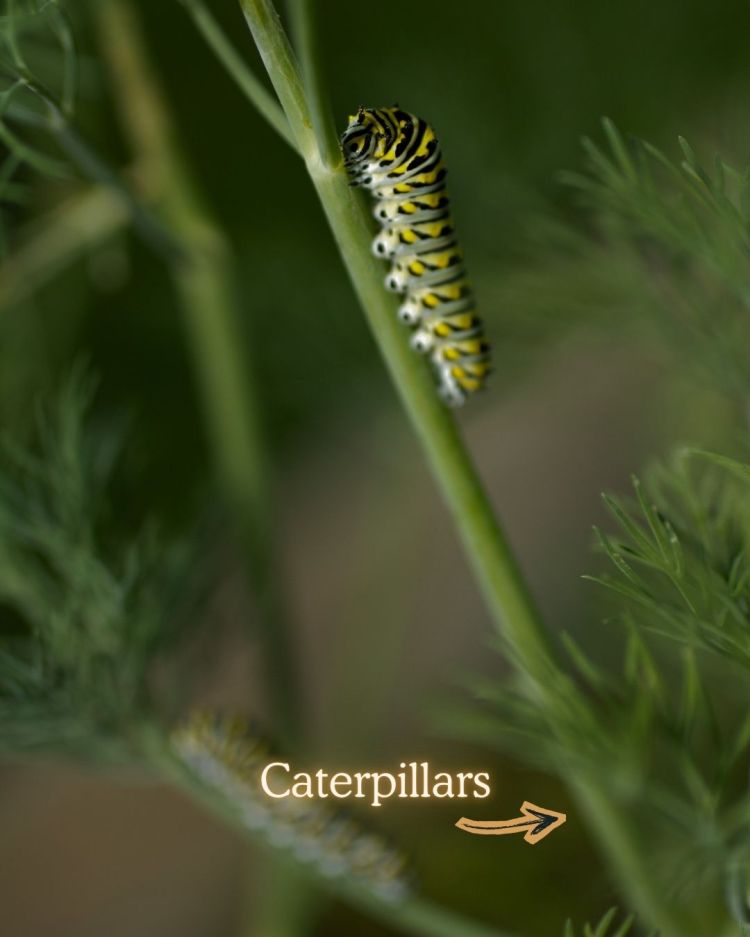
5. Cabbage White Caterpillars
The cabbage white butterfly may look harmless, but its caterpillars can devastate brassicas like cabbage, kale, broccoli and sprouts.
Signs of Caterpillars
- Large holes in leaves
- Green caterpillars underneath foliage
- Black droppings on leaves
- Skeletonised plants
What Their Presence Means
If cabbage white caterpillars are attacking your crops, it often means your brassicas are unprotected and easy for butterflies to access. Heavy infestations can also indicate a lack of birds and predatory insects in your garden ecosystem, because butterflies are attracted to healthy plants, their presence is not always a bad sign, it often means your crops are thriving.
What to Do
- Cover brassicas with fine mesh netting
- Check leaves regularly for eggs
- Encourage birds into the garden
- Plant sacrificial nasturtiums nearby
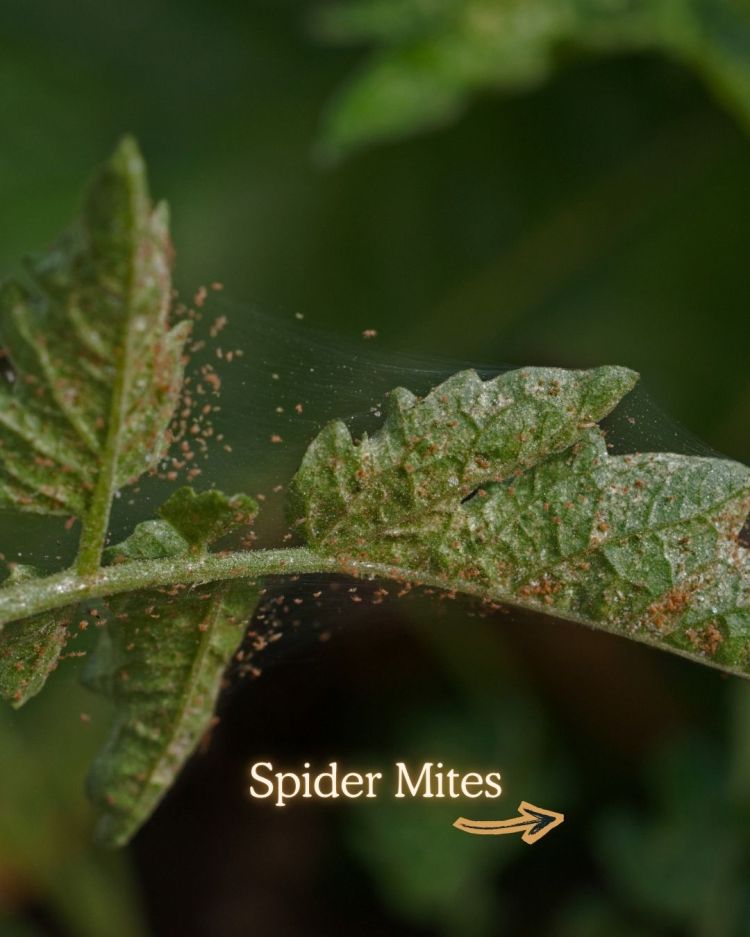
6. Spider Mites
Spider mites are tiny pests that thrive during hot, dry weather. They are difficult to spot at first but can quickly weaken plants.
Signs of Spider Mites
- Fine webbing
- Speckled yellow leaves
- Dry, brittle foliage
- Leaves dropping prematurely
What Their Presence Means
Spider mites usually appear when conditions are too dry. They are especially common in greenhouses, conservatories and during heatwaves. Their presence often points to environmental stress. Plants suffering from drought or low humidity become prime targets.
What to Do
- Increase humidity around plants
- Water consistently
- Hose down leaves regularly
- Improve ventilation in greenhouses
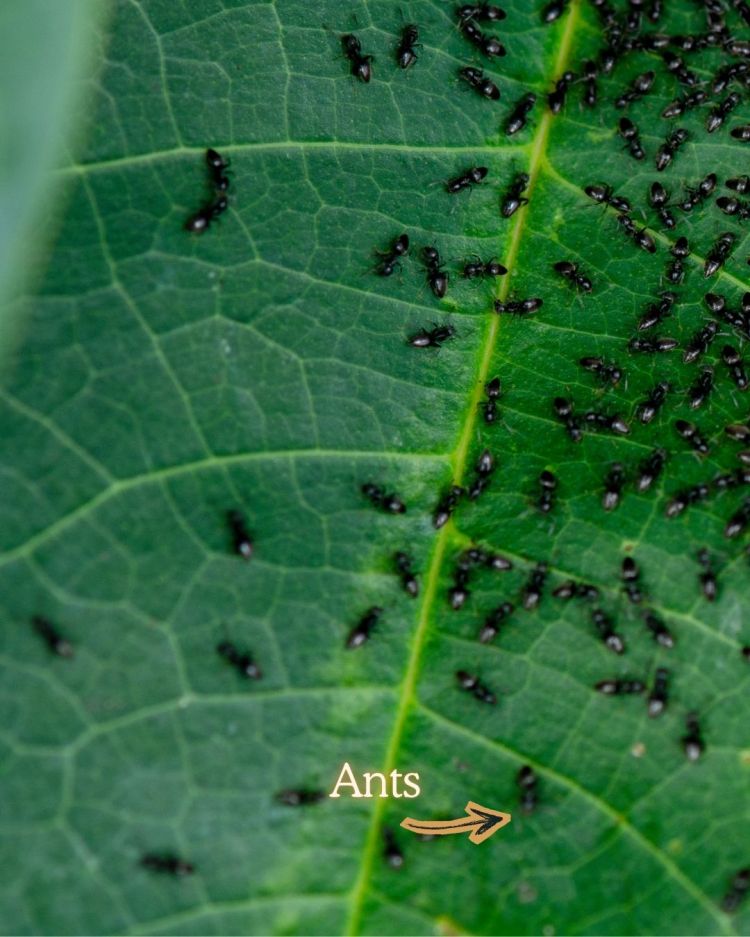
7. Ants
Ants themselves rarely damage plants directly, but they often farm aphids for their sugary honeydew.
Signs of Ant Activity
- Ant trails across beds
- Soil mounds
- Increased aphid problems
- Ant nests in containers
What Their Presence Means
Ants are often a sign of aphid infestations nearby. They protect aphids from predators in exchange for honeydew. Ant nests can also indicate dry, sandy soil conditions, as ants prefer loose, warm ground for nesting. In moderation, ants are beneficial because they aerate soil and help break down organic matter.
What to Do
- Deal with aphids first
- Keep compost evenly moist
- Disturb nests if necessary
- Encourage natural predators
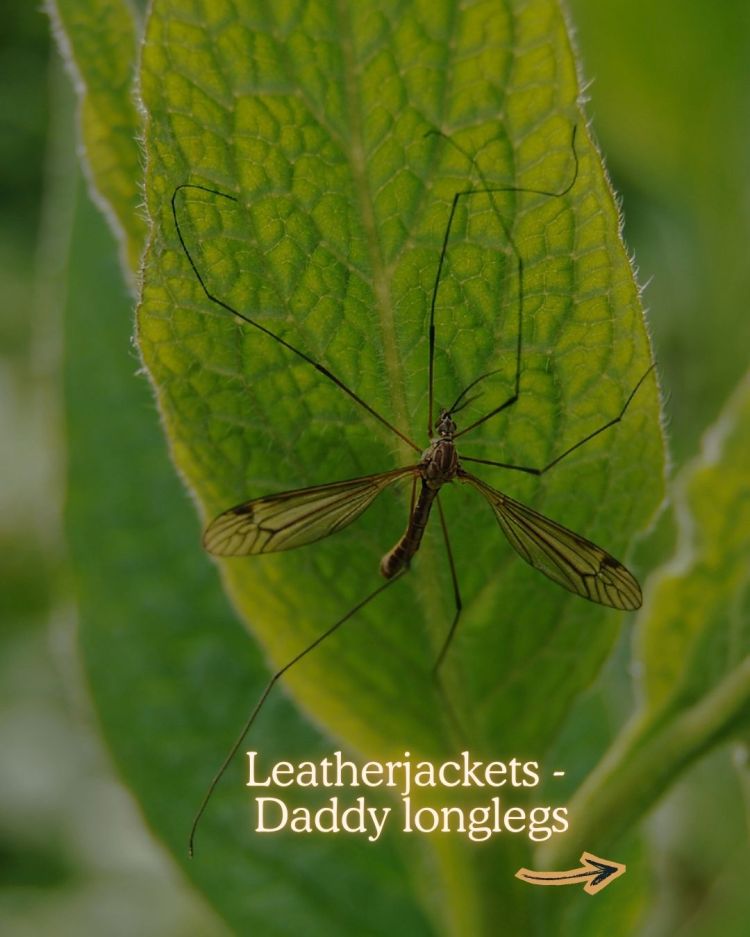
8. Leatherjackets
Leatherjackets are the larvae of crane flies, also known as daddy longlegs. They feed on grass roots and young seedlings.
Signs of Leatherjackets
- Patchy yellow lawns
- Seedlings collapsing
- Birds pecking heavily at soil
- Grey brown larvae underground
What Their Presence Means
Leatherjackets are common in lawns with compacted or poorly drained soil. Wet Autumn conditions also encourage crane flies to lay eggs. If birds are constantly digging in your lawn, it may be a clue that leatherjackets are present beneath the surface.
What to Do
- Improve lawn drainage
- Aerate compacted soil
- Encourage birds naturally
- Use nematodes if infestations are severe
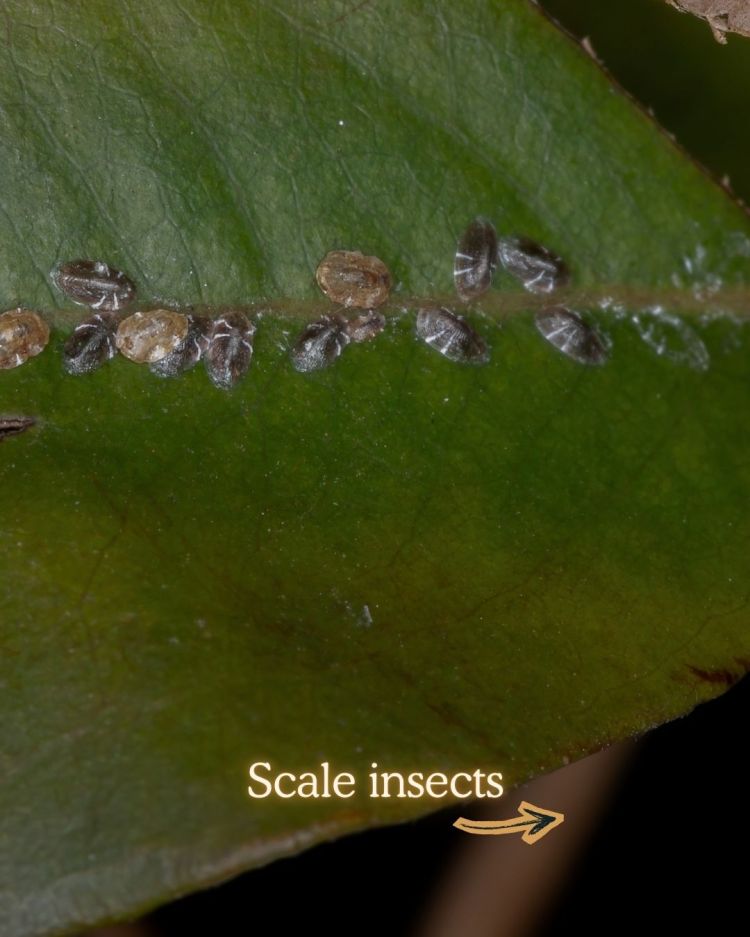
9. Scale Insects
Scale insects appear as small bumps attached to stems and leaves. They feed on plant sap and are especially common on indoor plants, fruit trees and evergreen shrubs.
Signs of Scale Insects
- Sticky honeydew
- Yellowing leaves
- Sooty mould
- Small shell like bumps on stems
What Their Presence Means
Scale insects often appear on weakened or neglected plants. Poor airflow, lack of pruning and environmental stress can all contribute. They are particularly attracted to plants already struggling with drought, nutrient imbalance, or insufficient light.
What to Do
- Prune crowded growth
- Wipe insects off manually
- Improve plant care overall
- Inspect plants regularly
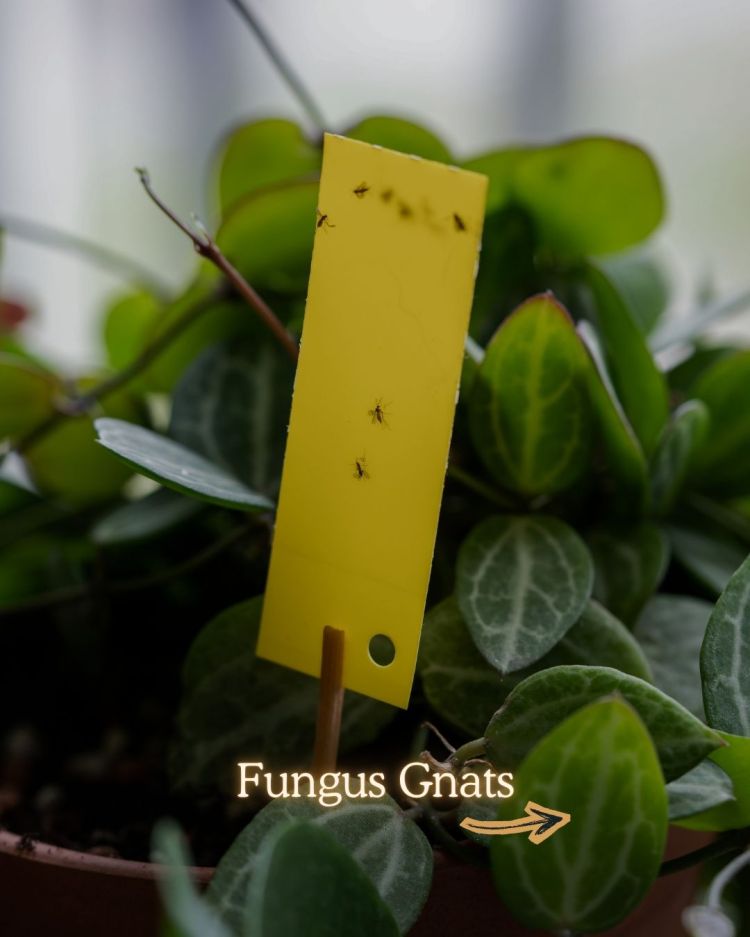
10. Fungus Gnats
Fungus gnats are tiny black flies often found around houseplants, seedlings and greenhouse trays.
Signs of Fungus Gnats
- Tiny flies hovering around compost
- Poor seedling growth
- Damp compost
- Larvae in soil
What Their Presence Means
Fungus gnats are almost always a sign of overly wet compost. Constant moisture creates ideal breeding conditions for larvae. Their appearance may indicate overwatering, poor drainage, or compost that remains soggy for long periods. While adult gnats are mostly harmless, larvae can damage delicate roots and seedlings.
What to Do
- Let compost dry slightly between watering
- Improve drainage
- Use sticky traps
- Avoid leaving trays sitting in water
What Garden Pests Can Teach You
One of the biggest mindset shifts in gardening is learning to view pests as indicators rather than simply invaders.
Pests usually appear for a reason:
- Plants are stressed
- Soil conditions are unbalanced
- Airflow is poor
- Biodiversity is lacking
- Watering habits need adjusting
- Weather conditions have changed
A healthy garden ecosystem naturally keeps most pests under control. Birds, frogs, beetles, lacewings, hover flies and hedgehogs all play important roles in balancing pest populations.
Completely pest free gardens are actually quite rare. In many cases, a few pests are a sign that your garden is functioning as part of a wider ecosystem.
How to Prevent Pest Problems Naturally
The best pest control starts long before insects arrive. Healthy gardens are naturally more resilient and less attractive to pests.
Improve Soil Health: Healthy soil creates stronger plants that are better able to resist damage. Add compost regularly and avoid exhausting soil with constant heavy feeding.
Encourage Biodiversity: Plant flowers that attract pollinators and predator insects. Leave small wild areas where frogs, beetles and hedgehogs can shelter.
Avoid Overfeeding: Too much nitrogen creates soft leafy growth that pests love.
Water Properly: Deep, consistent watering helps plants stay resilient. Avoid constantly soggy soil or severe drought stress.
Improve Airflow: Overcrowded plants trap moisture and create ideal conditions for pests and disease.
Inspect Plants Often: Catching problems early prevents major infestations later.
Garden pests can feel discouraging, but they are often valuable messengers. Aphids may reveal overfed plants. Slugs may point to damp conditions. Fungus gnats often expose overwatering. Even caterpillars can signal healthy, thriving crops.
The key is not to panic at the first sign of damage. Instead, use pests as clues to better understand what is happening in your garden.
When you focus on building healthy soil, strong plants, and a balanced ecosystem, pest problems usually become far more manageable naturally without needing harsh chemicals or constant intervention.
More info on indicators in your garden go to our blogs on Common Weeds in your Garden: that can help diagnose your soil.
Happy Gardening!

Katrina & Clayton and family live in East Ayrshire and share their daily life in the garden on instagram. They practice permaculture principles in the garden, reducing & repurposing waste whenever they can. Katrina shows how home educating in nature has helped Clayton thrive.
Clayton Completed The 2 Grow and Learn Courses with the Royal Caledonian Horticultural Society. He is Autistic, Non Verbal & has been Home Educated since 2018. Katrina & Peter hold their PDC & PDC PRO Permaculture Design Course from Oregon State University.
They featured on BBC Beechgrove Gardens Ep23 2022 and returned in 2023 for an update, Katrina & Clayton are also columnists for ScotlandGrows Magazine, Guest Blog for Caledonian Horticulture as well as working with Gardeners’ World Magazine and many other brands.
They are also Author of the new Children’s Book Series: Clayton’s Garden Journey: Stories of Autism and Gardening. Topics on Growing, Harvesting, Sowing & Composting and 108 Page Weather and Seasons Weekly Gardening Record Book available on Amazon and Kindle.
Listen in on their Guest Podcasts to learn more about them.
Get Weekly Blogs Straight To Your Inbox
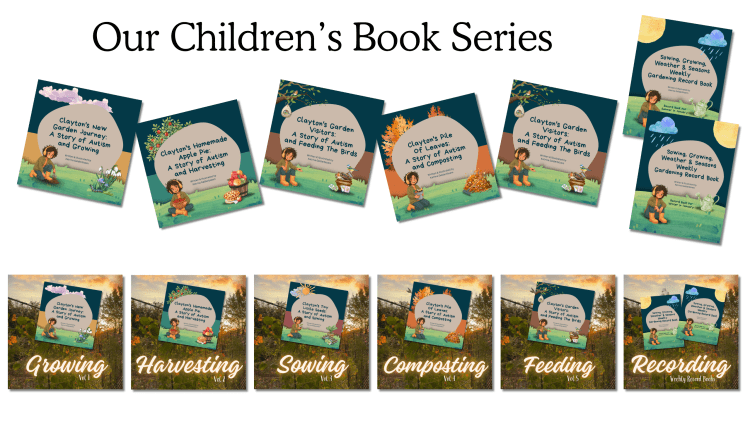
Our Children’s Book Series
Author of the new children’s book series: Clayton’s Garden Journey: Stories of Autism and Gardening. Including Stories on Growing, Harvesting, Sowing, Composting, Feeding The Birds and A Sowing, Growing, Weather and Seasons Weekly Gardening Record Book available on Amazon and Kindle
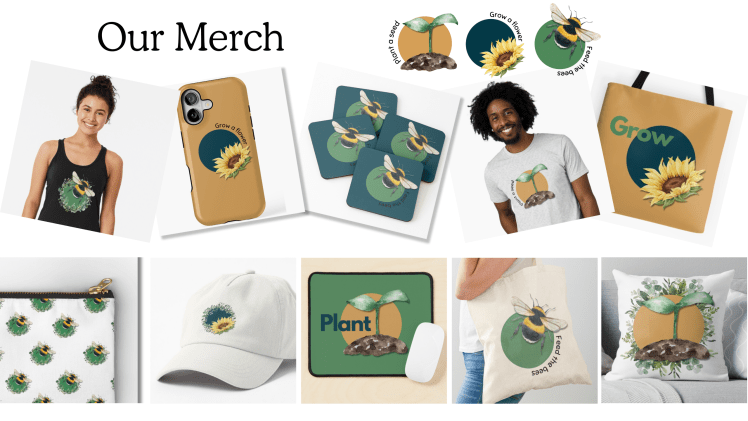
Visit Our Print On Demand Stores
Redbubble Store – Worldwide! 200+ garden & nature-inspired designs on coasters, phone covers, tote bags, mouse mats and so much more. Perfect for plant lovers, gardeners and anyone who wants to bring a touch of the outdoors into everyday life

Discover more from Building a Food Forest -Scotland
Subscribe to get the latest posts sent to your email.

2 thoughts on “10 Common UK Garden Pests and What Their Presence Means”