
Get Weekly Blogs Straight To Your Inbox
10 Crops You Should Never Pull Out Of The Ground (And Why)
At the end of a growing season it is tempting to pull everything out.
The beds look tidier.
The old plants are gone and you have a clean space ready for the next crop.
But in a permaculture garden, an empty bed is rarely the goal.
Many plants that have finished producing still have an important job to do underground. Their roots hold soil together, feed soil organisms, create channels for air and water and in some cases fix nitrogen that can benefit the plants that follow.
Instead of automatically pulling finished plants from the ground, try cutting them back at soil level and leaving the roots where they are.
The soil does not need to be cleaned out. It needs to be protected.
Here are 10 crops worth leaving in the ground whenever possible.
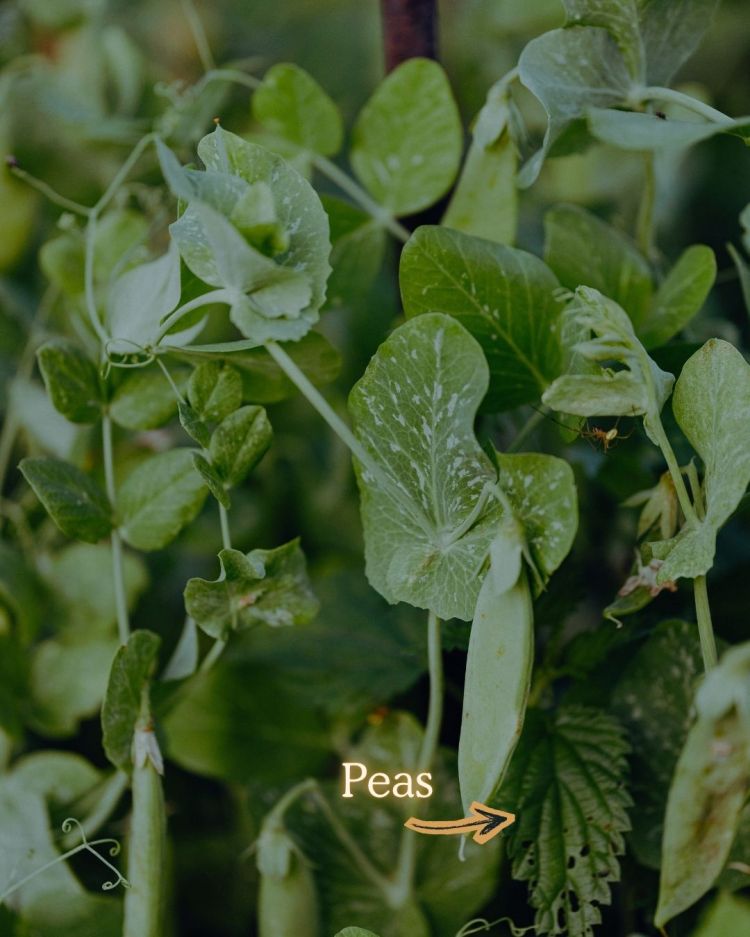
1. Peas
Once your peas have finished cropping, resist the urge to pull them up.
Peas are legumes which form relationships with nitrogen fixing bacteria around their roots. These bacteria help convert atmospheric nitrogen into forms that plants can use. Read more about Nitrogen fixing plants here: Nitrogen Fixing Plants: Nature’s Soil Builders in Permaculture
The pea plant may be finished producing pods but its roots are still part of the soil ecosystem.
Cut the plant down at ground level and leave the roots in place. As those roots break down they contribute organic matter to the soil and leave behind channels that improve soil structure.
The old stems can be chopped and added to the compost heap or used as a light mulch if they are healthy.
This simple change means you harvest your peas and keep much of the underground benefit too.
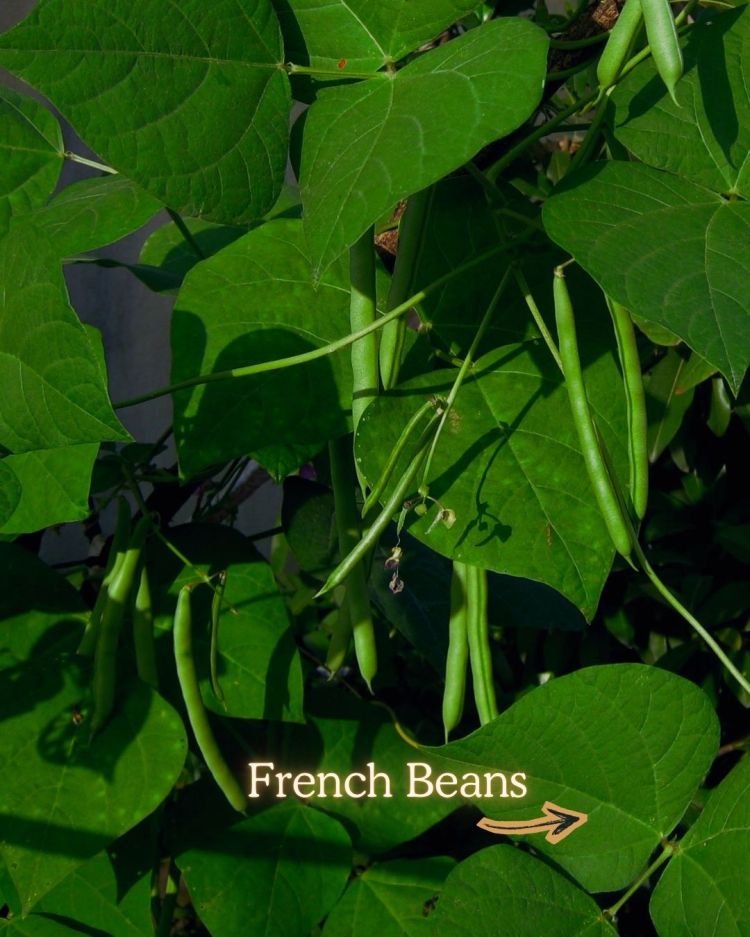
2. French Beans
French beans are another crop where pulling is unnecessary.
Once production slows down, cut the plants off at soil level rather than disturbing the root system.
Like peas, beans are legumes and their roots work alongside nitrogen-fixing bacteria.
Leaving those roots underground means less soil disturbance and more organic material being returned directly where it is needed.
This is particularly useful in raised beds and no-dig gardens where maintaining soil structure is a priority. You can remove the above ground plant material while allowing the roots to decompose naturally.
It is one of the easiest ways to make the end of the season work for next year’s garden.
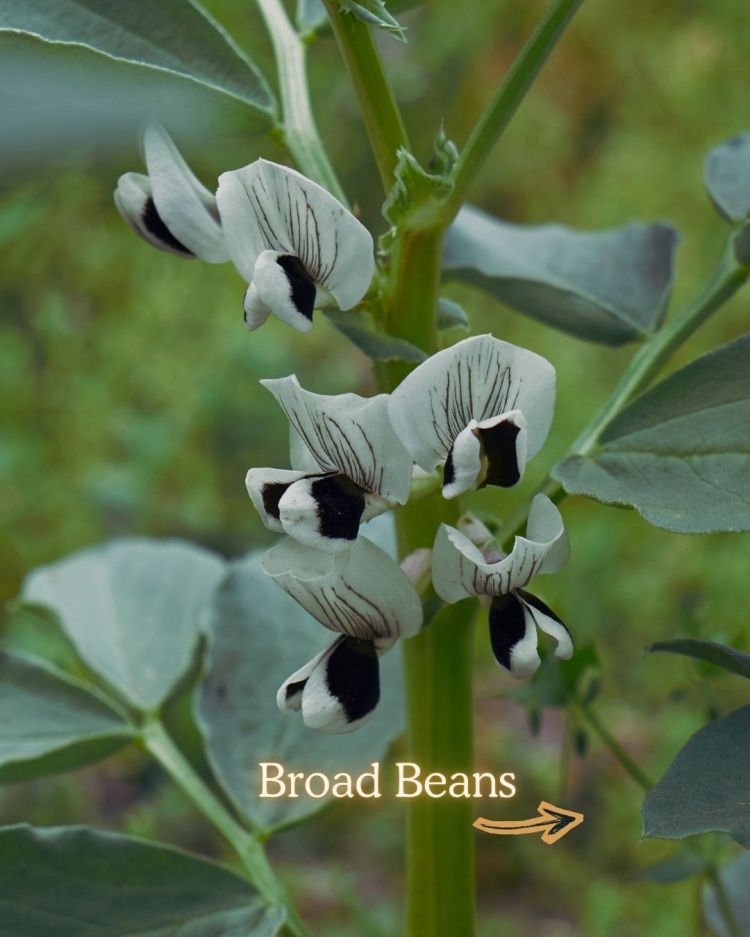
3. Broad Beans
Broad beans are another fantastic example of a crop that should usually be cut rather than pulled.
When the plants have finished producing, cut the stems down at ground level and leave the roots in the soil.
Their extensive root systems help hold the soil together and their relationship with nitrogen-fixing bacteria makes them valuable members of a productive rotation.
If the stems are healthy, chop them up and return them to the soil as mulch or add them to the compost. The roots will gradually break down underground, feeding soil life without you needing to dig them out.
It is a tiny change to your gardening routine but one that can have a surprisingly positive effect over time.
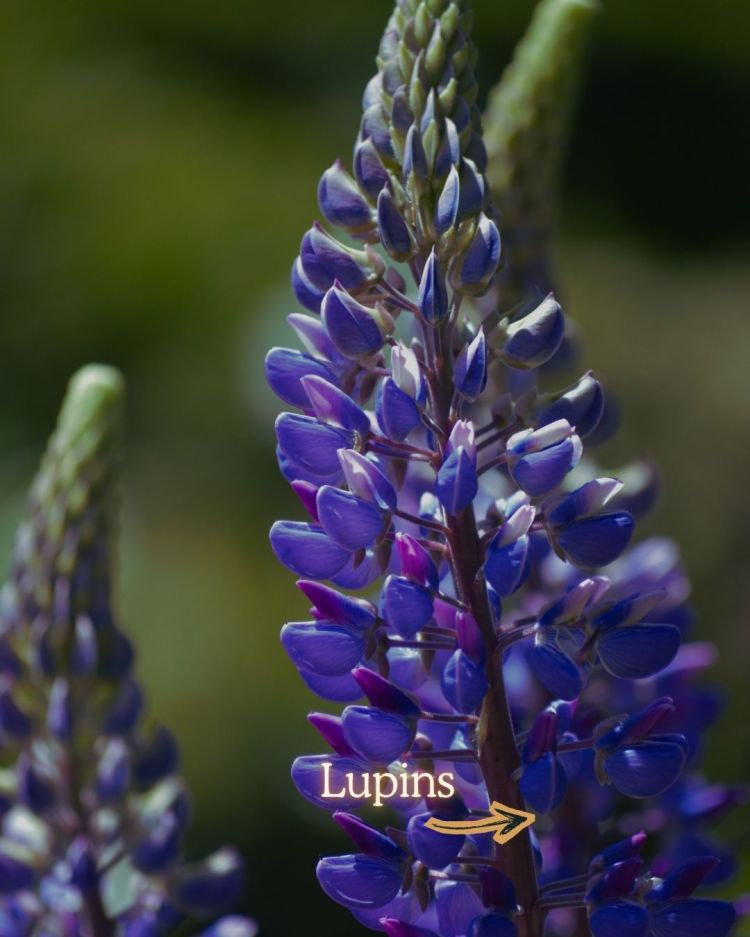
4. Lupins
Lupins are often grown as beautiful ornamental plants but they can also play an important role in a productive garden.
They are legumes with substantial root systems and are useful nitrogen fixers.
If you grow lupins as part of a food forest guild, perennial planting or as a green manure, avoid pulling them unnecessarily. Cut them back and allow the roots to remain underground.
Their roots contribute organic matter and help create channels through the soil while the above ground material can be composted or used as mulch.
Lupins also produce striking flowers that are excellent for attracting pollinators, making them useful both above and below the soil.
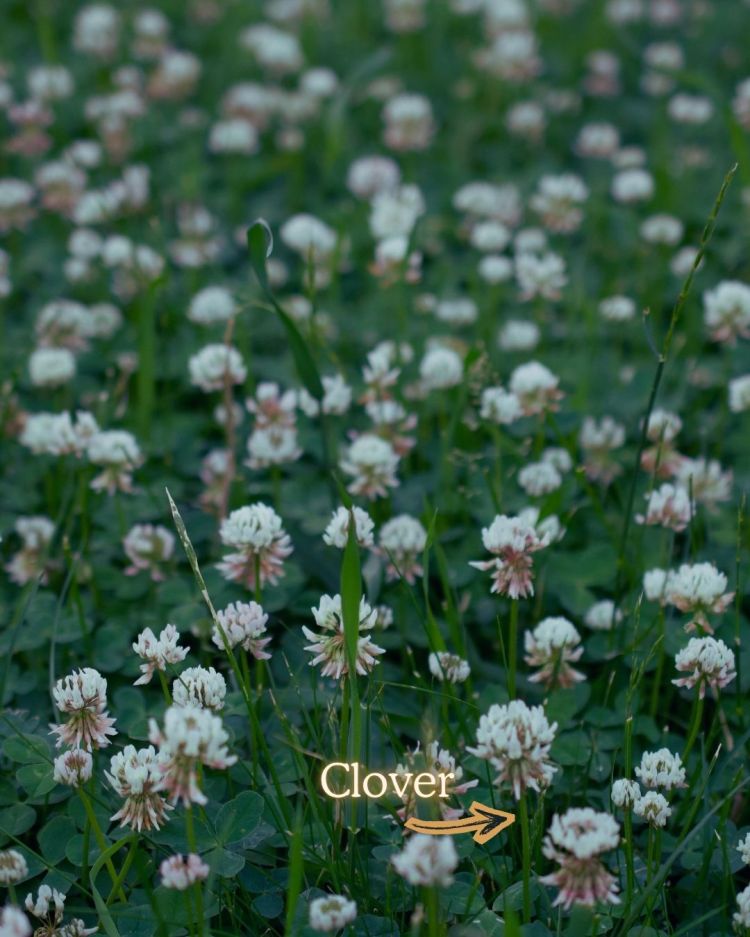
5. Clover
Clover is one of those plants that gardeners sometimes treat as a problem when it can actually be incredibly useful.
White clover and other clovers are nitrogen fixing legumes with low growing root systems that help protect the soil surface.
Rather than pulling clover from every available space, consider where it could work as a living mulch. It can cover bare ground, reduce moisture loss and provide habitat and food for pollinators.
If you need to remove it from a growing area, cut it at ground level rather than digging the whole root system out. The roots can remain in the soil and gradually decompose.
In a permaculture garden, the aim is not always to remove every plant that appears. Sometimes the cleverest approach is to manage it.
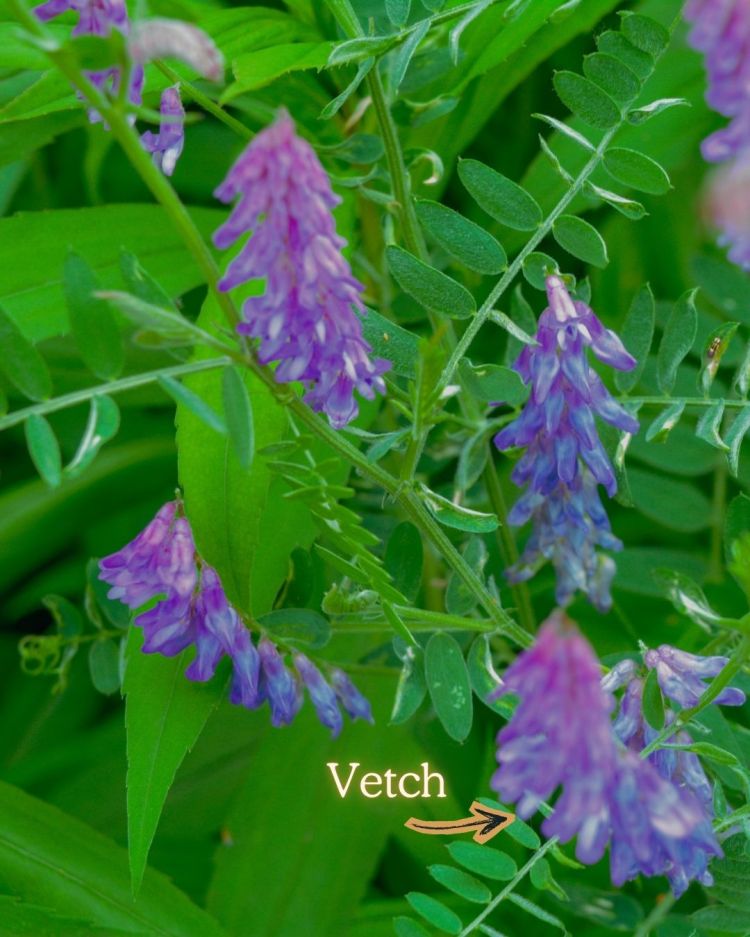
6. Vetch
Vetch is another nitrogen fixing plant that can be incredibly valuable as a cover crop or green manure.
Its roots help stabilise the soil while the plant itself produces plenty of organic matter. When the crop has finished, cut it down rather than pulling it out. Leave the roots underground and use the cut foliage as mulch or add it to your compost system.
Vetch is particularly useful when you want to protect soil over Winter because bare soil is vulnerable to erosion, nutrient loss and drying out.
Keeping living roots in the ground for longer gives soil life something to interact with while also protecting the structure you have worked hard to build.
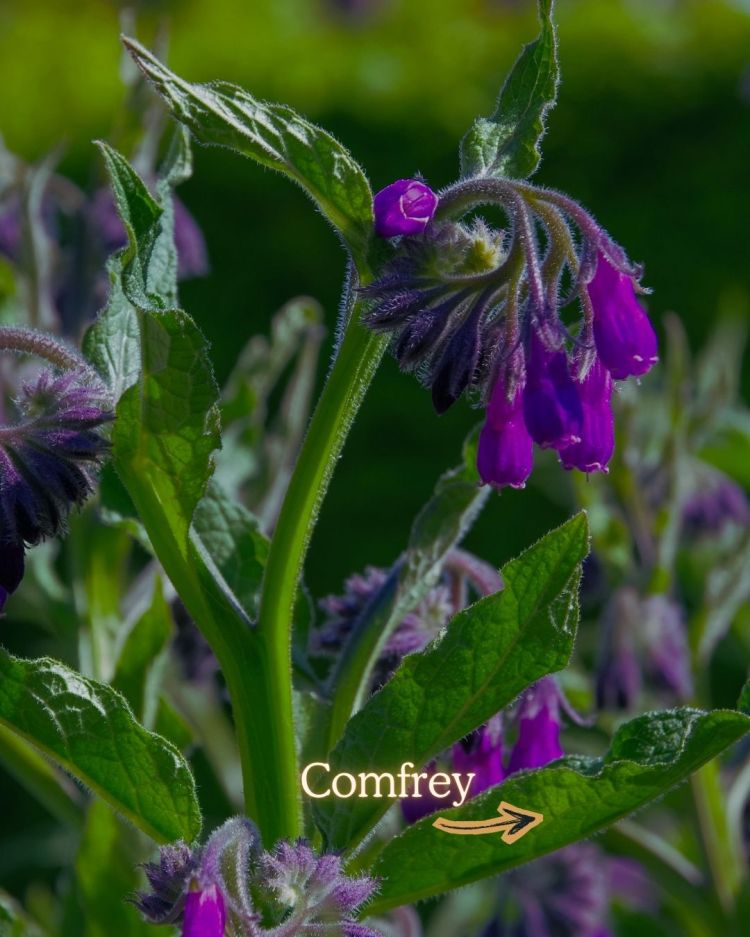
7. Comfrey
Comfrey is a perennial powerhouse in a food forest or productive garden. It develops a deep root system which helps it access nutrients and creates channels through the soil.
Once established, you do not need to dig it up to harvest its benefits. Instead, cut the leaves several times during the growing season and leave the roots undisturbed.
The leaves can be used as mulch, added to compost or used to make a nutrient rich liquid feed.
Comfrey is a perfect example of a plant where the underground system is just as important as what you see above ground.
If you are growing it as part of a food forest guild, allowing it to establish permanently means you can keep harvesting its biomass year after year without repeatedly disturbing the soil.
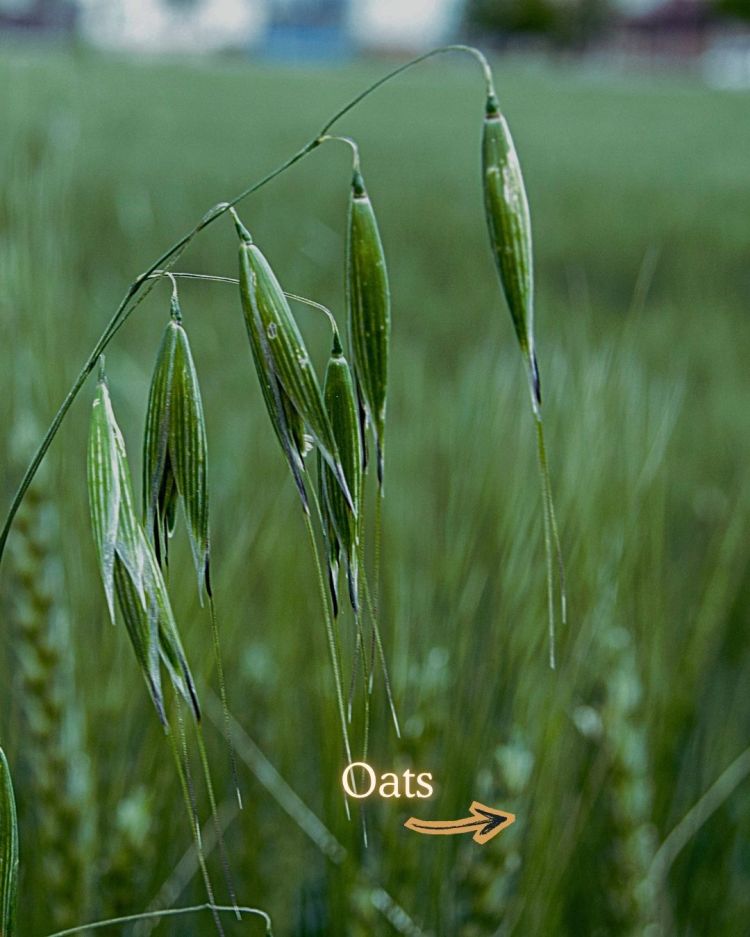
8. Oats
Oats can be used as a cover crop or green manure and are particularly useful when you want to keep soil covered.
Their roots help hold soil particles together and their foliage provides organic matter. Instead of pulling the plants out, cut them down before they become difficult to manage and leave the roots in place.
The cut foliage can become a mulch layer, protecting the soil surface while the roots decompose underneath. This is especially useful over Autumn and Winter when heavy Scottish rain can quickly wash exposed soil around.
A living root system is often much better protection than an empty bed.
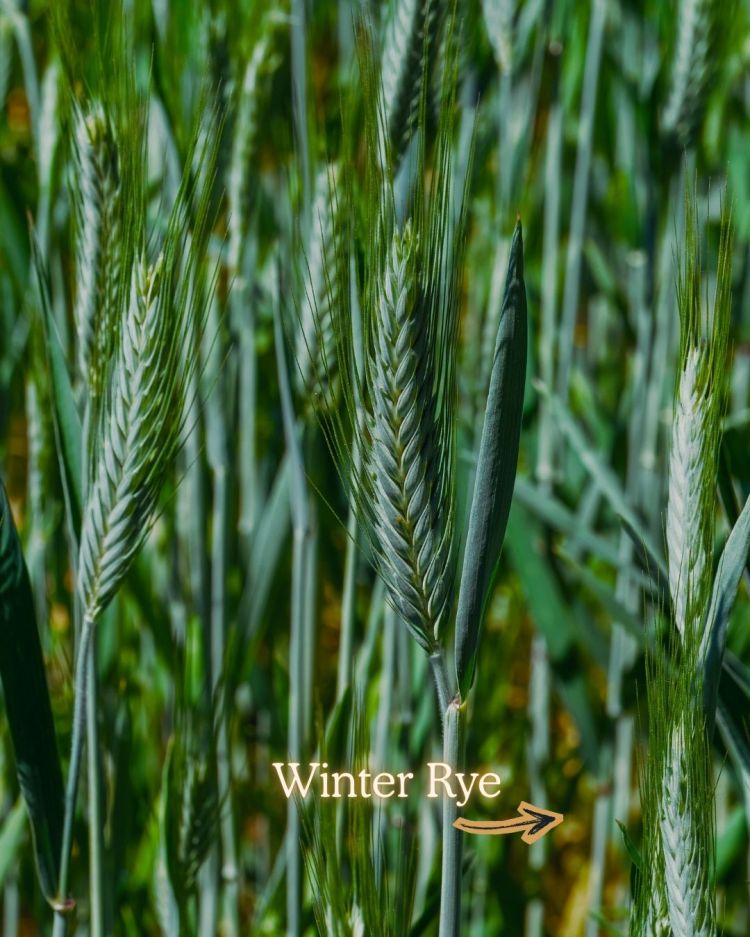
9. Winter Rye
Winter rye is another excellent cover crop for protecting soil during the colder months.
Its dense root system helps bind soil together and can improve soil structure by creating channels as the roots grow and eventually decompose. When you are ready to use the bed, cut the rye rather than pulling it out.
The foliage can be left on the surface as mulch, while the roots remain underground.
The important thing is timing. Rye can become difficult to manage if it is left until it is mature and producing seed, so cut it while it is still young enough to handle easily.
The goal is simple: protect the soil without creating another huge job for yourself.
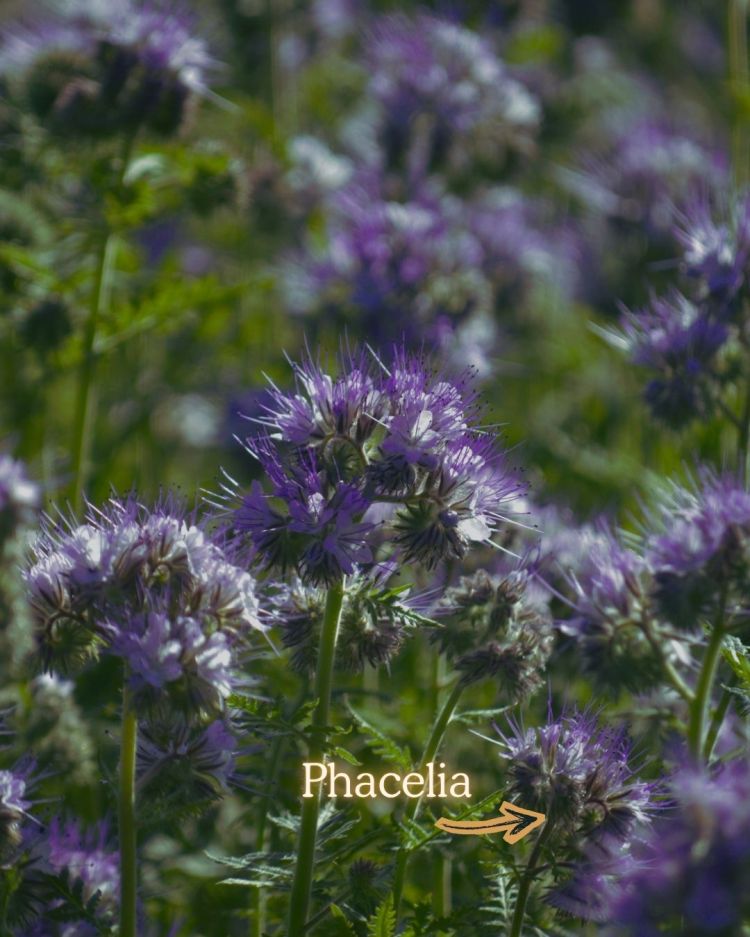
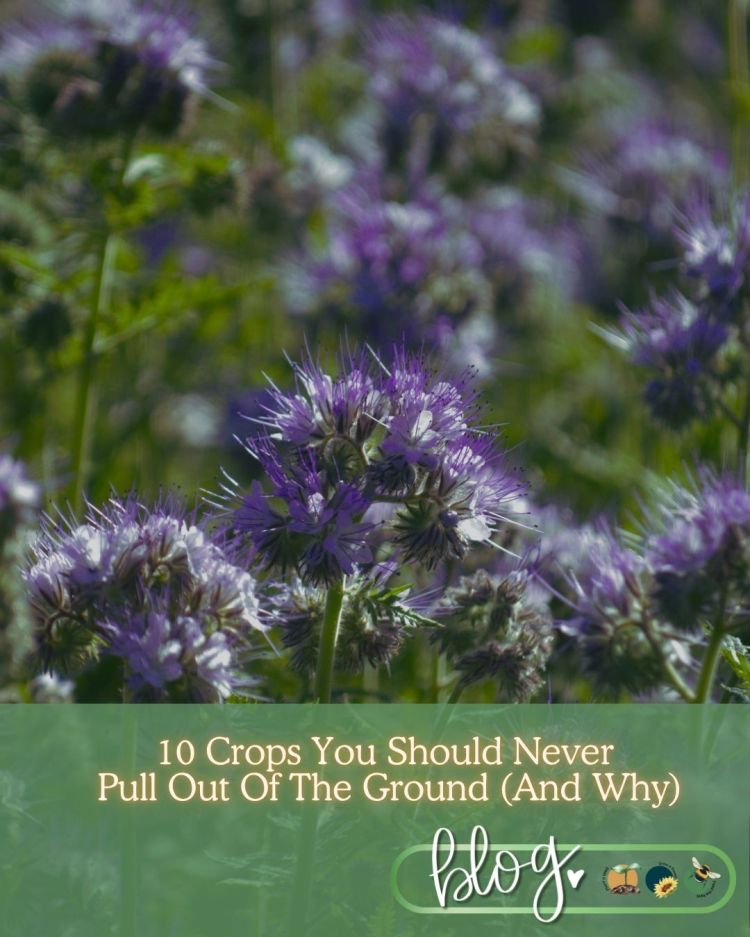
10. Phacelia
Phacelia is not a nitrogen fixer like peas, beans or clover but it still deserves a place on this list.
It is an excellent green manure and pollinator friendly crop with a fibrous root system that helps improve soil structure. When it has finished flowering or before it sets seed, cut it down and leave the roots in the ground. The foliage can be used as a mulch or added to the compost heap.
Its flowers are also loved by pollinators, so allowing phacelia to flower gives you an additional benefit before it becomes part of your soil-building system.
This is a brilliant example of thinking beyond the traditional idea of a crop simply being something you harvest.
Why Leaving Roots Behind Matters
Soil is not just something plants grow in, it is a living ecosystem containing fungi, bacteria, insects, worms and countless other organisms.
Plant roots provide food and habitat for many of these organisms. When we repeatedly pull plants out, we disturb that underground network and remove organic material that could otherwise remain in the soil.
Leaving roots behind means less digging, less disturbance and more organic matter being returned directly to the soil.
Roots also create tiny channels as they grow. Once they die and decompose, those channels can help water and air move through the soil.
This is particularly valuable in heavy or compacted soils.
But What About Diseased Plants?
There is one important exception.
Do not leave plants in the ground simply because you have decided never to pull anything. If a crop has a serious disease, fungal problem or pest issue that could remain in the soil and affect future crops, remove the affected material appropriately.
Diseased plant material should generally not be added to a home compost heap unless you know your composting system reaches temperatures high enough to deal with the problem.
Healthy roots are a resource. Diseased material is a different story.
Think Before You Pull
The next time you finish harvesting a crop, pause before reaching for the roots.
Ask yourself: Does this plant really need to come out?
If the answer is no, cut it back at soil level and let the roots stay.
You will be leaving organic matter underground, protecting soil structure and supporting the incredible network of life beneath your feet.
In a permaculture garden, harvesting does not have to mean removing everything.
Sometimes the most productive thing you can do is leave something behind.
Less pulling. Less digging. More roots. Better soil.

Katrina & Clayton and family live in East Ayrshire and share their daily life in the garden on instagram. They practice permaculture principles in the garden, reducing & repurposing waste whenever they can. Katrina shows how home educating in nature has helped Clayton thrive.
Clayton Completed The 2 Grow and Learn Courses with the Royal Caledonian Horticultural Society. He is Autistic, Non Verbal & has been Home Educated since 2018. Katrina & Peter hold their PDC & PDC PRO Permaculture Design Course from Oregon State University.
They featured on BBC Beechgrove Gardens Ep23 2022 and returned in 2023 for an update, Katrina & Clayton are also columnists for ScotlandGrows Magazine, Guest Blog for Caledonian Horticulture as well as working with Gardeners’ World Magazine and many other brands.
They are also Author of the new Children’s Book Series: Clayton’s Garden Journey: Stories of Autism and Gardening. Topics on Growing, Harvesting, Sowing & Composting and 108 Page Weather and Seasons Weekly Gardening Record Book available on Amazon and Kindle.
Listen in on their Guest Podcasts to learn more about them.
Get Weekly Blogs Straight To Your Inbox
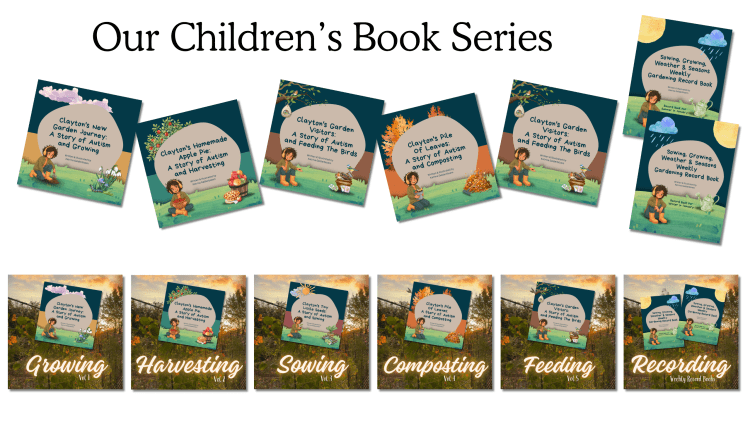
Our Children’s Book Series
Author of the new children’s book series: Clayton’s Garden Journey: Stories of Autism and Gardening. Including Stories on Growing, Harvesting, Sowing, Composting, Feeding The Birds and A Sowing, Growing, Weather and Seasons Weekly Gardening Record Book available on Amazon and Kindle
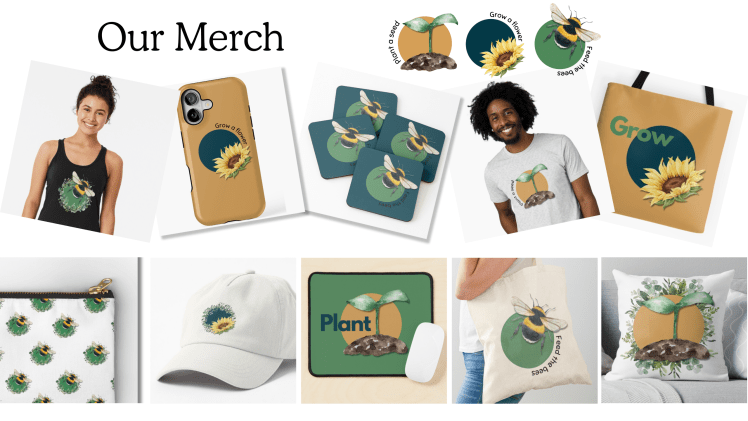
Visit Our Print On Demand Stores
Redbubble Store – Worldwide! 200+ garden & nature-inspired designs on coasters, phone covers, tote bags, mouse mats and so much more. Perfect for plant lovers, gardeners and anyone who wants to bring a touch of the outdoors into everyday life

Discover more from Building a Food Forest -Scotland
Subscribe to get the latest posts sent to your email.
