
Get Weekly Blogs Straight To Your Inbox

Stitching the Seasons: Tracking Climate with a Temperature Blanket
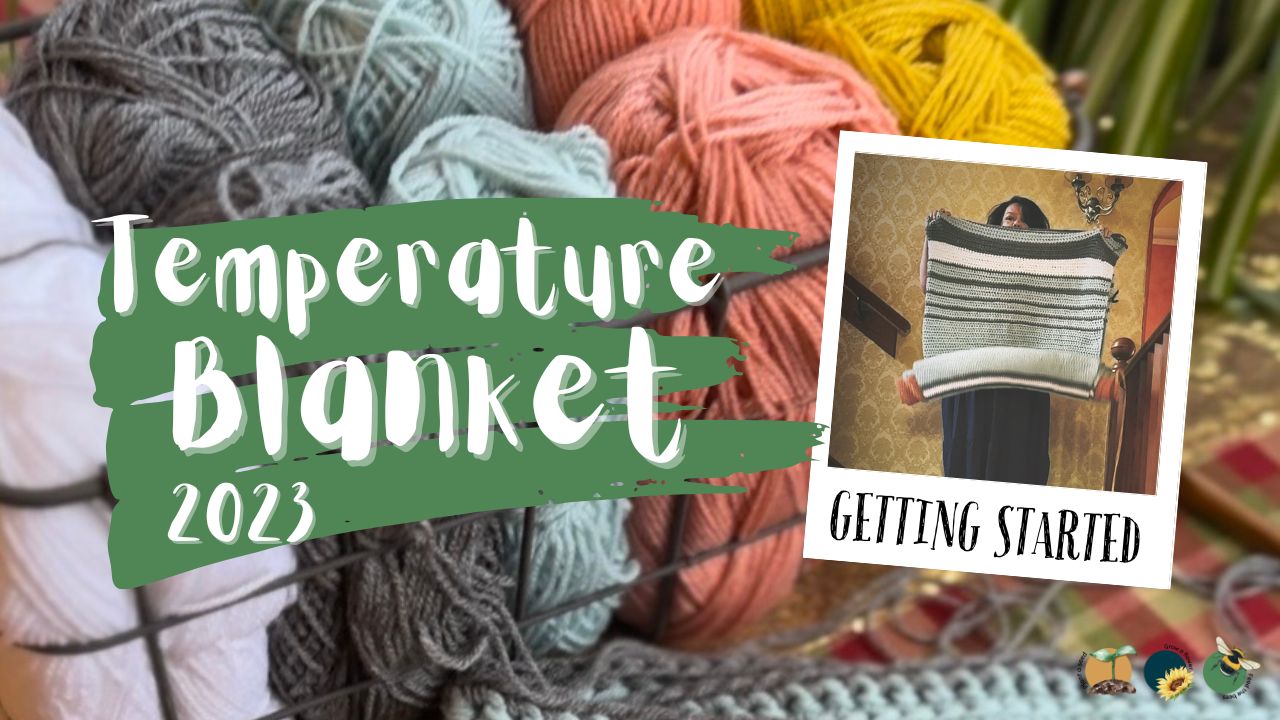
Getting Started with 2023 Temperature Blanket
A temperature blanket is a knitting or crocheting project where each row or section represents the daily temperature over a set period, typically a year. The colours correspond to temperature ranges, creating a visual record of climate trends. Makers choose a colour scale (e.g., blue for cold, red for hot) and stitch a new row daily or weekly based on the recorded temperature.
In permaculture, one of the key principles is “Observe and Interact.” This means carefully watching patterns in nature before making changes. A temperature blanket aligns with this principle by encouraging mindful observation of local weather patterns over time.
By tracking temperature fluctuations through a blanket, crafters develop an intimate awareness of their environment, much like a permaculturist observing seasonal changes before designing a sustainable system. This data can reveal useful insights, such as shifts in climate patterns or unusual temperature extremes, which can inform better gardening and land management practices.
Additionally, the temperature blanket concept can be extended beyond fibre arts into permaculture design. Gardeners might use a similar approach, tracking daily temperatures and using colour coded garden journals to visualise climate data. This can guide decisions on when to plant, harvest, or implement protective measures like shade structures or water conservation techniques.
Ultimately, a temperature blanket is both a creative and scientific tool, transforming raw climate data into a tactile, visual representation of weather trends. In the context of permaculture and gardening, it fosters deeper ecological awareness, helping people better interact with and adapt to their local environment.
Getting Started
Pick Your Colours & Decide On A Stitch
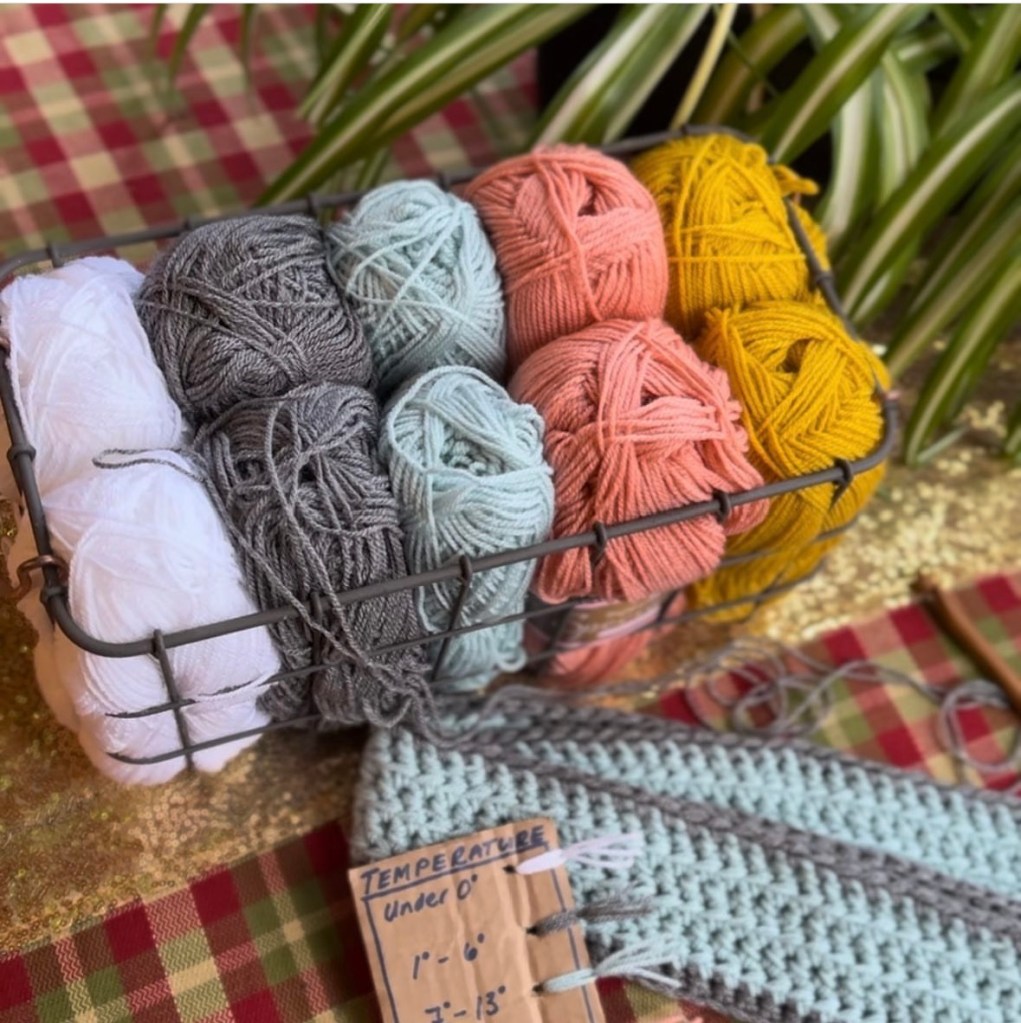
I started crocheting last year with my daughter, we share our makes on instagram @ourcrochetlife, usually I use super chunky & size 15mm hook. I am using 2 strands of DK & a 10mm & HDC for this project as I love the rhythm of the stitch and cost wise DK is cheaper and come in much longer lengths.
I picked just 5 colours as temperature doesn’t change much in Scotland. There are so many ideas you can do with these blankets and so fun to see how the temperature changes in the garden over the year.

DETAILS: This is what I’m using on this one: To make a double sized bed blanket
🧶2 strands of DK (to make chunky)
🧶10mm Hook
🧶150 stitches across
🧶HDC stitch
🧶Recording highest temp of each day
Decide On A Range
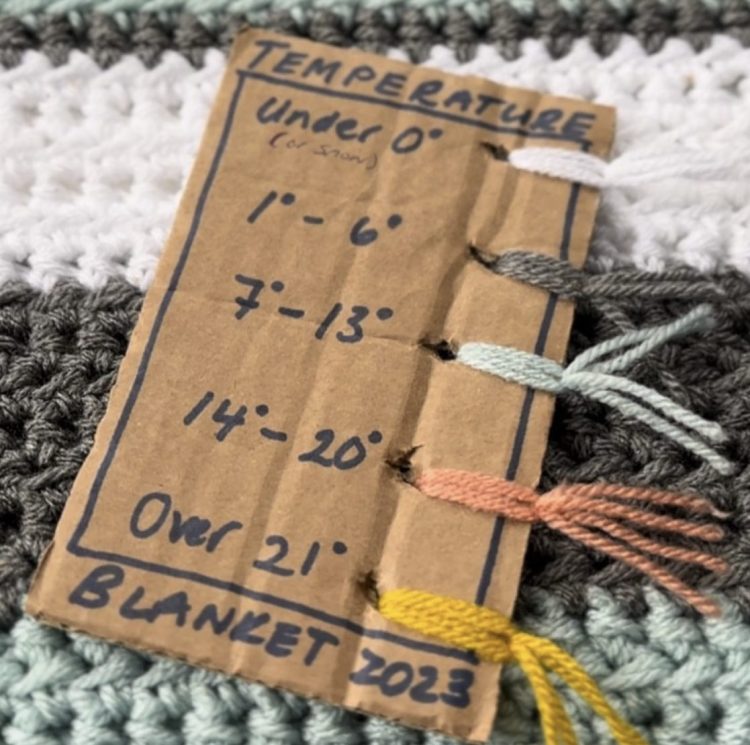
GUAGE: I Picked just 5 colours as I wanted to be able to look at a glance at what range it was next year.
🧶Under 0° White (cold/snow temps)
🧶1-6 Grey (frost temps)
🧶7-13 Duck Egg (low temps)
🧶14-20 Vintage Peach (warm temps)
🧶Over 21 Mustard (hot temps)
Taking the highest temperature from each day and using that as the temperature colour I use. For example if the highest temperature of the day was 6° then I would do 1 row of Grey
Adjusted my scale a little on the white though, to the average rather than the highest as some days it’s been -7° at night, then -3° most of the day, but for an hour or 2 its 1°, which would make it grey and I don’t feel that would represent the day, or if it has snowed that day I would pick white.
I want to look back and see the days that were solid frozen ground outside that we couldn’t plant outside- these will be white days.
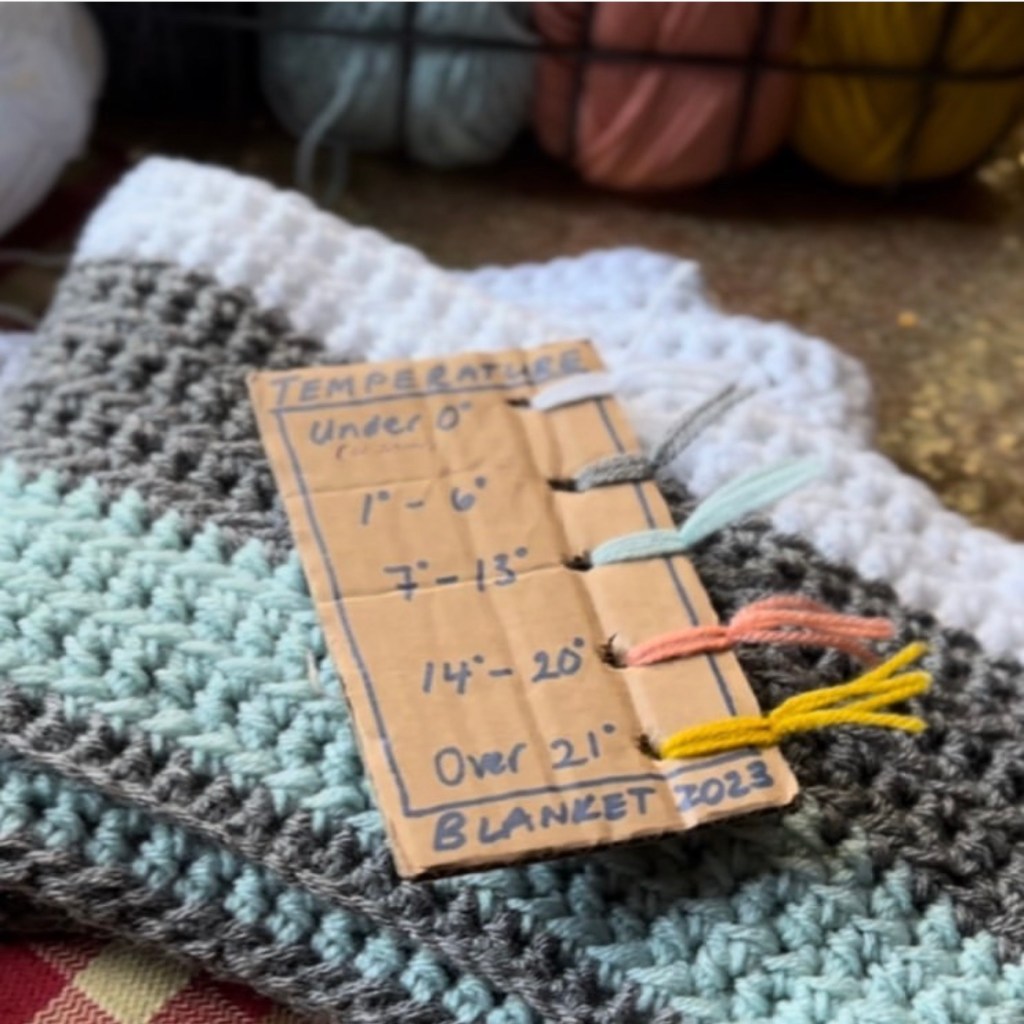
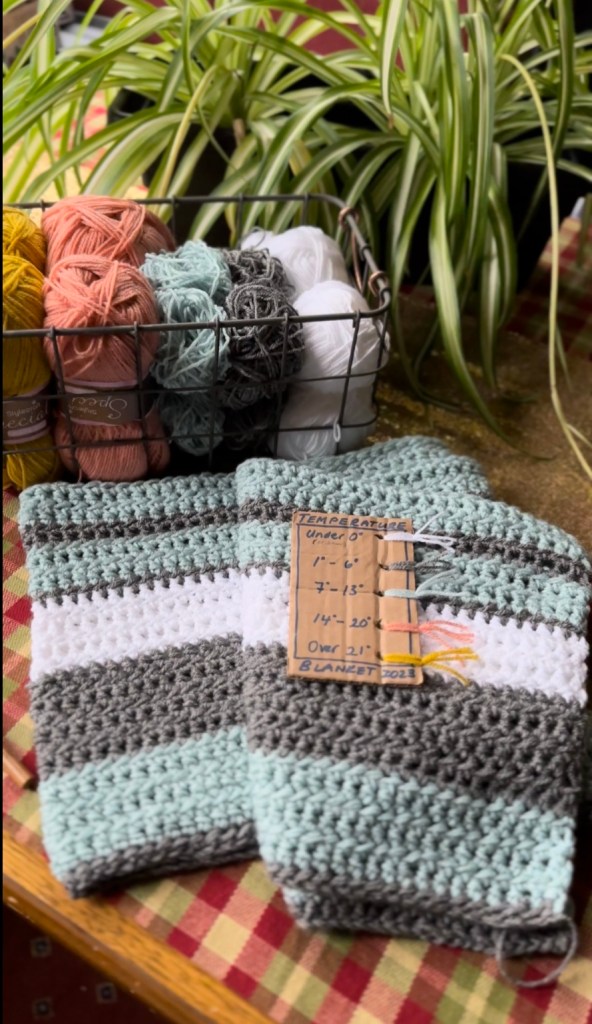
Our Temperature Blanket Completed. Monitoring Weather In The Garden & Crocheting A Visual Memory.
Temperature Blanket CHECKLIST
Are you doing one this year? Do you want to start one? Need some help getting started?
Need help getting started?
Download Our Free Checklist

Want more a detailed guide to getting started?
Download Our Complete Guide
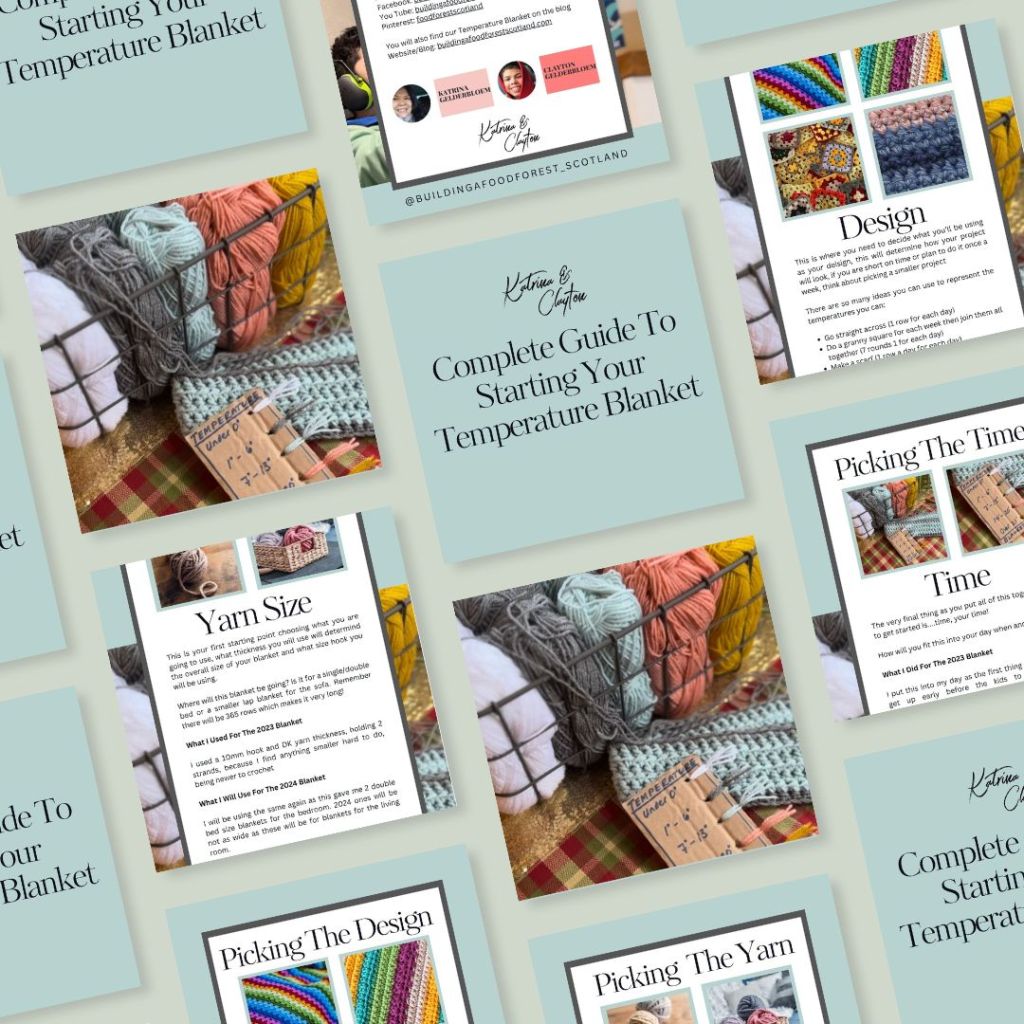
It is a really fun way to see the whole year of weather, looking forward to seeing patterns that come up too.
Are you doing a temperature blanket or recording the weather of any kind?
Happy Gardening!


Katrina & Clayton and family live in East Ayrshire and share their daily life in the garden on instagram. They practice permaculture principles in the garden, reducing & repurposing waste whenever they can. Katrina shows how home educating in nature has helped Clayton thrive.
Clayton Completed The 2 Grow and Learn Courses with the Royal Caledonian Horticultural Society. He is Autistic, Non Verbal & has been Home Educated since 2018. Katrina & Peter hold their PDC & PDC PRO Permaculture Design Course from Oregon State University.
They featured on BBC Beechgrove Gardens Ep23 2022 and returned in 2023 for an update,Katrina & Clayton are also columnists for ScotlandGrows Magazine, Guest Blog for Caledonian Horticulture as well as working with Gardeners’ World Magazine and many other brands. They are also Authors of the new children’s book: Clayton’s New Garden Journey: A Story of Autism and Growing available on Amazon & Kindle. Listen in on our Guest Podcast to learn more about us.
Get Weekly Blogs Straight To Your Inbox
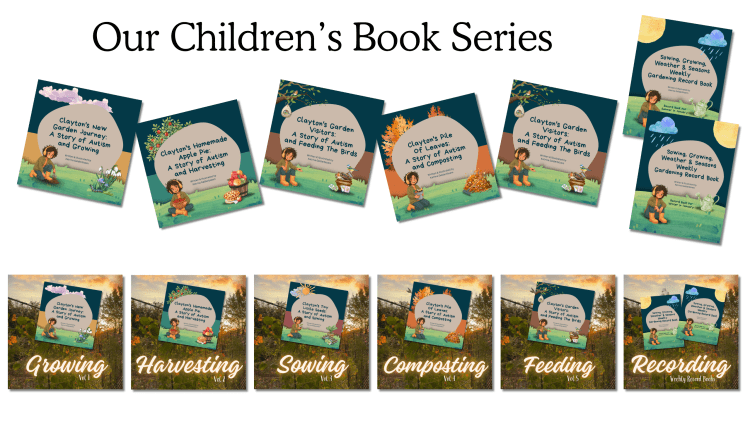
Our Children’s Book Series
Author of the new children’s book series: Clayton’s Garden Journey: Stories of Autism and Gardening and Sowing, Growing, Weather and Seasons Weekly Gardening Record Book available on Amazon and Kindle
Visit Our Print On Demand Stores
Redbubble Store – Worldwide! 200+ garden & nature-inspired designs on coasters, phone covers, tote bags, mouse mats and so much more. Perfect for plant lovers, gardeners and anyone who wants to bring a touch of the outdoors into everyday life

Discover more from Building a Food Forest -Scotland
Subscribe to get the latest posts sent to your email.

I love this idea! Do you know if there a place I can get the temps for the last month? I didn’t keep a record 😞
<
div dir=”ltr”>
<
blockquote type=”cite”>
LikeLike
Thank you and yes! You can go to http://www.timeanddate.com/weather website, change to your area and you’ll see all the historic data of the weather
LikeLike