

Permaculture, in simple terms, is a way of designing and creating systems – like gardens or farms working in harmony with nature.
The word “permaculture” itself comes from combining “permanent” and “agriculture” or “culture,” reflecting a focus on sustainability and long-term thinking.

Permaculture was co-founded by Bill Mollison and David Holmgren in Tasmania, Australia, in the 1970s. Both Mollison and Holmgren played significant roles in developing and popularising permaculture.
Bill Mollison, an Australian ecologist, researcher, and teacher, was a driving force behind the development of permaculture. He observed natural ecosystems and traditional agricultural practices, inspiring the creation of a holistic design system.
David Holmgren, also an Australian ecologist, collaborated with Bill Mollison in refining and expanding permaculture principles. Holmgren’s contributions have been crucial in shaping the design framework and principles of permaculture.

In a nutshell, permaculture is like learning from nature’s playbook to create sustainable, efficient, and harmonious systems that support both the environment and people.
It’s about being smart, observing, and working together with the Earth to create a better way of living.

There are 12 Permaculture Principles and we will be looking at each one every month over the year and how we use it in our garden
Permaculture Principle No. 6:
“Produce No Waste”
Permaculture Principle No. 6 is “Produce no waste.” This principle emphasises the importance of designing systems that minimise waste, recycle resources, and creatively reuse materials to achieve sustainability. Here’s a detailed breakdown of this principle, divided into explanation, application, and expected outcome:

The principle “Produce no waste” is based on the concept that waste is a sign of inefficiency in a system.
In nature, waste from one process becomes a resource for another, creating a closed-loop system. By emulating these natural cycles, permaculture aims to design systems where all outputs are reused or repurposed, thereby minimising the overall waste generated.
This principle encourages thoughtful design and the implementation of strategies to reduce, reuse, recycle, and repurpose materials and resources at every stage.
Household Level:
Reduce: Avoid single-use products and packaging. Purchase items with minimal or biodegradable packaging.
Reuse: Repurpose containers, repair broken items, and find new uses for old materials. For instance, glass jars can be used for storage, and old clothing can be turned into rags or quilts.
Recycle: Set up a comprehensive recycling system for materials like paper, glass, plastic, and metals. Compost organic waste to create nutrient-rich soil for gardening.
Repurpose: Use kitchen scraps and yard waste to create compost, which enriches soil and reduces the need for chemical fertilisers.
Gardening and Farming:
Organic Matter: Compost kitchen scraps, garden clippings, and animal manure to create a rich, fertile soil amendment.
Water Use: Implement greywater systems to recycle household water for garden irrigation. Collect and use rainwater to reduce dependency on water supplies.
Materials: Use natural, biodegradable materials for garden structures and supports, such as wood, bamboo, and natural fibers. Reuse old pallets or construction materials for building garden beds or trellises. See our DIY Pallet projects
Community and Industry:
Industrial: Encourage businesses to collaborate in using each other’s by-products and waste materials, turning waste into a resource.
Circular Economy: Design community projects and businesses around a circular economy model, where products are designed for longevity, repairability, and recyclability.
Resource Sharing: Establish community tool libraries, repair cafes, and swap meets to facilitate the sharing and reuse of items.
Environmental Benefits:
Reducing waste: decreases the burden on landfills, lowers pollution, and conserves natural resources.
Composting and recycling: organic waste improve soil health and reduce greenhouse gas emissions from waste decomposition.
Economic Savings:
Households and businesses: save money by reducing the need to purchase new materials and paying for waste disposal services.
Composting: reduces the need for chemical fertilisers, saving costs in gardening and farming.
Enhanced Sustainability:
Systems designed: to produce no waste are inherently more sustainable. They make efficient use of resources and create a self-sustaining cycle where waste is continually transformed into valuable inputs.
Community Engagement:
Practices: such as sharing resources, community composting, and repair cafes foster a sense of community and collaboration, encouraging sustainable habits and mutual support.
By embracing and implementing the principle of producing no waste, individuals, communities, and organisations contribute to a more sustainable and resilient world, aligning human activities with the regenerative cycles of nature.
There are 12 permaculture Principles we will be looking at each one every month
When looking at implementing the design into our garden we looked at setting our sections up into different areas that suited, we have
- Food Forest Area
- Raised Bed Area
- Kitchen Courtyard
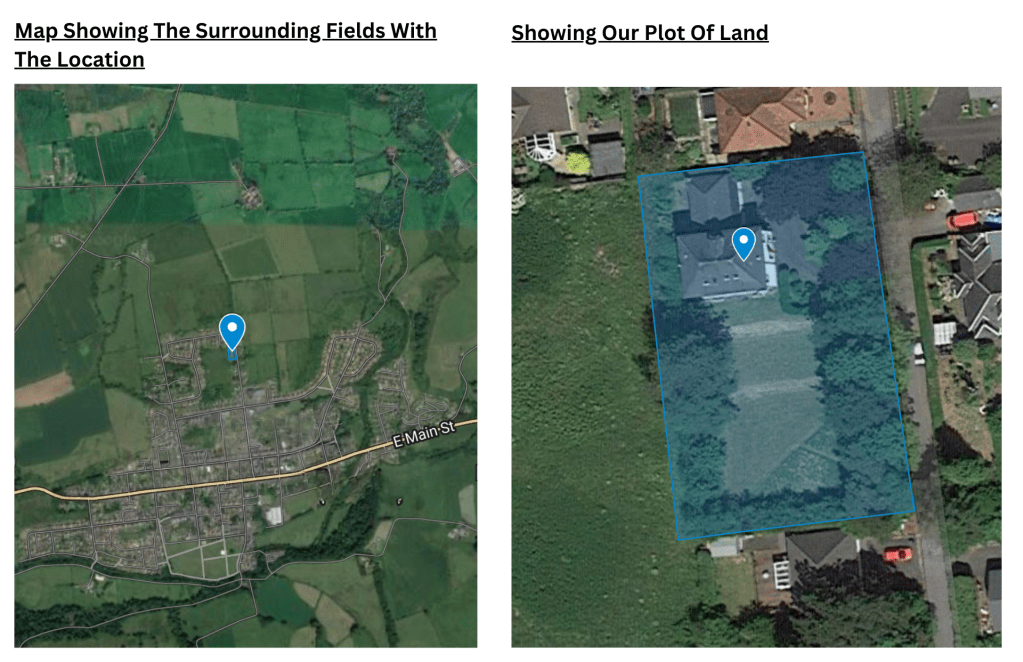
This is a shot of our home showing the surrounding area. We are on a hill, at the top of the hill and behind us the fields you see are an even steeper hill
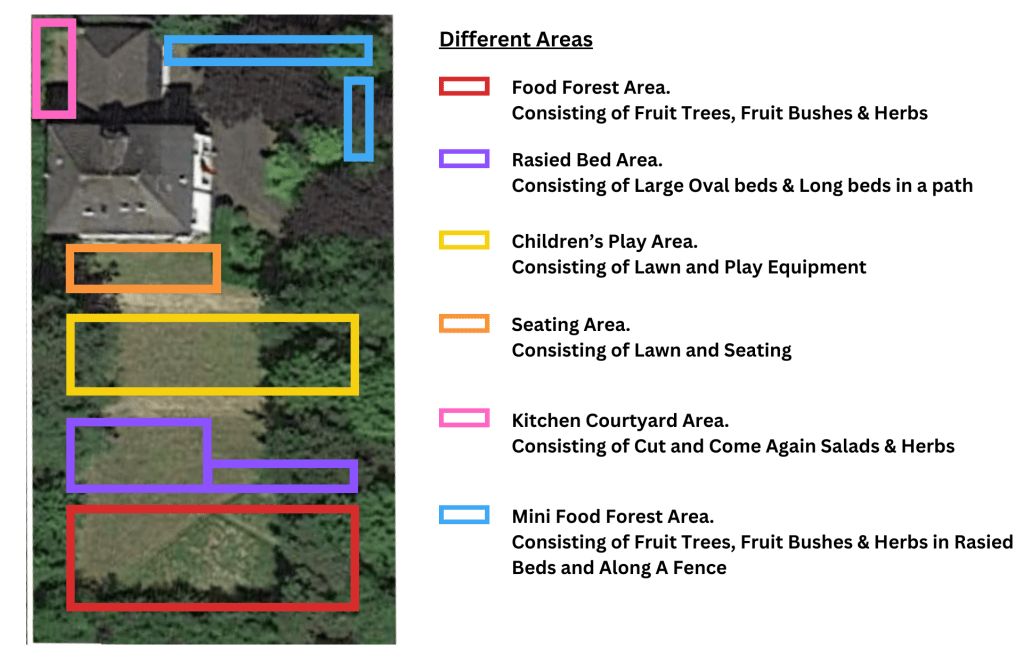
This is a long term project that will take time to grow and fill out, but we are adding to it each year and still getting harvests from the berries. Last year was our first year getting some apples from the trees. Observing and self regulating as we go along.
Take a look at some of the starting blogs for more details of how we got started and what we have added A Little About Us and Where The Food Forest Has Started From – 2022 Update and Food Forest Area- New Fruit Trees Planted For 2023
Produce No Waste
In terms of producing no waste, this is what our main concern is across our gardena and lifestyle. A few years ago we did a 12 Months 12 Eco Swaps Challenge, each month looking at something we could change to remove or reduce plastic coming out of our home. You can see them all here:
12 Months:12 Eco Changes. Making An Eco Swap Of Deodorant
12 Months:12 Eco Changes. Making An Eco Swap Of Hair Care (Part 1)
12 Months:12 Eco Changes. Making An Eco Swap Of Toothpaste
12 Months:12 Eco Changes. Making An Eco Swap Of Cleaning Products
12 Months:12 Eco Changes. Making An Eco Swap Of Hair Care (Part 2)
12 Months:12 Eco Changes. Making An Eco Swap Of Kitchen Items
12 Months:12 Eco Changes. Making An Eco Swap Soft Plastic Recycling
12 Months: 12 Eco. Changes- Making An Eco Swap Of Bathroom Items
12 Months: 12 Eco Changes. Making An Eco Swap Of Usable Items For Your Garden
12 Months: 12 Eco Changes. Making An Eco Swap Of Plastic Bottles
12 Months: 12 Eco Changes. Making An Eco Swap Of Fast Fashion
12 Months: 12 Eco Changes. Making An Eco Swap Of Plastic Wrapping Paper
As well as this year long project we under took, we recycle, reduce and repurpose as much as we can throughout our garden and life. You can see more DIY Pallet products here
Repurposing Household Items To Sow In From Items Around The House You Tube
PDC Permaculture Design Certificate
Peter received his Permaculture Design Certificate online in 2019 with Oregon State Uni. Certified by the Permaculture Institute of North America. Taught by: World Renowned Permaculturist Andrew Millison
Peter designed our garden using the Permaculture Design processes and the 12 Permaculture Principles.
Katrina started her Permaculture Design Certificate PDC PRO in 2024 to continue the process and pass all the knowledge onto Clayton and others.

Katrina & Clayton and family live in East Ayrshire and share their daily life in the garden on instagram. They practice permaculture principles in the garden, reducing & repurposing waste whenever they can. Katrina shows how home educating in nature has helped Clayton thrive.
Clayton Completed The Grow and Learn Course with the Royal Caledonian Horticultural Society Last Year. This year he started the Level 2 Nurture Course. Clayton has just turned 16, Autistic, Non Verbal & has been Home Educated for the last 6yrs.
They featured on BBC Beechgrove Gardens Ep23 2022, and returned to the show for an update in 2023. Katrina & Clayton are also columnists for ScotlandGrows Magazine and Author of the new children’s book: Clayton’s New Garden Journey: A Story of Autism and Growing available on Amazon
Get Weekly Blogs Straight To Your Inbox

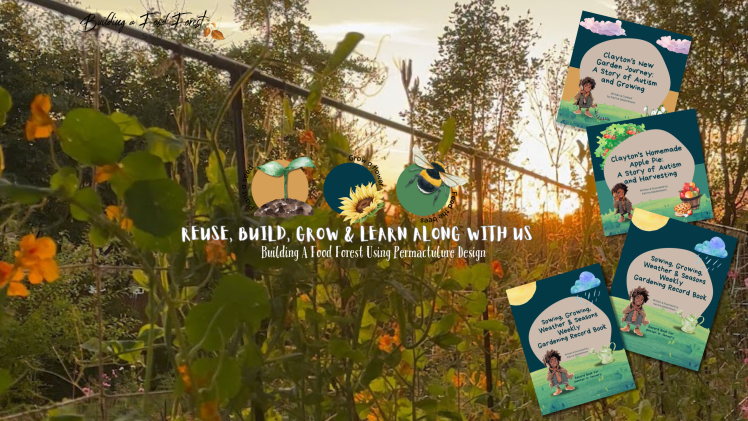
Author of the new children’s book series: Clayton’s Garden Journey: A Story of Autism and Gardening and Sowing, Growing, Weather and Seasons Weekly Gardening Record Book available on Amazon
Discover more from Building a Food Forest -Scotland
Subscribe to get the latest posts sent to your email.

7 thoughts on “Permaculture Principle No. 6: “Produce No Waste””